
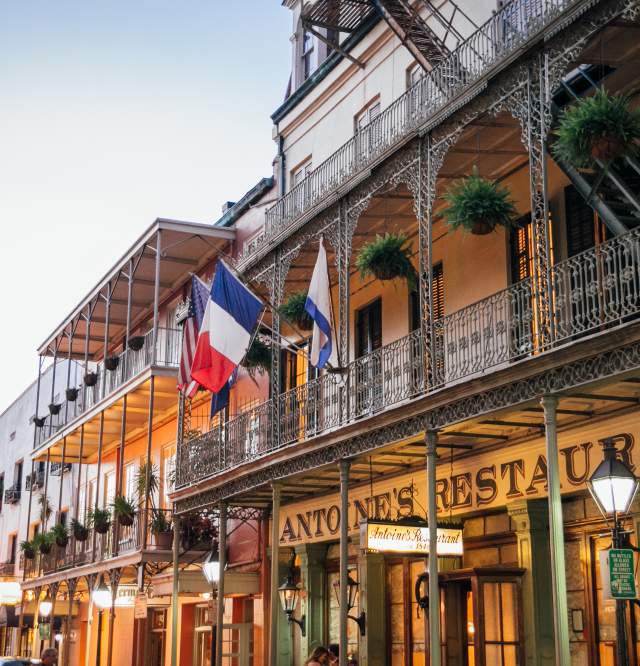
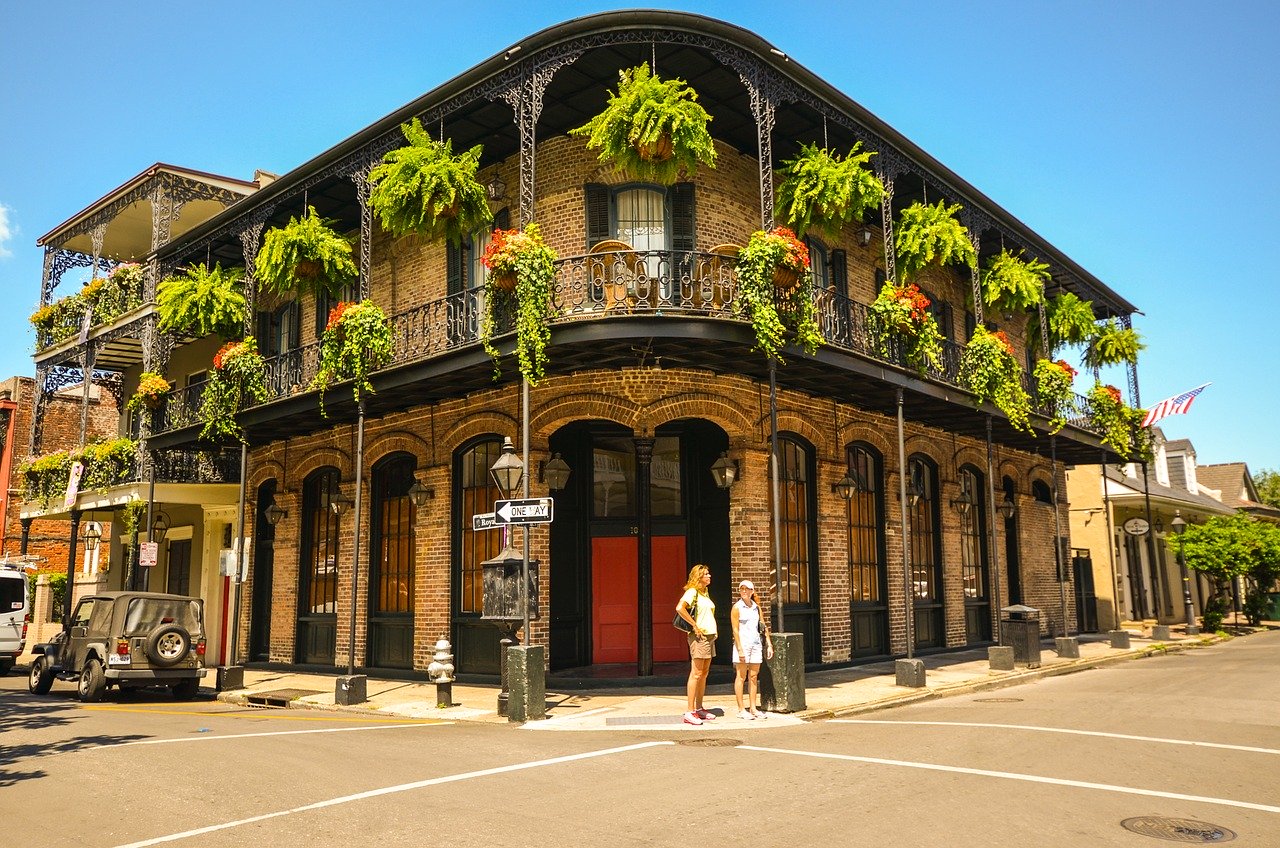
The vibrant and historic French Quarter, often referred to as the Jewel of the Crescent City, is nestled in the very heart of New Orleans, Louisiana. This iconic neighborhood, a true testament to the city’s rich tapestry of cultures, history, and unmistakable charm, is precisely where visitors can immerse themselves in the quintessential New Orleans experience. From its distinctive Spanish colonial architecture with intricate ironwork balconies to its cobblestone streets echoing with the sounds of jazz and the aroma of Creole cuisine, the French Quarter is not just a location; it’s a destination that promises an unforgettable journey into the soul of the Big Easy. Understanding its exact placement within the urban sprawl helps travelers plan their itineraries, ensuring they don’t miss a single beat of this lively district.
Unveiling the Heart of New Orleans: The French Quarter’s Location
To truly appreciate the French Quarter’s allure, one must first grasp its geographical significance. Its strategic position along the bend of the Mississippi River not only facilitated trade and defense in centuries past but also shaped its enduring character as a bustling port city and cultural crossroads.
Geographical Coordinates and Borders
The French Quarter occupies a distinct and easily identifiable section of New Orleans. It is a neatly delineated grid of streets, making it incredibly pedestrian-friendly and simple to navigate once you understand its boundaries. To the west, its natural boundary is Canal Street, one of the city’s widest avenues and a traditional dividing line between the old French and Spanish colonial sections and the more modern American sector. Heading east, the French Quarter extends to Esplanade Avenue, a picturesque street lined with historic mansions that gracefully transitions into the Faubourg Marigny neighborhood.
To the south, the mighty Mississippi River provides a dramatic backdrop, with the Woldenberg Park and the Moonwalk promenade offering stunning views of river traffic and steamboats. Finally, its northern border is defined by Rampart Street, which runs parallel to the historic Tremé neighborhood and marks the edge of the original fortified city. Within these roughly rectangular confines, approximately 78 square blocks, lies a world brimming with history, music, and flavors that are uniquely New Orleans. This compact area means that many of the most popular attractions are within easy walking distance of each other, making exploration a delight for any traveler.
Proximity to Key City Areas
The French Quarter’s central location also positions it conveniently close to several other important districts and transportation hubs, enhancing its appeal as a prime travel destination. Just across Canal Street to the west is the Central Business District (CBD), home to modern skyscrapers, convention centers, and numerous hotels. This proximity makes it easy for business travelers to blend work with the vibrant cultural offerings of the French Quarter. Further uptown from the CBD are neighborhoods like the Garden District, famous for its opulent antebellum mansions, accessible via the historic St. Charles Avenue Streetcar.
For those arriving by air, the Louis Armstrong New Orleans International Airport (MSY) is located approximately 11 miles west of the city center. A taxi, rideshare service, or airport shuttle can typically get you from the airport to the French Quarter in about 20-30 minutes, depending on traffic. This relatively short transit time means visitors can quickly transition from their flight to the charming streets and lively atmosphere of their chosen accommodation within the historic district.
A Journey Through Time: The French Quarter’s Rich History and Culture
More than just a geographical point, the French Quarter is a living museum, its very cobblestones imbued with centuries of history. Its distinct identity is a testament to the diverse hands that shaped it, from European colonists to the unique Creole culture that flourished within its confines.
From French Colony to American Gem
The story of the French Quarter begins in 1718 when Jean-Baptiste Le Moyne de Bienville established Nouvelle-Orléans as the capital of French Louisiana. The initial settlement was laid out in a grid plan, centered around what is now Jackson Square. In 1763, following the French and Indian War, France ceded Louisiana to Spain. It was during the nearly four decades of Spanish rule that much of the architecture we admire today came into being, largely due to two devastating fires in 1788 and 1794. These fires destroyed most of the original wooden French colonial structures. The subsequent rebuilding efforts, under Spanish ordinances, mandated the use of fire-resistant materials like brick and stucco, and introduced the iconic wrought and cast-iron balconies that are synonymous with the French Quarter.
Though brief, Spain’s influence is evident in the courtyards, archways, and the pastel-colored stucco facades. The area then briefly returned to French control before the historic Louisiana Purchase in 1803 transferred it to the United States. Despite becoming American, the “Vieux Carré” (Old Square) retained its distinct European flavor, resisting the rapid Americanization seen in other parts of the growing city. This historical evolution created a truly unique urban landscape, where Creole cottages stand alongside grand townhouses, each telling a story of past inhabitants and architectural trends.
A Melting Pot of Traditions
The cultural heartbeat of the French Quarter is its most captivating feature. It’s a vibrant mosaic born from the intermingling of French, Spanish, African, Caribbean, and American influences. This fusion gave rise to the celebrated Creole culture, evident in every aspect of life here. Music, in particular, flows through the streets like the Mississippi River itself. This district is considered one of the birthplaces of jazz, and live music spills out from countless clubs and street corners, inviting passersby to tap their feet to soulful melodies. From traditional jazz funerals to impromptu brass band performances, music is an inextricable part of the French Quarter experience.
The culinary scene is equally legendary. New Orleans is a food lover’s paradise, and the French Quarter is its epicenter. Here, the flavors of Cajun and Creole cuisine reign supreme. Indulge in rich, savory gumbo, spicy jambalaya, fresh oysters, and, of course, the iconic powdered sugar-dusted beignets paired with a chicory café au lait. Beyond the everyday, the French Quarter also serves as the traditional stage for major annual events. The world-renowned Mardi Gras celebrations transform the entire district into a colossal party of parades, costumes, and revelry, attracting visitors from across the globe. Less chaotic but equally vibrant is the New Orleans Jazz & Heritage Festival (known as Jazz Fest), which celebrates the city’s musical heritage, albeit usually outside the immediate French Quarter proper, but its spirit undeniably permeates the entire city.
Exploring the Iconic Landmarks and Attractions
The French Quarter is dotted with landmarks, each telling a piece of New Orleans’ story and offering unique experiences for every type of traveler.
Must-Visit Sights
No visit to the French Quarter is complete without a stroll through Jackson Square. This historic park, formerly known as the Place d’Armes, is framed by three magnificent 18th-century buildings: the imposing St. Louis Cathedral, the oldest continuously active cathedral in the United States; the Cabildo, a former city hall and now a museum of Louisiana history; and the Presbytère, a former rectory that also houses a museum. The square itself is a hub of activity, with street artists, musicians, and fortune tellers adding to its bohemian charm.
For those seeking the pulsating nightlife, Bourbon Street is an undeniable draw. Famed for its bars, live music venues, and celebratory atmosphere, particularly after dark, it embodies the spirit of revelry that New Orleans is known for. In stark contrast, a block away lies Royal Street, renowned for its upscale art galleries, antique shops, and elegant boutiques, offering a more refined and quieter browsing experience.
Food enthusiasts will make a pilgrimage to Café Du Monde, a legendary open-air coffee stand established in 1862, where the only items on the menu are beignets and café au lait. Just a short walk from there is the French Market, an expansive, historic marketplace offering everything from local crafts and souvenirs to fresh produce and delicious food stalls. And, of course, the Mississippi Riverfront provides picturesque views, opportunities for steamboat cruises, and a chance to feel the pulse of the mighty river that shaped the city.
Unique Experiences and Activities
Beyond the major landmarks, the French Quarter offers a plethora of unique experiences. Dive into the city’s musical legacy at legendary venues like Preservation Hall, an intimate, no-frills setting where traditional New Orleans jazz is performed nightly. For a taste of the city’s mysterious side, consider taking a ghost tour or a voodoo tour, which delve into the folklore and supernatural tales that permeate the Quarter’s old streets and buildings.
Street performers, from magicians to dancers, regularly entertain crowds in Jackson Square and along Royal Street, creating a vibrant, spontaneous atmosphere. Culinary adventurers can embark on food tours, sampling the best of Creole and Cajun dishes, or even participate in cooking classes to learn how to recreate these iconic flavors at home. For those interested in art, numerous art markets and galleries showcase local and regional talent, offering unique pieces to take home as a memory of your trip.
Accommodation and Travel Tips for Your French Quarter Stay
Making the most of your visit to the French Quarter involves thoughtful planning, especially concerning where you’ll lay your head and how you’ll navigate the bustling streets.
Where to Stay
The French Quarter boasts a wide array of accommodation options, catering to diverse preferences and budgets, all contributing to the unique lifestyle experience of staying in a historic landmark district. You can choose from grand, historic boutique hotels like the opulent Hotel Monteleone with its famous Carousel Bar, or the elegant Omni Royal Orleans, both offering luxurious amenities and a prime location. For a more intimate experience, consider staying in one of the charming guesthouses or bed and breakfasts that dot the quieter streets, often featuring private courtyards and balconies.
Vacation rentals, from cozy apartments to entire Creole cottages, also offer a taste of local living. When choosing accommodation, consider its proximity to the attractions you wish to visit and your tolerance for noise. Properties closer to Bourbon Street will be livelier, while those a few blocks away, towards Esplanade Avenue or the Mississippi River, typically offer a more tranquil retreat. Always check reviews and comparison sites to ensure the hotel or guesthouse meets your expectations for amenities and service, whether you’re looking for suites, resorts, or apartment-style stays.

Navigating the Quarter and Beyond
One of the greatest joys of the French Quarter is its walkability. The grid system makes it incredibly easy to explore on foot, allowing you to discover hidden courtyards, vibrant street art, and impromptu musical performances around every corner. For longer distances or when your feet need a rest, New Orleans’ iconic streetcars offer a charming and affordable way to see the city. The Canal Streetcar Line, for instance, runs along the edge of the French Quarter and connects to other parts of the city. Pedicabs are also available for a fun, eco-friendly way to get around the immediate area. While taxis and rideshares are readily available, walking or using public transport often provides a more immersive local experience.
Safety is always a consideration, and while the French Quarter is generally safe for tourists, it’s wise to stay aware of your surroundings, especially at night and in crowded areas. Keeping valuables secure and walking in well-lit areas is always recommended. Regarding the best time to visit, spring (February to May) and fall (September to November) offer the most pleasant weather, with moderate temperatures perfect for sightseeing. These periods also host major events like Mardi Gras (usually in February or March) and Jazz Fest (late April/early May), which, while exciting, can mean higher prices and larger crowds. For a more budget-friendly and less crowded trip, consider visiting during the summer, though be prepared for high temperatures and humidity.
In conclusion, the French Quarter is not merely a geographic location within New Orleans; it is the very heart and soul of the city, a place where history, culture, and vibrant life converge. Its easily definable borders, central location, and unparalleled charm make it an accessible and utterly captivating destination for any traveler seeking an authentic New Orleans experience. Whether you’re drawn by the history, the music, the food, or simply the unique atmosphere, the French Quarter stands ready to enchant you with its timeless allure.
LifeOutOfTheBox is a participant in the Amazon Services LLC Associates Program, an affiliate advertising program designed to provide a means for sites to earn advertising fees by advertising and linking to Amazon.com. Amazon, the Amazon logo, AmazonSupply, and the AmazonSupply logo are trademarks of Amazon.com, Inc. or its affiliates. As an Amazon Associate we earn affiliate commissions from qualifying purchases.