
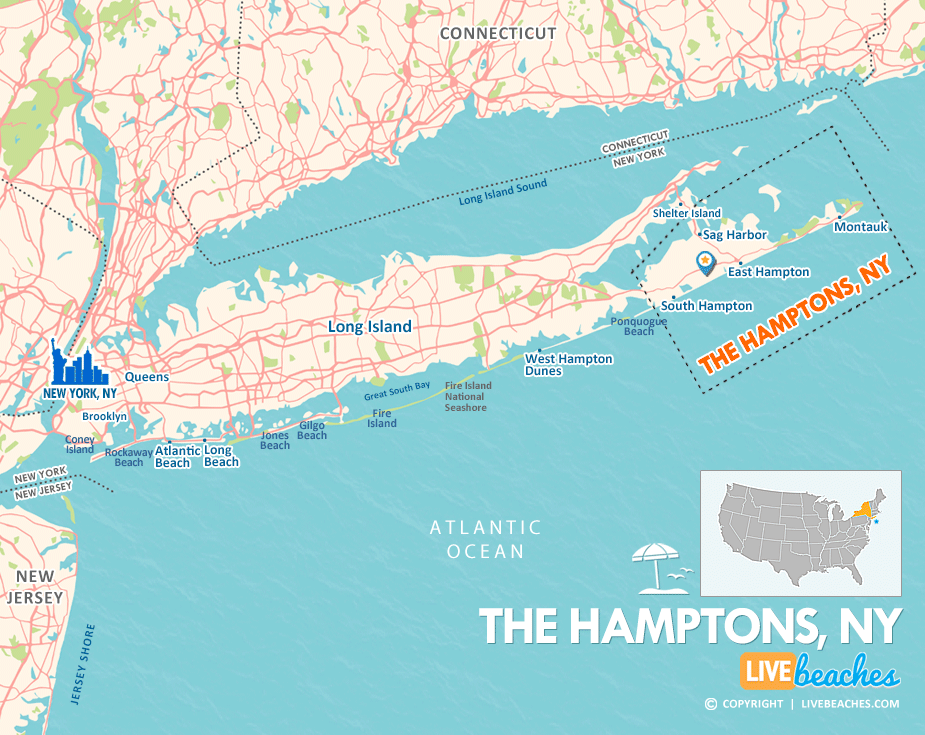
The Hamptons represent the pinnacle of coastal sophistication on the eastern end of Long Island, New York. For the uninitiated, pinning down exactly where this iconic destination lies can be confusing, as the name refers to a collection of villages, hamlets, and towns rather than a single municipality. Stretching across the South Fork of the island’s peninsula, the region is bordered by the vast Atlantic Ocean to the south and the Peconic Bay to the north.
Located approximately 80 to 100 miles east of New York City, the journey from the urban bustle of Manhattan to the serene shores of the East End marks a distinct shift in pace. Geographically, the area is split between two primary townships: the Town of Southampton and the Town of East Hampton. Understanding this geography is essential for any traveler looking to navigate the region’s distinct social and physical landscape.
Navigating the Geography of the South Fork
The Hamptons are essentially an extended corridor of coastal communities connected by Montauk Highway. This arterial road serves as the lifeline for the region, weaving through historic downtowns and expansive stretches of farmland.
From West to East: The Major Hamlets
As you drive eastward from the border of the Brookhaven township, the landscape opens into the rolling hills and maritime estates that define the area.
- Westhampton Beach: Acting as the western gateway, this village offers a quieter, family-oriented atmosphere compared to its neighbors.
- Southampton Village: As the oldest English settlement on the South Fork, this area boasts a quintessential “Main Street” experience, lined with high-end boutiques and historic architecture that reflects its 17th-century origins.
- Bridgehampton: Located centrally, it serves as a bridge between the agricultural history of the region and its modern status as a playground for the elite.
- East Hampton: Frequently cited as one of the most beautiful villages in America, it is characterized by its manicured greens, iconic windmills, and dense clusters of shingle-style architecture.
- Montauk: Known as “The End,” this is the easternmost point of the South Fork. Unlike the manicured lawns of the western hamlets, Montauk retains a rugged, bohemian charm, defined by its legendary surfing beaches and the historic Montauk Point Lighthouse.
Transportation and Accessibility
Reaching this destination is an experience in itself. While many visitors opt to drive via the Long Island Expressway, others prefer the convenience of the Long Island Rail Road, which provides a direct link from Penn Station to the Hamptons. For those prioritizing speed, seasonal seaplane services offer a swift, albeit exclusive, aerial arrival into the East Hampton Airport.
A Landscape of Natural Beauty and History
The allure of the Hamptons is inextricably linked to its unique natural setting. The peninsula is a product of glacial activity, which created the dramatic bluffs, sandy dunes, and kettle-hole ponds that define the terrain today.

The Coastal Environment
The southern edge of the Hamptons faces the Atlantic Ocean, providing some of the most spectacular beach access on the East Coast. Places like Cooper’s Beach in Southampton are consistently ranked among the best in the nation. To the north, the Peconic Bay and Gardiners Bay offer calmer waters, perfect for kayaking and sailing.
Preservation and Architecture
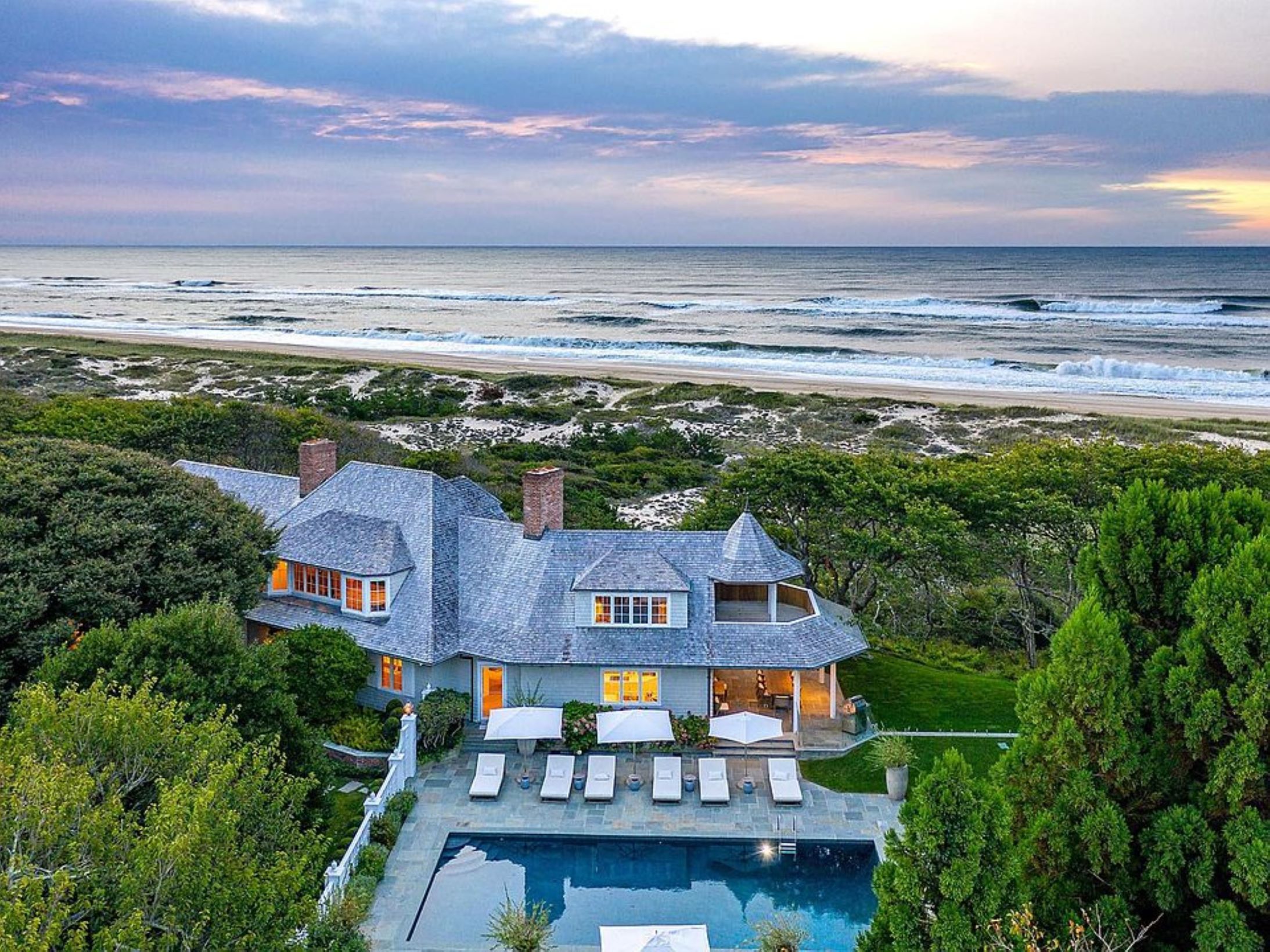
Despite the influx of modern luxury, the Hamptons have been remarkably successful in preserving their historical identity. The South Fork is dotted with colonial-era farmhouses, shingle-style cottages, and massive shingle mansions that pay homage to the “Summer Colony” architecture of the Gilded Age. Local initiatives such as the Peconic Land Trust ensure that the region’s agricultural roots remain intact, protecting thousands of acres of farmland from over-development.
Experiencing the Culture of the East End
Beyond its location, the Hamptons provide a sensory experience that distinguishes it from other coastal escapes. It is a region where high culture intersects with rural simplicity.
Culinary and Artistic Heritage
The culinary landscape of the Hamptons is built on the bounty of the Atlantic Ocean and the local North Fork and South Fork farms. Visitors can enjoy world-class dining that prioritizes farm-to-table practices. Furthermore, the region has long been a sanctuary for artists and writers. The legacy of the Abstract Expressionist movement is deeply rooted here, with iconic figures like Jackson Pollock having resided and worked in Springs. Visiting the Pollock-Krasner House and Study offers a glimpse into the creative soul of the region.
Seasonal Dynamics
It is important to note that the experience of the Hamptons changes drastically with the seasons.
- Summer: The peak season, characterized by bustling beaches, outdoor concerts, and high-energy social scenes.
- Off-Season: From late autumn through early spring, the region sheds its frantic pace. The quiet streets and empty beaches reveal a contemplative side of Long Island, attracting those who prefer cozy firesides and long, brisk walks along the shoreline.
Planning Your Arrival
When determining where exactly to stay, one must align their expectations with the personality of the specific hamlet. If you are seeking proximity to high-end shopping and fine dining, Southampton Village or East Hampton Village are the clear choices. For those interested in a more laid-back, surf-centric, or nature-focused stay, Montauk or Amagansett provide a more relaxed environment.
The distance between these communities is relatively short—often a 20-to-30-minute drive—but each carries a distinct social fabric. Understanding this geographic distinction allows visitors to tailor their experience effectively. Whether you are traveling from New Jersey or flying into John F. Kennedy International Airport, the journey to this corner of New York is a transition into a unique, enduring maritime culture.
Ultimately, the Hamptons are not just a point on a map; they are an destination defined by the juxtaposition of the wild Atlantic coastline and the meticulously crafted lives of those who inhabit its shores. By recognizing the specific geography of the South Fork, visitors can better appreciate the depth and variety that this iconic Long Island region offers throughout the year.
LifeOutOfTheBox is a participant in the Amazon Services LLC Associates Program, an affiliate advertising program designed to provide a means for sites to earn advertising fees by advertising and linking to Amazon.com. Amazon, the Amazon logo, AmazonSupply, and the AmazonSupply logo are trademarks of Amazon.com, Inc. or its affiliates. As an Amazon Associate we earn affiliate commissions from qualifying purchases.