
In simple terms, [Hawaii] is an archipelago nestled in the heart of the [Pacific Ocean], roughly 2,000 miles (3,200 km) southwest of the [Continental United States]. It stands as the most isolated population center on Earth, a testament to its unique geological origins and the incredible journey early [Polynesian] voyagers undertook to discover it. Politically, [Hawaii] is the 50th and most recent state to be admitted to the [United States] of [America], a fact that adds another layer of complexity to its identity as both an American state and a distinct [Pacific] island nation. Its remote location places it strategically within the [Pacific], equidistant, in some respects, from [North America] and [Asia], making it a crossroads of cultures and a truly unique destination.
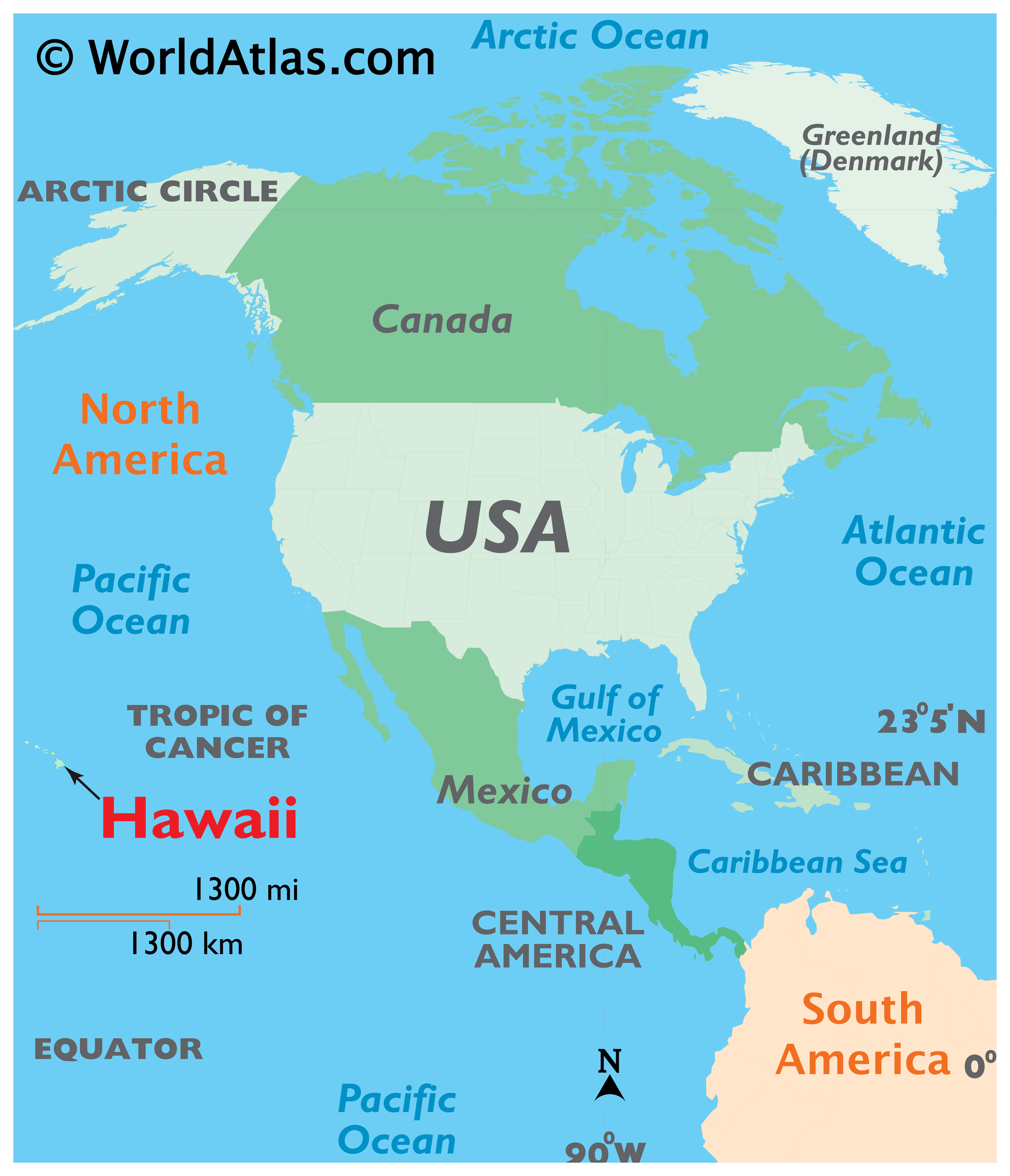
Unveiling Hawaii’s Unique Geographical Canvas
The story of [Hawaii]’s location is not just about coordinates on a map; it’s about the powerful forces of nature that sculpted these islands and the vibrant ecosystem that thrives upon them. Understanding its geography is key to appreciating its diverse landscapes and rich cultural heritage.
A Remote Paradise in the Pacific
At its core, [Hawaii] is a volcanic archipelago, born from a geological “hotspot” deep beneath the [Pacific Ocean] floor. Unlike most island chains formed at tectonic plate boundaries, [Hawaii]’s islands emerged as the [Pacific] plate slowly drifted over a stationary plume of magma. This process has been ongoing for millions of years, resulting in a string of islands that are progressively older and more eroded the further northwest you travel. The newest and largest island, [Hawaii Island] (often called the [Big Island]), is still actively forming, with volcanoes like [Kilauea] continuously adding new land.
The state encompasses nearly the entire [Hawaiian] archipelago, a chain of islands stretching over 1,500 miles (2,400 km). However, the eight main islands, from southeast to northwest, are the ones most commonly referenced and populated: [Hawaii Island], [Maui], [Kahoolawe], [Lanai], [Molokai], [Oahu], [Kauai], and [Niihau]. Each island offers a distinct character and array of experiences, influenced by its age, topography, and microclimates. This unique geological history and extreme isolation have fostered an incredible level of endemism, with a vast array of plant and animal species found nowhere else on Earth. The strategic location also made it a crucial point for trans-Pacific travel and trade historically, and later, for military significance, exemplified by [Pearl Harbor]’s role in shaping global events.
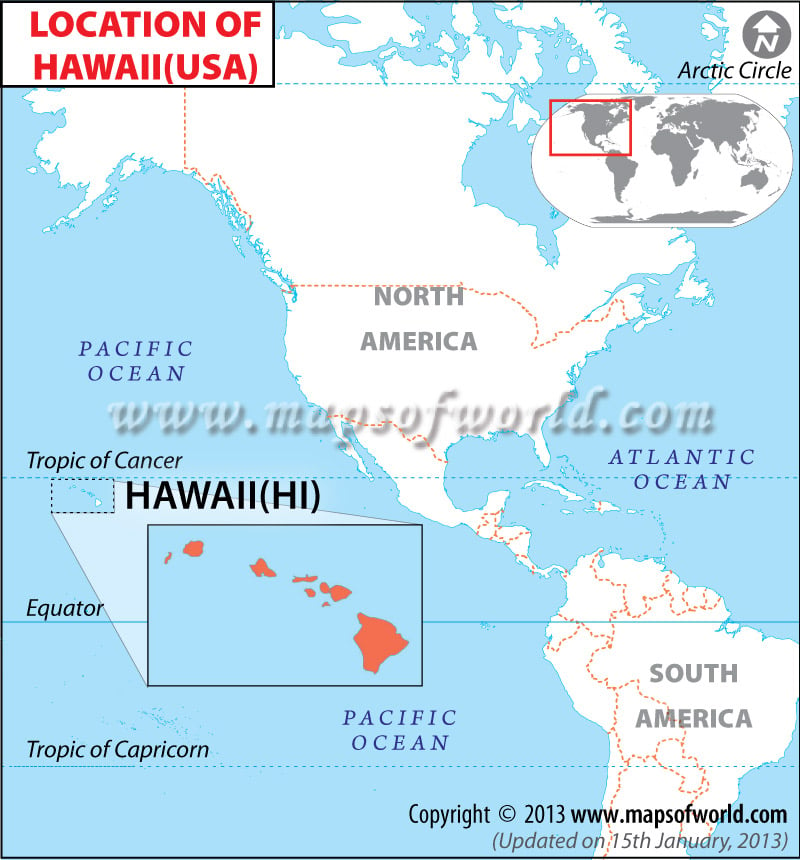
The Major Islands: An Archipelago of Diversity
While all the islands share the common thread of the [Aloha spirit] and breathtaking natural beauty, they each possess a unique charm and appeal, catering to different travel preferences.
- [Hawaii Island] (The [Big Island]): As its name suggests, it’s the largest of the islands and still growing thanks to active volcanoes within [Hawaii Volcanoes National Park]. It’s a land of incredible contrasts, featuring black sand beaches, snow-capped peaks like [Mauna Kea], lush rainforests, and barren lava fields. Visitors come here to witness the raw power of creation, explore diverse ecosystems, and enjoy world-class [Kona Coffee].
- [Maui]: Known as the “Valley Isle,” [Maui] is renowned for its stunning beaches, luxurious [resorts], and the scenic [Road to Hana]. It offers a perfect blend of adventure and relaxation, with opportunities for surfing, snorkeling, whale watching, and exploring charming towns. [Ka’anapali] and [Wailea] are popular resort areas offering exceptional [hotels] and [villas].
- [Oahu]: Home to the state capital, [Honolulu], and the iconic [Waikiki Beach], [Oahu] is the most populous island and a hub of culture, history, and urban excitement. Here, you can delve into history at [Pearl Harbor], hike to the summit of [Diamond Head] for panoramic views, catch waves on the North Shore, or indulge in the vibrant nightlife and diverse cuisine of [Honolulu]. [Oahu] serves as the primary gateway to the islands, with Daniel K. Inouye International Airport being the main entry point.
- [Kauai]: The “Garden Isle” is characterized by its dramatic, verdant landscapes, deep canyons, and towering cliffs. The [Na Pali Coast] is a world-famous natural wonder, accessible by boat, helicopter, or strenuous hiking trails. [Waimea Canyon], often called the “Grand Canyon of the [Pacific],” and [Wailua Falls] are other highlights. [Kauai] appeals to nature lovers and adventure seekers looking for unparalleled scenic beauty.
- [Molokai]: Known as the “Friendly Isle,” [Molokai] remains largely unspoiled by large-scale tourism. It offers a glimpse into traditional [Hawaii], with a focus on local culture, natural beauty, and a slower pace of life.
- [Lanai]: The “Pineapple Isle” has transitioned from an island dominated by pineapple plantations to a luxury retreat, primarily featuring high-end [resorts] and golf courses. It’s a haven for those seeking exclusivity and tranquility.
- [Niihau] and [Kahoolawe]: These islands are generally inaccessible to the public. [Niihau] is privately owned and preserves traditional [Hawaiian] culture, while [Kahoolawe] is an uninhabited island used as a sacred site for native [Hawaiian] cultural practices after previously being used for military training.
Planning Your Hawaiian Journey: Travel & Accommodation
With a clear understanding of [Hawaii]’s location and its diverse islands, the next step is to plan your journey. Given its remote position, careful consideration of travel logistics and accommodation is essential for a seamless and enjoyable experience.
Getting There: Gateways to Paradise
Traveling to [Hawaii] is an adventure in itself, typically involving a long-haul flight across the [Pacific Ocean]. Most international and mainland [United States] flights arrive at one of the state’s major airports:
- [Daniel K. Inouye International Airport] ([Honolulu], [Oahu]): This is the primary gateway to [Hawaii] and one of the busiest airports in the [United States]. Most travelers flying from the mainland or international destinations will land here first before taking inter-island flights to their final destination.
- Kahului Airport: Serving the island of [Maui], Kahului Airport also receives direct flights from many cities in the [Continental United States], especially popular for those heading straight to [Maui]’s renowned beaches and [resorts].
- [Kona International Airport] ([Hawaii Island]): Located on the sunny [Kona] side of [Hawaii Island], Kona International Airport provides direct access to the [Big Island]’s western shores, ideal for visitors interested in volcanoes, coffee farms, and ocean activities.
- Lihue Airport: Lihue Airport is the main airport for [Kauai], also offering direct flights from several [U.S.] cities.
Airlines like Hawaiian Airlines, Alaska Airlines, [United Airlines], Delta Air Lines, and American Airlines offer frequent service to [Hawaii]. Booking in advance is highly recommended, especially during peak seasons like winter holidays and summer, to secure better fares and preferred flight times. The journey itself, typically 5-6 hours from the West Coast of the [United States] and 9-11 hours from the East Coast, is a significant part of the travel experience, often offering stunning aerial views as you approach the islands.
Choosing Your Stay: From Luxury Resorts to Budget-Friendly Apartments
[Hawaii]’s diverse accommodation options cater to every traveler’s preference and budget, whether you’re dreaming of a lavish honeymoon, an adventurous family vacation, or a tranquil long-term escape.- Luxury [Resorts] and [Hotels]: On islands like [Maui], [Oahu], and [Kauai], you’ll find world-class [resorts] offering unparalleled amenities. Imagine waking up at the [Four Seasons Resort Maui at Wailea] or the [Grand Hyatt Kauai Resort & Spa], complete with infinity pools, spas, gourmet dining, and direct beach access. These establishments often provide curated experiences, from private [Luau] performances to guided excursions, ensuring a truly indulgent stay. [The Ritz-Carlton Kapalua] on [Maui] also stands out as a beacon of luxury.
- Boutique [Hotels] and Guesthouses: For a more intimate experience, many islands feature charming boutique [hotels] and guesthouses that reflect the local culture and offer personalized service. These can be found in bustling areas like [Waikiki] or secluded spots off the beaten path.
- Vacation [Rentals] ([Villas], [Apartments], Condos): For families, groups, or those planning an extended stay, vacation [rentals] offer space, privacy, and often self-catering facilities. Options range from beachfront [villas] to cozy [apartments] in residential areas, allowing visitors to experience [Hawaii] like a local. Popular areas for [vacation rentals] include [Ka’anapali] in [Maui] and [Poipu] in [Kauai].
- Budget-Friendly Options: While [Hawaii] can be perceived as an expensive destination, budget-conscious travelers can find hostels, smaller local [hotels], and camping options in designated areas, particularly on [Hawaii Island] and [Oahu]. Staying in [apartments] with kitchenettes can also significantly cut down on dining costs.
When choosing accommodation, consider your priorities: proximity to attractions, type of experience desired (quiet relaxation vs. vibrant nightlife), and specific amenities (pool, kitchen, spa). Many online booking platforms and specialized travel agents can help compare options and secure the best deals, sometimes even for long-term stays.
Embracing the Spirit of Aloha: Culture, Activities & Landmarks
Beyond its stunning geography and comfortable accommodations, [Hawaii]’s true magic lies in its vibrant culture, diverse activities, and iconic landmarks, all infused with the unique [Aloha spirit].
Immersing in Hawaiian Culture and Cuisine
[Hawaii]’s culture is a captivating blend of ancient [Polynesian] traditions, influences from Asian immigrants, and a touch of American modernity. The [Aloha spirit] is not just a greeting but a way of life, embodying respect, compassion, and generosity.- Cultural Experiences: Visitors can immerse themselves by attending a traditional [Luau], witnessing a sacred [Hula] performance, visiting historical sites, or exploring cultural centers that share the stories of the native [Hawaiian] people. Learning a few basic [Hawaiian] phrases, such as “Mahalo” (thank you) and “Aloha,” can also enhance your experience and show respect.
- Culinary Delights: [Hawaiian] cuisine is a delicious fusion that reflects its diverse heritage. Must-try dishes include fresh [poke] (diced raw fish), [lau lau] (pork or fish wrapped in taro leaves and steamed), and kalua pig cooked in an imu (underground oven). And, of course, no trip to [Hawaii] is complete without sampling a refreshing [shave ice] or enjoying a cup of locally grown [Kona Coffee]. Farm tours on [Hawaii Island] offer insights into coffee cultivation and tasting experiences.
Responsible tourism is paramount in [Hawaii]. Travelers are encouraged to respect local customs, protect the natural environment, and support local businesses to help preserve the islands’ unique character for future generations.
Iconic Landmarks and Unforgettable Experiences
[Hawaii]’s islands are dotted with natural wonders and historical sites that offer unforgettable experiences. From ancient volcanic peaks to pristine beaches and significant historical monuments, there’s something for every interest.- Historical Significance: [Pearl Harbor] on [Oahu] is a solemn and profound landmark, commemorating the pivotal events of World War II. Visitors can explore the USS Arizona Memorial, the Battleship Missouri, and the Pearl Harbor Aviation Museum, gaining deep insights into American history.
- Natural Wonders:
- [Hawaii Volcanoes National Park] ([Hawaii Island]): A UNESCO World Heritage Site, this park offers a rare opportunity to witness active volcanic activity, explore lava tubes, and hike across solidified lava flows. It’s a place where you can truly feel the pulse of the Earth.
- Diamond Head: This iconic volcanic tuff cone offers a challenging but rewarding hike to its summit, providing breathtaking panoramic views of [Waikiki] and the [Honolulu] coastline.
- Na Pali Coast: With its towering emerald cliffs, cascading waterfalls, and secluded beaches, the [Na Pali Coast] is an awe-inspiring natural masterpiece best experienced via helicopter tour, catamaran cruise, or a permit-only hike along the Kalalau Trail.
- Road to Hana: A winding coastal highway, the [Road to Hana] is a journey through dense rainforests, past spectacular waterfalls, and along black sand beaches. It’s an adventure filled with scenic stops and natural pools.
- Waimea Canyon: Often dubbed the “Grand Canyon of the [Pacific],” this vast, colorful canyon is a geological marvel offering numerous viewpoints and hiking opportunities.
- Beaches and Ocean Activities: [Hawaii] boasts some of the world’s most beautiful beaches, each with its own character. [Lanikai Beach] on [Oahu] is famous for its calm turquoise waters, while [Waimea Bay] is a legendary surf spot. [Ka’anapali Beach] on [Maui] offers a perfect blend of swimming and watersports. Beyond lounging, activities like surfing, snorkeling, scuba diving, stand-up paddleboarding, and whale watching (seasonal, typically November to May) are immensely popular, allowing visitors to connect with the incredible marine life.
Lifestyle Choices: Tailoring Your Hawaiian Adventure
[Hawaii]’s appeal lies in its versatility, offering a spectrum of experiences to suit every travel lifestyle, from lavish escapes to adventurous expeditions and cherished family vacations.Catering to Every Traveler’s Dream
Whether you’re a high-roller, a backpacker, or somewhere in between, [Hawaii] has the infrastructure and natural beauty to fulfill your travel aspirations.
- Luxury Travel: For those seeking opulence, [Hawaii] delivers. Exclusive [villas] and suites at five-star [resorts] like the [Four Seasons Resort Maui at Wailea] or the [Ritz-Carlton Kapalua] offer unparalleled service, private pools, and bespoke experiences. Think private yacht charters, helicopter tours over active volcanoes, gourmet dining with ocean views, and personalized spa treatments. [Lanai], in particular, has carved out a niche for ultra-luxury travel.
- Budget Travel: [Hawaii] can be surprisingly accessible for budget-conscious travelers. Opting for hostels or guesthouses, utilizing local food trucks and farmers’ markets instead of high-end restaurants, and focusing on free activities like hiking scenic trails (e.g., [Diamond Head] on [Oahu] or numerous trails in [Hawaii Volcanoes National Park]), swimming at public beaches, and snorkeling in accessible coves can significantly reduce costs. Booking [apartments] with kitchenettes allows for self-catering, further saving on expenses.
- Family Trips: [Hawaii] is an ideal destination for families, offering a safe and engaging environment for all ages. Many [resorts] provide kid-friendly pools, supervised children’s programs, and spacious family suites. Activities range from calm beach days suitable for toddlers, snorkeling in protected coves, visiting interactive museums, exploring wildlife sanctuaries, or taking surf lessons suitable for beginners. Educational experiences at places like [Pearl Harbor] or the Polynesian Cultural Center on [Oahu] combine fun with learning.
- Romantic Getaways and Honeymoons: With its breathtaking sunsets, secluded beaches, and luxurious accommodations, [Hawaii] is a top choice for honeymoons and romantic escapes. Couples can enjoy sunset cruises, couple’s massages, private dinners on the beach, and leisurely days exploring picturesque towns or simply relaxing by the ocean. Islands like [Maui] and [Kauai] are particularly popular for their romantic ambiance.
- Adventure Seekers: The islands are a playground for adventurers. Opportunities abound for world-class surfing (especially on [Oahu]’s North Shore), scuba diving and snorkeling among vibrant coral reefs, challenging hikes through diverse terrains from volcanic craters to lush valleys, ziplining through rainforests, and kayaking along stunning coastlines like the [Na Pali Coast].
- Business Stays and MICE (Meetings, Incentives, Conferences, Exhibitions): [Hawaii]’s appeal extends to the corporate world, with numerous [resorts] and conference centers equipped to host business events. The unique blend of professional facilities and an inspiring natural environment makes it an attractive location for corporate retreats and international conferences.
In conclusion, [Hawaii]’s location in the vast [Pacific Ocean] makes it a true gem—a remote yet accessible paradise that offers a kaleidoscope of experiences. Its unique geology, diverse islands, rich culture, and endless array of activities cater to every type of traveler. Whether you’re seeking adventure, relaxation, cultural immersion, or simply a stunning escape, [Hawaii] welcomes you with its unparalleled beauty and the enduring spirit of [Aloha]. Plan your visit to this extraordinary place, and discover why the journey to [Hawaii] is always worth taking.
LifeOutOfTheBox is a participant in the Amazon Services LLC Associates Program, an affiliate advertising program designed to provide a means for sites to earn advertising fees by advertising and linking to Amazon.com. Amazon, the Amazon logo, AmazonSupply, and the AmazonSupply logo are trademarks of Amazon.com, Inc. or its affiliates. As an Amazon Associate we earn affiliate commissions from qualifying purchases.