
The High Line in New York City is not merely a park; it’s a testament to urban transformation, a linear oasis carved from abandoned infrastructure. Its unique location, suspended above the bustling streets of Manhattan, offers an unparalleled perspective on the city’s vibrant energy and architectural grandeur. Understanding where to find this elevated sanctuary is the first step to experiencing one of New York‘s most celebrated public spaces.
Locating The High Line
The High Line is an elevated linear park built on a former freight rail line. Its path runs through the heart of the West Side of Manhattan, stretching from Gansevoort Street in the Meatpacking District to 34th Street, just west of 10th Avenue. This approximately 1.45-mile-long greenway is a unique blend of nature, art, and innovative urban design, offering a serene escape from the urban clamor below.

Southern Terminus: The Meatpacking District
The most commonly accessed southern entrance to the High Line is at Gansevoort Street in the Meatpacking District. This vibrant neighborhood, historically known for its wholesale meat markets and leather tanneries, has undergone a remarkable renaissance. Today, it is a fashionable hub for luxury retail, cutting-edge restaurants, and a lively nightlife. The entrance at Gansevoort Street is often marked by an iconic steel structure, signaling the beginning of the elevated promenade. From here, visitors can ascend via a series of staircases and elevators, immediately immersing themselves in the park’s curated landscape.
Midpoint Access: Chelsea and Beyond
As the High Line journeys north, it passes through the historic district of Chelsea. This section of the park offers numerous access points, catering to the needs of both local residents and tourists exploring the area. Notable access points include:
- 14th Street: A prominent access point featuring a striking spiral staircase that provides a dramatic entrance to the elevated pathway.
- 16th Street: This access point offers an elevator, making the park fully accessible to individuals with mobility challenges.
- 18th Street: Another convenient access point for those exploring the galleries and shops of Chelsea.
- 20th Street: This access point provides another option for entering the park.
- 23rd Street: Home to the popular Chelsea Market, this access point is a hub of activity, connecting the park directly to a renowned food hall and shopping complex. The transition from the vibrant interior of Chelsea Market to the open-air expanse of the High Line is a seamless and enjoyable experience.
Northern Terminus: Hudson Yards
The northern end of the High Line terminates at 34th Street, adjacent to the ambitious Hudson Yards development. This modern marvel of architecture and urban planning stands in stark contrast to the historic nature of the rail line that inspired the park. The 34th Street access point offers direct connections to the Hudson Yards platform, as well as the Shops at Hudson Yards and the iconic Vessel. From this vantage point, visitors can enjoy panoramic views of the Hudson River and the New Jersey skyline.
Navigating The Park: A Journey Through Sections
The High Line is often described as being divided into three distinct sections, each with its own unique character and design. These sections reflect the different eras of the rail line’s history and the diverse neighborhoods it traverses.
Section 1: Gansevoort Street to 20th Street (The Meatpacking District & Chelsea)
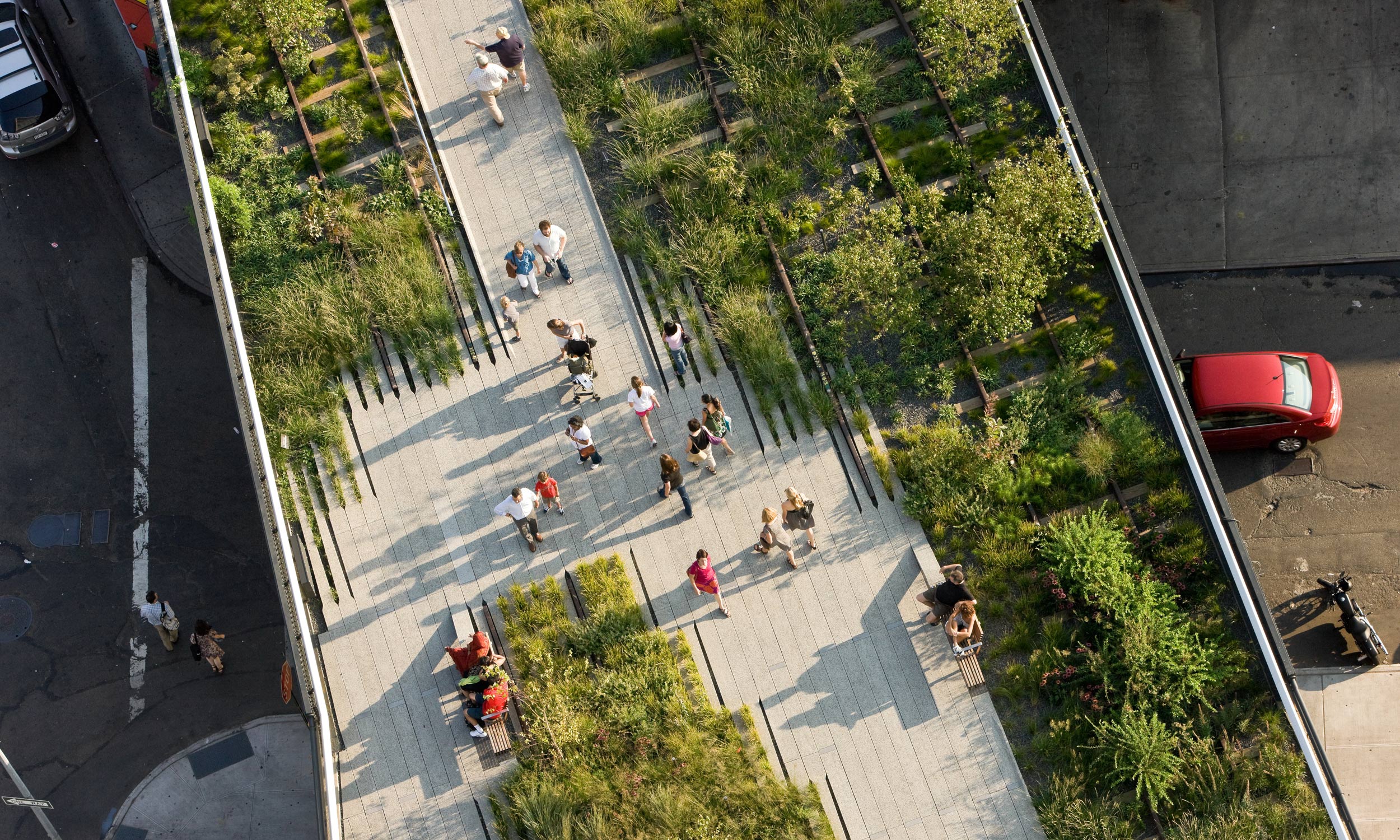
This southern section of the High Line was the first to be opened to the public in 2009. It winds through the Meatpacking District and into Chelsea. This part of the park is characterized by its dense plantings, featuring a mix of wildflowers, grasses, and shrubs that evoke the overgrown, wild aesthetic of the abandoned rail line. Designers sought to preserve and highlight the industrial remnants of the old railway, with exposed concrete, steel beams, and original railway ties integrated into the landscape design. Art installations are also a prominent feature in this section, adding another layer of engagement for visitors. The views here offer glimpses into charming residential streets and the unique architecture of the surrounding buildings.
Section 2: 20th Street to 30th Street (Chelsea)
Opened in 2011, the second section extends the High Line further north through the heart of Chelsea. This segment offers a slightly different feel, with wider pathways and more open vistas. It is here that visitors can find the popular Chelsea Market access point, a bustling nexus of culinary delights and artisanal shops. The landscaping continues to be a highlight, with carefully curated plantings that change with the seasons, providing a dynamic and evolving visual experience. This section also features more seating areas and resting spots, encouraging visitors to linger and enjoy the elevated tranquility. The architectural backdrop shifts to reveal more of Chelsea’s loft-style buildings and art galleries.
Section 3: 30th Street to 34th Street (Hudson Yards)
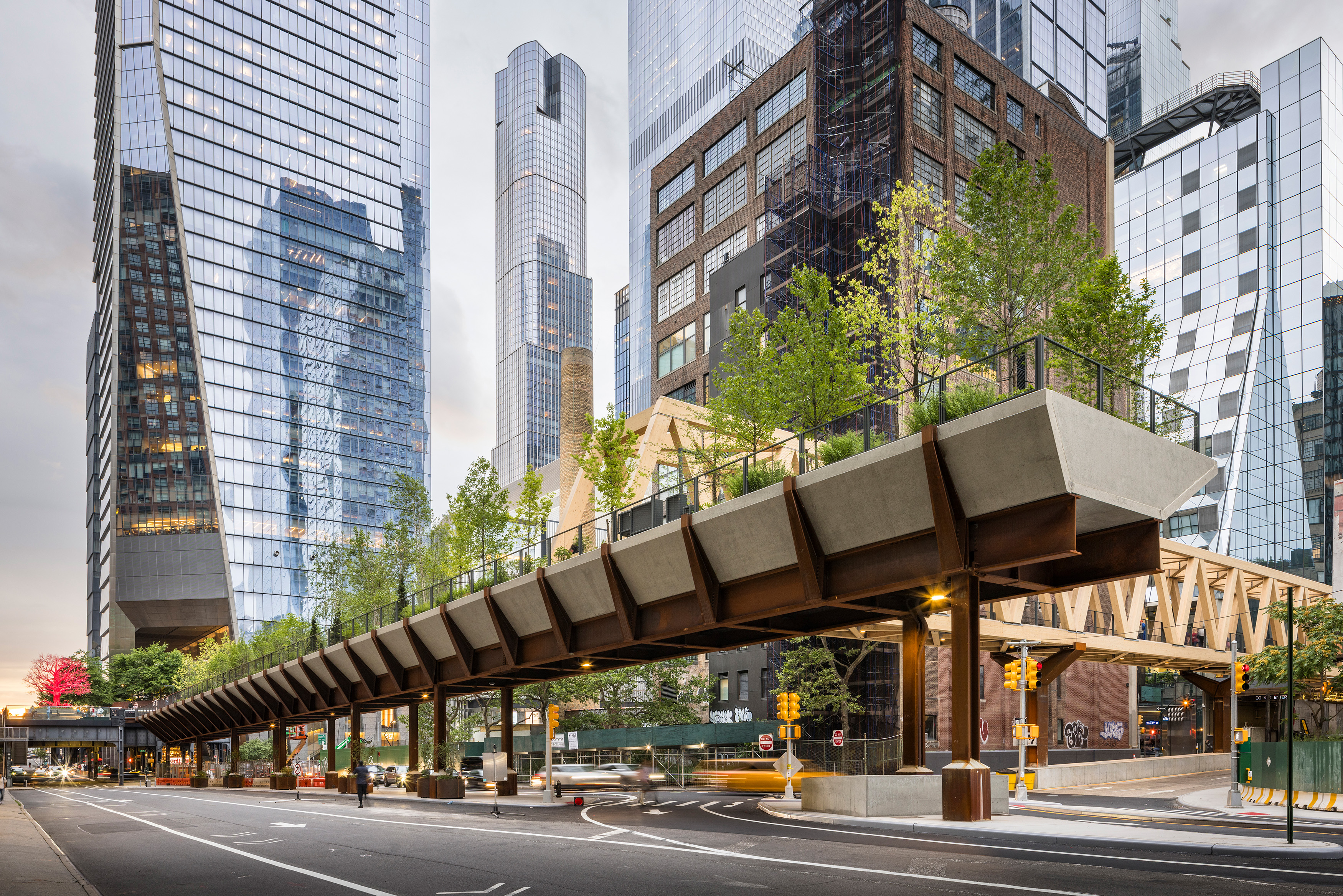
The final and most recent section of the High Line, which opened in 2014, bridges the gap to Hudson Yards. This section is a dramatic contrast to the older parts of the park. It features a more modern and minimalist design, with sleek pathways and expansive open spaces. The landscaping here is designed to be more structured, yet still incorporating elements of natural beauty. This section provides breathtaking views of the new development of Hudson Yards, including its impressive skyscrapers and the unique public art, such as The Vessel. The elevated perspective from this section allows visitors to appreciate the scale and ambition of this redeveloped area of New York City.
Experiencing The High Line: Beyond Its Location
Knowing where the High Line is located is just the beginning. The true value of this attraction lies in the diverse experiences it offers. Whether you’re a seasoned urban explorer or a first-time visitor to New York, the High Line provides a unique and memorable way to engage with the city.
A Canvas for Art and Culture
Throughout its length, the High Line serves as an unconventional gallery space, showcasing a rotating collection of public art installations. From sculptures and murals to site-specific interventions, these artworks engage with the park’s environment and its history. The park also hosts various cultural events, performances, and educational programs, making it a dynamic hub for artistic expression and community engagement.
Green Oasis in the Concrete Jungle
Despite its urban setting, the High Line is a meticulously designed botanical landscape. Plantings are chosen to reflect the natural succession that would occur on an abandoned railway, featuring hardy perennials, grasses, and trees that provide seasonal interest and habitat for urban wildlife. Visitors can find respite from the city’s heat in shaded seating areas, enjoy the changing colors of the foliage, and observe the diverse array of plant life that thrives in this elevated setting.
Architectural Marvels and Urban Vistas
The High Line offers a unique architectural perspective, as it threads through and above the buildings of Manhattan’s West Side. From its elevated vantage point, visitors can admire the juxtaposition of historic industrial buildings with sleek, modern skyscrapers. The panoramic views stretch from the Hudson River to the iconic skyline of Midtown, providing unparalleled photo opportunities and a fresh appreciation for the city’s urban fabric.
Culinary Delights and Shopping Adventures
The proximity of the High Line to vibrant commercial areas like the Meatpacking District and Chelsea Market means that culinary and shopping experiences are just steps away. Visitors can easily incorporate a visit to the park with a meal at one of the many acclaimed restaurants in the area or browse the unique shops and boutiques that line the surrounding streets. This integration of green space with urban amenities is a hallmark of the High Line’s success.
In conclusion, the High Line is strategically located along Manhattan’s West Side, offering accessible entry points from the Meatpacking District, through Chelsea, and culminating at Hudson Yards. Its presence transforms disused industrial infrastructure into a thriving public space, inviting New Yorkers and visitors alike to discover its unique blend of nature, art, and architecture.
LifeOutOfTheBox is a participant in the Amazon Services LLC Associates Program, an affiliate advertising program designed to provide a means for sites to earn advertising fees by advertising and linking to Amazon.com. Amazon, the Amazon logo, AmazonSupply, and the AmazonSupply logo are trademarks of Amazon.com, Inc. or its affiliates. As an Amazon Associate we earn affiliate commissions from qualifying purchases.