
The iconic horror film “The Shining,” directed by Stanley Kubrick and starring Jack Nicholson, has captivated audiences for decades, embedding itself into the fabric of popular culture. One of its most enduring mysteries, and a frequent topic among both film buffs and travel enthusiasts, revolves around the chilling grandeur of the Overlook Hotel. Many wonder: does the terrifying hotel from the film truly exist, and if so, where can one find it? The answer, like the film itself, is multifaceted, weaving together literary inspiration, cinematic artistry, and real-world landmarks that have become destinations in their own right. This article delves into the fascinating origins and locations behind the Overlook Hotel, offering a comprehensive guide for those eager to explore the real places that contributed to The Shining’s legendary status.

The Tangled Tale of Inspiration and Filming Locations
The quest to locate “the hotel from The Shining” immediately leads to a crucial distinction: the hotel that inspired Stephen King’s novel is not the same as the primary locations used for Stanley Kubrick’s film adaptation. This dual identity has often caused confusion, but understanding both aspects is key to appreciating the legend of the Overlook Hotel.
The Birth of a Nightmare: Stephen King’s Inspiration
The true genesis of The Shining can be traced back to a specific, eerie night in 1974 when author Stephen King and his wife, Tabitha, stayed at the historic Stanley Hotel in Estes Park, Colorado. They were the only guests in the sprawling 142-room hotel on the night before it closed for the winter season. The isolation, the vast empty corridors, and the grand, old-world architecture deeply impressed King. While exploring the hotel, he learned about its history and its reputation for paranormal activity, particularly in Room 217. That night, King famously dreamt of his three-year-old son being chased through the hotel’s long hallways by a fire hose, screaming. He woke up in a sweat, lit a cigarette, and by the time it burned out, the basic plot for The Shining had formed in his mind.
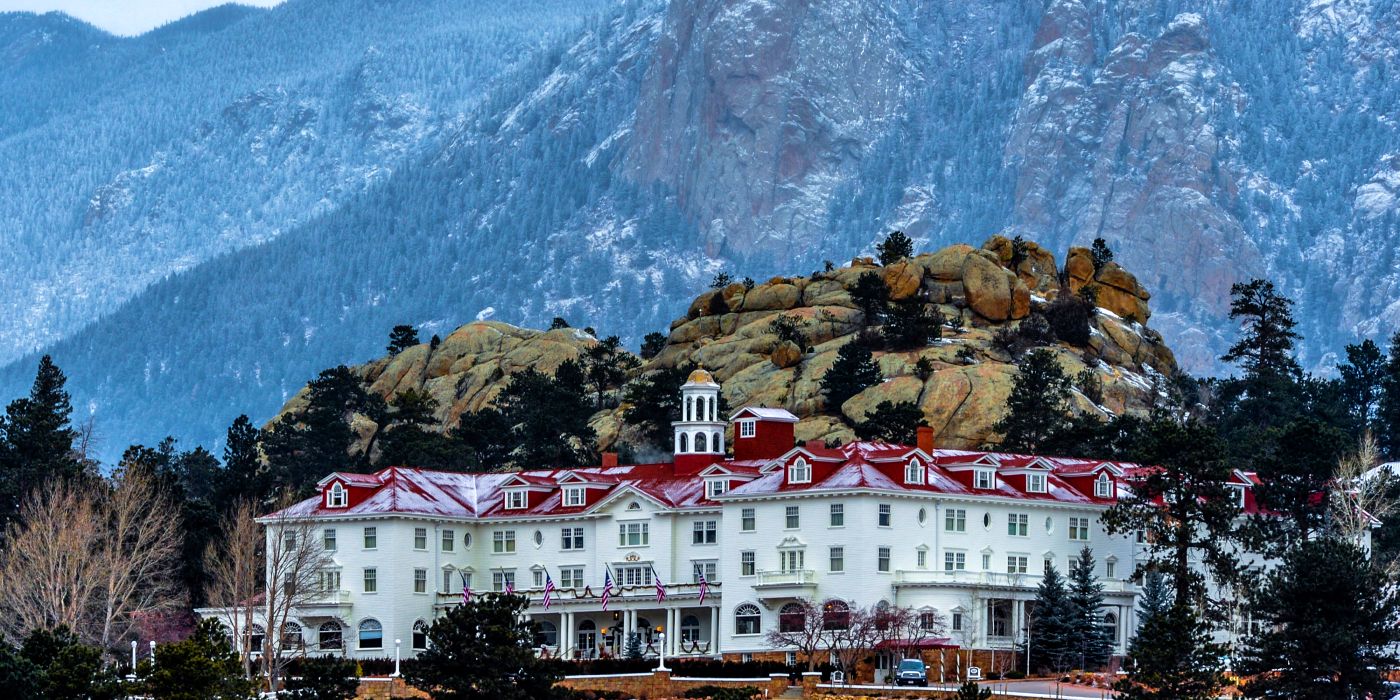
The Stanley Hotel, with its majestic setting against the backdrop of the Rocky Mountains, its opulent yet slightly faded charm, and its tales of resident ghosts, provided the perfect blueprint for the terrifying Overlook Hotel that would haunt generations of readers. For Stephen King, this was the undisputed source of his inspiration.
Kubrick’s Vision: Filming the Iconic Overlook Hotel
When Stanley Kubrick set out to adapt King’s novel to the screen, he sought to create a visually distinct and unsettling environment that transcended a single real-world location. While the spirit of The Stanley Hotel might have permeated the novel, Kubrick chose a different path for the film’s aesthetics.
The exterior shots of the Overlook Hotel, particularly the imposing front façade and the breathtaking aerial views of the hotel nestled in a snowy landscape, were filmed at the Timberline Lodge. This grand mountain lodge is situated on the south side of Mount Hood in Oregon. Kubrick specifically requested that the famous Room 217 (from King’s novel) be changed to Room 237 in the film because the Timberline Lodge actually has a Room 217, and management was concerned that guests would be reluctant to stay there after the movie’s release. This change has become a curious footnote in film history.
For the interiors of the Overlook Hotel, Kubrick elected to build elaborate sets at Elstree Studios in England. These sets were meticulously designed, drawing inspiration from various real hotels to create a sense of sprawling, unsettling grandeur that felt both familiar and deeply uncanny. One of the most prominent influences for the interior design, particularly the lobby, the main staircase, and the infamous Colorado Lounge, was the Ahwahnee Hotel (now officially known as The Majestic Yosemite Hotel) located within Yosemite National Park, California. Kubrick’s attention to detail in replicating and distorting elements of these luxury accommodations created a truly unique cinematic space that remains iconic.
The Stanley Hotel: Where the Nightmare Began
For purists seeking the “real” Overlook Hotel as imagined by Stephen King, the journey must lead to The Stanley Hotel in Estes Park, Colorado.
A Grand Hotel with a Spooky Past
Opened in 1909 by Freelan Oscar Stanley (inventor of the Stanley Steamer), The Stanley Hotel was envisioned as a luxurious resort catering to the elite, offering respite from the summer heat and tuberculosis. Perched majestically at the edge of Rocky Mountain National Park with panoramic views of the Front Range, its stately Georgian architecture and pristine white facade stand in stark contrast to the rugged wilderness. The hotel boasts a rich history, reflecting the golden age of American tourism and grand hotels. It was one of the first hotels in Colorado to offer electricity and telephones, truly a marvel of its time.
Beyond its historical significance, The Stanley Hotel is legendary for its paranormal activity. Staff and guests have reported numerous inexplicable occurrences over the decades: objects moving on their own, lights flickering, disembodied voices, and ghostly apparitions. The concert hall, the billiards room, and certain guest rooms (most famously Room 217, the one Stephen King stayed in, and Room 401) are considered hotspots for supernatural encounters. The original owners, Freelan and Flora Stanley, are said to still roam the premises, particularly Flora, whose piano playing can sometimes be heard in the music room. This reputation for being one of America’s most haunted hotels has only grown stronger thanks to its association with The Shining.
Experiences for the Paranormally Inclined
Today, The Stanley Hotel fully embraces its haunted heritage and its connection to Stephen King. It offers a range of tours and experiences specifically designed for visitors fascinated by the paranormal and the film. The popular Night Ghost Tour guides guests through the hotel’s most active areas, sharing spooky stories and historical anecdotes. There’s also a daily historical tour that delves into the hotel’s architecture and illustrious past. For the truly dedicated, the hotel hosts ghost hunts and provides ghost-hunting equipment rentals.
The Stanley Hotel experience is a unique blend of luxury accommodation, historical immersion, and thrilling ghostly encounters. Guests can stay in beautifully appointed rooms, including those reputed to be haunted. The hotel even plays Kubrick’s film “The Shining” on a continuous loop on one of its TV channels, ensuring that its literary and cinematic legacy is ever-present. For fans of Stephen King and the supernatural, a stay at The Stanley Hotel is an essential item on any travel bucket list.
Timberline Lodge: The Cinematic Face of the Overlook
While The Stanley Hotel is the novel’s inspiration, the most recognizable exterior of the Overlook Hotel from Kubrick’s film belongs to Timberline Lodge in Oregon.
An Architectural Marvel in the Oregon Wilderness
Timberline Lodge is a magnificent example of rustic architecture and a testament to American craftsmanship. It was constructed between 1936 and 1938 as a Works Progress Administration project during the Great Depression, with skilled artisans from the Civilian Conservation Corps using local timber and stone. Designated a National Historic Landmark in 1977, the lodge stands at nearly 6,000 feet (1,829 meters) elevation on the slopes of the active stratovolcano Mount Hood. Its grand scale, robust construction, and stunning location made it an ideal choice for the exterior shots of the isolated Overlook Hotel.

The lodge’s interior is equally impressive, featuring massive hand-hewn timbers, intricate carvings, and towering stone fireplaces. Each detail reflects the artistry and labor that went into its creation. While Kubrick only used the exterior for the film, walking through the lodge’s expansive halls and common areas, one can easily imagine the terrifying scenarios unfolding within. The atmosphere is grand and cozy yet carries a subtle weight of history, perfect for an unsettling narrative.
Beyond The Shining: A Premier Mountain Resort
Timberline Lodge is much more than just a filming location; it is a fully functioning, year-round mountain resort. It is renowned for offering the longest ski season in North America, with skiing and snowboarding often available well into summer on its upper slopes. This makes it a prime destination for winter sports enthusiasts and professional athletes training off-season.
During the warmer months, the lodge serves as a basecamp for hikers and climbers exploring the trails and summit of Mount Hood and the surrounding Mount Hood National Forest. Guests can enjoy scenic chairlift rides, guided nature walks, and breathtaking views of the Cascades and beyond. The lodge also features several dining options, from casual cafes to fine dining restaurants, all offering incredible vistas.
For travelers, a stay at Timberline Lodge offers a unique blend of historical immersion, outdoor adventure, and cinematic nostalgia. Guests can choose from a variety of rooms and suites, many featuring original furnishings and architectural details. While the lodge does not promote paranormal tours like The Stanley Hotel, its imposing presence and isolated mountain setting still evoke a sense of grandeur and a touch of the mysterious that made it perfect for The Shining. Its enduring popularity speaks to its exceptional status as both a landmark and a world-class destination in the Pacific Northwest.
The Elusive Interiors: A Studio Masterpiece
While The Stanley Hotel and Timberline Lodge represent the inspiration and exterior facade, the truly unsettling and labyrinthine interiors of the Overlook Hotel were a triumph of set design, primarily constructed within Elstree Studios in England.
The Ahwahnee Hotel and Other Design Influences
Stanley Kubrick’s vision for the Overlook’s interiors was a deliberate blend of grand American hotel aesthetics, imbued with subtle yet disturbing geometric patterns and impossible layouts. A significant source of inspiration was the majestic Ahwahnee Hotel (now The Majestic Yosemite Hotel) in Yosemite National Park, California. Opened in 1927, the Ahwahnee is renowned for its impressive architecture, blending elements of Art Deco, Native American design, and a grand lodge style, all in harmony with its stunning natural surroundings. The hotel’s enormous public spaces, particularly its opulent main lounge with towering ceilings, massive fireplaces, and grand windows, directly influenced the design of the Overlook’s Colorado Lounge. The distinctive elevators, the elegant dining room, and even the patterns on the carpets (most notably the hexagonal pattern that appears in the hallway where Danny Torrance rides his tricycle) were inspired by various real hotels and then subtly altered or exaggerated by Kubrick and his production designer, Roy Walker.
Other design elements from hotels around the world were incorporated, creating a composite identity that felt both luxurious and strangely generic, contributing to the Overlook’s unsettling atmosphere. The maze, a crucial element in the film’s climax, was also an elaborate set built on a soundstage, with a miniature version used for certain shots.
The Enduring Legacy of the Overlook’s Design
The decision to build elaborate sets rather than film extensively in existing hotels allowed Kubrick complete control over the environment. He could manipulate scale, lighting, and perspective to create the claustrophobic and disorienting feeling essential to the film’s horror. The sets for the Overlook Hotel are themselves a testament to cinematic art, becoming almost as famous as the film’s characters. The iconic designs, from the stark white bathrooms to the blood-red elevator, are instantly recognizable and continue to influence horror aesthetics and set design.
Visiting The Majestic Yosemite Hotel today offers a glimpse into the grandeur that inspired Kubrick. While you won’t find the exact hexagonal carpet or the ghostly bartender, you can appreciate the scale and aesthetic that contributed to one of cinema’s most famous and terrifying locations. It provides a unique lens through which to appreciate both the beauty of the national park and the genius of Kubrick’s vision.
Planning Your Own “Shining” Journey
For fans eager to connect with the real-world elements of “The Shining,” a journey to these distinct locations offers a rich and varied travel experience, blending history, natural beauty, and a touch of the macabre.
Visiting The Stanley Hotel
Located in Estes Park, Colorado, The Stanley Hotel is approximately a 90-minute drive northwest of Denver International Airport. It is easily accessible by car, and Estes Park itself is a charming mountain town serving as the gateway to Rocky Mountain National Park.
- Accommodation: Guests can book rooms directly through the hotel’s website. Options range from historic rooms in the main building to more modern accommodations in adjacent guesthouses. Booking in advance, especially for specific “haunted” rooms, is highly recommended.
- Activities: Take a guided historical or ghost tour, explore the beautiful grounds, enjoy a meal at one of the hotel’s restaurants, or visit the nearby Rocky Mountain National Park for hiking and wildlife viewing.
- Best Time to Visit: Summer and fall offer pleasant weather for exploring the park, but winter provides a sense of isolation more akin to The Shining’s atmosphere (though the hotel remains open).
Exploring Timberline Lodge
Timberline Lodge is situated on Mount Hood in Oregon, about 60 miles (97 km) east of Portland International Airport. A rental car is advisable for reaching the lodge and exploring the surrounding area.
- Accommodation: The lodge offers a variety of rooms and suites, from cozy standard rooms to larger fireplace suites. Given its popularity, reservations are essential, particularly during peak ski season or summer.
- Activities: Skiing, snowboarding, and snowshoeing in winter; hiking, mountain biking, and scenic chairlift rides in summer. The lodge also has shops, a museum, and multiple dining venues. Be sure to walk around the exterior and compare it to scenes from the film.
- Best Time to Visit: Year-round appeal. Winter for snow sports, summer for hiking and milder weather.
The Broader Appeal of These Iconic Destinations
Beyond their cinematic ties, both The Stanley Hotel and Timberline Lodge stand as significant landmarks and exceptional travel destinations in their own right. They offer unique insights into American history, architecture, and the natural splendor of their respective regions.
For the lifestyle traveler, these locations represent a blend of luxury and adventure. Whether you’re seeking a haunted experience, a serene mountain getaway, or simply wish to walk in the footsteps of film history, these hotels provide memorable experiences. They are testaments to how art can imbue real places with a new layer of meaning, drawing visitors from across the globe to explore the boundary between reality and fiction. The legacy of “The Shining” continues to beckon, inviting travelers to discover the hotels that inspired and portrayed one of cinema’s most unforgettable haunted houses.
LifeOutOfTheBox is a participant in the Amazon Services LLC Associates Program, an affiliate advertising program designed to provide a means for sites to earn advertising fees by advertising and linking to Amazon.com. Amazon, the Amazon logo, AmazonSupply, and the AmazonSupply logo are trademarks of Amazon.com, Inc. or its affiliates. As an Amazon Associate we earn affiliate commissions from qualifying purchases.