
For any traveler considering a trip to the Sunshine State, understanding the dynamics of hurricane season in Florida is not just prudent—it’s essential. This comprehensive guide is designed to equip you with the knowledge needed to make informed travel decisions, from real-time tracking to pre-trip preparations and navigating post-storm scenarios. Florida, a jewel of the American Southeast, offers unparalleled experiences, but its unique geography makes it susceptible to tropical weather. Our focus here is to provide a clear, professional, and insightful overview, ensuring your travel plans remain as smooth and safe as possible, even when facing nature’s formidable power.
Understanding Florida’s Hurricane Season and Vulnerability
Florida’s allure lies in its diverse landscapes, from the pristine beaches of the Gulf Coast to the vibrant urban centers of Miami and Orlando. However, its peninsula shape, extending into warm Atlantic and Gulf of Mexico waters, positions it directly in the path of potential tropical cyclones. Acknowledging this geographical reality is the first step in responsible travel planning during hurricane season.
A Brief Overview of Florida’s Climate and Geography
Florida is predominantly a low-lying state, making it vulnerable to storm surge—one of the most dangerous aspects of a hurricane. The southern tip, including destinations like Key West and the Everglades National Park, is particularly exposed, as are the extensive coastlines that stretch along both the Atlantic and Gulf sides. Inland areas, while less susceptible to storm surge, can still experience severe flooding, high winds, and tornadoes spun off from hurricanes. The diverse ecosystems, from the coral reefs off South Florida to the pine forests of North Florida, each face distinct risks, requiring travelers to understand specific regional vulnerabilities. Awareness of these factors helps in understanding the broad implications for travel, affecting everything from road access to the operational status of major attractions like Disney World and Universal Studios.
Peak Hurricane Season: What Travelers Need to Know
Hurricane season officially runs from June 1st to November 30th. While storms can occur outside this window, the vast majority form and strengthen during these months. The peak activity typically occurs from mid-August through October. Travelers planning visits during this period should exercise heightened vigilance. This doesn’t mean canceling your trip automatically; rather, it means being exceptionally prepared and informed. Many travel insurance policies have specific clauses regarding hurricanes, often requiring coverage to be purchased well in advance of a named storm. Understanding these terms is crucial. Additionally, popular destinations like Tampa, Fort Myers, and the Panhandle frequently see increased hurricane activity, making localized knowledge even more important. Proactive engagement with forecasts and official advisories becomes paramount for a safe and enjoyable journey.
Historical Context: Major Hurricanes and Their Impact on Travel
Florida has a long history with hurricanes, from the devastating 1935 Labor Day Hurricane to more recent powerful storms like Hurricane Andrew in 1992, Hurricane Irma in 2017, and Hurricane Ian in 2022. Each of these events left a lasting impact, not just on local communities but also on the travel infrastructure and tourism industry. Roads were closed, airports ceased operations, and many attractions temporarily shut down. These historical precedents serve as a stark reminder of the potential for widespread disruption. Learning from past events underscores the importance of resilient travel planning, including having alternative routes, emergency contacts, and a robust understanding of your rights as a traveler when disruptions occur. Major hurricanes can lead to multi-day closures and significant recovery efforts, influencing travel patterns and destination choices for weeks or even months post-event.
Real-time Tracking and Reliable Information for Travelers
In the age of instant information, accessing accurate and timely updates is a traveler’s most potent tool against the uncertainties of hurricane season. Knowing where to look and how to interpret the data is critical for making swift, informed decisions.
Essential Weather Resources and Alerts
The primary and most authoritative source for hurricane information in the United States is the National Hurricane Center (NHC). Their website provides real-time tracking maps, forecast cones, wind speed probabilities, and detailed discussions by expert meteorologists. Travelers should bookmark the NHC site and follow their official social media channels. In addition to national resources, local news outlets in Florida (television, radio, and their online platforms) offer hyper-local information, including specific advisories, shelter locations, and evacuation orders for individual counties and cities. County emergency management agencies also provide critical updates. Setting up emergency alerts on your smartphone for the areas you plan to visit can ensure you receive immediate notifications. Relying on verified sources prevents misinformation and allows for confident decision-making regarding your itinerary in destinations like Miami, Orlando, or Tampa.
Interpreting Forecasts: Cone of Uncertainty vs. Direct Hit
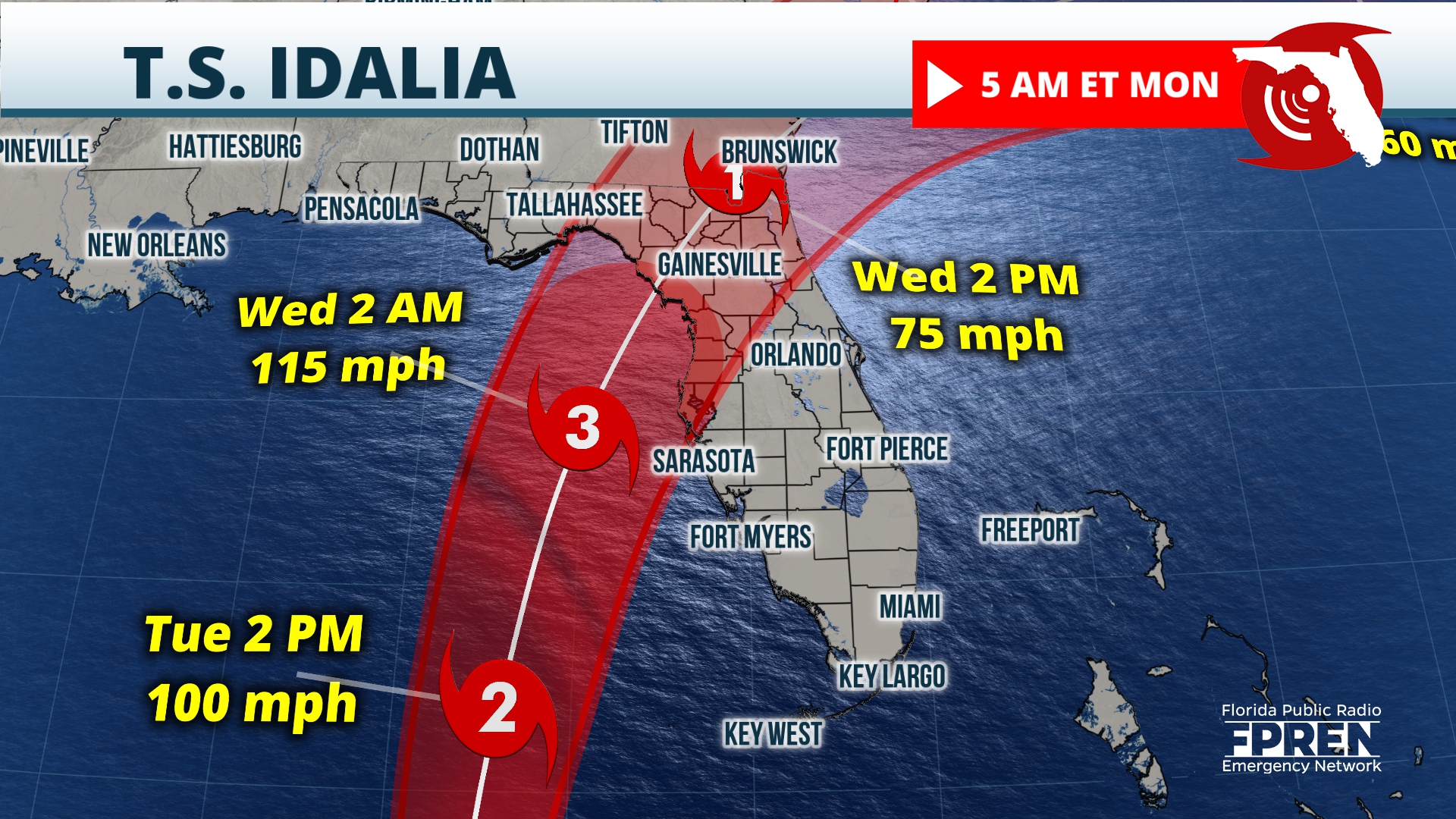
One of the most misunderstood aspects of hurricane forecasting is the “cone of uncertainty.” This cone represents the probable track of a storm’s center, but it does not mean the storm will stay within those lines or that areas outside the cone are safe. The forecast cone depicts the likely path of the center about 60-70% of the time, meaning a significant portion of storms track outside it. More importantly, significant impacts, including heavy rain, strong winds, and storm surge, can extend hundreds of miles from the center of a hurricane. Travelers must understand that “direct hit” means the eye passing over a location, but widespread, destructive weather can occur far from the eye. If your planned destination, whether it’s Fort Myers or the Florida Keys, falls anywhere near or within the forecast cone, or if adjacent areas are under watch or warning, activate your preparedness plan. Always err on the side of caution.
Leveraging Local Emergency Services and Tourism Boards
Beyond weather forecasters, local emergency services and tourism boards are invaluable resources for travelers. Florida’s county emergency management websites provide specific information on evacuation zones, public shelters, and local contact numbers. Many tourism boards, especially in popular tourist destinations like Orlando, Miami, and Tampa, will issue advisories for visitors, often consolidating information about attraction closures, transportation disruptions, and local safety protocols. Before and during your trip, monitor these official channels. For example, if you are visiting the Panhandle, check the local emergency services in Escambia or Bay County. These bodies are often the first to communicate specific, actionable advice tailored to visitors, helping you understand how potential impacts could affect your ability to enjoy attractions like Disney World or even find open restaurants.
Preparing for Travel During Hurricane Season in Florida
A well-prepared traveler isn’t just reacting to a storm but proactively planning for potential eventualities. This forward-thinking approach is crucial when visiting Florida during hurricane season.
Pre-trip Planning: Travel Insurance and Flexible Bookings

The cornerstone of worry-free travel during hurricane season is comprehensive travel insurance. Ensure your policy specifically covers hurricane-related delays, cancellations, and medical emergencies. Read the fine print to understand what events trigger coverage and if there’s a “named storm” clause that restricts purchasing insurance once a storm is already identified. Furthermore, opt for flexible bookings for flights, accommodations, and rental cars whenever possible. Many airlines and hotels offer waivers or easy rebooking options if a hurricane threatens your destination, such as Miami or Orlando. Confirm these policies at the time of booking. Having refundable options provides peace of mind and financial protection should you need to alter or cancel your trip due to an impending storm. Consider the implications for attractions like Universal Studios as well; many have their own weather policies.
Emergency Kits for Travelers: What to Pack
While a full-scale hurricane kit might seem excessive for a vacation, a scaled-down version is invaluable. Your traveler’s emergency kit should include: copies of important documents (ID, passport, insurance policies, booking confirmations), cash in small denominations (ATMs may be inoperable), a portable power bank for electronic devices, a basic first-aid kit, any essential prescription medications, non-perishable snacks, a whistle, and a small flashlight. Pack comfortable, sturdy shoes and clothing suitable for rain. If you’re traveling with children, include their necessary items and comfort objects. These provisions are not just for survival but also for comfort and self-sufficiency during potential delays, power outages, or unexpected shelter stays in destinations like Fort Myers or Key West where resources might be stretched.
Evacuation Routes and Shelters: Knowing Your Options
Before you even depart for Florida, familiarize yourself with the designated evacuation zones and routes for your specific destination. Most coastal counties have detailed maps online. Understand that evacuation orders are serious and should be followed immediately. Have a plan for how you would leave your accommodation and where you would go. Identify potential inland shelters or safe havens—perhaps a relative’s house or a pre-booked hotel in a less vulnerable area. If you’re driving, know the major arteries that serve as evacuation routes and be aware they can become heavily congested. Public shelters are available but often lack comforts; consider them a last resort. This foresight is particularly critical if you are planning to visit the Florida Keys or the Panhandle, which have limited exit routes and can be cut off quickly by storm surge or flooding.
Navigating Affected Destinations and Post-Storm Travel
When a hurricane does impact Florida, the immediate aftermath and recovery period present a unique set of challenges for travelers. Thoughtful decision-making and patience are key.
When to Cancel or Reroute: Making Informed Decisions
If a hurricane watch or warning is issued for your destination, it’s time to seriously consider canceling or rerouting your trip. A hurricane watch means conditions are possible within 48 hours; a warning means conditions are expected within 36 hours. Once a warning is in effect, travel becomes significantly more hazardous, and you risk being stranded. Even if the storm passes, services may be severely disrupted for days or weeks. Contact your airline, hotel, and car rental company immediately to inquire about their hurricane policies. If canceling, leverage your travel insurance. If rerouting, consider inland Florida destinations that are less prone to coastal impacts, or postpone your trip altogether. For instance, if Miami is under threat, Orlando might be a safer, albeit still affected, option if it is further inland, or even better, exploring North Florida entirely if it’s outside the storm’s path. Prioritizing safety over a fixed itinerary is paramount.
Understanding Airport and Road Closures in Affected Areas
Hurricanes can lead to widespread airport closures and road blockages, making ingress and egress from affected areas extremely difficult. Airports like Miami International Airport (MIA), Orlando International Airport (MCO), and Tampa International Airport (TPA) will cease operations for safety reasons, often well in advance of a storm’s arrival. Highways, especially those in low-lying coastal areas or near major waterways, can become impassable due to flooding, fallen debris, or structural damage. Always check official sources like Florida Department of Transportation (FDOT) for real-time road conditions. Do not rely on GPS alone, as it may not reflect current closures. If you find yourself in an affected area, avoid driving unless absolutely necessary, especially after dark. This is crucial for your safety and to keep roads clear for emergency personnel.
Supporting Recovery Efforts and Resuming Travel Responsibly
After a hurricane, affected areas transition into a recovery phase. Travelers who wish to visit post-storm should be mindful of the strain on local resources and infrastructure. Avoid “disaster tourism.” Instead, if you choose to visit an area once it’s deemed safe and open for visitors, do so responsibly. Support local businesses that are struggling to rebuild. Be patient with service delays and reduced offerings, as communities work to restore normalcy. Consider volunteering with reputable aid organizations if you have the time and skills. Always verify that hotels, attractions, and restaurants are genuinely open and fully operational before booking. While a desire to help is admirable, ensure your presence doesn’t inadvertently burden communities already grappling with significant challenges. Many attractions, like the Everglades National Park or portions of the Gulf Coast beaches, may require extensive repairs before they are fully accessible to the public again.
Alternative Destinations and Safe Travel Practices Within Florida
Florida is a vast state, and even during hurricane season, certain regions may offer safer alternatives or present fewer immediate risks. Smart planning can help you enjoy your trip with peace of mind.
Exploring Less Vulnerable Regions of Florida
While no part of Florida is entirely immune to hurricane impacts, some areas are historically less vulnerable to direct hits or severe storm surge. Central Florida, home to Orlando’s theme parks like Disney World and Universal Studios, is further inland and generally more protected from coastal storm surge, though heavy rains and high winds remain a threat. Similarly, parts of North Florida, depending on the storm’s track, may experience less severe conditions than the southern peninsula or the Panhandle. When a storm threatens a specific region, consider temporarily relocating your travel plans to a part of the state that is projected to be outside the worst impacts. Always consult the latest National Hurricane Center forecasts and local advisories for the most current and accurate information before making any changes.
Leveraging Technology for Safe Navigation
Beyond weather apps, several technological tools can enhance your safety during hurricane season. Download offline maps of Florida for your smartphone, as cell service can be spotty or non-existent during power outages. Communication apps that work over Wi-Fi (like WhatsApp or FaceTime) can be useful if cellular networks are down but Wi-Fi remains available. Consider bringing a satellite messenger if you plan to venture into remote areas like the Everglades National Park. These devices can provide emergency communication even without cell service. Keep all your devices fully charged, and consider carrying spare battery packs. Information is power during a crisis, and these tools help ensure you remain connected and informed, whether you’re in Tampa, Fort Myers, or exploring the more secluded parts of the state.

The Importance of Community and Local Guidance
Perhaps the most crucial aspect of safe travel during hurricane season is heeding local advice. Residents of Florida are experienced with tropical weather events. Listen to official guidance from local authorities, emergency management, and hospitality staff. They understand the nuances of their specific area’s vulnerabilities and recovery processes. Do not dismiss evacuation orders or warnings, even if the weather appears calm at the moment; conditions can deteriorate rapidly. Engage respectfully with locals, ask questions, and follow their lead. Their collective experience and knowledge are an invaluable resource for any traveler navigating the complexities of hurricane season in the Sunshine State. By doing so, you not only ensure your safety but also show respect for the communities that call Florida home.
LifeOutOfTheBox is a participant in the Amazon Services LLC Associates Program, an affiliate advertising program designed to provide a means for sites to earn advertising fees by advertising and linking to Amazon.com. Amazon, the Amazon logo, AmazonSupply, and the AmazonSupply logo are trademarks of Amazon.com, Inc. or its affiliates. As an Amazon Associate we earn affiliate commissions from qualifying purchases.