
For many, a driver’s license is more than just a permit to operate a vehicle; it’s a primary form of identification, a key that unlocks various services, and an essential document for travelers. Whether you’re planning a cross-country road trip, checking into a San Francisco boutique hotel, or simply needing proof of age, understanding the intricacies of your California driver’s license is paramount. Among the myriad pieces of information etched onto this crucial card, the issue date holds significant, often overlooked, importance, especially for those with a passion for exploration and adventure.
Decoding Your California Driver’s License: Locating the Issue Date
The California driver’s license, issued by the Department of Motor Vehicles (DMV), is designed to be a secure and comprehensive document. While its primary purpose is to certify your eligibility to drive, it also serves as a robust form of identity verification across the United States and even internationally for certain purposes. Locating specific information on your license might seem straightforward, but with evolving designs and security features, it can sometimes be a puzzle.
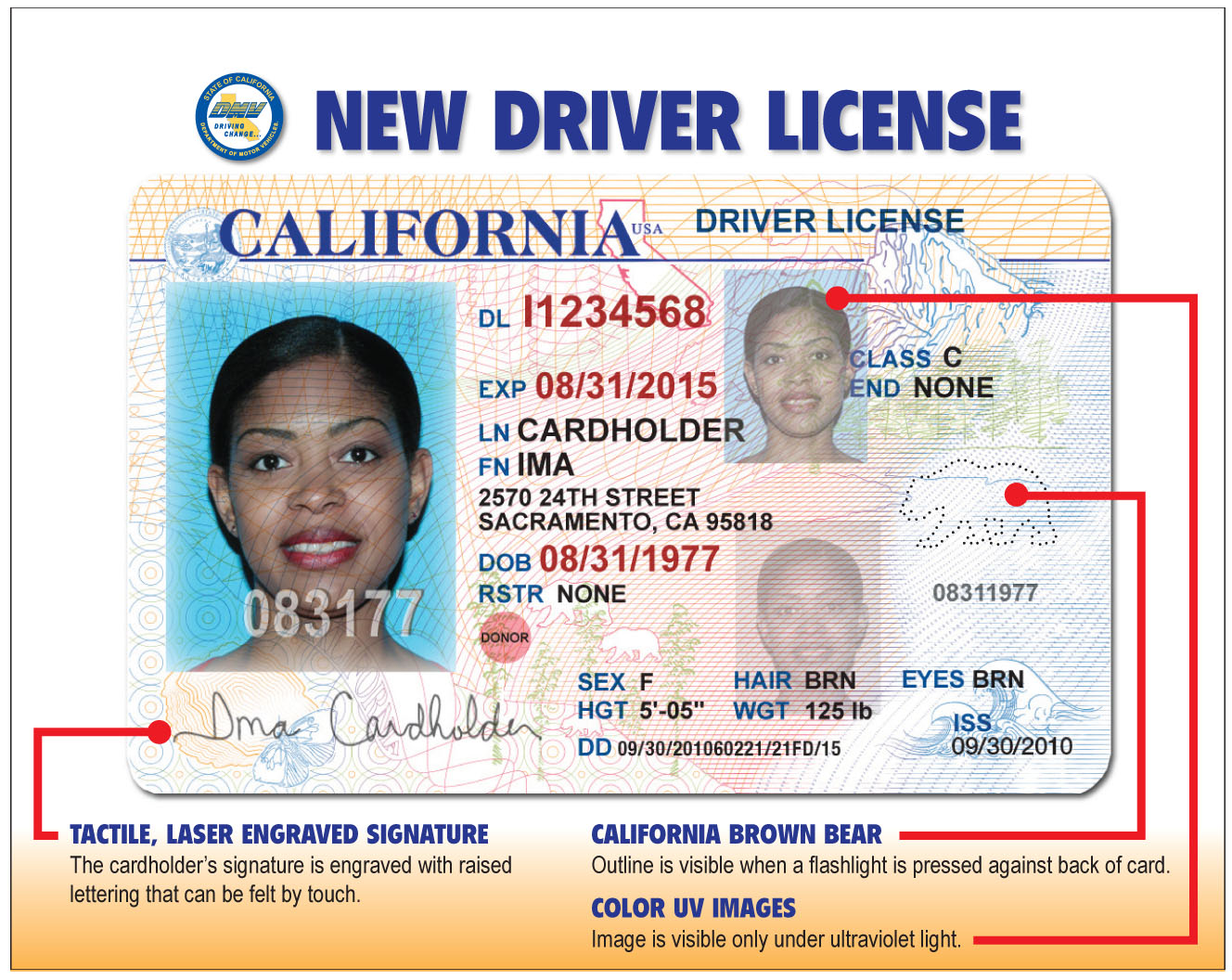
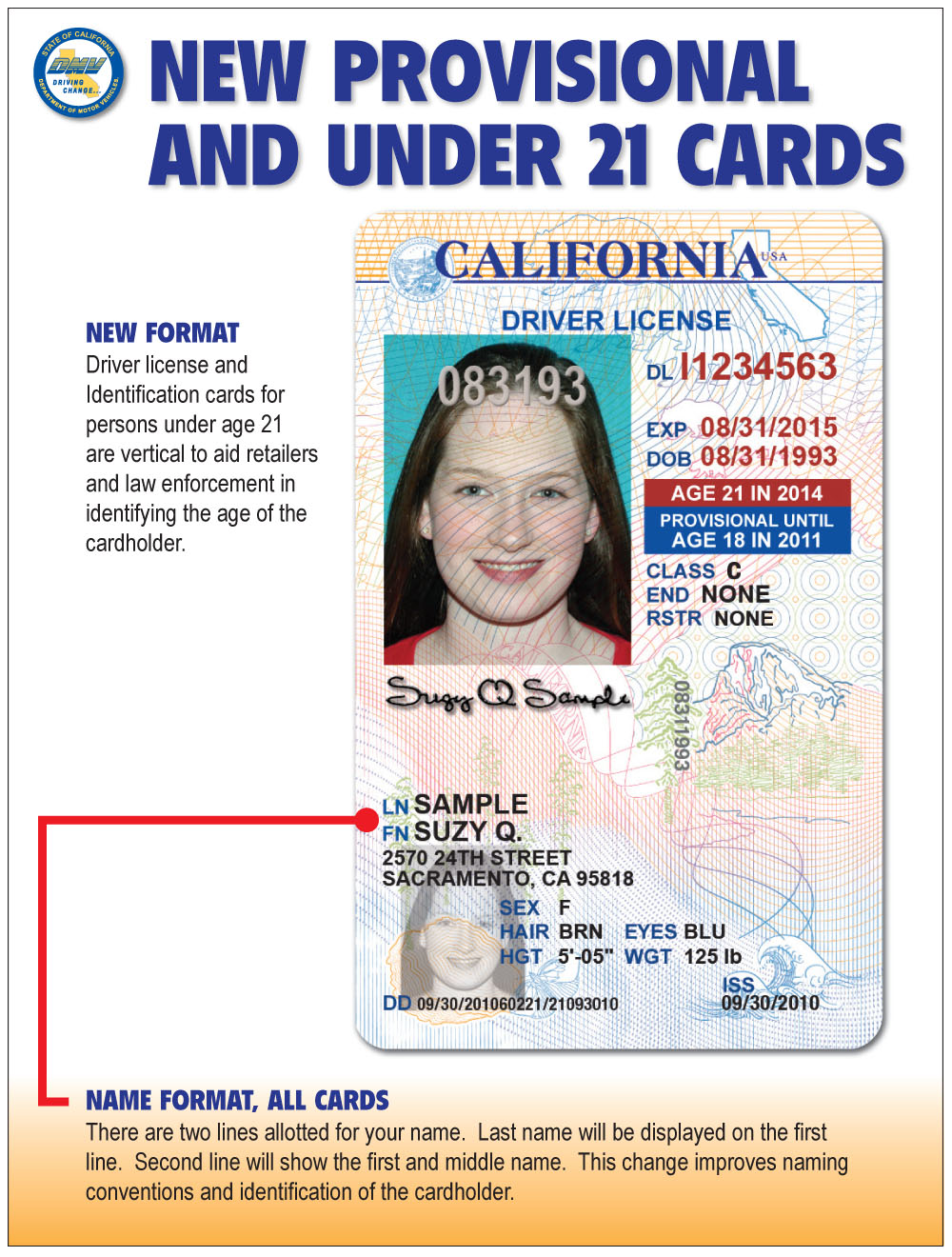
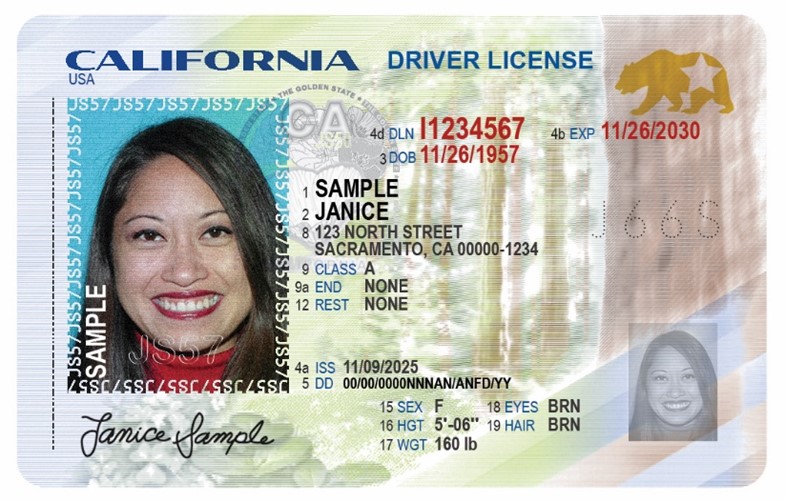
On most modern California driver’s licenses and identification cards, the issue date is typically found on the front of the card. It’s usually labeled with a clear identifier, such as “ISS” or “Issue Date,” and is prominently displayed alongside other vital dates like the expiration date and your date of birth.
- For the latest designs (post-2017 REAL ID compliant cards): You’ll generally find the “ISS” date located in the lower left-hand corner of the card, just above the “EXP” (expiration) date. It’s usually formatted as MM/DD/YYYY.
- For older designs: While the exact placement might vary slightly, it has consistently been on the front of the card. Look for labels like “Issue Date,” “Issued,” or “ISS.” Sometimes it might be near the bottom center or slightly to the right, often below your photograph.
The issue date signifies when your current driver’s license or ID card was officially printed and mailed to you. It’s not necessarily the date you first obtained a license, but rather the date your current card was issued. This distinction is crucial, particularly when considering renewals or changes to your license. For example, if you renewed your license early, or requested a duplicate, the issue date would reflect the date of that transaction, not the original issue date of your first-ever license. Understanding this nuance is key to interpreting your document correctly, especially when preparing for travel where the recency of your identification might be scrutinized.
What is a REAL ID and How Does It Affect My License?
Since October 1, 2021, all air travelers 18 years of age and older flying within the United States have been required to present a REAL ID compliant driver’s license or another acceptable form of identification, such as a passport or military ID, to board a domestic flight. California began issuing REAL ID compliant licenses in 2018. These cards are easily identifiable by a star symbol (either gold or black bear with a star) located in the upper right-hand corner.
While the issue date itself isn’t directly tied to REAL ID compliance, the fact that your license is a REAL ID card might indicate its more recent issuance, as older, non-REAL ID compliant licenses are gradually being phased out or are only valid for driving purposes, not for federal identification requirements. When planning domestic air travel, always ensure your license meets current Transportation Security Administration (TSA) guidelines. A non-REAL ID compliant card might require you to present alternative forms of ID, potentially complicating your travel plans.
The Critical Role of the Issue Date in Travel & Tourism
Beyond its primary function, the issue date on your California driver’s license plays a surprisingly significant role in various aspects of travel and tourism. From renting a car to international excursions, knowing where this date is and what it signifies can prevent unnecessary hassles and ensure smooth transitions during your adventures.
Car Rentals: A Gatekeeper to Your Road Trip
One of the most common scenarios where the issue date becomes relevant is when renting a vehicle, whether you’re embarking on a scenic drive through Napa Valley or exploring the coastal beauty near San Diego. Many car rental agencies, particularly for certain vehicle categories or for younger drivers, have specific requirements regarding how long you’ve held a driver’s license.
- Minimum Driving Experience: Some companies, especially those catering to luxury rentals or in certain international locations, may require drivers to have held their license for a minimum period, often one or two years. The issue date on your current license helps them verify this. While your initial license issue date is what truly matters, the current card’s issue date provides a recent reference point. If your current license was just issued (e.g., after a renewal or replacement), but you’ve been driving for years, you might need to carry proof of your previous license’s history (though this is rare). Typically, the system cross-references with the DMV.
- International Rentals: When renting a car abroad, say in Europe or Mexico, local regulations or rental company policies can be even stricter. They might scrutinize the issue date more closely, sometimes requiring an International Driving Permit (IDP) alongside your California license. The issue date ensures they know how long you’ve been a licensed driver, which is a key factor in their insurance assessments. Without a clearly identifiable issue date, or if it appears too recent without context, you could face delays or even denial of your rental car, derailing your itinerary to visit landmarks like the Colosseum or the Pyramids of Giza.
International Travel and the International Driving Permit (IDP)
For the intrepid global traveler, an International Driving Permit (IDP) is an invaluable document that translates your domestic driver’s license into multiple languages. This is often required or highly recommended when driving in many foreign countries, including parts of Asia, Africa, and South America. Organizations like the American Automobile Association (AAA) issue IDPs, and when you apply, you’ll need to provide details from your domestic license, including its issue date.
While the IDP primarily focuses on the validity of your current license, the issue date helps confirm that the license you’re presenting is current and reflective of your driving status. It’s a supporting piece of information that assures foreign authorities and rental agencies that your driving privileges are legitimate and have been in effect for a verifiable period. Misinformation or confusion about these dates can lead to complications at border crossings or when attempting to drive legally in another country.
Hotel Check-ins and Accommodation Bookings
While less directly tied to the issue date than car rentals, your driver’s license is a standard form of identification required for checking into hotels, resorts, and even some vacation rentals. Properties, especially those in popular tourist destinations like Los Angeles or San Francisco, often require a valid government-issued ID to confirm your identity and age, particularly when alcohol or other age-restricted amenities are involved.
The issue date, alongside the expiration date and your date of birth, forms part of the comprehensive identity verification process. While a hotel won’t usually deny you service based on the issue date alone, a card that looks tampered with, expired, or otherwise questionable could raise red flags. A clear, current issue date contributes to the overall legitimacy and acceptance of your ID, ensuring a smooth check-in process for your stay at a Grand Hyatt Hotel or a quaint boutique hotel in Wine Country.
Planning for the Future: Renewals, Expirations, and Travel
Understanding the issue date also helps you manage the longevity and validity of your driver’s license, which is crucial for uninterrupted travel. A suddenly expired license can halt travel plans in their tracks, whether you’re trying to board a flight to visit Yosemite National Park or check into your hotel in Sacramento.
The Relationship Between Issue Date and Expiration Date
In California, a standard non-commercial driver’s license is valid for five years from the date of issuance. This means the expiration date is directly calculated based on the issue date. For example, if your license was issued on 01/15/2023, it would typically expire on 01/15/2028. This clear correlation highlights why knowing both dates is vital.
It’s common for travelers to forget about their license’s expiration date until it’s too late. Being aware of your issue date allows you to mentally (or physically, with a reminder) track when your license is approaching its five-year mark, giving you ample time to initiate the renewal process before it becomes critical.
Renewing Your License While Traveling or Before a Trip
If you’re an avid traveler, the last thing you want is for your driver’s license to expire while you’re abroad or in another state. Many countries and domestic locations will not accept an expired driver’s license as a valid form of ID.
- Before Your Trip: Always check your license’s expiration date well in advance of any travel plans. If it’s set to expire within six months of your departure, it’s prudent to renew it before you leave. The California DMV often sends renewal notices, but don’t rely solely on these.
- While Out-of-State/Country: The California DMV offers options for renewing your license online or by mail, even if you are out of state or country. However, there might be limitations if you need an in-person visit (e.g., for a REAL ID upgrade or certain vision tests). Planning ahead, using your issue date as a guide, can help you avoid a situation where you’re caught far from home with an invalid ID.
- Proof of Continued Eligibility: If you happen to renew your license close to a trip, the new issue date will reflect the renewal. Keep any temporary paper licenses or confirmation emails handy until your new physical card arrives, especially if you’re traveling right after renewal.
The Broader Context: Security, Verification, and Peace of Mind
Understanding the various dates and features on your driver’s license contributes to overall security and peace of mind, especially in an era of heightened identity theft concerns and evolving travel regulations.
Security Features and Verification
Modern driver’s licenses, including those from California, incorporate numerous security features to prevent counterfeiting and fraud. These include holograms, microprinting, tactile elements, and UV features. The issue date, along with other printed information, is part of a complex system of verifiable data. Law enforcement, airport security (like the TSA), and service providers (hotels, car rentals) are trained to spot discrepancies. A clearly presented and understood issue date makes their job easier and your journey smoother.
When traveling, especially across borders to places like Canada or Mexico, every detail on your identification can be scrutinized. Knowing where your issue date is and being able to quickly point it out can expedite checks and prevent misunderstandings. It shows a level of awareness and preparedness that is always appreciated by officials.
Lifestyle and Convenience: A Seamless Travel Experience
Whether you categorize yourself as a luxury traveler indulging in a five-star resort experience or a budget-conscious adventurer exploring national parks like Joshua Tree or Death Valley, the desire for a seamless travel experience is universal. Frustration stemming from document issues can quickly sour any trip, no matter how meticulously planned.
Understanding your California driver’s license – including the often-overlooked issue date – contributes to this seamlessness. It’s a small detail that has a ripple effect on your ability to confidently rent a car to drive along Highway 1, check into a hotel near Disneyland or Universal Studios Hollywood, or simply enjoy a hassle-free domestic flight after visiting the Golden Gate Bridge or the famous streets of Hollywood. For those who prioritize efficiency and minimizing stress during their travels, a thorough understanding of all their identity documents is an indispensable part of their travel toolkit.
Conclusion: Empowering Your Travels with Knowledge
The California driver’s license is a powerful document, a gateway to freedom on the open road and an essential key to various travel experiences. While the expiration date often gets the most attention, the issue date holds its own silent significance, particularly for those whose lifestyle involves frequent travel, whether for business or pleasure.
By familiarizing yourself with the location of the issue date on your license – typically on the front, labeled “ISS” – and understanding its implications for car rentals, international driving permits, and general travel preparedness, you empower yourself to navigate the logistics of your journeys with greater confidence. This seemingly small piece of information is part of a larger tapestry of knowledge that ensures your documents are always in order, allowing you to focus on what truly matters: savoring every moment of your adventure and creating unforgettable memories. Always check your license, know your dates, and travel smart.
LifeOutOfTheBox is a participant in the Amazon Services LLC Associates Program, an affiliate advertising program designed to provide a means for sites to earn advertising fees by advertising and linking to Amazon.com. Amazon, the Amazon logo, AmazonSupply, and the AmazonSupply logo are trademarks of Amazon.com, Inc. or its affiliates. As an Amazon Associate we earn affiliate commissions from qualifying purchases.