
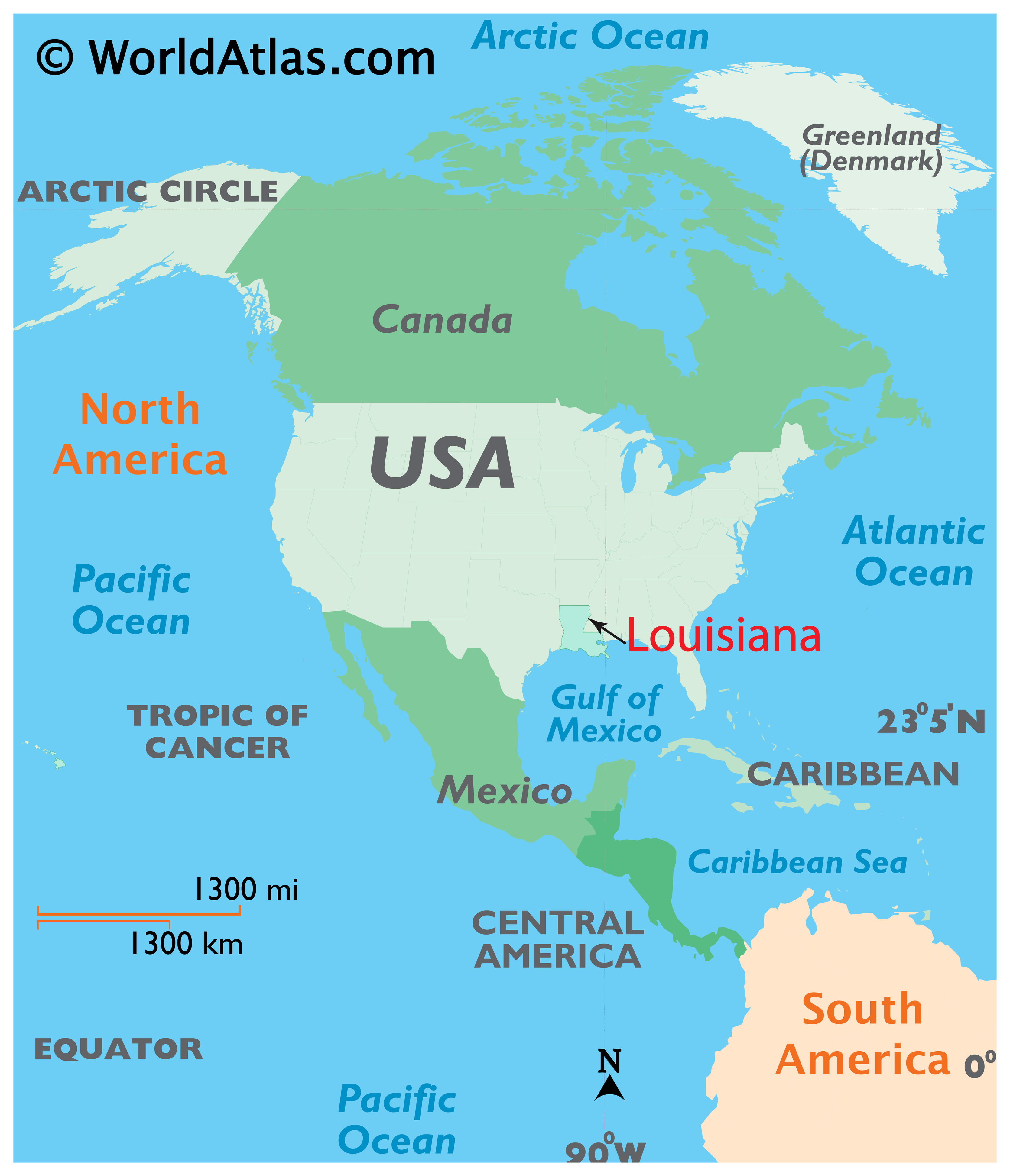
The question “Where is the Louisiana?” might seem simple to some, yet it often carries a deeper curiosity about the soul and essence of a place that stands distinctly apart within the United States. Louisiana isn’t just a geographical location; it’s a vibrant tapestry woven from diverse cultures, rich history, unparalleled music, and a culinary tradition that beckons travelers from across the globe. Nestled in the Deep South, bordering Texas to the west, Arkansas to the north, and Mississippi to the east, with the Gulf of Mexico forming its southern frontier, this unique state offers an experience unlike any other. For those seeking destinations rich in character, bursting with attractions, and promising unforgettable experiences, understanding “where” Louisiana truly lies means delving into its geography, its people, and its profound cultural heritage. It’s a place where European charm meets African rhythms and indigenous roots, creating a compelling narrative for any visitor exploring travel, tourism, and lifestyle choices.

From its bustling cities to its tranquil bayous, Louisiana presents a fascinating mosaic that caters to every type of traveler. Whether you’re planning a luxurious escape, a budget-friendly adventure, a family trip filled with discovery, or a business stay with cultural immersion, the Pelican State delivers. Its accommodation options are as varied as its landscapes, ranging from historic hotels and opulent resorts to charming bed and breakfasts and modern apartments. This guide aims to answer the core question by not only locating Louisiana on the map but also by inviting you to explore its myriad facets, discover its famous landmarks, and embrace its authentic spirit.
A Geographical and Cultural Tapestry: Pinpointing Louisiana on the Map
To truly grasp the essence of Louisiana, one must first understand its unique geographical position and the historical forces that shaped its identity. Its location at the mouth of the mighty Mississippi River has been both a blessing and a defining characteristic, influencing everything from its economy and ecology to its cultural development.
More Than Just a Dot: Understanding Louisiana’s Unique Position
Geographically, Louisiana is characterized by its extensive coastline along the Gulf of Mexico, its vast delta regions, and its network of bayous and wetlands. This low-lying topography, sculpted by centuries of river sediment, gives the state a distinct and often ethereal beauty. The Mississippi River Delta, a fertile expanse of land and water, supports incredible biodiversity and serves as a crucial habitat for countless species. These natural features are not just picturesque; they are integral to the state’s identity, offering unique outdoor activities like swamp tours, fishing, and birdwatching that are central to Louisiana’s tourism appeal. The state capital, Baton Rouge, sits proudly on the banks of the Mississippi, embodying the state’s historical ties to this vital waterway. Further south, the vibrant metropolis of New Orleans is a testament to human ingenuity, built largely below sea level and protected by a complex system of levees.
Beyond its physical landscape, Louisiana’s uniqueness is deeply rooted in its history. Purchased from France by the United States in 1803 as part of the Louisiana Purchase, the state retains strong influences from its colonial past. Before the American acquisition, it was a territory under both French and Spanish rule, which profoundly shaped its laws, architecture, and languages. This dual European heritage, combined with the significant contributions of enslaved Africans and indigenous communities, created a society unlike any other in North America.
A Melding Pot of Cultures: French, Spanish, African, and American Influences
The cultural landscape of Louisiana is perhaps its most captivating feature. It is a true melting pot where traditions, languages, and customs have intertwined over centuries. Two distinct yet overlapping cultures dominate: Creole and Cajun. Creole culture, largely associated with New Orleans and its surrounding parishes, emerged from the descendants of colonial French and Spanish settlers, free people of color, and West Africans. This rich heritage manifests in the city’s stunning architecture, its sophisticated cuisine, and its world-renowned jazz music. The French Quarter, with its iconic wrought-iron balconies and historic buildings, is a living museum of Creole design and history.
Cajun culture, on the other hand, flourished in the southwestern part of the state, often referred to as Acadiana or Cajun Country. The Cajuns are descendants of French-speaking Acadians expelled from Canada’s Maritime provinces in the 18th century. They brought with them a resilient spirit, a unique dialect, and a culinary tradition famous for its bold flavors and hearty dishes. Cities like Lafayette serve as the heart of Cajun culture, where visitors can experience lively zydeco music, traditional dance, and authentic Cajun cooking.
This complex interplay of French, Spanish, African, and indigenous American influences, all set against a backdrop of American development, has forged a vibrant cultural identity. It’s an identity celebrated through its music—from the soulful blues of the Delta to the swinging jazz of New Orleans and the infectious rhythms of zydeco and Cajun—and through its unparalleled culinary scene, which is an attraction in itself. Understanding these deep cultural roots is key to appreciating “where” Louisiana truly is: not just on a map, but in the heart of its people and their enduring traditions.
Discovering Louisiana’s Irresistible Charms: Top Destinations and Attractions
Once you’ve grasped Louisiana’s geographical and cultural foundations, the next step is to explore its incredible array of destinations and attractions. From the non-stop energy of its major cities to the tranquil beauty of its rural landscapes, Louisiana offers a diverse palette of experiences for every traveler. The state’s commitment to tourism ensures that its local culture, food, and activities are always front and center, promising an immersive journey.
The Vibrant Pulse of New Orleans: History, Music, and Culinary Delights
No discussion of Louisiana is complete without highlighting New Orleans, often called the “Big Easy.” This iconic city is a sensory overload in the best possible way, a place where history resonates in every street, music spills from every doorway, and the aroma of incredible food wafts through the air. The historic French Quarter is the city’s oldest neighborhood and arguably its most famous landmark. Here, you can stroll past charming Creole townhouses, explore boutique shops, and absorb the lively atmosphere of Bourbon Street – though quieter streets offer a more authentic glimpse into daily life. Key attractions include Jackson Square, presided over by the majestic St. Louis Cathedral, and the bustling French Market, one of the oldest public markets in the United States.
Music is the heartbeat of New Orleans. It’s the birthplace of jazz, and you can still catch live performances nightly at venues like Preservation Hall or along Frenchmen Street. Beyond jazz, the city pulsates with blues, R&B, gospel, and brass bands. The city also boasts world-class museums, such as The National WWII Museum, offering a poignant and comprehensive look at World War II, and the Audubon Aquarium of the Americas and Audubon Zoo, perfect for family trips. Culinary enthusiasts will find New Orleans to be a paradise, from indulging in beignets at Cafe Du Monde to savoring sophisticated Creole dishes at renowned restaurants. The Garden District, with its stunning antebellum mansions and oak-lined streets, offers a different architectural perspective and a glimpse into the city’s affluent past.
Beyond the Big Easy: Exploring Baton Rouge, Lafayette, and the Bayous
While New Orleans often steals the spotlight, the rest of Louisiana holds equally compelling attractions. Baton Rouge, the state capital, blends historical significance with modern amenities. Here, visitors can tour the impressive Old State Capitol, a Gothic-style castle overlooking the Mississippi, and the towering Louisiana State Capitol, the tallest capitol building in the United States. The USS Kidd Veterans Memorial and Museum offers a fascinating look into naval history. For a taste of rural Louisiana life, the LSU Rural Life Museum provides a glimpse into 19th-century farm life.
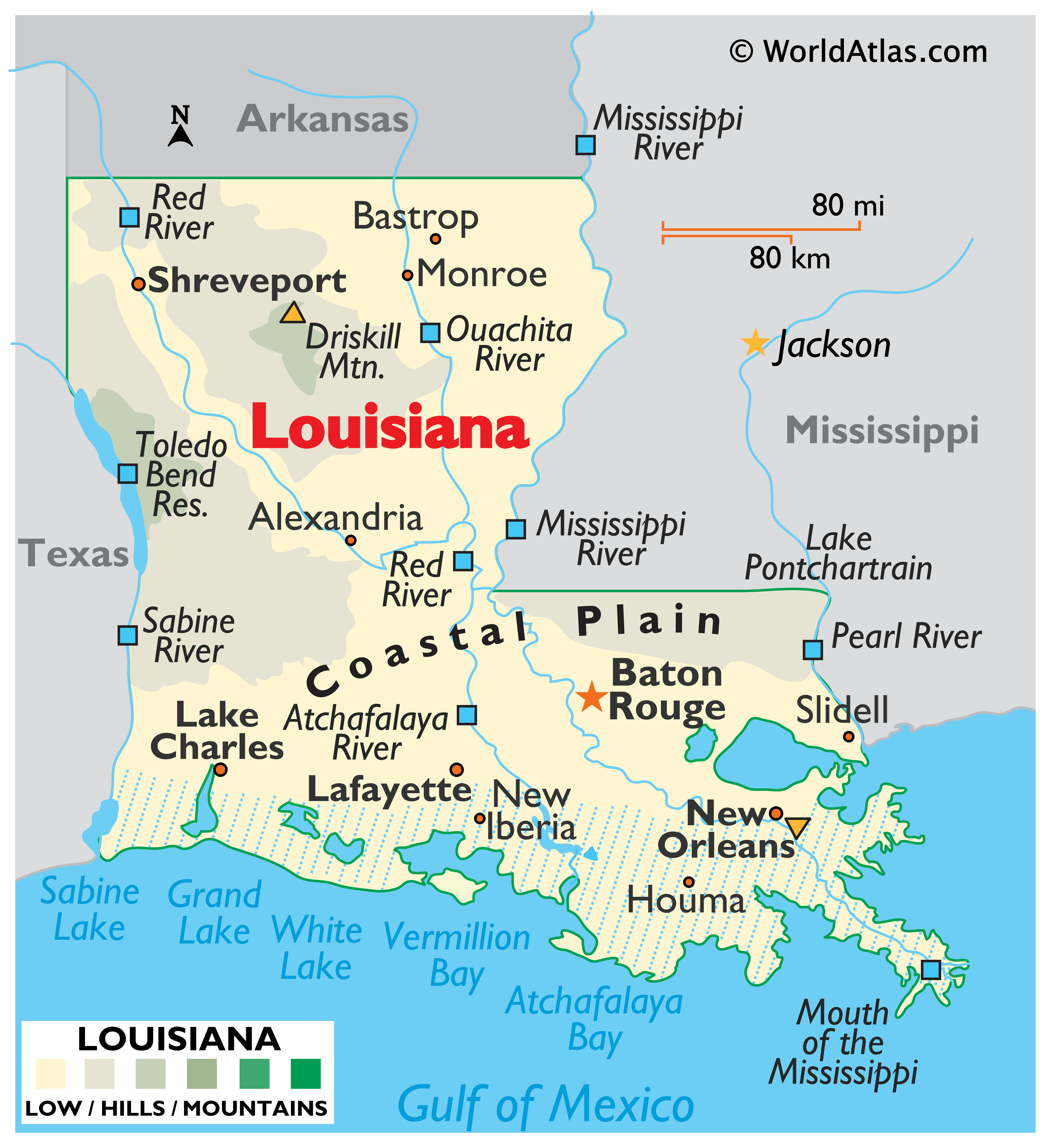
Further west lies Lafayette, the heart of Cajun Country. This city is the epicenter for experiencing authentic Cajun culture, from its unique music and dance to its robust cuisine. Visitors can explore Vermilionville Living History Museum and Folklife Park to step back in time or enjoy live music at local dancehalls (fais do-dos).
No trip to Louisiana is complete without exploring its iconic bayous and plantations. Swamp tours offer an exhilarating way to get up close with alligators, exotic birds, and the lush wetland ecosystem of areas like the Atchafalaya Basin. The historic plantation homes along the Mississippi River are architectural marvels and poignant reminders of a complex past. Oak Alley Plantation, famous for its stunning alley of 300-year-old live oaks, and Laura Plantation, known for its Creole heritage and compelling slave narratives, provide immersive historical experiences and insight into Louisiana’s social history. These landmarks offer a blend of history, nature, and cultural depth that defines the state.
Festivals and Traditions: Experiencing Louisiana’s Lively Spirit
Louisiana truly shines through its festivals, which are year-round celebrations of its diverse heritage. The most famous, of course, is Mardi Gras in New Orleans, an extravagant carnival season filled with parades, balls, and masquerade. While New Orleans is the most prominent, communities across the state, including Lafayette and Baton Rouge, host their own vibrant Mardi Gras celebrations, each with a local flavor.
Beyond Mardi Gras, the New Orleans Jazz & Heritage Festival, or “Jazz Fest,” is an annual springtime event that draws hundreds of thousands for a multi-day celebration of music, food, and crafts. In Cajun Country, the Festivals Acadiens et Créoles in Lafayette offer a free, authentic experience of Cajun and Creole music, food, and crafts, typically held in the fall. These events are not just tourist attractions; they are deeply ingrained in the local culture, offering visitors an unparalleled opportunity to immerse themselves in the living traditions of Louisiana.
Indulge and Immerse: Accommodation and Lifestyle in the Pelican State
For those seeking to fully experience “Where is the Louisiana?” through its vibrant lifestyle and welcoming accommodations, the state offers an array of choices that cater to every taste and budget. Whether you’re drawn to luxury travel, seeking budget-friendly options, planning a family trip, or on a business stay, Louisiana provides the perfect backdrop for your visit.
From Historic Hotels to Boutique Stays: Finding Your Perfect Louisiana Home
Accommodation in Louisiana is as varied and charismatic as its landscape. In New Orleans, you can choose from grand, historic hotels that exude old-world charm, such as Hotel Monteleone in the French Quarter or The Roosevelt New Orleans, a Waldorf Astoria Hotel, known for its opulent lobby and legendary Sazerac Bar. Boutique hotels like The Eliza Jane or the Ace Hotel New Orleans offer stylish, contemporary stays with a local flair. For a more intimate experience, charming bed and breakfasts scattered throughout the Garden District or Marigny offer personalized service and a cozy atmosphere.
Beyond New Orleans, cities like Baton Rouge and Lafayette provide a mix of well-known hotel chains, comfortable suites, and unique local inns, ensuring options for both business travelers and tourists. For those seeking long-term stays or a more independent experience, apartments and villas are available, particularly in metropolitan areas, often through platforms that offer booking, reviews, and comparison features. Luxury resorts, sometimes incorporating golf courses or spa amenities, can be found catering to those seeking an indulgent escape. Regardless of your preference, finding the right accommodation is key to enhancing your Louisiana experience.
Savoring the Flavors: A Culinary Journey Through Louisiana’s Kitchen
Louisiana’s cuisine is not just food; it’s a fundamental expression of its culture, a blend of French, Spanish, African, and indigenous culinary traditions. Eating your way through the state is an essential part of any visit. Famous dishes include rich seafood gumbo, hearty jambalaya, spicy étouffée, and crispy fried chicken. Seafood, fresh from the Gulf of Mexico, is a staple, appearing in everything from succulent shrimp and oyster po’boys to crawfish boils.
Don’t forget to sample the sweet treats, such as the iconic beignets (fried dough squares dusted with powdered sugar) at Cafe Du Monde or decadent pecan pie. From fine dining establishments to casual roadside diners and bustling food markets, Louisiana offers a gastronomic adventure that satisfies every palate. Engaging with local food culture often involves visiting farmers’ markets, taking cooking classes, or joining a culinary tour, allowing for a deeper immersion into the state’s flavorful traditions.
Tailoring Your Trip: Luxury, Budget, Family, and Adventure Travel
Louisiana is remarkably versatile, catering to diverse travel styles. For luxury travel, New Orleans offers high-end accommodations, exclusive dining experiences, private tours of historic mansions, and VIP access to jazz clubs. Think carriage rides through the French Quarter and fine dining along the Mississippi River.
Budget travel is also readily achievable. Many of Louisiana’s best attractions, like strolling through the French Quarter, enjoying live street music, or exploring parks, are free. Affordable accommodation options exist, and local eateries offer delicious, reasonably priced meals. Utilizing public transportation and booking in advance can significantly reduce costs.
Family trips to Louisiana are filled with educational and entertaining activities. The Audubon Zoo and Audubon Aquarium of the Americas in New Orleans are big hits, as are swamp tours that captivate children with wildlife sightings. Historic plantations offer engaging tours, and the state’s vibrant festivals provide endless entertainment for all ages.
For the adventure traveler, Louisiana offers kayaking through bayous, airboat tours, fishing charters in the Gulf of Mexico, and hiking in its numerous state parks. The natural beauty of the wetlands and forests provides ample opportunities for exploration and outdoor activities, ensuring an exhilarating experience.
In conclusion, “Where is the Louisiana?” is a question that invites a journey into one of America’s most fascinating and culturally rich states. It’s a place defined by its unique geography, shaped by a powerful confluence of cultures, and celebrated through its music, food, and vibrant festivals. From the iconic streets of New Orleans to the serene beauty of its bayous, Louisiana promises an unforgettable travel experience, a place where every visit reveals a new layer of its captivating identity. The answer lies not just in its coordinates, but in the heart of its enduring spirit, waiting to be discovered by every curious traveler.
LifeOutOfTheBox is a participant in the Amazon Services LLC Associates Program, an affiliate advertising program designed to provide a means for sites to earn advertising fees by advertising and linking to Amazon.com. Amazon, the Amazon logo, AmazonSupply, and the AmazonSupply logo are trademarks of Amazon.com, Inc. or its affiliates. As an Amazon Associate we earn affiliate commissions from qualifying purchases.