
The Meatpacking District stands as one of the most transformative neighborhoods in New York City. Located on the far west side of Manhattan, this historic enclave occupies a prime slice of real estate bordered by West 14th Street to the north, Gansevoort Street to the south, the Hudson River to the west, and Hudson Street to the east. Once a gritty industrial hub defined by refrigerated warehouses and blood-slicked cobblestones, it has evolved into a premier global destination for high fashion, avant-garde art, and nightlife.
The Geography and Boundaries of the Neighborhood
Understanding where the Meatpacking District begins and ends is essential for visitors looking to navigate this dense, triangular patch of the city. While the borders are often described as fluid, the area is officially recognized as a historic district designated by the New York City Landmarks Preservation Commission.

Mapping the Perimeter
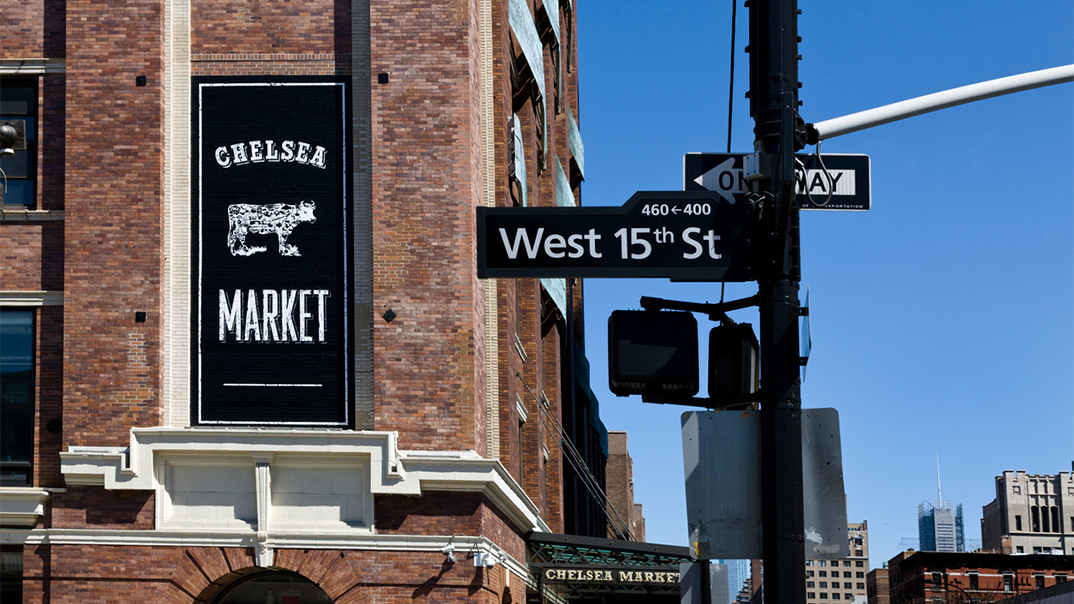
The neighborhood is bounded geographically by the massive arterial flow of West Street and the West Side Highway to the west, which provides immediate access to the waterfront. To the north, the neighborhood transitions seamlessly into the Chelsea district, while its southern tip converges with the northern edge of Greenwich Village. This unique placement makes it a central nexus for those moving between the commercial density of midtown and the historic residential charm of lower Manhattan.
Accessibility and Transit
Getting to this neighborhood is remarkably straightforward thanks to its proximity to major transit lines. The most popular entry point is the 14th Street station, where commuters can access the A, C, E, and L lines. These underground arteries deposit visitors within walking distance of the district’s most iconic cobblestone intersections. Because the area is compact, walking remains the best way to experience the transition from the heavy, industrial architecture of the past to the polished glass facades of the present.
A Legacy Written in Brick and Steel
The physical character of the Meatpacking District is defined by its past. In the mid-19th century, this area was the epicenter of New York City’s meat processing industry. By the early 1900s, more than 250 slaughterhouses and packing plants operated within these few square blocks. Today, the district acts as a living museum of industrial-era architecture.
Adaptive Reuse and Historic Preservation
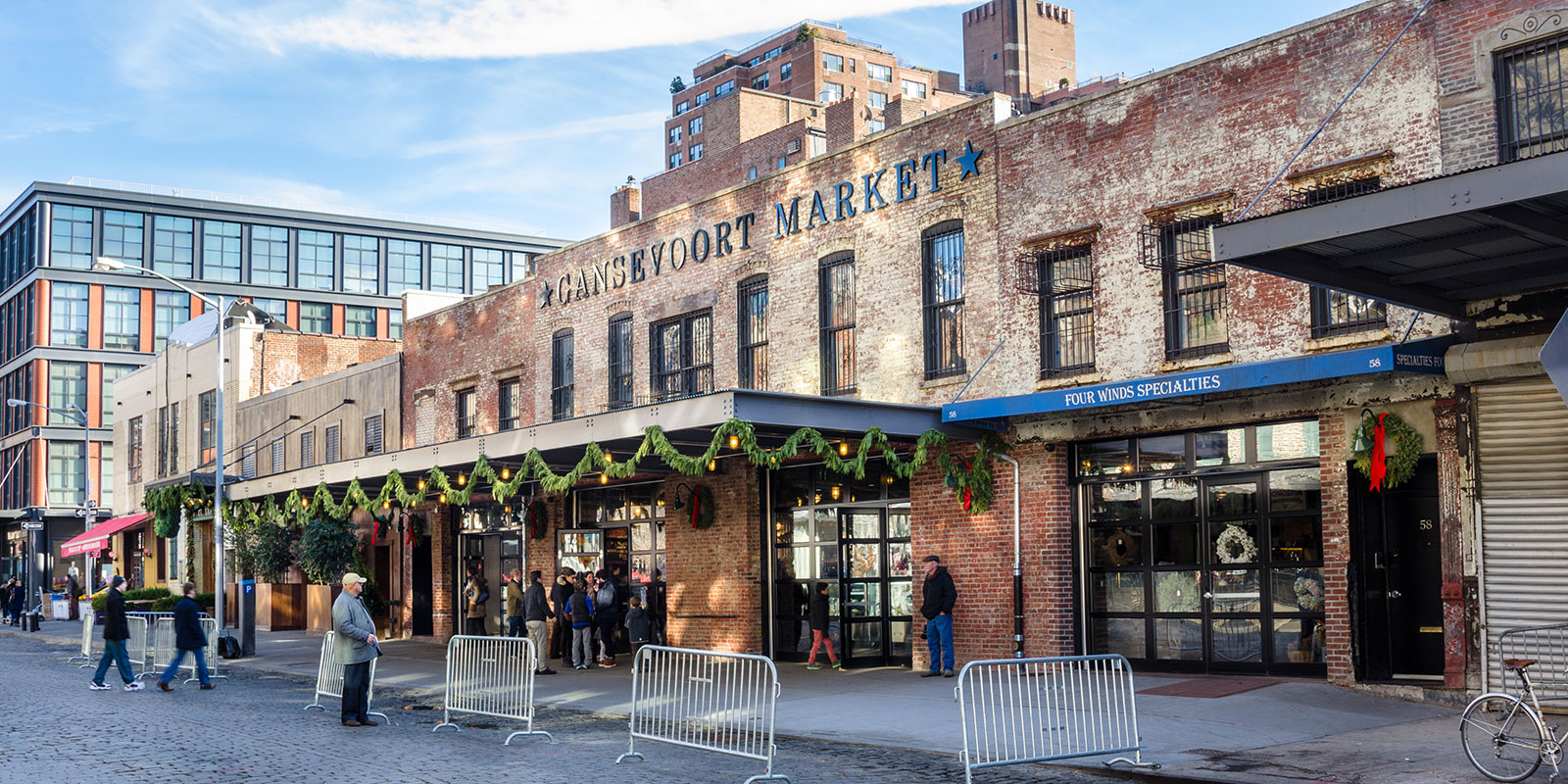
Walking down streets like Little West 12th Street, one can still see the original loading docks, heavy iron beams, and multi-story brick facades that once housed beef carcasses. Through a process of careful adaptive reuse, these spaces have been converted into flagship boutiques, luxury offices, and world-class restaurants. The architecture remains largely intact, offering a rugged, authentic contrast to the sleek, modern glass towers rising elsewhere in the city.
The Influence of the High Line
No discussion of this neighborhood’s geography would be complete without mentioning the High Line. Originally an elevated freight rail line that serviced the meatpacking plants, it was repurposed into a public park that winds through the district’s heart. This transition from an industrial logistical tool to a world-famous greenway catalyzed the neighborhood’s rapid gentrification. The High Line provides an elevated perspective of the area, allowing visitors to see exactly how the neighborhood is wedged between the Hudson River and the residential veins of Chelsea.
Cultural Landmarks and Iconic Attractions
Because the Meatpacking District is such a small geographic area, it is dense with cultural powerhouses. Visitors often find that they can spend an entire day exploring the local museums and art galleries without ever leaving a ten-block radius.
The Whitney Museum of American Art
The most prominent landmark in the area is arguably the Whitney Museum of American Art. Located at the southern terminus of the district on Gansevoort Street, its building—designed by Renzo Piano—is a architectural masterpiece that directly overlooks the Hudson River. It serves as the cultural anchor of the neighborhood, drawing thousands of visitors daily to its extensive collection of 20th-century and contemporary American art.
Public Spaces and Plazas
Beyond the museums, the neighborhood is known for its intimate public spaces, such as Gansevoort Plaza. These pedestrian-friendly areas are designed to encourage lingering, offering a stark contrast to the hectic pace of New York City. These plazas are often where the neighborhood’s distinct personality shines, as locals and tourists alike gather to enjoy the intersection of high fashion and street-level vibrancy.
Navigating the Neighborhood as a Destination
For those planning a visit, the Meatpacking District serves as an ideal base for exploring Manhattan. It is not merely a place to visit; it is a destination that demands time to experience its unique atmosphere.
The Nightlife and Dining Scene
The area’s reputation as a nightlife destination has evolved significantly over the last two decades. While it was once home to clandestine warehouses, it is now the location for some of the city’s most sophisticated rooftop bars and dining establishments. Many of these venues are housed in historic buildings, offering patrons views of the city’s skyline framed by century-old brickwork.
A Guide to Staying in the Area
Travelers who wish to immerse themselves in the district’s atmosphere have a variety of upscale options. The Standard High Line is perhaps the most iconic hotel in the area, straddling the High Line on massive concrete pillars. It encapsulates the neighborhood’s identity: bold, modern, and perfectly integrated into its unique geographic landscape. By staying in the Meatpacking District, visitors are perfectly positioned to walk north into Chelsea for galleries or south into Greenwich Village for a more intimate, historic streetscape.
Seasonal Considerations
The experience of the district changes with the seasons. In the spring and summer, the High Line is lush with greenery, and the outdoor dining culture comes alive. During the colder months, the district’s industrial interiors—with their high ceilings and exposed brick—provide a cozy and warm environment. Regardless of the season, the geography remains the same: a compact, storied, and constantly evolving intersection of New York City history and contemporary life. Whether you are arriving from the West Side Highway or emerging from the subway, the Meatpacking District remains a singular point on the map of Manhattan that every traveler should visit at least once.
LifeOutOfTheBox is a participant in the Amazon Services LLC Associates Program, an affiliate advertising program designed to provide a means for sites to earn advertising fees by advertising and linking to Amazon.com. Amazon, the Amazon logo, AmazonSupply, and the AmazonSupply logo are trademarks of Amazon.com, Inc. or its affiliates. As an Amazon Associate we earn affiliate commissions from qualifying purchases.