
The Palmer Divide is not merely a line on a map but a significant geographical and geological feature that profoundly shapes the landscape, climate, and human history of Colorado. Serving as a crucial elevated landmass, it stands as a subtle yet powerful force influencing everything from weather patterns to river flow, positioning itself centrally within the state’s most populous corridor. Understanding its location and characteristics is key to appreciating the unique natural identity of the region stretching between Denver and Colorado Springs.
Understanding the Palmer Divide’s Geography
At its core, the Palmer Divide is an elevated landmass, a broad ridge that runs east-west across central Colorado. It forms a critical watershed, separating the drainage basins of the South Platte River to the north from the Arkansas River to the south. Unlike the dramatic peaks of the Rocky Mountains or the more famous Continental Divide, the Palmer Divide is a more gentle, rolling highland, yet its elevation difference is sufficient to create distinct environmental conditions. It represents a vital geographical transition zone, connecting the eastern plains with the foothills of the Rockies.

Defining its Boundaries
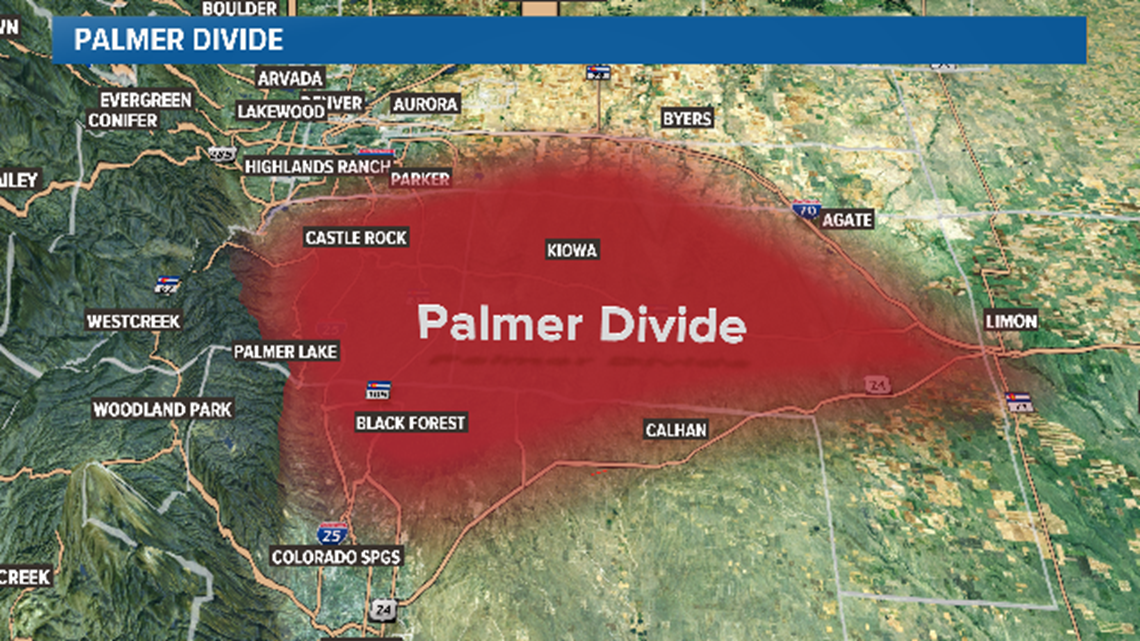
Geographically, the Palmer Divide stretches roughly from the base of the Rampart Range on the western side, near towns like Palmer Lake and Monument, eastward into the rolling plains. Its influence extends across parts of Douglas County, El Paso County, and Elbert County. To the north, the terrain gently slopes towards Denver, feeding tributaries of the South Platte River. To the south, the land descends towards Colorado Springs and the Arkansas River basin.
The highest elevations along the Palmer Divide often exceed 7,000 feet, with some points reaching over 7,500 feet (approximately 2,286 meters), significantly higher than the average elevation of both Denver (around 5,280 feet) and Colorado Springs (around 6,035 feet). This consistent elevation gain is what defines its physical presence and its impact on the surrounding environment. While not a mountain range in itself, it forms an integral part of the larger geological structure of Colorado that connects the foothills to the high plains. Its crest is not a sharp, defined peak but rather a broad expanse, making its presence felt through gradual ascent rather than dramatic verticality.
Geological Significance
The formation of the Palmer Divide is intrinsically linked to the broader geological history of the Colorado Front Range and the uplift of the Rocky Mountains. It consists primarily of sedimentary rock layers, including sandstone, shale, and conglomerate, deposited millions of years ago when the region was covered by ancient seas and subsequent river systems. The uplift associated with the Laramide Orogeny, which created the Rockies between 80 and 55 million years ago, also gently raised this particular block of land, creating the divide.
Erosion over millennia has sculpted its current form, revealing some of these ancient rock formations. The divide’s composition contributes to the unique soil types found in the area, which in turn influences local vegetation. Its subtle but consistent elevation means it acts as a rain shadow for some areas and an accumulator of moisture for others, directly affecting groundwater replenishment and stream formation. This geological heritage is foundational to the distinctive natural characteristics of the area, making it a living testament to the powerful forces that shaped the North American continent.
The Palmer Divide’s Role in Colorado’s Climate and Ecology
The elevated nature of the Palmer Divide acts as a significant climatic barrier and ecological catalyst. Its position between the high plains and the Rocky Mountain foothills creates a unique set of atmospheric conditions and supports a biodiversity that stands apart from the surrounding lower elevations. This interaction between geography and meteorology is one of the most defining aspects of the region.
Microclimates and Weather Patterns
One of the most notable impacts of the Palmer Divide is its influence on local weather. Due to its higher elevation, it often experiences cooler temperatures and significantly more precipitation, particularly snowfall, than both Denver to the north and Colorado Springs to the south. This phenomenon occurs because the elevated terrain forces moisture-laden air, typically moving from east to west or southeast to northwest, to rise and cool. As the air cools, the moisture condenses and precipitates out, often in the form of heavy snow during winter months.
This “orographic lift” effect can result in localized snowstorms that dump several feet of snow on the divide while adjacent cities receive only a few inches or even rain. It creates a distinct microclimate, characterized by harsher winters and generally wetter conditions compared to the surrounding lower plains. Conversely, during summer, the higher elevation means slightly cooler temperatures, offering some respite from the heat of the plains. These weather patterns are a key identifier of the region, significantly affecting everything from agriculture to transportation and daily life for residents.
Unique Ecosystems and Wildlife
The climatic variations fostered by the Palmer Divide directly contribute to a unique ecological zone. The increased moisture and cooler temperatures support a different mix of vegetation than the drier plains or the higher alpine zones of the Rockies. Ponderosa pine forests are a dominant feature, particularly on the western slopes and in areas like the Black Forest, intermingled with Douglas fir and various species of oak. This forest type provides critical habitat and stands in stark contrast to the shortgrass prairie that characterizes much of eastern Colorado.

This distinct ecosystem, characterized by its transitional nature, supports a diverse array of wildlife. Large mammals such as elk, deer, and black bears frequent the wooded areas, especially in the western parts of the divide closer to the mountains. Smaller mammals, including coyotes, foxes, and various rodents, thrive across the entire expanse. The area is also a haven for numerous bird species, benefiting from the mix of coniferous forests, open meadows, and water sources. The preserved natural spaces within the Palmer Divide offer crucial corridors for wildlife movement and serve as vital pockets of biodiversity in an increasingly developed state.
Human Interaction and Historical Context
The strategic location and natural resources of the Palmer Divide have shaped human settlement and development in Colorado for centuries. From indigenous peoples to modern urban expansion, the divide has played a significant role in dictating routes, influencing agriculture, and fostering the growth of distinctive communities.
Early Settlements and Development
Historically, the Palmer Divide was a vital corridor for indigenous tribes, serving as a natural pathway between hunting grounds on the plains and resources in the mountains. Its elevated position also offered strategic vantage points. With the arrival of European settlers in the 19th century, the divide continued to be an important route. The construction of the Denver & Rio Grande Railroad in the 1870s, which traversed the Palmer Divide, was instrumental in connecting Denver and Colorado Springs and facilitating the economic development of the state.
Small towns began to spring up along this transportation route and within the fertile, well-watered sections of the divide. Communities like Palmer Lake, named for General William Jackson Palmer (a railroad magnate and founder of Colorado Springs), Monument, Larkspur, and Castle Rock all owe their origins and early growth to their location on or near the divide. These settlements initially thrived on ranching, logging, and serving as supply points for the burgeoning mining industry and the growing cities to the north and south. The natural resources, particularly the timber from the ponderosa pine forests and the availability of water, made these areas attractive for permanent habitation.
Modern Communities and Economic Impact
Today, the Palmer Divide region is one of the fastest-growing areas in Colorado. Its appealing blend of natural beauty, access to outdoor recreation, and proximity to both Denver and Colorado Springs has made it a highly desirable place to live. Towns such as Castle Rock and Monument have transformed from small agricultural communities into vibrant suburban centers, characterized by master-planned developments and a high quality of life.
The economic landscape of the Palmer Divide has shifted from its historical roots. While agriculture and forestry still exist, they are now complemented by diverse service industries, retail, and technology. Many residents commute to the larger metropolitan areas, taking advantage of the region’s more rural feel and stunning natural surroundings. The divide’s unique characteristics, including its microclimates and picturesque landscapes, also support a growing tourism sector, with visitors drawn to its scenic drives, outdoor activities, and charming small towns. The challenge for these communities lies in balancing rapid growth with the preservation of the natural character and ecological integrity that define the Palmer Divide.
Exploring the Palmer Divide: Points of Interest
For those seeking to experience Colorado beyond its well-known mountain resorts, the Palmer Divide offers a distinct and rewarding perspective. Its natural beauty, historical significance, and charming towns provide ample opportunities for exploration and appreciation of a lesser-known but equally vital part of the state’s landscape.
Scenic Drives and Outdoor Recreation
The rolling terrain and forested areas of the Palmer Divide lend themselves perfectly to scenic drives. Routes such as Highway 105 (between Monument and Sedalia) or the roads weaving through the Black Forest offer picturesque views, especially during the autumn months when the Gambel oak displays vibrant colors. These drives provide a sense of the scale and natural beauty of the divide, passing through dense pine forests, open meadows, and charming rural properties.
Outdoor enthusiasts will find numerous opportunities for recreation. State parks and open spaces, such as Castlewood Canyon State Park near Franktown or the network of trails around Castle Rock, offer hiking, biking, and wildlife viewing. The higher elevation often means cooler temperatures for summer activities and better conditions for cross-country skiing and snowshoeing in winter. Fishing and paddleboarding are popular at lakes like Palmer Lake, nestled directly on the divide, offering serene settings amidst the pines. These natural landmarks serve as accessible gateways to the outdoor lifestyle that defines much of Colorado.
Charming Towns and Local Attractions
Sprinkled across the Palmer Divide are a number of charming towns, each with its own character and attractions. Castle Rock, named for the prominent castle-shaped butte that dominates its skyline, serves as the Douglas County seat and offers a mix of historic downtown appeal and modern amenities. Visitors can hike to the top of the Rock for panoramic views of the divide, Pikes Peak, and the Front Range.
Further south, Monument and Palmer Lake provide a more quintessential small-town mountain feel. Palmer Lake, a historic railroad town, boasts scenic lake views, local eateries, and a relaxed atmosphere. Monument balances its historical roots with modern growth, offering unique shops and local events. The Black Forest area, known for its dense Ponderosa pine forests, offers a rural escape with large forested lots and a strong sense of community. These towns, each distinct yet unified by their presence on this influential landform, offer a deeper understanding of the human story intertwined with the natural landmark that is the Palmer Divide.
LifeOutOfTheBox is a participant in the Amazon Services LLC Associates Program, an affiliate advertising program designed to provide a means for sites to earn advertising fees by advertising and linking to Amazon.com. Amazon, the Amazon logo, AmazonSupply, and the AmazonSupply logo are trademarks of Amazon.com, Inc. or its affiliates. As an Amazon Associate we earn affiliate commissions from qualifying purchases.