
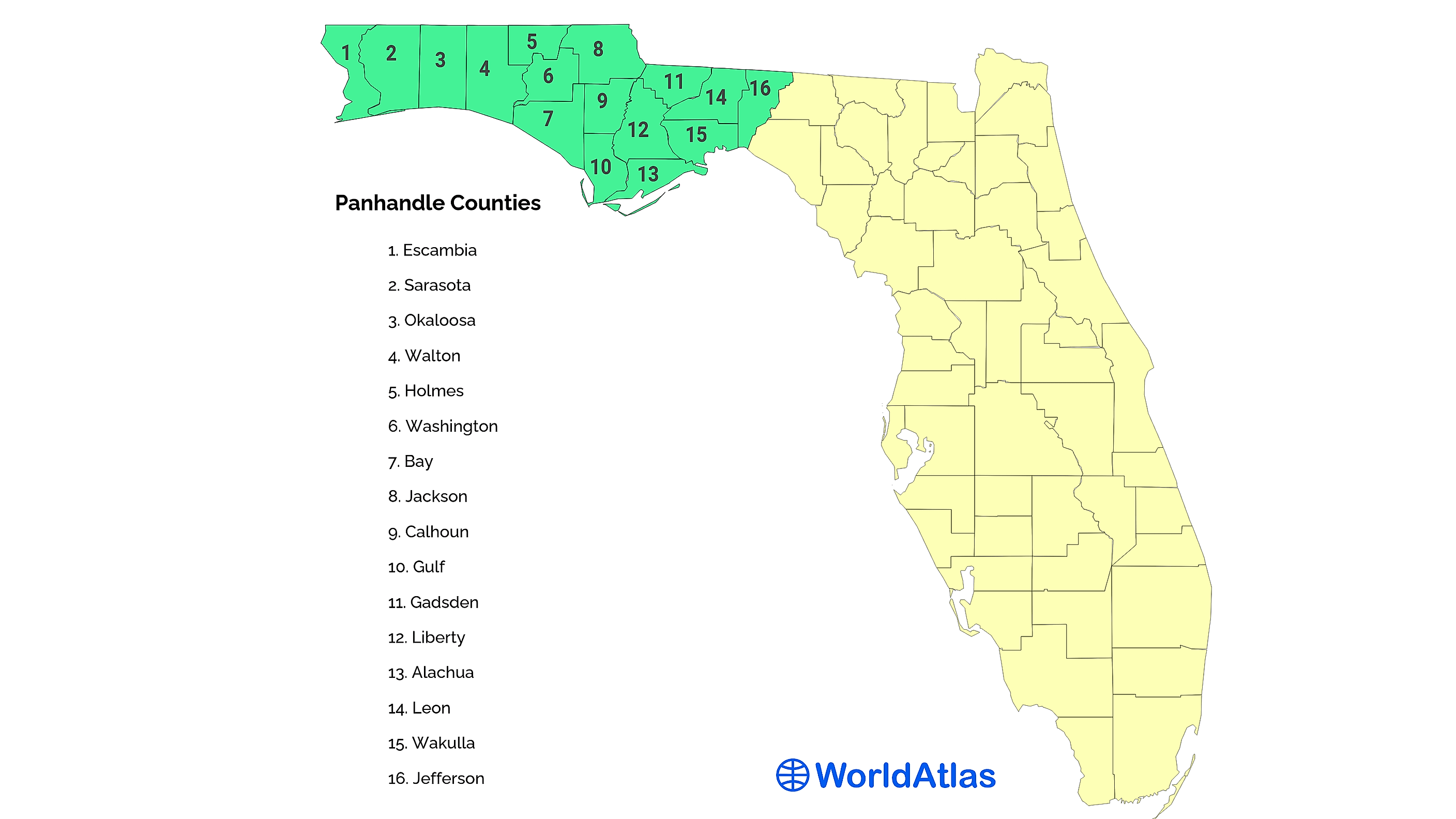
The Panhandle Florida is a region of the Sunshine State that often sparks curiosity and a touch of geographical confusion. Unlike the familiar crescent shape of peninsular Florida, the Panhandle extends westward, forming a distinct and captivating part of the state. This elongated strip of land, bordered by the Gulf of Mexico to the south and the state of Alabama to the north and west, is a treasure trove of diverse landscapes, rich history, and unique coastal charm. Its location, stretching from the Florida-Alabama border all the way to the Apalachicola River, marks it as a transitional zone between the Deep South and the tropical allure of South Florida. Understanding where the Panhandle begins and ends is the first step to unlocking its distinct appeal.

Defining the Panhandle’s Boundaries
The geographical definition of the Florida Panhandle is generally accepted to encompass the northwesternmost portion of the state. Its eastern boundary is most commonly cited as the Apalachicola River, which flows from the Chattahoochee River and forms part of the border with Georgia before meeting the Gulf. However, some definitions extend the eastern edge further east, including areas around Tallahassee and even as far as the St. Marks National Wildlife Refuge. The western edge is unequivocally the state line with Alabama. To the north, it shares its border with Alabama and a small sliver of Georgia.
Key Geographic Markers
- Western Boundary: The border with Alabama.
- Northern Boundary: The state of Alabama and a small portion of Georgia.
- Southern Boundary: The pristine coastline of the Gulf of Mexico, renowned for its sugar-white sand beaches.
- Eastern Boundary (General): The Apalachicola River.
- Eastern Boundary (Extended): Some include areas further east, encompassing Tallahassee and its surrounding regions.
This broad sweep of territory means the Panhandle is a geographically diverse region. It transitions from rolling hills and pine forests in the northern interior to the iconic coastal plains and wetlands closer to the Gulf. This variety influences everything from its climate and ecosystems to its cultural heritage and economic activities.
Exploring the Distinctive Regions Within
While the term “Panhandle” often evokes a singular image, the reality is a collection of distinct sub-regions, each with its own character and attractions. From the bustling urban centers to the serene natural reserves, the Panhandle offers a multifaceted travel experience.
The Emerald Coast
Perhaps the most internationally recognized part of the Panhandle is the Emerald Coast, a stretch of coastline famous for its breathtakingly clear, emerald-green waters and powdery white sand beaches. This popular tourist destination runs roughly from Pensacola in the west to near Destin and Panama City Beach in the east.
- Pensacola: A historic city with a rich military heritage, home to the National Naval Aviation Museum and the Naval Air Station Pensacola. Its downtown area boasts charming Victorian architecture and a vibrant waterfront.
- Destin: Known for its world-class sport fishing, beautiful beaches, and family-friendly attractions. The HarborWalk Village is a lively hub for dining and entertainment.
- Panama City Beach: A quintessential beach resort town offering lively nightlife, water sports, and family entertainment, including the popular Pier Park.
- 30A Corridor: A scenic stretch of highway dotted with charming beach communities like Seaside, Rosemary Beach, and Alys Beach, each offering unique architectural styles and a more laid-back, upscale vibe.
The Forgotten Coast
Moving eastward from the Emerald Coast, the Panhandle transitions into the aptly named Forgotten Coast. This less developed and more serene stretch of coastline is characterized by its natural beauty, abundant wildlife, and charming small towns. It offers a more authentic and tranquil Florida experience.
- Apalachicola: A historic maritime town with a rich past in the oyster and timber industries. Its well-preserved Victorian architecture and lively waterfront make it a charming destination.
- St. George Island: A barrier island known for its pristine beaches, excellent fishing, and the iconic St. George Island Lighthouse. It offers a more relaxed, uncrowded beach experience.
- Carrabelle: A small fishing village that serves as a gateway to the islands of the Apalachee Bay. It’s a popular spot for boating and birdwatching.
- Wakulla County: Home to the stunning Wakulla Springs State Park, one of the largest and deepest natural springs in the world, and the historic Wakulla Springs Lodge.
The Northern Interior
The northern part of the Panhandle, away from the immediate coast, offers a different kind of beauty. Rolling hills, dense pine forests, and extensive hardwood swamps characterize this region. It’s a land of Southern charm, agricultural heritage, and significant natural resources.
- Tallahassee: The state capital, Tallahassee, is a vibrant city that blends its political importance with a rich cultural scene and natural attractions. It’s considered the cultural and political heart of the Panhandle.
- Florida State University and Florida A&M University contribute to a youthful energy and a wealth of cultural events.
- The State Capitol Building and the Museum of Florida History offer insights into the state’s past and present.
- Nearby natural attractions include Alfred B. Maclay Gardens State Park and the San Luis Mission Park.
- Marianna: Located in Jackson County, Marianna is known for its limestone caves, including the popular Florida Caverns State Park, offering a glimpse into underground geological wonders.
- Chipley: A small town that serves as a gateway to various outdoor recreational opportunities in the region.
A Tapestry of History and Culture
The Panhandle’s history is as diverse as its landscapes. From its indigenous roots and colonial past to its role in the Civil War and its development as a strategic military and agricultural region, the area is steeped in stories.
Indigenous Heritage and Early Exploration
The region was inhabited by various Native American tribes for thousands of years before European arrival. Spanish explorers were among the first Europeans to map and explore the coastline, laying claim to the territory for the Spanish Crown.
Colonial Era and Statehood
Throughout the colonial period, the Panhandle was a frontier zone, contested by Spain, Great Britain, and France. After Florida became a U.S. territory in 1821, Pensacola was chosen as its first capital, reflecting its strategic importance on the Gulf Coast. The city served as a vital port and naval base.
The Civil War and Reconstruction
The Panhandle played a significant role during the American Civil War. Pensacola was a Confederate stronghold, and the region saw several key battles, including the Battle of Olustee, although it was a smaller engagement than those in other parts of the Confederacy. The post-war Reconstruction era brought further challenges and changes to the region.
20th Century Development
The 20th century saw the rise of agriculture, particularly timber and pulpwood industries, and the development of significant military installations, such as Eglin Air Force Base and Hurlburt Field, which have had a profound economic and cultural impact. The growth of tourism, especially along the Emerald Coast, has become a major economic driver in recent decades.
Experiencing the Panhandle: A Traveler’s Guide
The Florida Panhandle offers an eclectic mix of experiences for every type of traveler. Whether you seek relaxation on world-class beaches, adventure in natural reserves, or a dive into history and local culture, this region delivers.
Beach Bliss and Coastal Adventures
The primary draw for many visitors is the stunning coastline. The sugar-white sands and clear turquoise waters of the Emerald Coast are ideal for swimming, sunbathing, and water sports.
- Water Activities: Kayaking, paddleboarding, jet-skiing, parasailing, and charter fishing are readily available in popular destinations like Destin and Panama City Beach.
- Diving and Snorkeling: The Gulf waters offer opportunities for diving and snorkeling, particularly around artificial reefs and natural formations.
- Shelling: Islands like St. George Island are renowned for their abundant shelling opportunities.
Nature and Wildlife Encounters
Beyond the beaches, the Panhandle’s natural beauty unfolds in its state parks, wildlife refuges, and protected areas.
- State Parks: From the springs of Wakulla Springs State Park to the coastal trails of T.H. Stone Memorial St. Joseph Peninsula State Park, numerous state parks offer hiking, camping, birdwatching, and exploration.
- Wildlife Viewing: The region is a haven for diverse wildlife, including migratory birds, sea turtles, dolphins, and various marine species. The St. Marks National Wildlife Refuge is a premier spot for birdwatching.
- Caving: Florida Caverns State Park near Marianna provides a unique subterranean adventure.

Cultural and Historical Exploration
The Panhandle’s rich history is accessible through its charming towns, museums, and historic sites.
- Historic Towns: Wandering through the historic districts of Pensacola and Apalachicola offers a glimpse into the region’s past.
- Museums: The National Naval Aviation Museum in Pensacola is a must-visit for aviation enthusiasts. The Confederate Memorial Park in Kestler offers historical context.
- Lighthouses: Iconic structures like the Pensacola Lighthouse and the St. George Island Lighthouse provide panoramic views and historical narratives.
The Florida Panhandle is more than just a geographical designation; it’s a distinct region with a unique identity, shaped by its geography, history, and the diverse people who call it home. From the vibrant shores of the Emerald Coast to the serene natural beauty of the Forgotten Coast and the historic heart of Tallahassee, this captivating part of Florida promises an unforgettable travel experience.
LifeOutOfTheBox is a participant in the Amazon Services LLC Associates Program, an affiliate advertising program designed to provide a means for sites to earn advertising fees by advertising and linking to Amazon.com. Amazon, the Amazon logo, AmazonSupply, and the AmazonSupply logo are trademarks of Amazon.com, Inc. or its affiliates. As an Amazon Associate we earn affiliate commissions from qualifying purchases.