
The Port of Miami, often hailed as the “Cruise Capital of the World,” is a vital artery for global commerce and a cornerstone of the vibrant Florida tourism industry. Its strategic location, exceptional infrastructure, and unparalleled access to the Caribbean and beyond make it a magnet for cruise lines, cargo ships, and travelers alike. For those planning a voyage or simply curious about this bustling maritime hub, understanding its precise location and significance is paramount.
Navigating the Waters: Port of Miami’s Prime Location
The Port of Miami is situated on Dodge Island, an artificial island situated in Biscayne Bay, directly off the coast of downtown Miami, Florida. This advantageous positioning provides immediate access to the Atlantic Ocean while remaining conveniently close to the urban amenities of Miami. The island itself was created by the dredging of Biscayne Bay, a testament to the engineering prowess that underpins the port’s existence.

Geographical Coordinates and Access Points
Geographically, the Port of Miami is located at approximately 25.7770° N latitude and 80.1844° W longitude. This central position in South Florida makes it an accessible gateway for a vast number of travelers. Access to the port is primarily facilitated by a network of well-maintained roadways that connect to major expressways.
- From Miami International Airport (MIA): Travelers arriving by air can reach the port via a short taxi or rideshare journey, typically taking around 15-20 minutes depending on traffic. Major rental car agencies are also available at the airport, providing convenient options for those wishing to drive themselves.
- From Fort Lauderdale-Hollywood International Airport (FLL): While further afield, passengers arriving at FLL can also access the Port of Miami. This journey usually takes between 45 minutes to an hour by car, again subject to traffic conditions. Shuttle services and private transfers are readily available.
- By Road: The port is easily accessible from I-95 North and South, as well as the Palmetto Expressway (SR 826). Clear signage guides visitors directly to the cruise terminals and cargo facilities.
The proximity to the vibrant downtown Miami area means that visitors have a plethora of dining, shopping, and entertainment options available before or after their cruise, enhancing the overall travel experience.
The Pillars of Operation: Cruise and Cargo Facilities
The Port of Miami is not a monolithic entity; it is comprised of distinct areas dedicated to its two primary functions: passenger cruises and cargo operations. Each section boasts specialized infrastructure to handle its unique demands.
Cruise Terminals: Gateways to Tropical Escapes
The port is home to numerous state-of-the-art cruise terminals, each designed to accommodate some of the world’s largest and most luxurious cruise ships. These terminals are the bustling embarkation points for millions of passengers embarking on voyages to the Caribbean, Mexico, and beyond.
- Terminal D: Often considered one of the most modern and visually striking terminals, Terminal D is a regular homeport for ships from Royal Caribbean International. Its expansive design and efficient passenger processing capabilities ensure a smooth start to any cruise vacation.
- Terminal E: Another significant hub for cruise operations, Terminal E services various cruise lines, offering ample space for waiting areas, check-in counters, and security screening.
- Terminal F: This terminal is known for its impressive architecture and capacity, often housing some of the largest vessels in cruise fleets, including those from MSC Cruises.
- Terminal G: A key terminal for operations involving ships from Norwegian Cruise Line, Terminal G is equipped with advanced technology to streamline the boarding process.
- Terminal H: Serving primarily Carnival Cruise Line departures, Terminal H is designed for high-volume passenger traffic.
- Terminal J: A more recent addition, Terminal J is a particularly impressive facility, designed to accommodate the largest class of cruise ships, such as those in the Royal Caribbean Oasis and Icon classes. Its sheer scale and advanced amenities underscore the port’s commitment to staying at the forefront of the cruise industry.
- Terminal K: This terminal, also designed for large vessels, further enhances the port’s capacity to handle the ever-growing demand for Caribbean cruises.
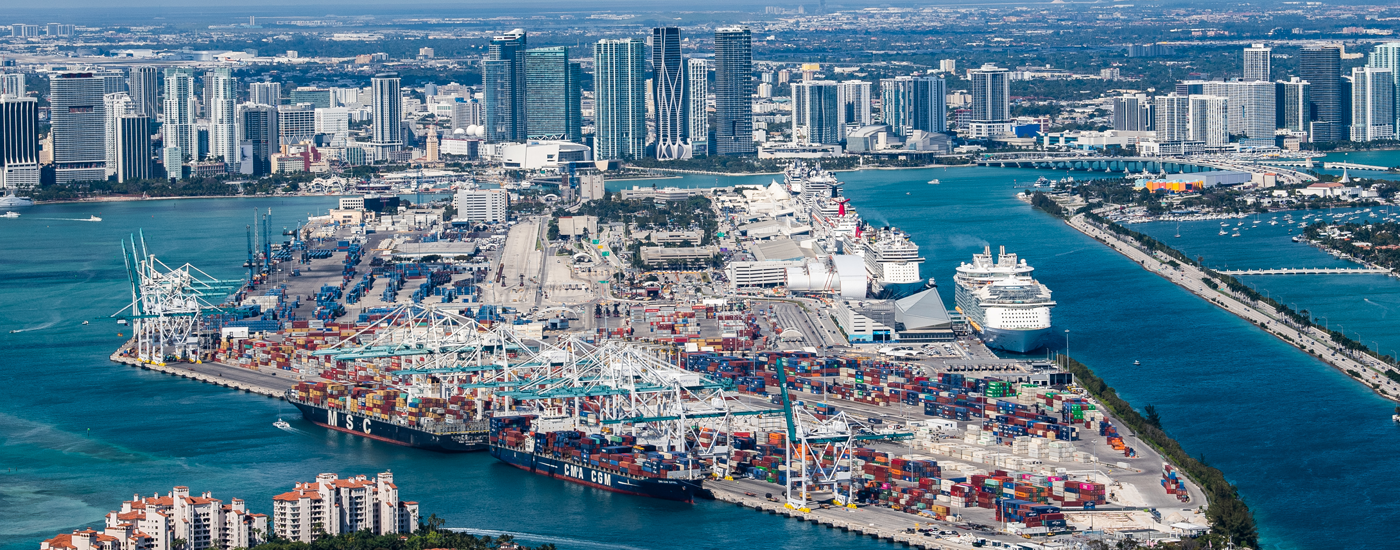
Each terminal is equipped with modern amenities, including comfortable seating areas, retail shops, food and beverage outlets, and efficient baggage handling systems, all designed to provide passengers with a seamless and enjoyable embarkation experience.
Cargo Facilities: The Engine of Global Trade
Beyond its celebrated role in leisure travel, the Port of Miami is a crucial player in international trade. Its extensive cargo facilities are equipped to handle a diverse range of goods, from consumer products to industrial materials.
- Container Terminals: The port features highly automated container terminals capable of processing a significant volume of TEUs (twenty-foot equivalent units). These terminals are supported by advanced gantry cranes and sophisticated logistics systems.
- Refrigerated Cargo Facilities: Recognizing the importance of perishable goods, the port boasts extensive facilities for refrigerated containers, essential for the import and export of fresh produce, seafood, and pharmaceuticals.
- Break Bulk and Ro-Ro Facilities: The port also accommodates break bulk cargo (non-containerized goods) and Roll-on/Roll-off (Ro-Ro) vessels, facilitating the movement of vehicles, heavy machinery, and oversized equipment.
The strategic location of these cargo facilities, coupled with their integration into the broader transportation network, makes the Port of Miami a critical hub for commerce connecting North America with Latin America and the Caribbean.
Beyond the Docks: The Port’s Role in the Miami Landscape
The Port of Miami is more than just a point of departure or arrival; it is an integral part of the Miami identity and economy. Its presence has shaped the development of the surrounding areas and contributes significantly to the region’s economic vitality.
Economic Impact and Employment
As one of the largest economic engines in South Florida, the Port of Miami generates billions of dollars in economic activity annually. It is a major source of employment, providing thousands of direct and indirect jobs in sectors such as maritime operations, logistics, tourism, hospitality, and retail. The jobs range from highly skilled positions in port management and engineering to essential roles in customer service and cargo handling.
Connectivity to Miami Attractions
The port’s proximity to downtown Miami and Miami Beach offers travelers unparalleled access to a wealth of attractions.
- Bayside Marketplace: Located just a stone’s throw from the port, Bayside Marketplace is a popular waterfront shopping and entertainment complex, offering a variety of shops, restaurants, and boat tours.
- Brickell Avenue: Known as Miami’s financial district, Brickell offers upscale shopping, dining, and vibrant nightlife, easily accessible from the port.
- South Beach: A short drive or taxi ride away, the iconic Art Deco architecture, sandy beaches, and energetic atmosphere of South Beach provide an unforgettable urban beach experience.
- Wynwood Arts District: For those interested in contemporary art and vibrant street murals, the Wynwood Arts District is a must-visit destination.

Future Development and Sustainability
The Port of Miami is continuously investing in its infrastructure and operations to maintain its competitive edge and address environmental concerns. Recent projects have focused on deepening channels to accommodate larger vessels, upgrading terminal facilities, and implementing sustainable practices. The port is committed to reducing its environmental footprint through initiatives aimed at improving air quality, managing waste responsibly, and promoting energy efficiency, ensuring its continued role as a leading maritime center for generations to come.
LifeOutOfTheBox is a participant in the Amazon Services LLC Associates Program, an affiliate advertising program designed to provide a means for sites to earn advertising fees by advertising and linking to Amazon.com. Amazon, the Amazon logo, AmazonSupply, and the AmazonSupply logo are trademarks of Amazon.com, Inc. or its affiliates. As an Amazon Associate we earn affiliate commissions from qualifying purchases.