
The Sierra Nevada mountain range, a name that evokes images of rugged peaks, pristine alpine lakes, and ancient forests, is a prominent geographical feature in the western United States. Its sheer grandeur and ecological significance make it a magnet for adventurers, nature enthusiasts, and anyone seeking to connect with the wild heart of California and Nevada. Understanding its location is the first step to experiencing its manifold wonders.
Geographical Location and Extent
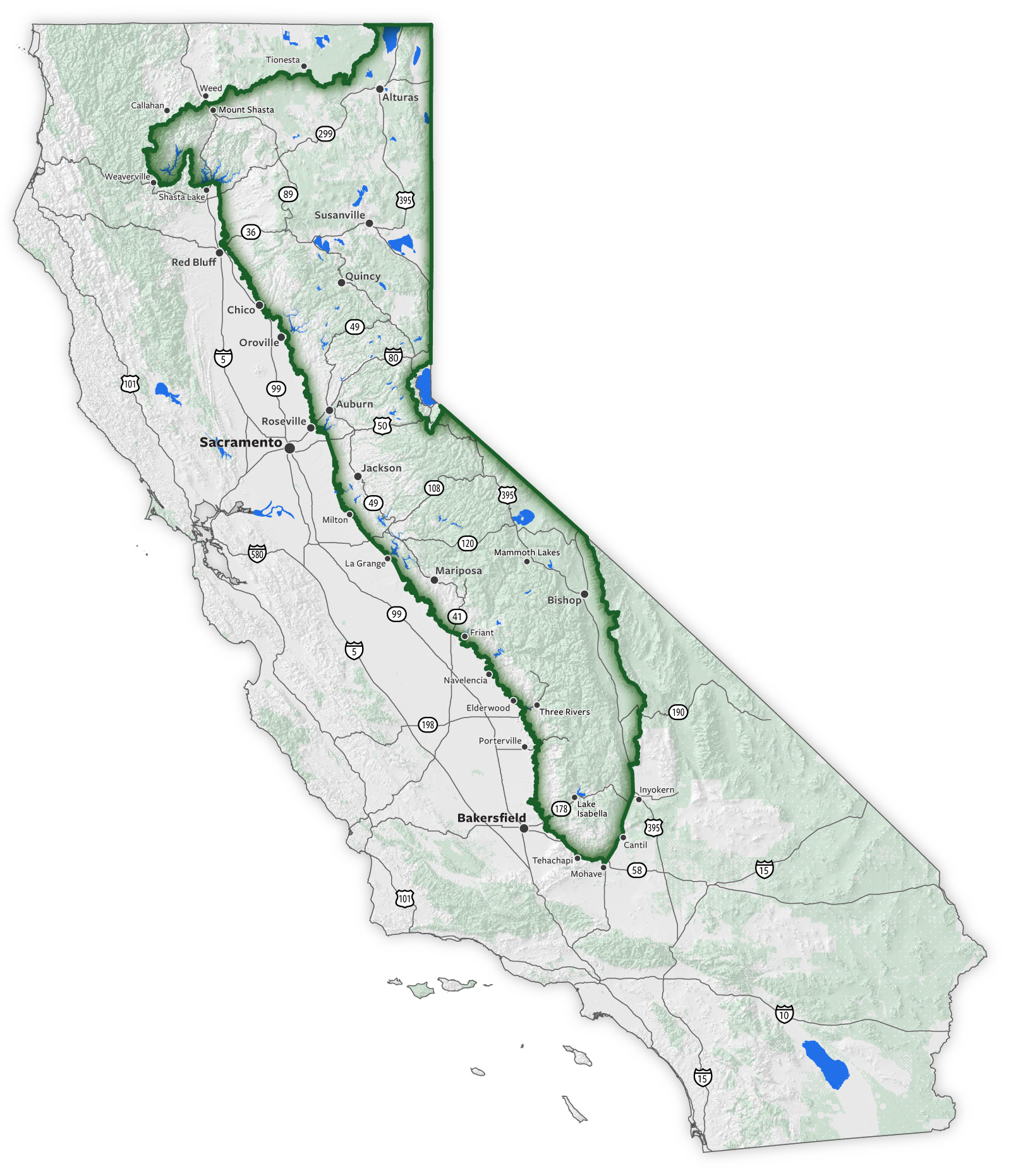
The Sierra Nevada is a major mountain range that primarily lies within the state of California, stretching in a northwest-to-southeast direction for approximately 400 miles (640 kilometers). It forms a substantial barrier between the fertile Central Valley of California to the west and the arid Great Basin of Nevada to the east. The range’s southern terminus is often considered to be the area near the Tehachapi Pass, while its northern extent is near the Feather River.
Dominant Features and Boundaries
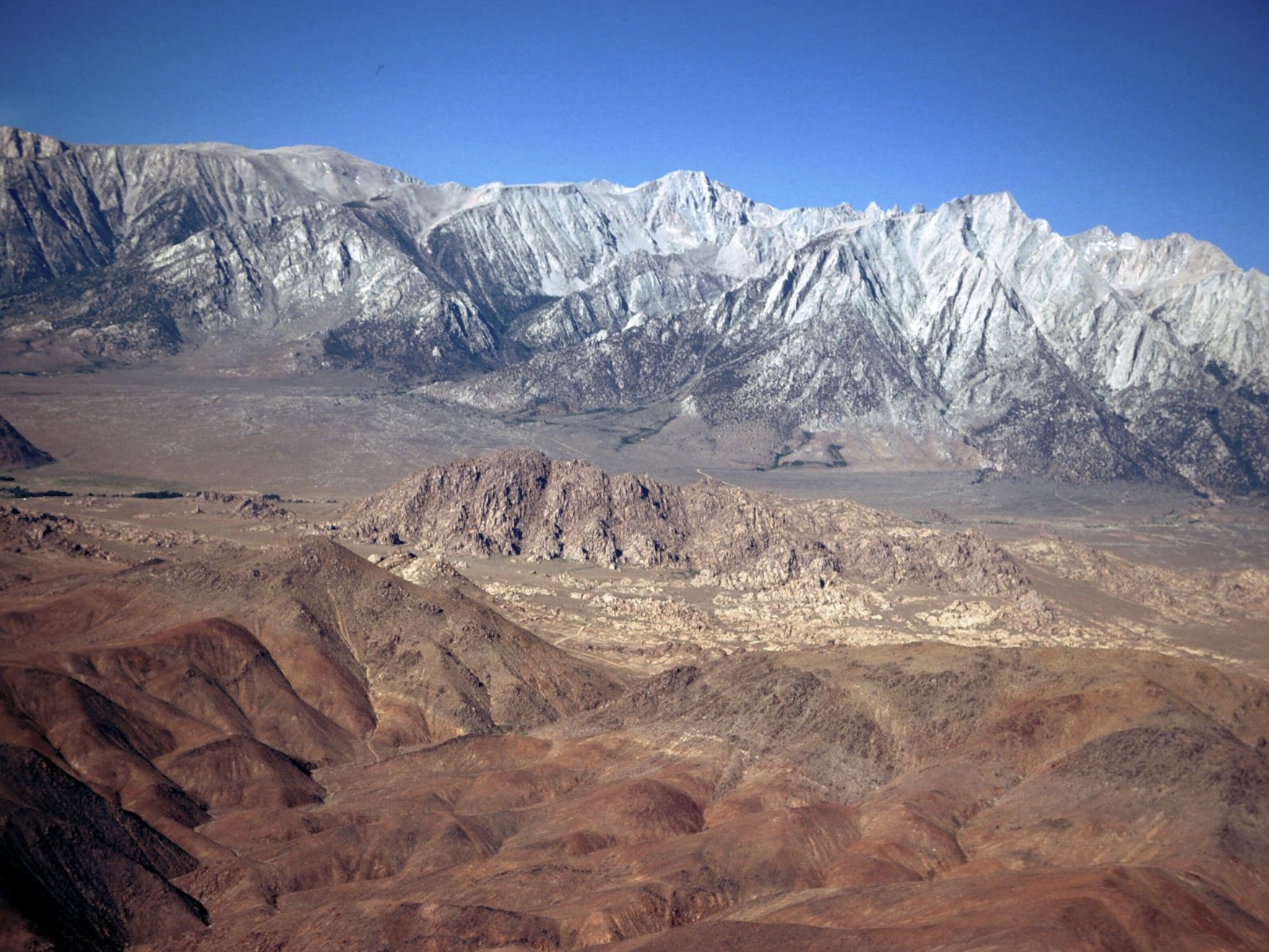
The range is characterized by its dramatic elevation changes. Its western slopes are generally gentler, gradually ascending from the foothills to the high peaks. In contrast, the eastern escarpment is remarkably steep, dropping sharply into the Great Basin. This stark topographical difference is a direct result of the region’s geological history, marked by faulting and uplift.
Key geographical features that define the Sierra Nevada include:
- The High Sierra: This is the most iconic and rugged section, home to Mount Whitney, the highest peak in the contiguous United States, and a multitude of jagged granite peaks, deep canyons, and extensive alpine meadows.
- Glacial Influence: The range bears extensive evidence of past glaciation. Numerous cirques, U-shaped valleys, and moraines attest to the powerful erosive forces of ancient ice sheets, which sculpted the landscape into its present form. This glacial activity is responsible for the formation of many of the Sierra’s stunning lakes.
- Major Passes: Several important passes cut through the Sierra Nevada, facilitating transportation and trade. These include Donner Pass, Tioga Pass (which is seasonally closed), and Tehachapi Pass.
Political and State Boundaries
While predominantly associated with California, the Sierra Nevada‘s eastern slopes and foothills extend into the state of Nevada. The boundary between the two states largely follows the crest of the range in many sections. This dual-state presence influences the management and conservation efforts within the Sierra Nevada, often requiring cooperation between federal agencies and state governments.
Iconic Peaks and Natural Wonders
The Sierra Nevada is a treasure trove of natural beauty, boasting some of the most recognizable and awe-inspiring landscapes in North America. Its peaks, valleys, and forests are not just geographically significant but are also vital ecosystems and cherished recreational areas.
Mount Whitney and the Highest Elevations
Standing sentinel over the Sierra Nevada is Mount Whitney, reaching an elevation of 14,505 feet (4,421 meters). It is a formidable peak that draws climbers and hikers from around the globe. The ascent to its summit is a challenging but rewarding endeavor, offering unparalleled panoramic views of the surrounding mountain wilderness. The Mount Whitney Trail is one of the most popular routes, requiring permits and careful planning due to its difficulty and popularity.
Yosemite Valley: A Crown Jewel
Perhaps the most famous natural attraction within the Sierra Nevada is Yosemite Valley. Carved by glaciers over millennia, the valley is renowned for its towering granite cliffs, including El Capitan and Half Dome, its breathtaking waterfalls like Yosemite Falls and Bridalveil Fall, and its ancient giant sequoia groves. Yosemite National Park, established in 1890, protects a vast expanse of the Sierra Nevada and is a UNESCO World Heritage Site.
Sequoia and Kings Canyon National Parks
Further south in the Sierra Nevada lie Sequoia National Park and Kings Canyon National Park. These parks are celebrated for their colossal giant sequoia trees, the largest living organisms on Earth by volume. The General Sherman Tree, located in Sequoia National Park, is the most famous of these giants. The parks also encompass rugged mountain terrain, deep canyons, and alpine lakes, offering a more remote and wild experience compared to Yosemite Valley.
Lake Tahoe: A Jewel of the Mountains
Straddling the border between California and Nevada is Lake Tahoe, an immense freshwater lake renowned for its stunning turquoise waters and surrounding snow-capped peaks. At over 1,600 feet deep, it is the second deepest lake in the United States and the largest alpine lake in North America. The Lake Tahoe Basin is a major recreational hub, offering activities year-round, from skiing and snowboarding in the winter to boating and hiking in the summer.
Climate and Ecosystems
The Sierra Nevada exhibits a diverse range of climates and ecosystems, dictated by its significant elevation changes and latitudinal extent. This variation supports a rich tapestry of flora and fauna.
Elevation Zones and Vegetation
As one ascends the Sierra Nevada, distinct vegetation zones emerge, each adapted to specific temperature and precipitation regimes:
- Foothills: The lower elevations are often characterized by chaparral, oak woodlands, and grasslands. This zone is typically drier and warmer than the higher elevations.
- Montane Zone: This is the classic “mountain forest” zone, dominated by coniferous trees such as ponderosa pine, sugar pine, white fir, and incense-cedar. This zone is found at moderate elevations and experiences distinct seasons.
- Subalpine Zone: As elevations increase, the forests become sparser, and trees like lodgepole pine, red fir, and mountain hemlock become prevalent. This zone is characterized by harsher winters and shorter growing seasons.
- Alpine Zone: Above the treeline, the landscape transforms into alpine meadows, rocky slopes, and permanent snowfields. Vegetation in this zone is low-growing and hardy, adapted to extreme conditions.
Precipitation Patterns and Snowpack
The Sierra Nevada plays a crucial role in California’s water supply. The vast majority of precipitation falls as snow at higher elevations during the winter months. This snowpack acts as a natural reservoir, gradually melting in the spring and summer to provide water for agriculture, urban use, and ecosystems throughout the state. The health of the Sierra Nevada snowpack is a critical indicator of California’s water security.
Wildlife Diversity
The varied habitats within the Sierra Nevada support a remarkable array of wildlife. Common mammals include black bears, mule deer, coyotes, bobcats, and various rodents. Birdlife is abundant, with species like the Steller’s jay, American dipper, and various raptors calling the range home. The Sierra Nevada is also home to iconic species such as the Sierra Nevada bighorn sheep, which has seen conservation efforts to protect its dwindling population.
Access and Recreational Opportunities
The Sierra Nevada is a playground for outdoor enthusiasts, offering a wealth of recreational activities that allow visitors to immerse themselves in its stunning natural beauty.
National Parks and Wilderness Areas
The Sierra Nevada is home to several renowned national parks, including Yosemite, Sequoia, Kings Canyon, Lassen Volcanic, and Sequoia & Kings Canyon National Parks. These parks provide protected areas for conservation and offer extensive infrastructure for visitors, including campgrounds, visitor centers, and numerous trails.
Beyond the national parks, vast tracts of the Sierra Nevada are designated as Wilderness Areas. These areas are managed to preserve their wild character, with minimal human intervention and strict regulations against motorized use. Popular wilderness areas include the John Muir Wilderness, the Ansel Adams Wilderness, and the Emigrant Wilderness, offering unparalleled opportunities for backpacking and solitude.
Hiking and Backpacking
Hiking is arguably the most popular activity in the Sierra Nevada. From short, interpretive nature trails to multi-day backcountry expeditions, there is a trail for every fitness level and interest. The Pacific Crest Trail (PCT), a long-distance hiking trail that traverses the entire length of the Sierra Nevada, is a famous route for thru-hikers and offers segments for day hikers. Iconic trails like the Mist Trail in Yosemite and the trail to the summit of Mount Whitney are bucket-list experiences for many.
Winter Sports
During the winter months, the Sierra Nevada transforms into a premier destination for snow sports. Resorts like Mammoth Mountain, Palisades Tahoe, and Heavenly Mountain Resort at Lake Tahoe offer world-class skiing and snowboarding. The abundant snowfall ensures a long and vibrant winter sports season. Cross-country skiing, snowshoeing, and backcountry ski touring are also popular ways to experience the winter wonderland.
Climbing and Mountaineering
The granite peaks of the Sierra Nevada are a mecca for climbers. Yosemite is particularly famous for its big wall climbing, attracting elite climbers to tackle challenging routes on formations like El Capitan. Mountaineers are drawn to the higher peaks, especially during the spring and fall when conditions are more favorable for ascents of peaks like Mount Whitney and Mount Shasta.
Other Activities
Beyond hiking, climbing, and winter sports, the Sierra Nevada offers a wide range of other recreational pursuits. Boating and fishing are popular on Lake Tahoe and other alpine lakes. Rock climbing, mountain biking, horseback riding, and wildlife viewing are also widely enjoyed throughout the range. The sheer scale and diversity of the Sierra Nevada ensure that there is an outdoor adventure for every visitor.
LifeOutOfTheBox is a participant in the Amazon Services LLC Associates Program, an affiliate advertising program designed to provide a means for sites to earn advertising fees by advertising and linking to Amazon.com. Amazon, the Amazon logo, AmazonSupply, and the AmazonSupply logo are trademarks of Amazon.com, Inc. or its affiliates. As an Amazon Associate we earn affiliate commissions from qualifying purchases.