
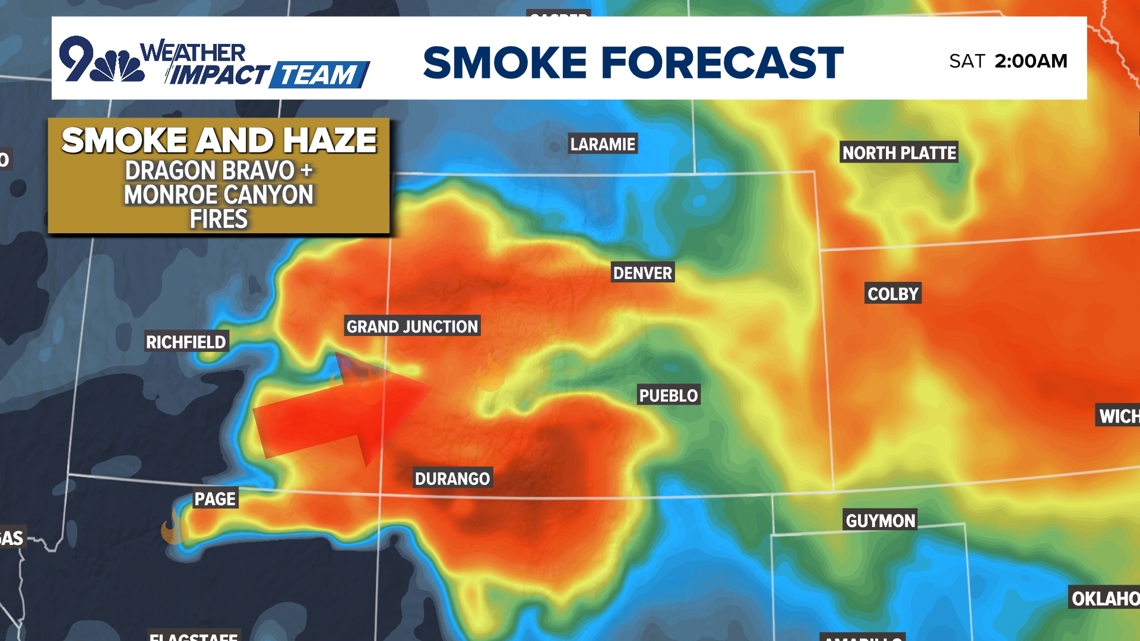
The scent of woodsmoke, carried on the wind, is a familiar, albeit often concerning, signal across the vast landscapes of the American West. For those planning a visit to the Centennial State, particularly during the warmer months, the question “Where is the smoke coming from in Colorado?” can arise with an unsettling frequency. Understanding the sources and implications of this phenomenon is crucial for a fulfilling and safe travel experience, allowing visitors to appreciate the state’s natural beauty without undue worry. While smoke often conjures images of wildfires, its origins in Colorado are multifaceted, encompassing not just destructive blazes but also managed burns and even agricultural practices.
The Culprit: Wildfires and Their Roots
The most prominent and concerning source of smoke in Colorado is undoubtedly wildfires. The state’s diverse topography, ranging from arid plains to dense alpine forests, creates a varied ecosystem susceptible to ignition. Understanding the factors contributing to these fires is key to appreciating their prevalence.
Ignition Sources
Wildfires in Colorado, as elsewhere, are typically ignited by one of two primary sources:
-
Lightning: Particularly during the summer monsoon season, thunderstorms frequently sweep across the state. While they bring much-needed moisture, they also carry a significant risk of lightning strikes, which can ignite dry vegetation, especially in remote, inaccessible areas. These “natural” ignitions are a significant driver of wildfire activity.
-
Human Activity: Unfortunately, human carelessness remains a leading cause of wildfires. This can range from unattended campfires and improperly discarded cigarettes to sparks from equipment, vehicles, or even intentional arson. As more people venture into Colorado’s backcountry for recreation, the potential for human-caused ignitions unfortunately increases.
Contributing Factors to Fire Behavior
Beyond ignition, several environmental factors dictate the size and intensity of wildfires, and therefore the extent of the smoke plumes visible:
-
Drought Conditions: Prolonged periods of low precipitation create dry fuel beds – grasses, shrubs, and trees – that are highly flammable. Colorado has experienced significant drought cycles in recent decades, exacerbating wildfire risk. When combined with high temperatures, these dry conditions can lead to rapid fire spread and intense burning.
-
Fuel Load: The accumulation of dead vegetation on the forest floor acts as tinder, providing ample material for fires to consume. Dense forests, particularly those recovering from past insect infestations or logging, can have a significant fuel load. Natural processes and management strategies aim to reduce this, but accumulation is an ongoing challenge.
-
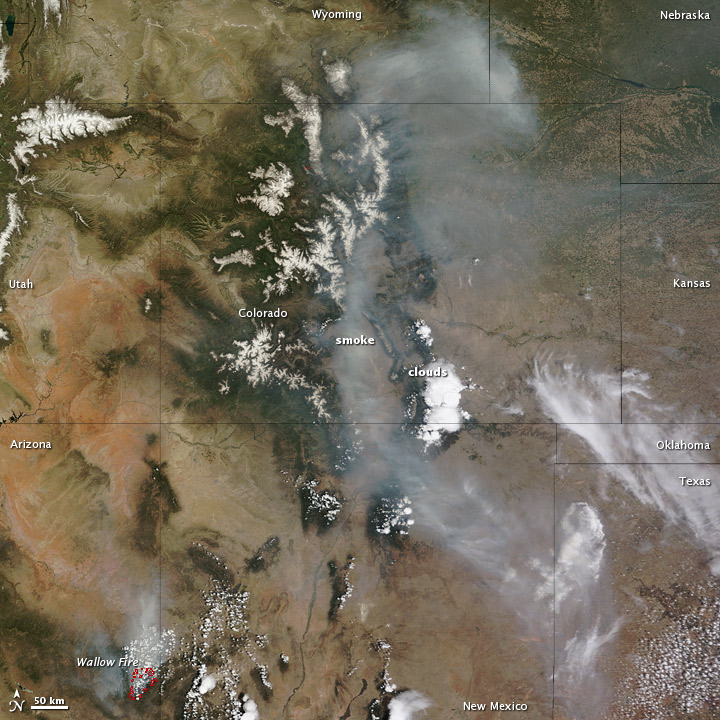
Wind Patterns: Wind plays a critical role in wildfire behavior. Strong winds can fan flames, rapidly spreading fire across landscapes and pushing smoke in specific directions, often impacting distant communities and popular tourist destinations. Understanding prevailing wind patterns can help predict where smoke might travel.
Famous Wildfires and Their Impact
Colorado has a history of significant wildfires that have left a lasting impact on its landscapes and communities. The Hayman Fire in 2002, one of the largest in the state’s history, burned over 138,000 acres and produced vast amounts of smoke that affected much of the Front Range, impacting air quality in cities like Denver and Colorado Springs. More recently, fires like the Cameron Peak Fire and the East Troublesome Fire in 2020 demonstrated the state’s vulnerability to large, fast-moving incidents, casting a smoky pall over areas typically enjoyed for their pristine natural beauty, including national forests like the Arapaho Roosevelt National Forest. These events underscore the dynamic nature of Colorado’s environment and the ever-present threat of wildfire.
Beyond Wildfires: Other Smoke Sources
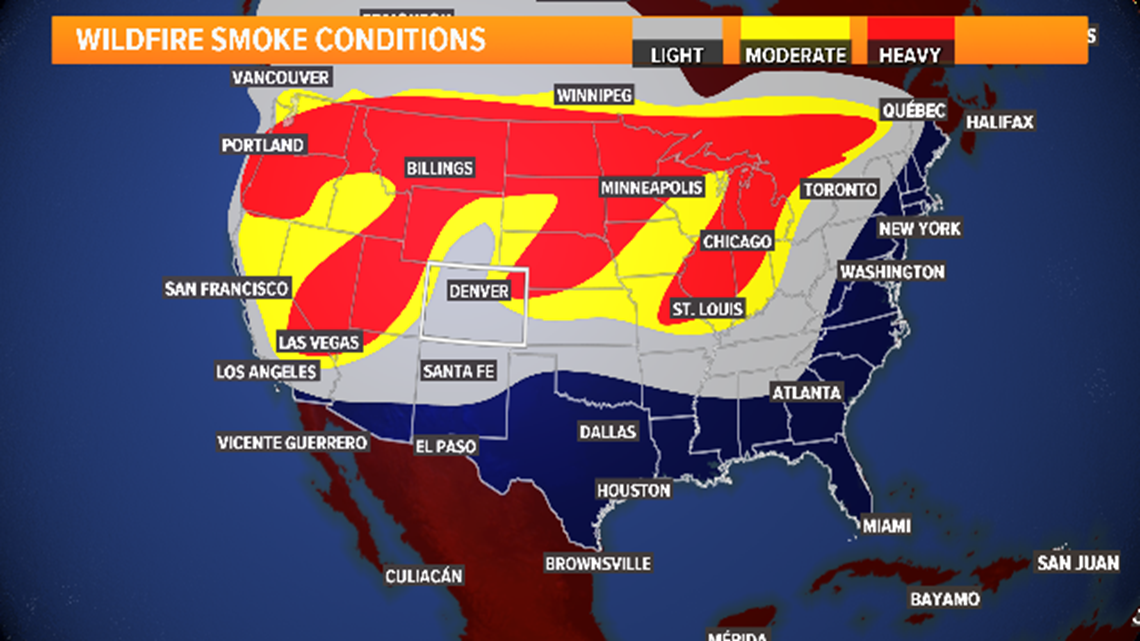
While wildfires are the most dramatic and visible source of smoke, it’s important to recognize that other activities can also contribute to the smoky air experienced in Colorado. These are generally less concerning and often more predictable.
Prescribed Burns (Controlled Burns)
Forest and land management agencies, including the U.S. Forest Service and various state divisions, regularly conduct prescribed burns. These are intentional, carefully controlled fires set under specific weather conditions to achieve ecological goals.
-
Ecological Benefits: Prescribed burns are vital tools for maintaining forest health. They help reduce fuel loads, prevent catastrophic wildfires, promote the germination of certain plant species, and restore natural fire regimes to ecosystems that have evolved with fire.
-
Predictability and Planning: Unlike wildfires, prescribed burns are planned events. Agencies issue public notifications detailing the location, duration, and expected impact of these burns. While they do produce smoke, it is typically more localized and dissipates as planned, often with benefits for long-term air quality and forest resilience. Visitors can often check local forestry division websites for burn plan schedules.
Agricultural Burning
In some agricultural regions of Colorado, particularly in the eastern plains, agricultural burning may be practiced. This typically involves the controlled burning of crop residue, such as corn stalks or hay stubble, after harvest.
-
Disposal and Soil Benefits: This practice can be an efficient method for disposing of agricultural waste and can have some benefits for soil health by returning nutrients.
-
Seasonal and Localized: Agricultural burning is usually seasonal and geographically specific to farming areas. The smoke produced is generally less intense than that from large wildfires and dissipates relatively quickly.
Navigating Smoky Skies: Tips for Travelers
Experiencing smoky conditions during a visit to Colorado doesn’t have to detract from your trip. With a little preparedness and flexibility, you can still enjoy the state’s wonders.
Before You Go: Stay Informed
-
Check Air Quality Reports: Websites like AirNow.gov provide real-time air quality data, including Air Quality Index (AQI) readings and smoke forecasts. This is an invaluable tool for understanding current conditions in your intended destination.
-
Monitor Fire Information: Websites such as InciWeb.nwcg.gov provide updates on active wildfires, including their locations, containment status, and any evacuation orders or closures. The National Interagency Fire Center (NIFC) also offers broader national fire situation reports.
-
Follow Local News and Social Media: Local news outlets and official social media accounts for parks, forests, and emergency services are excellent sources of up-to-the-minute information.
During Your Visit: Adapting Your Plans
-
Prioritize Indoor Activities: If smoke levels are high in an area, consider shifting your focus to indoor attractions. Many towns offer museums, art galleries, breweries, and restaurants that provide a welcome respite from smoky air. For example, a planned hike in Rocky Mountain National Park might be substituted with a visit to the Denver Museum of Nature & Science or a tasting tour of Colorado’s craft breweries.
-
Adjust Outdoor Itineraries: If smoke is present but not severe, you may still be able to enjoy outdoor activities. Opt for higher elevations where smoke may be less concentrated, or choose activities that involve less strenuous exertion, as heavy breathing can increase smoke inhalation. Exploring the charming mountain towns like Aspen or Telluride might still be enjoyable, perhaps with shorter walks or scenic drives rather than lengthy hikes.
-
Consider a “Smoke-Free” Zone: Some parts of Colorado might be less affected by smoke than others. For instance, the western slope of the Rockies can sometimes offer clearer air when the Front Range is experiencing smoke from fires to the west. Flexibility in your itinerary can allow you to pivot to areas with better air quality.
-
Protect Your Health:
- N95 Masks: If you are particularly sensitive to smoke, consider bringing N95 masks. These are highly effective at filtering out fine particulate matter that constitutes wildfire smoke.
- Limit Exposure: During periods of poor air quality, reduce strenuous outdoor activities. Stay indoors with windows and doors closed as much as possible.
- Hydration: Drink plenty of water, as smoke can irritate the respiratory system and dehydration can exacerbate the effects.
By understanding the various sources of smoke in Colorado and staying informed, travelers can navigate potential challenges and continue to experience the breathtaking beauty and diverse attractions the Centennial State has to offer, from the majestic peaks of the Rockies to the charming historic towns that dot its landscape.
LifeOutOfTheBox is a participant in the Amazon Services LLC Associates Program, an affiliate advertising program designed to provide a means for sites to earn advertising fees by advertising and linking to Amazon.com. Amazon, the Amazon logo, AmazonSupply, and the AmazonSupply logo are trademarks of Amazon.com, Inc. or its affiliates. As an Amazon Associate we earn affiliate commissions from qualifying purchases.