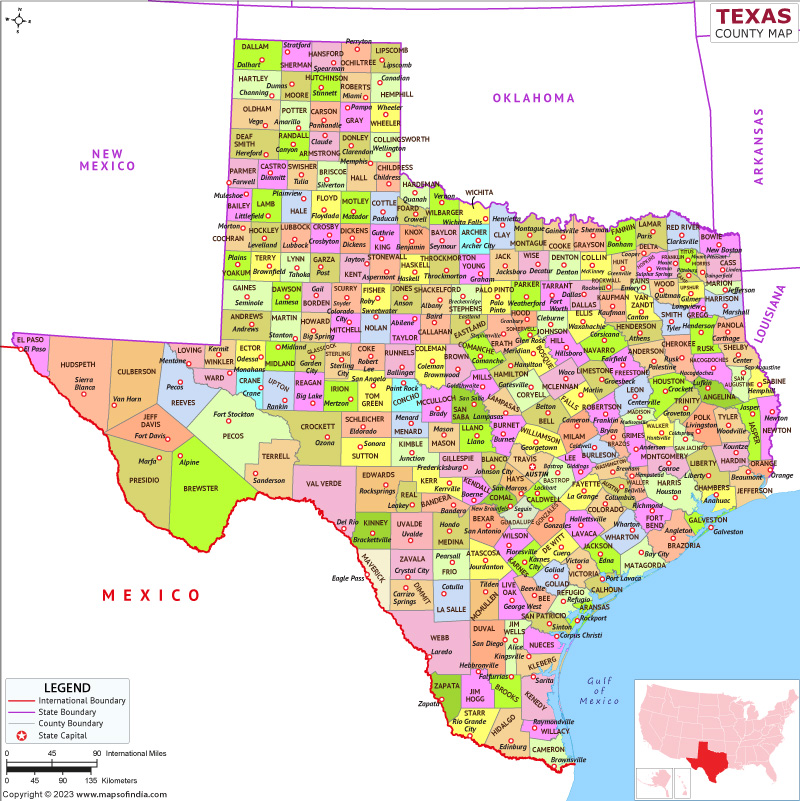
The question “Where is the state of Texas?” might seem simple to those familiar with the geography of the United States. Yet, for travelers planning an adventure or seeking a deeper understanding of this expansive and diverse region, its location is just the beginning of a fascinating exploration. Texas, often referred to as the Lone Star State, isn’t just a place on a map; it’s a colossal land of contrasting landscapes, rich history, vibrant cultures, and countless experiences waiting to be discovered. Situated in the South Central region of the United States, Texas serves as a vital bridge between the country’s interior and its southern border with Mexico. Its immense size and strategic position have profoundly shaped its identity, making it a unique destination that caters to every type of traveler, from those seeking rugged outdoor adventures to urban explorers, history buffs, and luxury seekers.
Defining the Lone Star State: A Geographical & Cultural Overview
To truly grasp what Texas offers, one must first understand its foundational context. Its vastness is not merely a number; it dictates everything from climate zones to economic drivers and cultural nuances, creating distinct regions within the state itself, each with its own character and allure.
Location and Borders
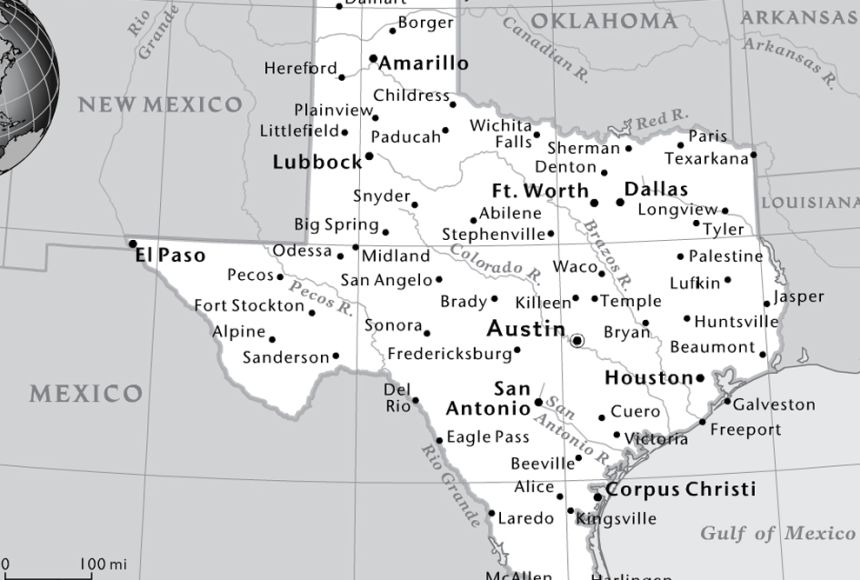
Texas is bordered by four other United States states: New Mexico to the west, Oklahoma to the north, Arkansas to the northeast, and Louisiana to the east. To its south lies the international border with Mexico, stretching for over 1,200 miles, much of it defined by the majestic Rio Grande river. To the southeast, Texas boasts a significant coastline along the Gulf of Mexico, offering sandy beaches, barrier islands, and bustling port cities. This unique geographic placement contributes to Texas’s distinct blend of cultures, influencing its cuisine, music, architecture, and traditions, making it a fascinating crossroads for travel and tourism.
A State of Immense Proportions
As the second-largest state in the United States by both area and population, Texas covers approximately 268,596 square miles. This enormous scale means that journeying across Texas can feel like traversing several different states. From the arid plains and dramatic mountains of West Texas to the lush, humid forests of East Texas, the rolling Hill Country in the central part of the state, and the subtropical warmth of the South Texas plains and Gulf Coast, the geographical diversity is astounding. This vastness also translates into a wide array of attractions and experiences, ensuring that any travel guide to Texas must account for its regional distinctions. Whether you’re planning a family trip, a luxury getaway, or a budget-conscious adventure, understanding the sheer scale of Texas is key to crafting an unforgettable itinerary.
Exploring Texas’s Diverse Landscapes and Natural Wonders
The landscape of Texas is a tapestry woven from dramatically different ecological zones, offering a breathtaking array of natural landmarks and outdoor experiences. This diversity is a major draw for tourism, providing opportunities for everything from hiking and birdwatching to beach relaxation and caving.
From Deserts to Mountains
The western reaches of Texas unveil a rugged, captivating terrain dominated by the Chihuahuan Desert and majestic mountain ranges. Here, visitors can explore the wonders of Big Bend National Park, a sprawling wilderness park offering stunning canyons, remote hiking trails, and incredible stargazing opportunities. Adjacent to it, Big Bend Ranch State Park provides an even more remote and authentic West Texas experience, perfect for intrepid explorers. Further north, Guadalupe Mountains National Park is home to the four highest peaks in Texas, including Guadalupe Peak, offering challenging climbs and panoramic desert views. These areas provide unparalleled natural attractions for those seeking adventure and solitude, making them prime destinations for nature-focused travel.
Coastal Charm and Piney Woods
Shifting dramatically eastward, the Texas landscape transforms. Along the southeastern edge, the Gulf Coast stretches for hundreds of miles, featuring popular beaches like those on South Padre Island, known for its vibrant atmosphere and excellent water sports. Historic Galveston Island offers charming architecture, family-friendly attractions like Moody Gardens and the Kemah Boardwalk, and pristine beaches, making it a top choice for coastal getaways. Further south, Corpus Christi on Mustang Island provides a more laid-back vibe with attractions such as the USS Lexington Museum on the Bay and the Texas State Aquarium. Moving inland towards the eastern border, the Piney Woods region surprises visitors with its dense forests, tranquil lakes, and bayous, reminiscent of the Deep South. Caddo Lake State Park, with its iconic cypress trees draped in Spanish moss, offers a unique opportunity for canoeing and wildlife viewing, representing a vastly different natural experience than the deserts of West Texas.
The Allure of the Hill Country
Nestled in Central Texas, the Hill Country is arguably one of the state’s most beloved regions. Characterized by rolling hills, spring-fed rivers, historic small towns, and sprawling vineyards, it offers a picturesque escape. Towns like Fredericksburg are renowned for their German heritage, wineries, and peach orchards, making them popular destinations for culinary and cultural tourism. Outdoor enthusiasts can hike Enchanted Rock State Natural Area, a massive pink granite dome, or explore the depths of Natural Bridge Caverns. The Hill Country also serves as a prime example of Texas’s lifestyle offerings, from luxury resorts catering to romantic getaways to charming bed-and-breakfasts perfect for budget-friendly trips.
Vibrant Cities: Hubs of History, Culture, and Modernity
Beyond its natural beauty, Texas is home to some of the largest and most dynamic cities in the United States. Each major city boasts a distinct personality, offering unique attractions, culinary scenes, and accommodation options that reflect the state’s diverse urban fabric.
Houston: The Space City and Beyond
Houston, the largest city in Texas, is a sprawling metropolis known globally as the “Space City.” It’s home to the NASA Johnson Space Center, where visitors can experience the wonders of space exploration at Space Center Houston, a world-renowned museum and learning center. But Houston is more than just space; its vibrant Museum District offers a concentration of cultural institutions, from art to natural science, while its diverse culinary scene is one of the best in the nation. For those seeking accommodation, Houston provides a full spectrum, from luxury Four Seasons hotels in the downtown core to boutique apartments in trendy neighborhoods, catering to both business stays and extended family trips.
Dallas and Fort Worth: Twin Cities with Distinct Personalities
Just a short drive from each other, Dallas and Fort Worth offer contrasting yet complementary urban experiences. Dallas is a sleek, modern city known for its impressive skyline, high-end shopping, and thriving Dallas Arts District. Historical landmarks like The Sixth Floor Museum at Dealey Plaza provide poignant insights into American history, while urban green spaces like Klyde Warren Park offer a respite from the bustling city. Fort Worth, on the other hand, embraces its “Cowtown” heritage, most famously in the Fort Worth Stockyards National Historic District, where visitors can witness daily cattle drives and explore a preserved piece of the Old West. Both cities offer a wide range of hotels, from business-friendly Hyatt Regency properties to charming boutique accommodations, making them ideal for diverse travel itineraries.
San Antonio: Where History Meets the River
San Antonio is arguably the most historically significant city in Texas and a cornerstone of its tourism industry. Home to The Alamo, a UNESCO World Heritage site and a symbol of Texan independence, the city is steeped in history. Its crown jewel, however, is the San Antonio River Walk, a vibrant network of walkways along the San Antonio River, lined with restaurants, shops, and entertainment. Visitors can take leisurely boat cruises, dine al fresco, and explore the nearby San Antonio Missions National Historical Park. Accommodation options range from grand hotels like the JW Marriott San Antonio Hill Country Resort & Spa to unique boutique stays such as the Hotel Emma, offering diverse experiences for every budget and taste.
Austin: The Live Music Capital of the World
Austin, the capital city of Texas, has cultivated a reputation as a quirky, vibrant hub of live music, delicious food, and outdoor recreation. Known for its “Keep Austin Weird” mantra, the city pulses with creativity and a laid-back, yet energetic, atmosphere. From exploring the historic Texas State Capitol building to swimming in the natural spring-fed Barton Springs Pool in Zilker Park, there’s no shortage of activities. South Congress Avenue is a popular destination for unique shops, eateries, and street performers. Austin’s food scene is particularly acclaimed, especially for its BBQ joints like Franklin Barbecue. The city offers a range of accommodation from luxury hotels like The Driskill Hotel to more budget-friendly options, making it an attractive destination for various lifestyle travelers.
Crafting Your Texas Experience: Tourism, Accommodation, and Lifestyle
Planning a trip to Texas involves more than just pinpointing its location; it requires understanding the vast array of experiences it offers, the diverse accommodation landscape, and how it caters to different travel lifestyles.
Adventures and Attractions for Every Traveler
Texas is a playground for all interests. For thrill-seekers, theme parks like Six Flags Over Texas and waterparks like Schlitterbahn Waterpark promise excitement. Animal lovers can visit SeaWorld San Antonio or the Texas State Aquarium. History enthusiasts can delve into sites like Dinosaur Valley State Park or the quirky art installation Cadillac Ranch. Nature lovers can explore the second-largest canyon in the United States at Palo Duro Canyon State Park. Each region provides unique activities, from exploring German heritage in the Gruene Historic District to birdwatching along the Gulf Coast. The potential for unique experiences is virtually limitless, making Texas an ideal destination for diverse travel experiences.
A Taste of Texas: Culinary Journeys
No visit to Texas is complete without indulging in its legendary Texas cuisine. The state is synonymous with delicious Tex-Mex dishes, from sizzling fajitas to savory enchiladas, reflecting its deep cultural ties to Mexico. Equally iconic is Texas BBQ, with distinct regional styles found across the state, from beef brisket in Central Texas to pork ribs in East Texas. Beyond these staples, cities like Houston and Dallas offer sophisticated dining scenes with world-class restaurants catering to every palate. Food tourism is a significant aspect of the Texan experience, allowing visitors to savor local culture through unforgettable culinary journeys.
Finding Your Perfect Texas Stay: Accommodation Options
With such a vast and varied landscape, Texas offers an extensive range of accommodation options to suit every preference and budget. Major cities and tourist destinations feature renowned hotel chains like Marriott International, Hilton Worldwide, and Four Seasons, providing luxurious resorts, comfortable suites, and well-appointed business hotels. For those seeking a more personal touch, charming boutique hotels, bed-and-breakfasts, and vacation rentals (apartments, villas) are abundant, especially in the Hill Country and smaller historic towns. Travelers can easily find options for short stays, long-term stays, and family-friendly resorts with ample amenities. The ease of booking and comparison across various platforms makes planning accommodation in Texas a straightforward process, whether you’re looking for a rustic cabin near a state park or a high-rise hotel in a bustling downtown.
Embracing the Texan Lifestyle: Luxury to Budget Travel
Texas truly embodies a diverse lifestyle, welcoming all types of travelers. For those interested in luxury travel, high-end resorts, gourmet dining, and exclusive experiences are readily available, particularly in metropolitan areas and the Hill Country wine regions. On the other hand, budget travel in Texas is also highly feasible, with numerous state parks offering affordable camping, a plethora of mid-range hotels, and countless free attractions. Family trips benefit from the wide array of kid-friendly activities, from beaches to museums and amusement parks. Business stays are well-catered for in the major cities, with state-of-the-art convention centers and hotels equipped with modern amenities. The Lone Star State offers a truly holistic travel experience, demonstrating that wherever you are in Texas, you are never far from an adventure tailored to your interests and needs.
In conclusion, “Where is the state of Texas?” is a question that opens the door to understanding one of America’s most captivating and diverse destinations. Its strategic location, immense size, varied landscapes, and vibrant cities combine to create an unparalleled travel experience. Whether drawn by the allure of its natural wonders, the charm of its historic cities, the flavors of its unique cuisine, or the warmth of its hospitality, Texas stands ready to offer an unforgettable journey for every explorer.