
The Tenderloin district, a name that often conjures a mix of intrigue and apprehension, is a vibrant and complex neighborhood nestled in the heart of San Francisco, California. For visitors seeking an authentic, unfiltered urban experience, understanding the Tenderloin’s location, its historical context, and its evolving character is crucial. Far from being a monolithic entity, this area is a tapestry woven with diverse threads of culture, resilience, and a significant contribution to the city’s soul.
Geographical Heart of the City
The Tenderloin is geographically situated in a prime location within San Francisco, making it a focal point for many who explore the city. Its boundaries, though sometimes fluid in perception, are generally understood to be defined by major thoroughfares. To the north, it is bordered by Geary Street and O’Farrell Street, which lead towards the bustling Union Square shopping district. To the east, Market Street, the city’s main artery, serves as a significant boundary, separating the Tenderloin from the Financial District and SoMa (South of Market). To the south, Civic Center Plaza, home to prominent government buildings, marks its edge, while Van Ness Avenue to the west acts as another key dividing line, leading towards the vibrant Polk Gulch and the more residential neighborhoods beyond.
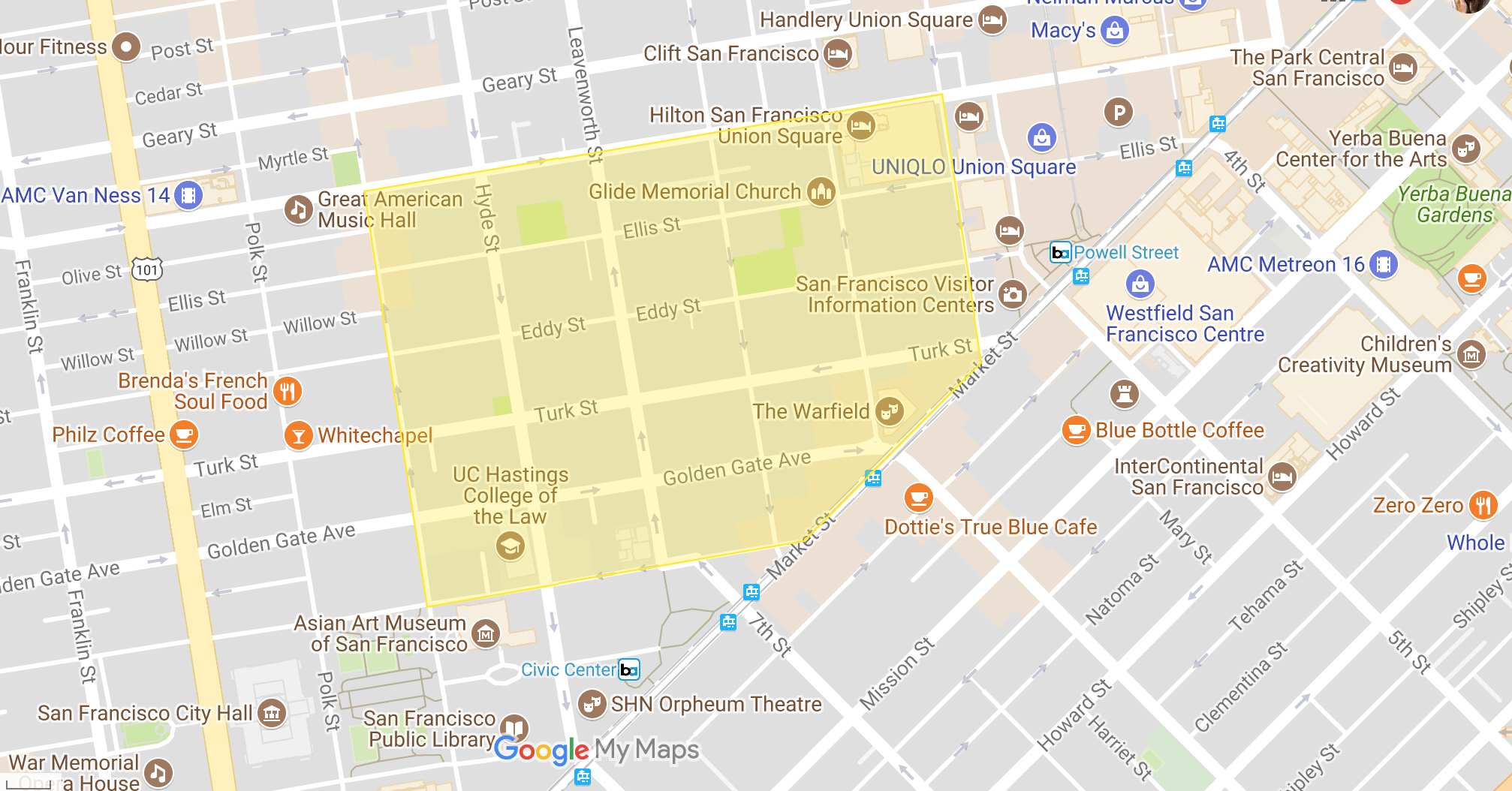
This central positioning means the Tenderloin is often passed through or is in close proximity to many of San Francisco’s most famous landmarks and attractions. Its accessibility via numerous public transportation routes, including BART and MUNI buses and streetcars, further solidifies its role as a connective tissue within the urban landscape.
Proximity to Key San Francisco Hubs
- Union Square: A short walk or quick transit ride north places visitors in the heart of San Francisco’s premier shopping and hotel district. The Tenderloin provides a more accessible and often more affordable alternative for accommodation and dining for those who don’t mind a more urban, gritty environment.
- Civic Center: Directly to its south, Civic Center Plaza is a significant hub for arts and culture, featuring the magnificent San Francisco City Hall, the War Memorial Opera House, and the Louise M. Davies Symphony Hall. The Tenderloin‘s proximity to these cultural institutions offers an interesting juxtaposition of high art and street-level urban life.
- Market Street: As San Francisco’s most prominent east-west thoroughfare, Market Street is a bustling corridor for commuters, shoppers, and tourists. The Tenderloin spills directly onto and is defined by this iconic street, offering a gateway to both its unique character and the wider city.
A Neighborhood Shaped by History and Change
The history of the Tenderloin is as layered and complex as its present-day reality. Originally developed as a fashionable residential area in the late 19th and early 20th centuries, it was home to some of the city’s wealthiest families. However, the 1906 San Francisco earthquake and subsequent fires, while devastating the entire city, also marked a turning point. The need for rapid rebuilding and the subsequent influx of new populations and industries began to reshape the urban fabric.
During the mid-20th century, the Tenderloin evolved into a district characterized by its vibrant nightlife, jazz clubs, and a more bohemian atmosphere. It became a destination for entertainment and a haven for artists and performers. However, economic shifts, urban planning decisions, and social changes in the latter half of the century led to a period of decline and increased social challenges, including a significant presence of homelessness, drug use, and crime.

Despite these challenges, the Tenderloin has also been a crucible for artistic innovation and community activism. It has been home to significant cultural movements and continues to be a place where diverse communities strive for betterment and preservation of their unique identities.
The Evolution of the Tenderloin
- Gilded Age Grandeur: In its early days, the Tenderloin boasted elegant Victorian mansions and was a symbol of San Francisco‘s prosperity.
- Bohemian and Entertainment Hub: Post-earthquake, it transformed into a lively entertainment district with theaters, clubs, and a bohemian spirit, attracting a diverse population.
- Mid-Century Transformation: The area saw a significant increase in single-room occupancy hotels (SROs), becoming a more affordable living option for many, contributing to its distinct character.
- Contemporary Challenges and Renaissance: While facing persistent issues of poverty and homelessness, the Tenderloin is also experiencing efforts towards revitalization, with new businesses, community organizations, and art initiatives working to improve the neighborhood.
Experiencing the Tenderloin Today
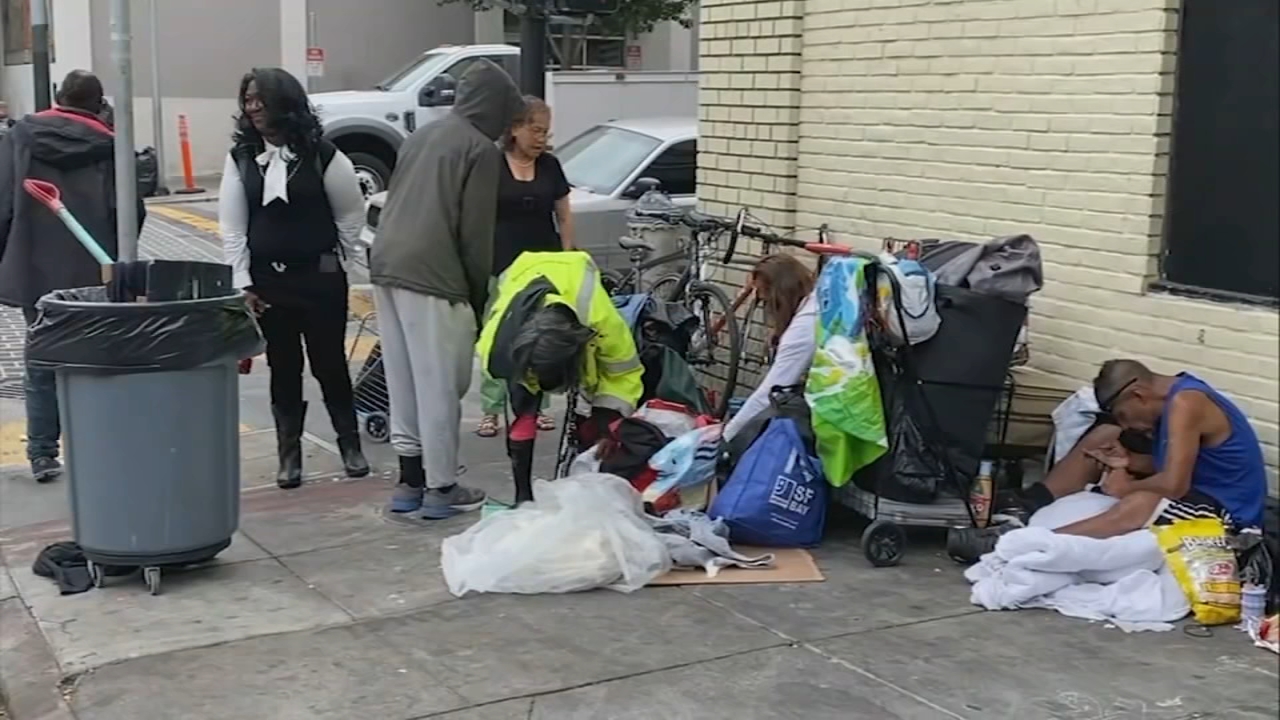
Visiting the Tenderloin requires an open mind and an awareness of its multifaceted nature. It is a neighborhood where stark contrasts exist side-by-side: opulent historic architecture can be found alongside neglected storefronts, and vibrant street art adorns buildings that are also home to social service agencies.
The culinary scene in the Tenderloin is remarkably diverse, reflecting the varied ethnic communities that call it home. From authentic Vietnamese pho and Chinese dim sum to budget-friendly taquerias and soul food kitchens, there are countless opportunities to explore global flavors at accessible prices. This makes it a fantastic destination for adventurous foodies looking to step beyond the more polished offerings of other San Francisco neighborhoods.
Culturally, the Tenderloin is a hub of independent art galleries, small theaters, and live music venues, many of which showcase emerging local talent. The Tenderloin Museum offers a fascinating glimpse into the district’s rich and often overlooked history, providing context and appreciation for its ongoing story.
Tips for Navigating the Tenderloin
- Be Aware of Your Surroundings: Like any densely populated urban area, it’s advisable to be mindful of your personal belongings and surroundings, especially when walking at night.
- Embrace the Local Cuisine: Do not shy away from the diverse and affordable dining options. Ask locals for recommendations for the best hidden gems.
- Engage with the Community: Consider attending a local event or visiting the Tenderloin Museum to gain a deeper understanding of the neighborhood’s identity.
- Utilize Public Transportation: The Tenderloin is well-served by public transit, making it easy to explore the area and connect to other parts of San Francisco without needing a car.
Beyond the Stereotypes: The True Spirit of the Tenderloin
The question “Where is the Tenderloin San Francisco?” is more than just a geographical query; it’s an invitation to understand a neighborhood that defies easy categorization. It is a place that embodies the complex realities of urban life, showcasing both significant challenges and remarkable resilience. For the traveler who seeks more than just the postcard-perfect views, the Tenderloin offers an authentic slice of San Francisco life, a testament to the city’s enduring spirit and its capacity for diversity and change. Its location, history, and current state all contribute to a narrative that is essential for anyone looking to truly comprehend the multifaceted tapestry of this iconic West Coast city. The Tenderloin remains a vital, if sometimes challenging, part of San Francisco‘s identity, a place that continues to evolve and surprise those who take the time to explore it.
LifeOutOfTheBox is a participant in the Amazon Services LLC Associates Program, an affiliate advertising program designed to provide a means for sites to earn advertising fees by advertising and linking to Amazon.com. Amazon, the Amazon logo, AmazonSupply, and the AmazonSupply logo are trademarks of Amazon.com, Inc. or its affiliates. As an Amazon Associate we earn affiliate commissions from qualifying purchases.