
For decades, the chilling title of The Texas Chainsaw Massacre has sent shivers down spines and cemented its place as one of horror cinema’s most iconic and disturbing creations. More than just a film, it spawned a cultural phenomenon, leaving an indelible mark on the genre and the collective imagination. But beyond the terrifying on-screen narrative, a question often lingers in the minds of dedicated fans and curious travelers alike: where exactly is the infamous Texas Chainsaw Massacre House? Is it merely a set piece, long dismantled and forgotten, or does it stand somewhere, a tangible relic of cinematic horror?

For those with a taste for the macabre and a passion for exploring unique landmarks, the answer is far more intriguing than simple demolition. The original house, a seemingly unassuming rural dwelling that played host to some of cinema’s most gruesome fictional events, has had a fascinating journey. It was not left to decay in obscurity; instead, it embarked on an incredible odyssey, finding a new life and a new purpose that now draws visitors from around the globe. This article delves into the origins of this legendary cinematic location, traces its remarkable relocation, and explores what it means to visit this chilling landmark today, integrating themes of travel, accommodation, tourism, and lifestyle that appeal to the adventurous spirit.
The Horrifying Origins: A Cinematic Landmark
To understand the current whereabouts and significance of the Texas Chainsaw Massacre House, we must first journey back to its unsettling beginnings, exploring both the creative vision behind the film and the real-world horrors that loosely inspired its narrative. It’s a tale steeped in independent filmmaking grit, low-budget ingenuity, and a dash of chilling true crime that elevated a simple farmhouse to legendary status.
The Original Vision: Filming Locations
The year was 1974, and director Tobe Hooper, alongside co-writer Kim Henkel, unleashed The Texas Chainsaw Massacre upon an unsuspecting world. Filmed on a shoestring budget, its raw, documentary-style aesthetic and relentless terror redefined horror. The central antagonist, the masked, chainsaw-wielding Leatherface, and his cannibalistic family quickly became figures of nightmares.
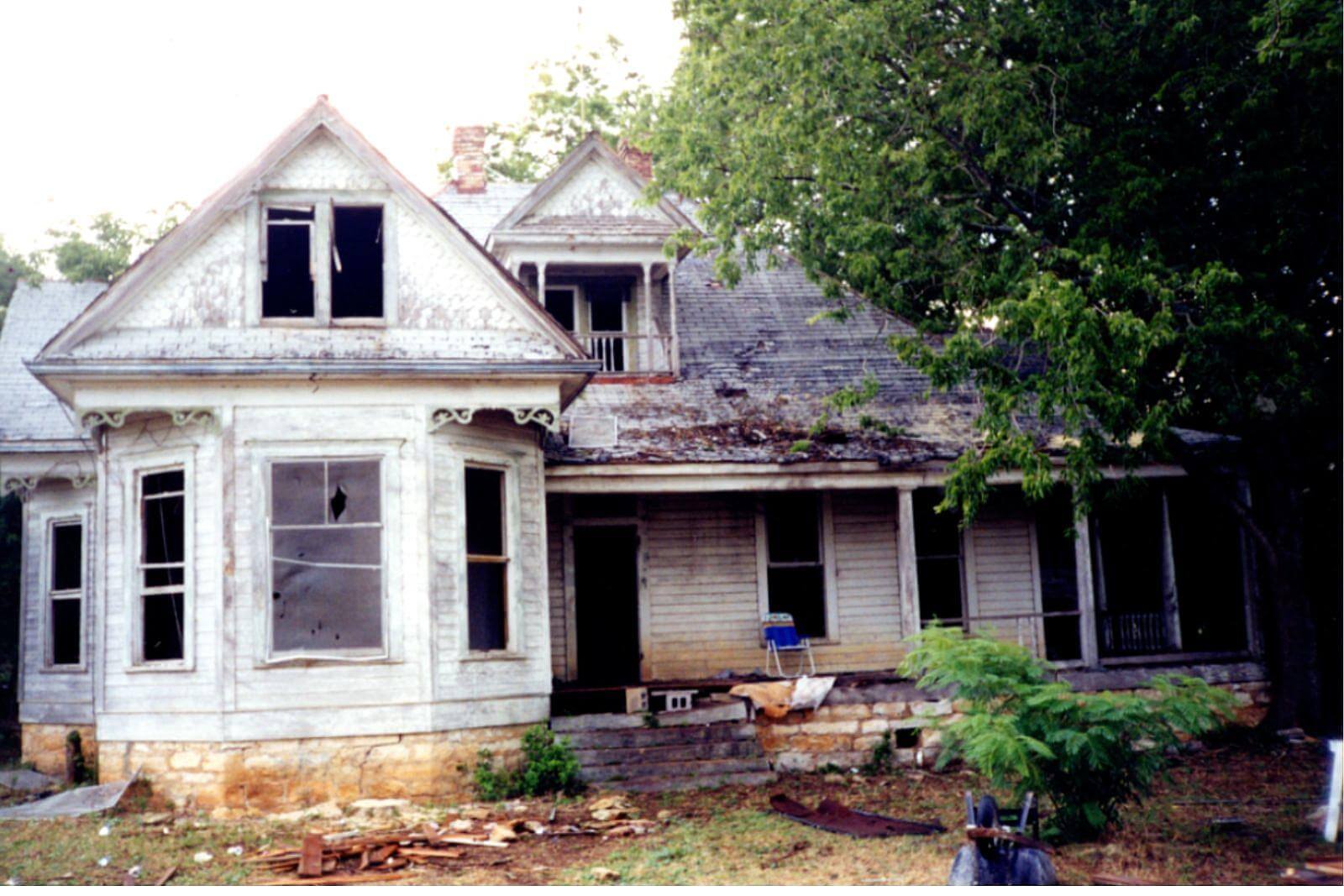
The primary setting for the family’s atrocities, the now-iconic farmhouse, was originally located on Quick Hill Road, near Round Rock, Texas, approximately 15 miles north of Austin. This modest, two-story Victorian-style house perfectly embodied the isolated, rural Americana aesthetic that lent the film its disturbing realism. The filmmakers utilized the actual structure, both interior and exterior, to create an authentic sense of claustrophobia and dread. The scenes of terror unfolding within its walls were made all the more visceral by the palpable grime and decay that was inherent to the house itself. Its remote location, surrounded by scrub brush and a desolate landscape, contributed immensely to the film’s oppressive atmosphere, making it feel truly inescapable for the ill-fated protagonists.
The house quickly became a character in its own right, its creaking floors, cramped rooms, and unsettling décor etched into the minds of viewers. Despite the film’s extreme content, it garnered critical acclaim and a devoted cult following, primarily due to its masterful suspense, atmospheric tension, and profound impact on the slasher genre. The house, therefore, isn’t just a filming location; it’s a piece of cinematic history, a landmark for film buffs and horror aficionados.
From Fiction to Fright: The Real-Life Inspiration
While The Texas Chainsaw Massacre is a work of fiction, Tobe Hooper and Kim Henkel drew inspiration from the gruesome crimes of a real-life serial killer: Ed Gein. Gein, known as “The Butcher of Plainfield,” committed his heinous acts in Plainfield, Wisconsin, in the 1950s. His crimes involved grave robbing, necrophilia, and the creation of grotesque household items from human remains.
Although the film’s plot involving a family of cannibals is fictional, the unsettling elements of Gein’s story—particularly his disturbing use of human skin and bones—provided the macabre foundation for characters like Leatherface and the overall tone of visceral horror. The idea of a deranged killer living in a secluded farmhouse, surrounded by the morbid trophies of his victims, struck a primal chord, and it was this deep-seated fear that the film so effectively exploited. This connection to a dark chapter in true crime history only adds to the unsettling allure of the Texas Chainsaw Massacre House, elevating its status from mere movie set to a site imbued with a sense of genuine dread. It transforms the experience of visiting into something more profound than simply seeing a film prop; it becomes a contemplation of the boundaries between fiction and the terrifying realities of human depravity.
Locating the Legend: Where to Find the House Today
The original location near Round Rock is no longer home to the iconic farmhouse. Urban development and the march of progress meant the house had to be moved, leading to a remarkable preservation effort that transformed it into a unique tourist attraction and accommodation. This journey from a dilapidated film set to a charming, albeit famously sinister, inn is a testament to the enduring power of cinematic legacy and the ingenuity of local tourism.
Moving Mountains (or Houses): Its Journey to Kingsland
Following the production of The Texas Chainsaw Massacre, the property near Round Rock was purchased by a developer who planned to build a highway and a shopping center. Faced with the demolition of a culturally significant, albeit terrifying, landmark, local enthusiasts recognized its potential. In 1998, the house was meticulously dismantled, piece by piece, and transported approximately 60 miles west to the small Texas Hill Country town of Kingsland.
This audacious relocation project was a monumental undertaking, preserving a vital piece of film history. Once reconstructed, the house was lovingly restored, yet its eerie past was thoughtfully embraced. It found its new home on the grounds of The Antlers Inn, a charming historic railroad hotel that itself has a rich history dating back to the late 19th century. The juxtaposition of the charming Antlers Inn with the infamous horror house creates an undeniably unique travel experience.
Visiting the Iconic Property: A Unique Accommodation
Today, the original Texas Chainsaw Massacre House stands proudly, meticulously restored and repurposed as Grand Central Café. Yes, you read that correctly – the very house where the fictional horrors unfolded is now a delightful restaurant serving classic American cuisine. The irony is not lost on visitors, who can enjoy a hearty meal in rooms that once hosted Leatherface’s family dinner.
The Grand Central Café is open for lunch and dinner, offering a menu that includes burgers, sandwiches, salads, and more substantial entrees. While the interior has been renovated to create a welcoming dining atmosphere, subtle nods to its macabre past are scattered throughout for the keen-eyed observer. Fans often seek out specific corners and windows, recalling iconic scenes from the film. It’s an opportunity to literally break bread where cinematic history was made, a truly unique travel experience for horror buffs and foodies alike.
But the experience doesn’t end with a meal. For the ultimate immersion, some portions of the house, specifically rooms within The Antlers Inn complex, are available for overnight stays. While the Grand Central Café occupies the main structure, The Antlers Inn offers various accommodation options, including beautifully restored rooms and suites in the main hotel building and charming cabins. While you might not be sleeping in Leatherface’s exact bedroom, the proximity to the original house, and the knowledge of its history, provides an unparalleled thrill. This blend of historic accommodation and cinematic landmark makes for an unforgettable stay, catering to a niche segment of horror tourism.
Beyond the House: Exploring Kingsland and Surrounding Areas
While the Texas Chainsaw Massacre House is undoubtedly the star attraction for many visitors to Kingsland, the town and its surrounding Texas Hill Country offer a wealth of other attractions and activities. For travelers seeking a broader experience, combining horror tourism with natural beauty, outdoor adventures, and local culture is a rewarding endeavor.

What to Do in Kingsland
Kingsland itself is a quaint community nestled in the heart of the Highland Lakes region of Texas, renowned for its scenic beauty and recreational opportunities. The town sits at the confluence of the Llano and Colorado Rivers, where they converge into Lake LBJ. This geographical advantage makes it a paradise for water sports enthusiasts.
Visitors can enjoy:
- Boating and Fishing: Lake LBJ is one of the few constant-level lakes in Texas, making it ideal for year-round recreation. Rent a boat, kayak, or jet ski, or cast a line for bass and catfish.
- Dining and Local Charm: Beyond Grand Central Café, Kingsland offers other local eateries and charming shops where you can find unique souvenirs and experience genuine Texas hospitality.
- The Antlers Inn Grounds: Even if you’re not staying overnight, take time to explore the historic grounds of The Antlers Inn. Its vintage rail cars and well-maintained gardens offer a picturesque setting, providing a stark contrast to the infamous house next door.
- Lusthof of Kingsland: A unique sculpture garden and art gallery showcasing local and regional artists, offering a dose of culture amidst the natural beauty.
Nearby Attractions for the Curious Traveler
The Texas Hill Country is a vibrant region famous for its rolling hills, pristine lakes, vineyards, and charming small towns. Extending your stay beyond Kingsland allows for a diverse and enriching travel experience.
Consider these nearby destinations:
- Longhorn Cavern State Park (near Burnet): Explore impressive underground caves carved by an ancient river. Guided tours offer insights into geology and local history, including its past use by outlaws and Native Americans.
- Inks Lake State Park (near Burnet): Perfect for hiking, camping, swimming in clear water, and enjoying panoramic views of the lake and surrounding landscape. It’s a fantastic spot for nature lovers.
- Marble Falls (approx. 15 miles south): A larger town offering more dining options, boutique shopping, and the iconic Bluebonnet Café, famous for its pies and comfort food.
- Fredericksburg (approx. 50 miles west): The heart of Texas Wine Country, featuring numerous vineyards and tasting rooms, German heritage, and upscale dining and shopping. A perfect destination for luxury travel or a romantic getaway.
- Wimberley (approx. 50 miles southeast): Known for its artistic community, charming town square, and natural swimming holes like Jacob’s Well and Blue Hole Regional Park.
- Enchanted Rock State Natural Area (near Fredericksburg): A massive pink granite dome offering incredible hiking, rock climbing, and stargazing opportunities. It’s a natural landmark of immense beauty and geological significance.
- The Gas Station (near Bastrop): For those who want to dive deeper into the film’s geography, the gas station from the original movie has also been restored and operates as a horror-themed shop and barbecue joint, offering cabins for overnight stays. This is another prime example of horror tourism transforming a film location into a destination.
These diverse options ensure that a trip to see the Texas Chainsaw Massacre House can be integrated into a much broader and enriching Texas Hill Country adventure, blending thrilling cinematic history with scenic beauty and local charm.
Planning Your Macabre Getaway: Tips for Visiting
A journey to the Texas Chainsaw Massacre House is more than just a quick stop; it’s an experience that requires a bit of planning to fully appreciate. Whether you’re a devoted horror fan, a history buff, or simply a curious traveler, understanding the logistics of your visit can enhance your enjoyment and ensure a smooth, memorable trip.
Accommodation and Booking
When planning your stay, especially if you aim to spend the night near the iconic house, consider your options:
- The Antlers Inn: This is the most authentic experience. Directly adjacent to the Grand Central Café (the original house), The Antlers Inn offers historic hotel rooms and cottages, some with lake views. Booking in advance, particularly during peak seasons or around Halloween, is highly recommended as its unique appeal makes it a popular choice. You can usually book directly through their website or via platforms like Booking.com.
- Other Kingsland Accommodations: Kingsland offers various vacation rentals, including options on Airbnb, as well as a few local motels and bed and breakfasts. These provide alternative options if The Antlers Inn is fully booked or if you prefer a different style of stay.
- Nearby Towns: If you’re exploring the wider Hill Country, towns like Marble Falls or Burnet offer more extensive selections of hotels, resorts, and vacation rentals, though you’ll be a short drive from the house.
For dining at Grand Central Café, reservations are advisable, especially on weekends or evenings. While it’s a casual establishment, its fame can lead to busy periods.
Embracing the Horror Tourism Niche
Visiting the Texas Chainsaw Massacre House is a prime example of “horror tourism,” a growing niche within the travel industry. This involves seeking out locations famous for their connection to horror films, true crime, or paranormal activity. Here are some tips to make the most of this unique travel style:
- Watch the Film (Again): Re-watching The Texas Chainsaw Massacre before your trip will significantly enhance the experience, allowing you to recognize key areas and appreciate the historical context.
- Engage with the Staff: The staff at Grand Central Café and The Antlers Inn are often knowledgeable about the house’s history and its cinematic connections. Don’t hesitate to ask questions and share your enthusiasm.
- Capture the Memories: Bring your camera! While respectful of other diners, take photos of the house’s exterior and interior, searching for familiar details from the film. It’s a great way to document your unique journey.
- Consider Timing: While interesting year-round, visiting closer to October and Halloween can add an extra layer of atmospheric excitement, though it may also mean larger crowds.
- Combine with Other Sites: If you’re a true fan, consider making a pilgrimage to other Texas Chainsaw Massacre filming locations. For instance, the gas station from the film, now The Gas Station, is located in Bastrop and has also been converted into a horror-themed attraction with BBQ and cabins. This creates a fascinating multi-stop itinerary for dedicated horror tourists.
- Respect the History: While the subject matter is gruesome, remember you are visiting a functioning business and a historic landmark. Be respectful of the property, staff, and other visitors.
By following these tips, your visit to the Texas Chainsaw Massacre House will be more than just a stop; it will be a thoughtfully planned adventure into a fascinating corner of cinematic and cultural history, offering a truly distinctive travel experience.
The Enduring Legacy: Why It Still Captivates
The Texas Chainsaw Massacre House isn’t just an old building; it’s a testament to the enduring power of film and the strange ways in which cultural phenomena can impact physical landmarks. Its journey from a dilapidated Texas farmhouse to a celebrated restaurant and unique accommodation at The Antlers Inn in Kingsland is a remarkable story of preservation and reinvention.
For countless fans, the opportunity to step inside a piece of horror history, to dine in the very rooms where Gunnar Hansen’s Leatherface once terrorized victims, is an irresistible draw. It’s a chance to connect with a film that has shaped generations of horror cinema, a place where the line between fiction and tangible reality delightfully blurs. This unique blend of cinematic pilgrimage, historic preservation, and genuine Texas Hill Country charm makes it a compelling destination.
Whether you’re indulging in a meal at Grand Central Café, staying a night at The Antlers Inn, or simply passing through Kingsland on a wider Texas adventure, the Texas Chainsaw Massacre House offers a travel experience unlike any other. It stands as a vibrant example of horror tourism and a fascinating piece of Americana, proving that even the most terrifying tales can find a new, surprisingly inviting, home. So, if you’re looking for an unforgettable travel destination that merges cinematic legend with real-world charm, the answer to “Where Is The Texas Chainsaw House?” is a resounding invitation to Kingsland, Texas.
LifeOutOfTheBox is a participant in the Amazon Services LLC Associates Program, an affiliate advertising program designed to provide a means for sites to earn advertising fees by advertising and linking to Amazon.com. Amazon, the Amazon logo, AmazonSupply, and the AmazonSupply logo are trademarks of Amazon.com, Inc. or its affiliates. As an Amazon Associate we earn affiliate commissions from qualifying purchases.