
Navigating the vast and diverse landscape of Florida is an adventure that offers everything from neon-lit cityscapes to quiet, emerald-green shorelines. However, for many visitors traveling through the northern reaches of the state, there is a logistical quirk that often catches them off guard: the time zone change. While the vast majority of the Sunshine State operates on Eastern Time, a significant portion of the western Florida Panhandle follows Central Time. Understanding exactly where this line falls is essential for any tourist planning a road trip, booking a fishing charter, or trying to make a dinner reservation on time.
The Geographic Divide: Tracking the Apalachicola River
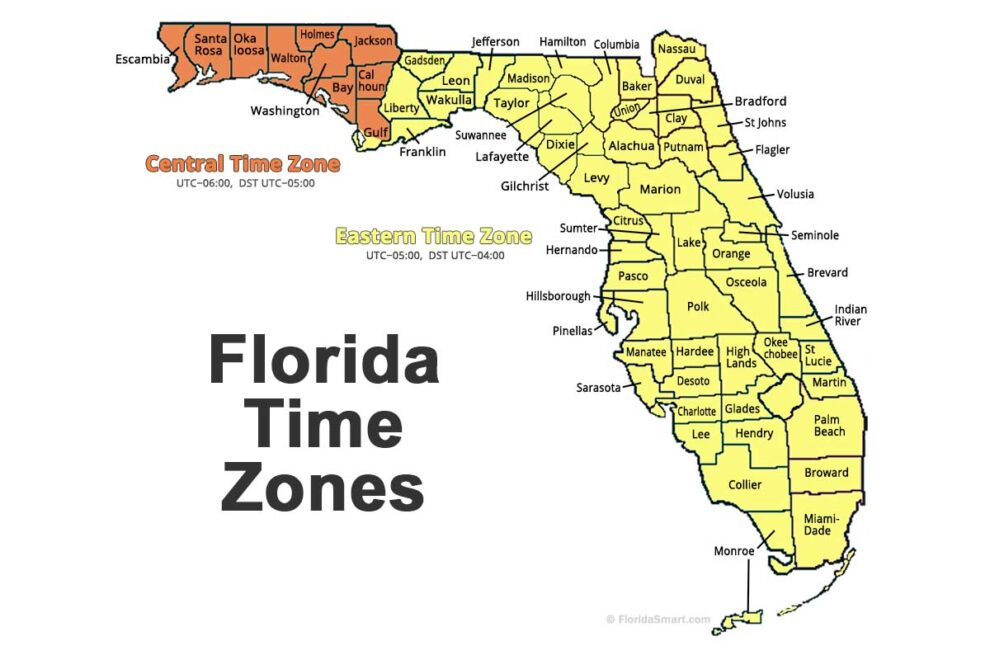
The official boundary between the Eastern Time Zone and the Central Time Zone in Florida is primarily defined by the Apalachicola River. This majestic waterway, which winds through the northern part of the state before emptying into the Gulf of Mexico, serves as the natural demarcation for travelers moving west from the state capital.
The River Crossing on Interstate 10
For most tourists, the first encounter with the time shift happens while driving along Interstate 10. As you travel west from Tallahassee, you will eventually cross the high-arched bridge over the Apalachicola River. Once you reach the western bank of the river, your clocks should officially fall back one hour. This crossing is located roughly 45 miles west of the capital city, placing the change near the border of Gadsden County and Jackson County.
The Split in Gulf County
While the river is the primary guide, the boundary becomes slightly more complex as it moves toward the coast. Gulf County is uniquely famous among locals and visitors because the time zone line actually bisects the county. The northern and eastern portions of the county, including areas near Wewahitchka, generally align with the river boundary, but the popular tourist destination of Port St. Joe and the stunning Cape San Blas operate on Eastern Time. However, just a short drive west to Mexico Beach in Bay County will land you back in Central Time. This “time warp” is a frequent topic of conversation in local seafood shacks and bait shops.
Exploring the Central Time Zone: The Emerald Coast and Beyond
The region of Florida that falls within the Central Time Zone is often referred to as the Emerald Coast or the western Panhandle. This area is characterized by its sugar-white quartz sand and vibrant turquoise waters, offering a distinct cultural feel compared to the Atlantic Ocean side of the state.
Major Tourist Hubs in Central Time
If your vacation takes you to the following cities, you will be operating on Central Time:
- Pensacola: The westernmost city in the state, famous for its rich naval history and the National Naval Aviation Museum.
- Destin: Known as the “World’s Luckiest Fishing Village,” this is a premier destination for luxury resorts and deep-sea fishing.
- Panama City Beach: A bustling hub for families and spring breakers alike, offering miles of beachfront entertainment.
- Fort Walton Beach: A favorite for those seeking a more relaxed coastal atmosphere and visits to the Gulfarium Marine Adventure Park.
- Santa Rosa Beach: A centerpiece of the trendy 30A corridor, known for its upscale boutiques and artist colonies.
The Cultural Shift in the West
Visitors often notice that the Central Time portion of Florida shares a closer cultural affinity with its neighbors in Alabama and Mississippi. The pace of life here is frequently described as “Lower Alabama” or “L.A.” by locals. In towns like Navarre or Perdido Key, the sunset happens an hour “earlier” by the clock than it does in Jacksonville, which can significantly impact your evening plans for beach bonfires or sunset cruises.
The Eastern Time Majority: From Tallahassee to the Keys
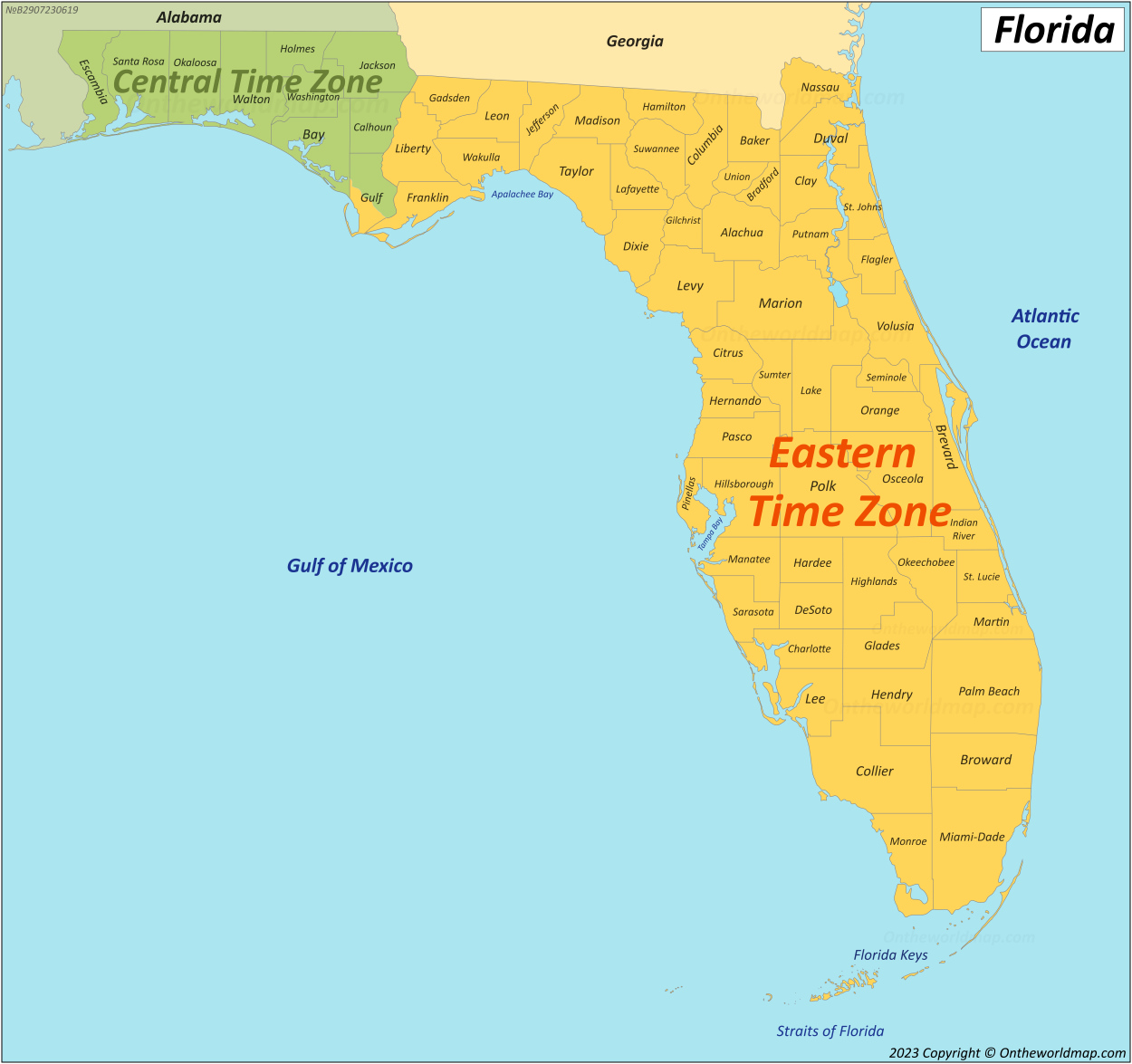
The majority of Florida stays within the Eastern Time Zone. This includes the entire peninsula and the eastern portion of the Panhandle. For tourists flying into major international airports, this is the standard they will likely encounter first.
Key Cities and Attractions in Eastern Time
If you are visiting the most famous landmarks of the state, you will remain on Eastern Time:
- Orlando: Home to Walt Disney World Resort and Universal Orlando Resort.
- Miami: The vibrant epicenter of South Florida culture, nightlife, and South Beach.
- Tampa: A major hub on the Gulf Coast featuring Busch Gardens Tampa Bay.
- Key West: The southernmost point of the continental United States, accessible via the scenic Overseas Highway.
- St. Augustine: The nation’s oldest city, located on the northeastern coast in St. Johns County.
The Forgotten Coast Experience
Between the bustling metropolis of Tallahassee and the beginning of the Central Time Zone lies a region known as the Forgotten Coast. This area, which includes Apalachicola and Saint George Island, is situated in Franklin County. Even though it is geographically very far west, it remains on Eastern Time. This creates an interesting scenario where a tourist can have a late lunch in Apalachicola and drive just thirty minutes west to Mexico Beach only to find that they have “traveled back in time” and it is suddenly earlier than when they finished their meal.
Tourism Survival Guide: Tips for Handling the Time Warp
Traveling across a time zone line can be tricky, especially when your itinerary is packed with activities. For Florida visitors, the “time warp” can affect everything from transportation to dining.
Scheduling Transportation and Flights
If you are flying into Northwest Florida Beaches International Airport in Panama City or Pensacola International Airport, your arrival and departure times will be listed in Central Time. However, if you are catching a connecting flight through Charlotte or Atlanta, those cities are on Eastern Time. Always double-check your boarding passes and remember that smartphone clocks usually update automatically based on the nearest cell tower—though this can lead to confusion if you are staying right on the border in Gulf County.
Managing Reservations and Tours
When booking a charter boat in Destin or a guided tour of the Florida State Capitol in Tallahassee, always confirm which time zone the business operates in. A common mistake for travelers staying in Port St. Joe (Eastern Time) is forgetting that their sunset cruise departing from Panama City Beach (Central Time) will start an hour “later” than expected. Conversely, if you are driving from Pensacola to Tallahassee for a meeting or event, you must “lose” an hour, meaning you need to leave much earlier than the drive time suggests.
Sunset and Sunlight Hours
The time zone change significantly impacts the experience of daylight. In the Central Time zone of the Panhandle, the sun sets relatively early by the clock, especially in the winter months. This is something to consider if you are planning outdoor activities like hiking in Grayton Beach State Park or exploring the dunes at Henderson Beach State Park. You will want to maximize your morning hours to ensure you get the most out of the Florida sun.
Local Flavor: Unique Experiences Near the Boundary
The area surrounding the time zone change is one of the most scenic and underrated parts of Florida. Known for its natural beauty and “Old Florida” feel, it offers a variety of activities for the curious tourist.
The Beauty of the River
The Apalachicola River itself is a paradise for nature lovers. You can rent a kayak in Bristol or Blountstown and paddle through some of the most biodiverse ecosystems in North America. The river serves as a corridor for migratory birds and is home to the famous Tupelo trees, which produce the rare and delicious Tupelo Honey found in local markets across Calhoun County and Liberty County.
Coastal Gems on the Edge
If you find yourself in the “border zone,” make sure to visit Mexico Beach. After the devastation of Hurricane Michael, this resilient town has seen a beautiful revival. It sits right on the edge of the Central Time line. Just a few miles to the east, you can explore the historic streets of Apalachicola, famous for its oysters and Victorian-style architecture. This town remains a bastion of the Eastern Time Zone, and its slower pace of life makes it the perfect place to reset your internal clock.

State Parks and Natural Wonders
Near the time zone transition, Florida offers several state parks that highlight the transition from hilly, clay-soiled landscapes to coastal dunes. Florida Caverns State Park in Marianna is located in the Central Time Zone and offers the only guided cave tours in the state. Meanwhile, Torreya State Park sits on the high bluffs overlooking the Apalachicola River, providing a stunning view of the boundary line from an elevation that is quite rare for Florida.
Whether you are chasing the sunset on the Emerald Coast or exploring the historic sites of North Florida, keeping an eye on the clock is part of the experience. The time zone change in Florida is more than just a line on a map; it is a gateway between the bustling energy of the eastern peninsula and the laid-back, Southern charm of the western Panhandle. By knowing where the Apalachicola River lies and how it affects the counties nearby, you can ensure your Florida vacation is seamless, timely, and entirely unforgettable.
LifeOutOfTheBox is a participant in the Amazon Services LLC Associates Program, an affiliate advertising program designed to provide a means for sites to earn advertising fees by advertising and linking to Amazon.com. Amazon, the Amazon logo, AmazonSupply, and the AmazonSupply logo are trademarks of Amazon.com, Inc. or its affiliates. As an Amazon Associate we earn affiliate commissions from qualifying purchases.