
The question “Where is the town of West Texas?” is a common one, yet it stems from a fundamental misunderstanding of this iconic American landscape. There is no single town named West Texas. Instead, West Texas is a vast, sprawling region within the larger state of Texas, a land defined by its immense scale, rugged beauty, and distinct cultural identity. For travelers seeking an authentic American experience, understanding West Texas as a diverse collection of ecosystems, communities, and historical narratives is the first step toward unlocking its profound allure. This expansive territory beckons with its unique blend of desert landscapes, towering mountains, vibrant cities, and quiet, star-filled nights, promising an unforgettable journey for those willing to explore beyond the conventional.

Unpacking the Myth: West Texas as a Region, Not a Town
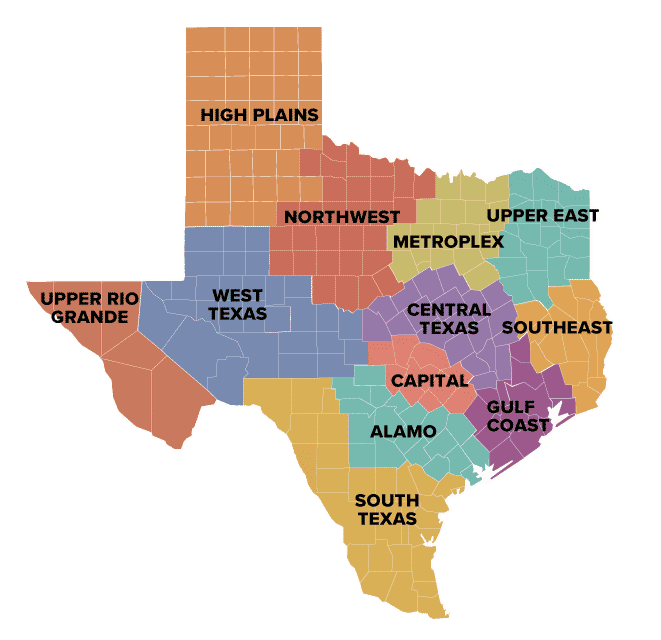
The misconception of a singular “town of West Texas” is understandable given how place names often function. However, West Texas defies such simple categorization. It is a geographic and cultural designation that encompasses a significant portion of the Lone Star State, stretching from the arid plains in the north to the formidable Chihuahuan Desert and majestic mountain ranges in the south and west. To truly appreciate this region is to embrace its vastness and the incredible diversity contained within its unofficial borders.
The Geographic Expanse of West Texas
Geographically, West Texas is a land of dramatic contrasts. It is home to some of the most remote and untouched wilderness in the continental United States. The eastern boundaries of the region are generally considered to be the Caprock Escarpment, which separates the High Plains from the Rolling Plains. From there, it extends westward to the New Mexico border and southward to the Rio Grande and the border with Mexico. This immense area includes the high, flat plains of the Llano Estacado, the rolling terrain of the Permian Basin, and the rugged peaks of the Trans-Pecos region.
Within the Trans-Pecos, travelers encounter the striking beauty of the Davis Mountains, a sky island archipelago boasting cooler temperatures and unique flora and fauna compared to the surrounding desert. Further west, the Guadalupe Mountains stand as a formidable range, home to Guadalupe Peak, the highest natural point in Texas. These diverse landscapes — from arid desert scrub to pine forests in the mountains — are testament to the region’s incredible ecological variety, offering vastly different experiences for explorers.
Historical and Cultural Significance
The cultural identity of West Texas is as rich and varied as its topography. Historically, it was the domain of Native American tribes, Spanish explorers, and eventually, American pioneers. The cattle drives of the 19th century carved out legends of cowboys and vast ranches, deeply embedding the ethos of self-reliance and grit into the region’s soul. The discovery of oil in the early 20th century transformed parts of West Texas into economic powerhouses, giving rise to boomtowns and a distinct “oil patch” culture that persists to this day.
This blend of cowboy heritage, frontier spirit, and industrial innovation creates a unique tapestry found nowhere else. The resilience of its people, shaped by a challenging environment and a history of boom and bust, is a defining characteristic. Visitors will find that West Texas maintains a strong sense of tradition, where hospitality is paramount, and the rhythm of life often moves at a slower, more deliberate pace, inviting travelers to pause and absorb the authenticity of their surroundings.
Gateway Cities and Key Destinations in West Texas
While West Texas is not a single town, it is dotted with vibrant cities and charming communities that serve as gateways to its many wonders. Each offers a unique perspective on the region, from bustling urban centers to smaller, historically significant outposts.
El Paso: The Sun City
Nestled in the westernmost corner of Texas, El Paso is a vibrant metropolitan area situated directly on the border with Mexico. Known as “The Sun City,” its culture is a captivating blend of American and Mexican influences, evident in its cuisine, language, and traditions. Travelers to El Paso can explore the dramatic landscapes of Franklin Mountains State Park, offering stunning views and hiking opportunities right within the city limits. The historic Mission Trail provides a journey through centuries of Spanish colonial history, showcasing beautiful adobe churches that date back to the late 17th century. The city’s lively downtown, delicious Tex-Mex food scene, and a distinct bi-national charm make it a compelling starting point for any West Texas adventure.
Lubbock: Hub City of the Plains
Moving eastward into the High Plains, Lubbock stands as a major economic and cultural hub. Often referred to as “Hub City,” it is renowned for its agricultural importance, particularly cotton production, and its vibrant educational community centered around Texas Tech University. For music enthusiasts, Lubbock holds a special place as the birthplace of rock and roll legend Buddy Holly. The Buddy Holly Center pays homage to his life and legacy, drawing fans from around the globe. Beyond its musical roots, Lubbock offers a growing wine industry, several museums, and a friendly, welcoming atmosphere characteristic of the Texas plains.
Midland and Odessa: The Petroplex
In the heart of the Permian Basin, the twin cities of Midland and Odessa form the “Petroplex,” a testament to West Texas’s enduring connection to the oil and gas industry. These cities, while distinct, share a common economic backbone and a unique energy that pulses with entrepreneurial spirit. Midland boasts the Permian Basin Petroleum Museum, an insightful institution detailing the history and technology of oil exploration. Odessa offers the fascinating Odessa Meteor Crater and a replica of Stonehenge at the University of Texas of the Permian Basin, showcasing a quirky side to this industrious region. Together, they provide a glimpse into the economic engine that has shaped much of modern Texas.
San Angelo: A Concho Valley Oasis
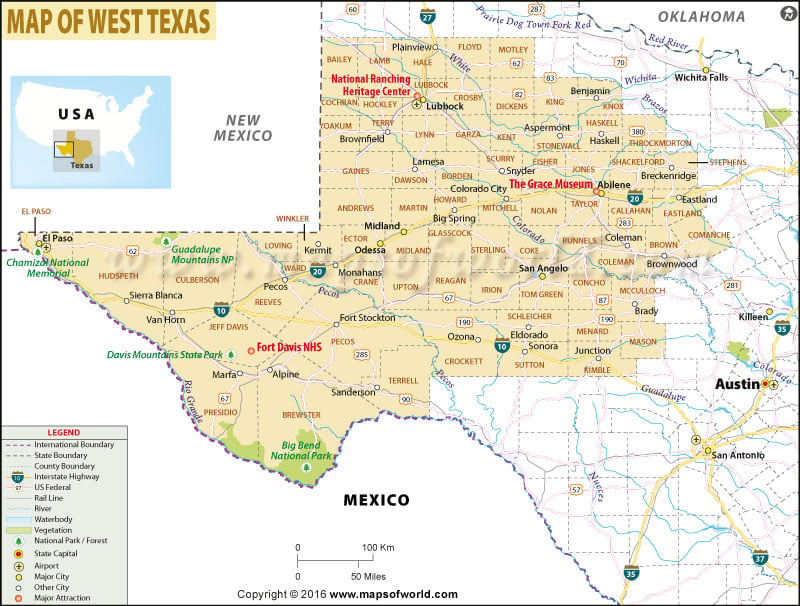
Further east, where the plains meet more fertile ground, lies San Angelo. This city, situated along the banks of the Concho River, is often described as an oasis. It offers a blend of military history, evidenced by Fort Concho National Historic Landmark – one of the best-preserved frontier forts in Texas – and a thriving arts scene. The riverwalk, diverse parks, and a welcoming community atmosphere make San Angelo a pleasant stop for those exploring the less arid parts of West Texas.
Exploring the Untamed Beauty: National and State Parks
The true heart of West Texas’s appeal for many travelers lies in its raw, untamed natural landscapes, preserved within an impressive network of national and state parks. These areas offer unparalleled opportunities for outdoor adventure and communion with nature.
Big Bend National Park: A Wilderness Gem
Big Bend National Park is perhaps the crown jewel of West Texas’s natural attractions. This colossal park, bordering Mexico along the Rio Grande, is a testament to the power of natural forces and offers an unparalleled wilderness experience. It encompasses an entire mountain range, the Chisos Mountains, a vast expanse of the Chihuahuan Desert, and a significant stretch of river canyon. Visitors can hike through dramatic desert landscapes, float or raft down the Rio Grande through towering canyons, explore ancient Native American sites, and marvel at some of the darkest night skies in North America, perfect for stargazing. The park’s immense size and remoteness mean that careful planning is essential, but the rewards are immeasurable – a true escape into the wild.
Guadalupe Mountains National Park
Home to Guadalupe Peak, the highest point in Texas at 8,751 feet, Guadalupe Mountains National Park offers a starkly different mountainous experience. This park preserves one of the best examples of a fossil reef from the Permian Period, revealing a fascinating geological history. Hikers can challenge themselves on trails leading to Guadalupe Peak for panoramic views or explore diverse ecosystems ranging from desert scrub to high-elevation forests. McKittrick Canyon, particularly stunning in the fall when its bigtooth maples turn vibrant colors, is a highlight. The park provides a rugged, high-desert mountain adventure, perfect for experienced hikers and nature lovers.
Balmorhea State Park
A true oasis in the desert, Balmorhea State Park is home to the world’s largest spring-fed swimming pool. Formed by the natural springs of San Solomon, the crystal-clear waters remain at a constant, refreshing temperature, inviting swimmers, snorkelers, and divers to explore its depths. The pool is home to unique species of fish, making it not just a recreational spot but also an ecological wonder. After traversing the arid landscapes of West Texas, a visit to Balmorhea offers a truly unique and refreshing experience, a testament to the unexpected treasures hidden within this expansive region.
Crafting Your West Texas Itinerary: Tips for Travelers
Embarking on a journey through West Texas requires a bit of planning, but the rewards of discovering its unique charm are well worth the effort.
Best Time to Visit
The best time to visit West Texas largely depends on your desired activities. Spring (March to May) and Fall (October to November) generally offer the most pleasant weather, with moderate temperatures ideal for hiking and outdoor exploration. Summers can be intensely hot, especially in the desert regions, with temperatures frequently exceeding 100°F (38°C), making outdoor activities challenging. Winters are typically mild but can bring cold snaps and occasional snowfall in the higher elevations.
Transportation and Lodging
Given the vast distances between attractions, a reliable vehicle is absolutely essential for exploring West Texas. Many areas, particularly national parks, have limited or no public transportation. Ensure your vehicle is in good condition, and always keep your fuel tank topped up, as gas stations can be few and far between in remote areas. Lodging options range from chain hotels in larger cities like El Paso, Lubbock, Midland, and Odessa to charming boutique hotels in towns like Marfa and Fort Davis. Inside national parks, options include campgrounds and, in some cases, park lodges, which should be booked well in advance. Consider staying at historic ranches for an authentic West Texas experience.
Embracing the Local Flavor
No trip to West Texas is complete without indulging in its distinctive culinary traditions. Expect hearty portions of authentic Texas barbecue, sizzling Tex-Mex, and traditional cowboy cuisine. Don’t miss out on local specialties like chicken fried steak or a refreshing Shiner Bock beer. Beyond food, immerse yourself in the local culture by attending a rodeo, visiting an art gallery in Marfa, or exploring a historic downtown square. The region also has a burgeoning wine industry and craft breweries worth discovering.
Safety and Preparedness
The remoteness of West Texas requires travelers to be prepared. Carry plenty of water, especially when hiking or driving long distances, as dehydration can be a serious risk. Cell phone service can be sporadic or nonexistent in many rural and park areas, so inform someone of your itinerary. Be aware of local wildlife, including snakes, scorpions, and mountain lions, and know how to react safely. Always check weather forecasts, as conditions can change rapidly, particularly in mountainous regions. A basic emergency kit, including a first-aid kit, extra food, and blankets, is always a wise addition to your travel essentials.
In conclusion, “the town of West Texas” is a delightful phantom, a concept that dissolves into a magnificent reality: a vast, diverse, and endlessly captivating region. It is a land of wide-open spaces, star-drenched nights, resilient communities, and stunning natural beauty. From the cultural tapestry of El Paso to the raw wilderness of Big Bend National Park, West Texas offers an authentic American journey unlike any other. Pack your bags, fuel up the car, and prepare to explore a part of Texas that truly lives up to its legendary status.
LifeOutOfTheBox is a participant in the Amazon Services LLC Associates Program, an affiliate advertising program designed to provide a means for sites to earn advertising fees by advertising and linking to Amazon.com. Amazon, the Amazon logo, AmazonSupply, and the AmazonSupply logo are trademarks of Amazon.com, Inc. or its affiliates. As an Amazon Associate we earn affiliate commissions from qualifying purchases.