
The Upper East Side stands as one of the most iconic and recognizable residential neighborhoods in the world. Often depicted in literature, film, and television, it represents an intersection of old-world refinement, architectural grandeur, and unparalleled cultural access. For those planning a visit to New York, understanding the geography and the distinct character of this historic district is essential for navigating the broader landscape of Manhattan.
Defining the Borders of the Upper East Side
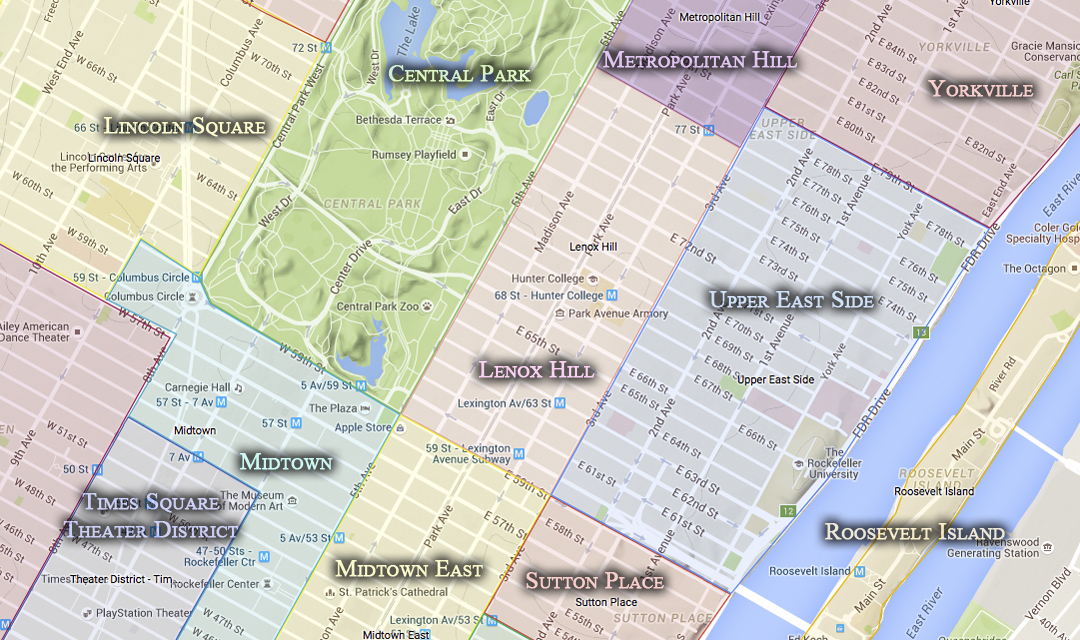
Geographically, the Upper East Side is situated in the borough of Manhattan. It occupies a prime stretch of land that runs along the eastern edge of Central Park. Its boundaries are generally defined as the area extending from 59th Street at its southern end to 96th Street at its northern border. To the west, the neighborhood is bordered by the lush greenery of Central Park, while to the east, it stretches to the banks of the East River.
The Sub-Neighborhoods
Within these defined borders, the Upper East Side is further divided into smaller, distinct enclaves, including Lenox Hill, Yorkville, and Carnegie Hill. Each of these pockets offers a slightly different atmosphere. Lenox Hill, located in the southern portion, is characterized by its proximity to Midtown Manhattan and high-end shopping along Madison Avenue. Carnegie Hill, situated further north, is known for its quiet, tree-lined streets and preserved historic brownstones, while Yorkville leans toward the East River and offers a slightly more relaxed, residential vibe.
A Cultural Corridor of Global Significance
One of the defining features of the Upper East Side is its density of world-class cultural institutions. Often referred to as the “Museum Mile,” a stretch of Fifth Avenue passing through the neighborhood serves as the gateway to some of the most significant collections of art and history on the planet.
The Metropolitan Museum of Art
At the center of this cultural hub is The Metropolitan Museum of Art. Occupying a massive footprint along the edge of Central Park, this institution is a cornerstone of the neighborhood. Visitors spend days exploring its vast galleries, which house everything from ancient Egyptian temples to contemporary American paintings. Being located within the Upper East Side allows residents and tourists to access this titan of culture with ease, integrating art into the daily rhythm of life.
The Solomon R. Guggenheim Museum
Further north, the Solomon R. Guggenheim Museum stands as an architectural marvel. Designed by Frank Lloyd Wright, the building itself is as much a destination as the exhibits it houses. Its spiral ramp design changed the way audiences experience art, and its position on Fifth Avenue highlights the progressive architectural history that exists alongside the traditional townhouses of the area. Other significant institutions, such as the Cooper Hewitt Smithsonian Design Museum and the Jewish Museum, further cement the status of this district as the intellectual heartbeat of New York City.

Architecture and the Streetscape
The Upper East Side is defined by its distinctive architecture. Unlike the glass-clad skyscrapers that dominate Midtown Manhattan, this neighborhood is anchored by pre-war apartment buildings, limestone mansions, and elegant brownstones. Walking the streets between Park Avenue and Third Avenue provides a masterclass in urban design.
The Prestige of Park Avenue
Park Avenue is perhaps the most famous thoroughfare in the district. It is known for its wide, landscaped median and its exceptionally tall, prestigious residential buildings. The architectural styles found here—ranging from Beaux-Arts to Neo-Georgian—reflect a bygone era of wealth and craftsmanship that remains impeccably maintained to this day.
Luxury Living and Commercial Arteries
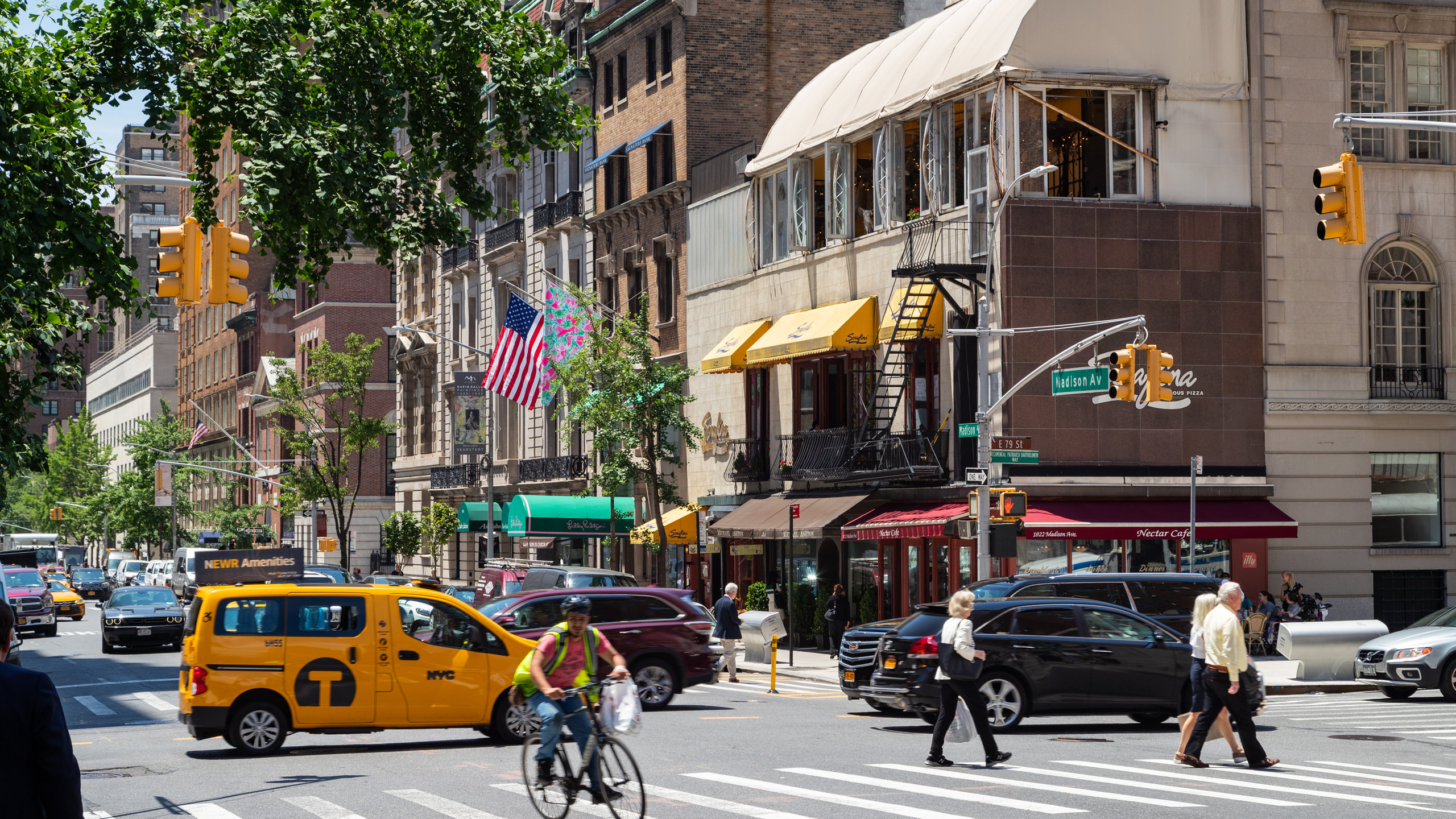
Madison Avenue serves as the primary commercial heart of the neighborhood, particularly for luxury retail. Here, high-end boutiques and fashion houses line the sidewalks, catering to a global clientele. Moving toward Lexington Avenue and Third Avenue, the atmosphere shifts to a more utilitarian but still highly refined pace, featuring upscale grocers, intimate restaurants, and neighborhood services. This unique combination of high-fashion commerce and quiet, private residential streets creates the specific character that draws people to the Upper East Side.
Navigating the Neighborhood
Transportation to and within the Upper East Side is well-integrated into the New York City transit network. While the area is highly walkable—a trait locals prize—it is also efficiently serviced by the New York City Subway.
Subway Access and Urban Connectivity
The expansion of the Second Avenue Subway has significantly improved accessibility to the easternmost parts of the neighborhood. Before this addition, the Upper East Side relied primarily on the 4, 5, and 6 trains running under Lexington Avenue. Now, commuters and visitors can traverse the East Side of Manhattan with greater speed and convenience.
The Proximity to Nature
Despite being a dense urban environment, the neighborhood’s identity is intrinsically linked to its relationship with nature. The western border is the massive Central Park, providing miles of paths, lakes, and recreational spaces. On the opposite side, the Carl Schurz Park offers a scenic, waterfront alternative overlooking the East River. This balance between the manicured perfection of the city streets and the accessible green spaces is a primary reason why the Upper East Side remains one of the most sought-after destinations for travelers seeking to experience the authentic, sophisticated lifestyle of New York.
Whether you are exploring the Metropolitan Museum of Art or simply strolling down a tree-lined street to admire the architecture, the neighborhood offers an enduring sense of place. It is a district that respects its history while continuously evolving, ensuring that it remains a timeless focal point of Manhattan life.
LifeOutOfTheBox is a participant in the Amazon Services LLC Associates Program, an affiliate advertising program designed to provide a means for sites to earn advertising fees by advertising and linking to Amazon.com. Amazon, the Amazon logo, AmazonSupply, and the AmazonSupply logo are trademarks of Amazon.com, Inc. or its affiliates. As an Amazon Associate we earn affiliate commissions from qualifying purchases.