
Nestled in the rugged, sun-drenched landscape of southeastern Arizona, lies the legendary town of Tombstone, a place where the echoes of the Wild West still reverberate through its historic streets and venerable buildings. For anyone drawn to the romanticized, often violent, tales of cowboys, lawmen, and outlaws, Tombstone is more than just a destination; it’s a living, breathing museum, a journey back to an era that shaped American identity. Its location, far from the bustling metropolises, contributes significantly to its preserved charm and provides an authentic backdrop for its storied past.
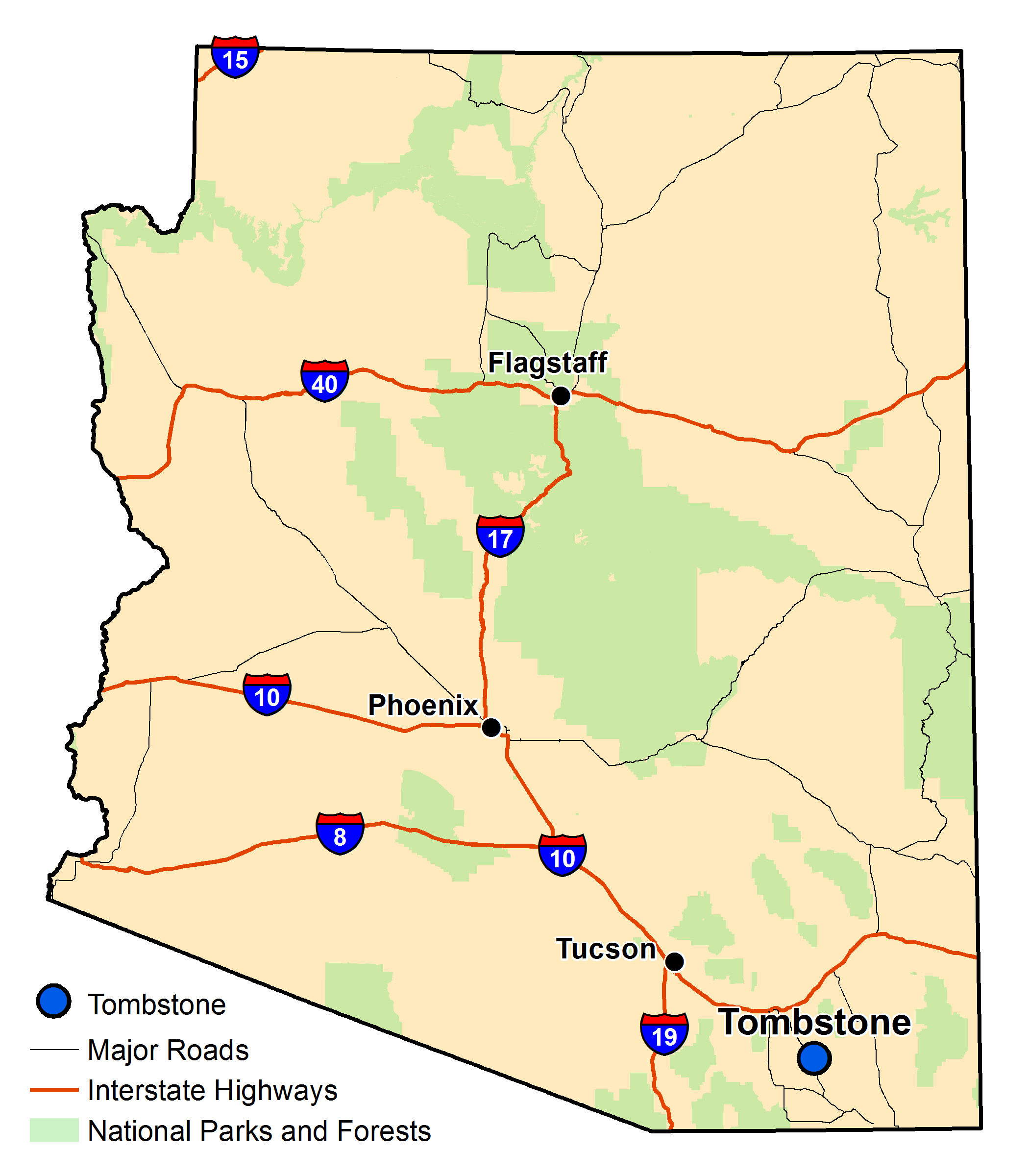
Geographically, Tombstone is situated in Cochise County, approximately 65 miles southeast of Tucson and about 20 miles southeast of Sierra Vista. Its coordinates place it squarely within the northern reaches of the Sonoran Desert, characterized by vast open spaces, dramatic mountain ranges, and unique desert flora like the iconic saguaro cactus. The town’s elevation of around 4,539 feet (1,383 meters) above sea level offers a slightly milder climate than the lower desert regions, though summer temperatures can still be intense.
Reaching Tombstone typically involves a scenic drive, with most visitors arriving by car from larger cities in Arizona or neighboring states. From Tucson, the drive takes just over an hour, primarily via Interstate 10 East, then south on Highway 80. For those traveling from Phoenix, the journey is approximately three hours, following Interstate 10 East directly. These routes are well-maintained, offering travelers a smooth and picturesque introduction to the rugged beauty of southeastern Arizona. The isolation, while once a challenge for pioneers, now serves as a protective bubble, preserving the town’s historical integrity against the rapid modernization seen elsewhere.

The choice of Tombstone as a travel destination offers an immersive experience, blending historical exploration with the adventure of discovering an iconic American landmark. Its location is not just a point on a map; it’s an integral part of its identity, evoking images of dusty trails, prospectors, and the untamed frontier.
A Journey Back in Time: Tombstone’s Storied Past
The story of Tombstone is inextricably linked to the American frontier and the relentless pursuit of fortune. Its very existence is a testament to the boom-and-bust cycles that characterized the mineral-rich regions of the Old West. Understanding its past is crucial to appreciating its present allure as a vibrant historical destination.
The Silver Boom and Its Legacy
The town’s genesis dates back to 1877 when prospector Ed Schieffelin, defying warnings from soldiers at nearby Fort Huachuca that “all you’ll find out there is your tombstone,” discovered silver ore in the area. His claim, aptly named “The Tombstone Mine,” sparked one of the last great silver rushes in the American West. Within a few years, a bustling town emerged from the desert, rapidly growing from a humble tent city to a thriving community of thousands, complete with saloons, dance halls, hotels, and a newspaper, the Tombstone Epitaph.
By the mid-1880s, Tombstone was a major economic hub, producing millions of dollars in silver. This rapid influx of wealth, combined with its frontier location, attracted a diverse population—miners, entrepreneurs, gamblers, and outlaws alike. The town became a melting pot of ambition and lawlessness, where fortunes were made and lost overnight, and the line between justice and vigilante action was often blurred. Despite devastating fires in 1881 and 1882 that nearly wiped out the wooden structures, the resilient citizens rebuilt, earning Tombstone the enduring moniker, “The Town Too Tough to Die.” This spirit of perseverance is still palpable today, defining the local culture and its dedication to preserving its unique heritage.
Legends of the Wild West
No discussion of Tombstone is complete without recounting the legendary figures and events that etched its name into the annals of American folklore. The town served as the stage for one of the most famous confrontations of the Wild West: the Gunfight at the O.K. Corral.
On October 26, 1881, a 30-second shootout erupted near the O.K. Corral between lawmen Wyatt Earp, his brothers Virgil and Morgan, and Doc Holliday against the Clanton Gang and the McLaury brothers. This brief but bloody encounter resulted in the deaths of three members of the outlaw faction and cemented the legacies of its participants. The dramatic events surrounding this gunfight—the tensions between cattle rustlers and town authorities, the personal animosities, and the quest for control—have been immortalized in countless books, films, and television shows, transforming Tombstone into a symbol of the untamed frontier.
Today, visitors can walk the very streets where these legends lived and died, experiencing the palpable history that permeates every corner of the town. This rich history is not just preserved in museums; it is actively relived through daily reenactments and the town’s commitment to maintaining its 19th-century aesthetic, making it an unparalleled destination for history buffs and curious travelers alike.
Unearthing Tombstone’s Top Attractions and Experiences
Tombstone’s enduring appeal lies in its meticulously preserved historical sites and the immersive experiences it offers, transporting visitors directly into the heart of the Wild West. From iconic landmarks to lively reenactments and unique cultural insights, the town promises an unforgettable journey.
Iconic Landmarks You Can’t Miss
At the forefront of Tombstone’s attractions is the legendary O.K. Corral. Far from just a historic site, the O.K. Corral complex brings the past to life with daily reenactments of the famous gunfight, performed by skilled actors in period attire. Beyond the main event, visitors can explore the actual site where the confrontation occurred, see a reproduction of Wyatt Earp’s office, and wander through various exhibits that detail the lives of the characters involved. It’s an essential stop for anyone wishing to grasp the core of Tombstone’s legend.
Another poignant and historically significant site is Boothill Graveyard. This historic cemetery serves as the final resting place for many of Tombstone’s early residents, including those who died “with their boots on.” The simple wooden markers tell intriguing, sometimes humorous, and often tragic tales of shootouts, hangings, and various unfortunate ends. Walking among the graves of figures like Billy Clanton and the McLaury brothers, who perished in the O.K. Corral gunfight, offers a sobering glimpse into the harsh realities of frontier life.

For a taste of Tombstone’s more scandalous past, the Bird Cage Theatre is a must-see. Operating from 1881 to 1889, this establishment was renowned as one of the Wild West’s most notorious entertainment venues, functioning as a theater, saloon, gambling hall, and brothel. Preserved almost exactly as it was when it closed its doors, the Bird Cage Theatre is filled with original artifacts, bullet holes from past conflicts, and a palpable sense of history. Its ghostly tales and preserved grit make it a captivating landmark.
The heart of historic Tombstone is Allen Street, a vibrant thoroughfare that has retained its 1880s appearance. Lined with wooden boardwalks, saloons, shops, and restaurants, it’s where much of the town’s daily reenactments and street performances take place. Strolling down Allen Street feels like stepping onto a movie set, offering numerous photo opportunities and a chance to soak in the authentic atmosphere.
Finally, the Tombstone Courthouse State Historic Park provides a more formal, yet equally engaging, look at the town’s past. Housed in the magnificent 1882 courthouse, this museum features exhibits on Tombstone’s mining history, the Gunfight at the O.K. Corral, and the broader social and political landscape of early Arizona territory. It’s an excellent resource for contextualizing the dramatic stories and understanding the lives of ordinary citizens in an extraordinary time.
Immersive Activities and Local Culture
Beyond the major landmarks, Tombstone offers a plethora of activities designed to deepen the visitor’s immersion in the Wild West experience. Stagecoach rides provide a charming way to see the town, offering a different perspective from the comfort of a horse-drawn carriage. For those intrigued by the supernatural, ghost tours lead visitors through the town’s most haunted locations, sharing eerie tales and unexplained phenomena, particularly at the Bird Cage Theatre and Boothill Graveyard.
The town’s connection to mining is celebrated through various mining exhibits and tours that delve into the dangerous work that built Tombstone’s wealth. These often include demonstrations of old mining techniques and displays of equipment.
Shopping for Wild West memorabilia is another popular pastime. Numerous shops along Allen Street offer everything from cowboy hats and boots to antique firearms, Native American crafts, and unique souvenirs, ensuring you can take a piece of Tombstone home with you.
The local food scene, while perhaps not gourmet, offers an authentic taste of the Old West. Many restaurants are designed to replicate historic saloons and eateries, serving hearty American fare. Enjoy a sarsaparilla or a beer in an authentic saloon setting, such as Big Nose Kate’s Saloon, which sits on the site of the former Grand Hotel and offers live music and a vibrant atmosphere reminiscent of its heyday. It’s a chance to savor the flavors and spirit of a bygone era.
The combination of historic sites, interactive experiences, and the living culture makes Tombstone not just a place to visit, but a place to experience.
Planning Your Stay: Accommodation and Travel Essentials
A trip to Tombstone requires careful planning to maximize your experience and ensure a comfortable stay. From choosing the right accommodation to understanding the best time to visit, these practical tips will help you navigate your Wild West adventure seamlessly.
Where to Stay: Hotels, Resorts, and Unique Stays
While Tombstone itself is relatively small, it offers a range of accommodation options that cater to different preferences and budgets, largely embracing its historic character. For those seeking an immersive experience, several historic hotels and bed-and-breakfasts provide charm and a direct connection to the past. These often feature period furnishings and architecture, allowing guests to truly feel like they’ve stepped back in time. Options like The Tombstone Boarding House or Larian Motel, which boasts an Old West theme, are popular choices right in the heart of town, offering convenient access to attractions.
For travelers looking for more modern amenities or a slightly larger property, the Tombstone Grand Hotel is a prominent choice, located just outside the main historic district but still within easy reach. It offers comfortable rooms, a pool, and often family-friendly facilities. While Tombstone doesn’t feature large, opulent resorts akin to those in Phoenix or Tucson, its local hotels provide a cozy, authentic atmosphere that complements the town’s theme.
Alternatively, for those on a budget travel plan, motels and smaller inns offer good value. Nearby Sierra Vista, just a short drive away, also provides a wider array of chain hotels and diverse dining options, which can be a practical choice for longer stays or for travelers who prefer more contemporary lodging. When planning, it’s advisable to book accommodation in advance, especially during peak season or for special events like Helldorado Days, when the town sees a significant surge in visitors. Reading reviews and comparing prices across different booking platforms can help secure the best deals and ensure your choice aligns with your expectations for a unique Tombstone experience.
Getting There and Around
As mentioned, driving is the primary mode of transportation to Tombstone. The town is easily accessible via paved highways, making a road trip a popular option.
- From Tucson: Take I-10 E to Exit 303 for AZ-83 S, then turn onto AZ-82 E and finally US-80 S into Tombstone.
- From Phoenix: Take I-10 E all the way to Exit 303, then follow the same route.
- From El Paso, Texas: Take I-10 W to Exit 303 for AZ-83 S, etc.
Within Tombstone itself, the historic district is compact and extremely walkable. Allen Street and its immediate surroundings are pedestrian-friendly, with boardwalks that evoke the 1880s. There’s ample parking available, usually paid, located just off Allen Street. For those who prefer not to walk long distances or wish to experience a different mode of transport, horse-drawn buggies and stagecoach rides offer charming ways to see the sights. There is no public transportation within the town, nor ride-sharing services, so personal vehicles or tour buses are essential for arrival and departure.
Best Time to Visit and Practical Tips
The best time to visit Tombstone is during the cooler months, from October to April. During this period, the weather is pleasant, with mild temperatures that are ideal for exploring the outdoor attractions and enjoying street performances. Summers (June to September) can be intensely hot, with temperatures often exceeding 100°F (38°C), making outdoor activities challenging. If you must visit in summer, plan your activities for early mornings or late afternoons.
Practical tips for a smooth visit:
- Dress comfortably and wear sturdy, closed-toe shoes: You’ll be doing a lot of walking on unpaved surfaces and wooden boardwalks.
- Hydration is key: Even in cooler months, the Arizona desert air is dry. Carry plenty of water.
- Sun protection: A hat, sunglasses, and sunscreen are essential year-round.
- Plan your itinerary: While Tombstone is small, there’s a lot to see. Check the schedules for gunfight reenactments and ghost tours in advance.
- Bring cash: While most establishments accept cards, some smaller vendors or attractions might be cash-only, and it’s always handy for tips.
- Consider combination tickets: Many attractions offer discounted tickets if purchased together, like the O.K. Corral and Tombstone Epitaph Museum.
- Explore beyond Tombstone: The surrounding region of Cochise County offers additional attractions. The historic mining town of Bisbee, known for its vibrant arts scene and Victorian architecture, is just a 30-minute drive away. The magnificent underground formations of Kartchner Caverns State Park are also within an hour’s drive, offering a stunning natural contrast to Tombstone’s historical appeal. This allows for a richer and more varied travel experience, catering to different lifestyle preferences, from historical exploration to natural wonders.
In conclusion, Tombstone’s location in southeastern Arizona is more than just a geographical fact; it’s a fundamental part of its identity as “The Town Too Tough to Die.” This iconic Wild West destination invites visitors to step back in time, immerse themselves in a rich historical narrative, and explore a landscape that has remained largely unchanged since the days of silver booms and legendary gunfights. Whether you’re a history enthusiast, an adventure seeker, or simply looking for a unique travel experience, Tombstone offers an unparalleled journey into the heart of America’s frontier past.
LifeOutOfTheBox is a participant in the Amazon Services LLC Associates Program, an affiliate advertising program designed to provide a means for sites to earn advertising fees by advertising and linking to Amazon.com. Amazon, the Amazon logo, AmazonSupply, and the AmazonSupply logo are trademarks of Amazon.com, Inc. or its affiliates. As an Amazon Associate we earn affiliate commissions from qualifying purchases.