
The question “Where is University Of Alabama located?” might seem straightforward, but its answer unveils a destination rich in history, vibrant culture, and compelling attractions for any traveler. More than just a prestigious educational institution, the University of Alabama, affectionately known as “Bama,” is nestled in the heart of Tuscaloosa, Alabama – a city that offers a unique blend of Southern charm, collegiate energy, and a surprising array of experiences for visitors. From its iconic campus landmarks to the spirited atmosphere surrounding its legendary athletics, and the broader appeal of its host city, understanding its location is merely the first step in discovering a dynamic travel destination.

For those planning a trip, whether for prospective students and their families, avid sports fans, history buffs, or general tourists seeking an authentic Southern experience, pinpointing the university on the map is crucial. But beyond the mere coordinates, lies an invitation to explore a region steeped in tradition and brimming with modern attractions. This article serves as a comprehensive guide to its location, its essence as a travel hub, and the myriad of adventures awaiting visitors in Tuscaloosa and its picturesque surroundings. Prepare to delve into the geographic and cultural tapestry that makes the University of Alabama not just a point on the map, but a journey worth taking.
The Heart of Dixie: Pinpointing Tuscaloosa
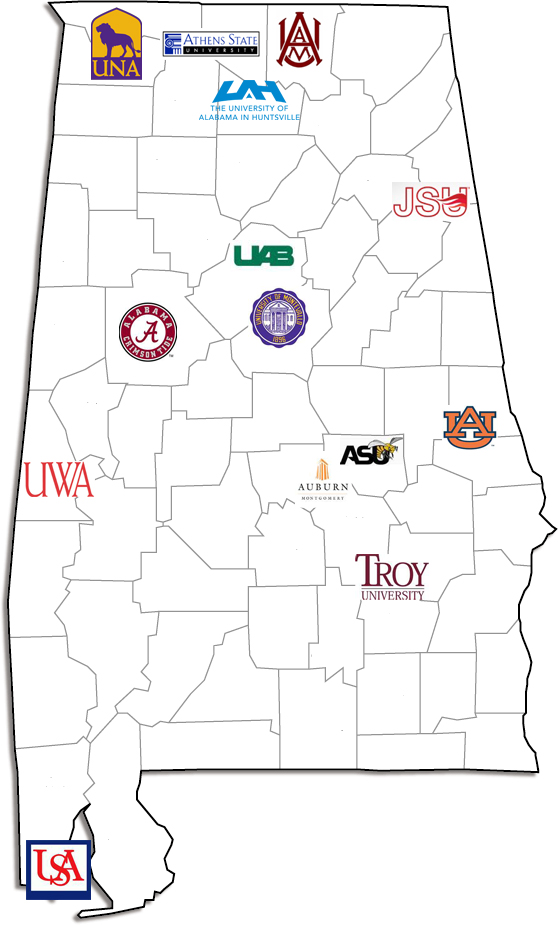
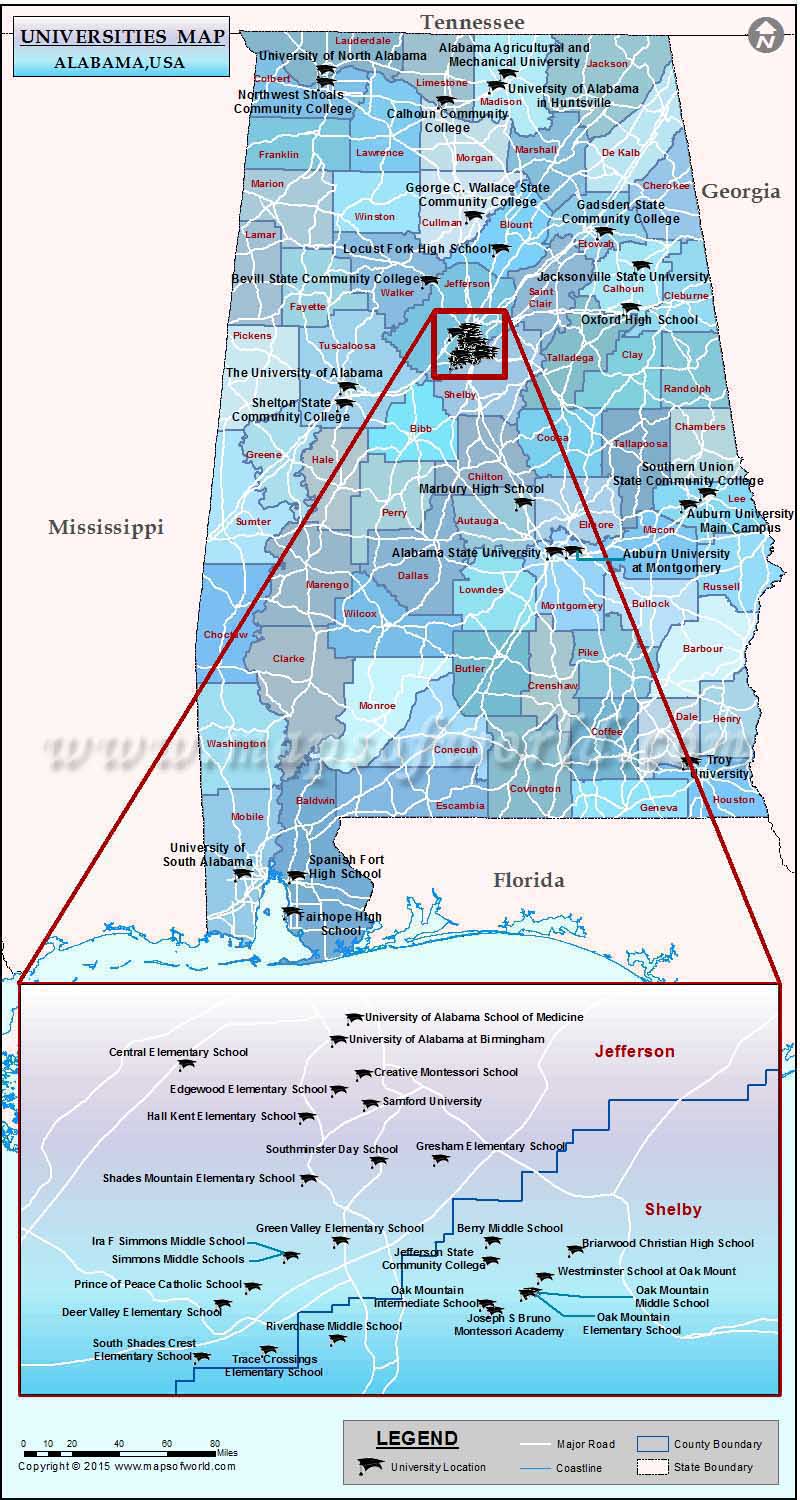
The University of Alabama proudly calls Tuscaloosa home, a city strategically located in the west-central part of the state of Alabama. Often referred to as “The Druid City” due to the numerous water oaks lining its streets, Tuscaloosa sits gracefully along the banks of the Black Warrior River. This location places it within convenient reach of major Southern cities while maintaining its distinct identity as a quintessential college town with deep historical roots. Understanding its exact position and how to access it is fundamental for any travel itinerary centered around the university.
Geographic Coordinates and Regional Context
Geographically, Tuscaloosa is situated roughly 50 miles southwest of Birmingham, Alabama’s largest city, and approximately 90 miles northwest of Montgomery, the state capital. Its coordinates are approximately 33.2095° N latitude and 87.5694° W longitude. This positioning places it firmly within the state’s historical and cultural corridor, offering travelers a chance to explore various facets of Alabama’s heritage, from civil rights landmarks to natural beauty, all within a reasonable driving distance. The climate is generally humid subtropical, characterized by hot summers and mild winters, making spring and fall particularly pleasant for visits, especially during the vibrant college sports seasons. The city itself is designed with visitors in mind, featuring well-maintained roads and accessible routes to all major attractions, with the university campus serving as a prominent focal point. The blend of urban amenities with natural landscapes like the nearby Lake Lurleen State Park ensures a diverse travel experience for all.
Accessibility: Getting to Tuscaloosa
Reaching Tuscaloosa is relatively straightforward, thanks to its proximity to major transportation hubs and well-maintained interstate highways. For air travelers, the most common gateway is Birmingham-Shuttlesworth International Airport (BHM), located in Birmingham. This airport serves numerous domestic routes, connecting Tuscaloosa to cities across the United States. From BHM, visitors can rent a car, utilize ride-sharing services, or arrange for shuttle services for the approximately one-hour drive to Tuscaloosa. The drive is scenic and straightforward, primarily via Interstate 20/59 West. For those preferring to drive from other Southern cities, Tuscaloosa is easily accessible via Interstate 20/59, which bisects the city, and U.S. Highways 11 and 82. The ease of access makes it an ideal destination for weekend trips or longer stays, allowing travelers to immerse themselves fully in the local culture without significant logistical hurdles. Once in Tuscaloosa, navigating the city and the university campus is made simple by comprehensive signage and a user-friendly layout.
More Than Just a Campus: University Of Alabama as a Destination
While its primary function is academic, the University of Alabama transcends the typical campus experience, emerging as a significant travel destination in its own right. Its sprawling grounds are not only home to historic buildings and cutting-edge facilities but also serve as a living museum, a cultural hub, and a mecca for sports enthusiasts. For visitors, the campus offers a rich tapestry of attractions that cater to diverse interests, making it an essential stop on any Tuscaloosa itinerary. Exploring the university provides a unique insight into Southern heritage, architectural grandeur, and the passionate spirit of the Crimson Tide.
Iconic Landmarks and Architectural Wonders
The University of Alabama campus is a treasure trove of iconic landmarks and impressive architecture, reflecting centuries of history and development. At the heart of the campus lies the Quad, a vast green space surrounded by some of the university’s most historic structures. Dominating the Quad is Denny Chimes, a majestic bell tower that stands as a symbol of the university. Nearby, the Gorgas House, the oldest building on campus, offers a glimpse into 19th-century life and the university’s enduring past. The President’s Mansion, an exquisite example of Greek Revival architecture, is another historical gem. Visitors can embark on self-guided walking tours or join organized campus tours to appreciate these architectural marvels and learn about their historical significance. Each building tells a story, contributing to the rich narrative of the university and its profound impact on Alabama. The blending of old and new architecture, from the venerable brick structures to modern academic complexes, creates a visually appealing and intellectually stimulating environment for all who wander its pathways.
Sporting Spirit: The Crimson Tide Experience
For many, the University of Alabama is synonymous with the Crimson Tide, its powerhouse athletic program, particularly in football. Game days in Tuscaloosa are an electrifying experience, transforming the entire city into a sea of crimson and white. The legendary Bryant-Denny Stadium, with a seating capacity exceeding 100,000, is hallowed ground for football fans. Even outside of game days, visitors can tour the stadium (when available) and immerse themselves in the rich history of Crimson Tide football at the Paul W. Bryant Museum. This museum celebrates the legacy of Coach Bear Bryant and showcases the team’s numerous national championships and iconic moments. Beyond football, other athletic facilities like Coleman Coliseum for basketball and gymnastics, and Foster Auditorium (a historic venue in its own right) also draw visitors. The palpable passion for sports creates an unforgettable atmosphere, making the University of Alabama a must-visit for anyone seeking an authentic slice of American collegiate sports culture. The campus becomes a vibrant community hub during these events, offering tailgating experiences and pre-game festivities that are cultural events in themselves.
Cultural and Historical Explorations
Beyond athletics and architecture, the University of Alabama campus also hosts a variety of cultural and historical attractions. The Alabama Museum of Natural History, located in Smith Hall, offers fascinating exhibits on the state’s natural heritage, from dinosaur fossils to geological formations. The university’s diverse departments also contribute to a vibrant arts scene, with several galleries and performance spaces showcasing student and professional work. Visitors can often catch theatrical productions, musical performances, and art exhibitions throughout the year. The historical significance of the university extends to its role in the Civil Rights Movement, with several markers and memorials on campus detailing its challenging past and progress. These cultural and historical offerings provide a deeper understanding of Alabama’s complex identity and contribute to a well-rounded travel experience, engaging visitors beyond the superficial. The campus truly is a microcosm of the state’s journey, offering contemplative spaces alongside its more boisterous attractions.
Beyond the Gates: Exploring Tuscaloosa and Its Surroundings
While the University of Alabama campus is a primary draw, the city of Tuscaloosa itself offers a wealth of attractions and experiences that complement a campus visit, ensuring a fulfilling and diverse travel itinerary. From its burgeoning culinary scene to its scenic outdoor spaces and vibrant arts community, Tuscaloosa invites exploration beyond the university gates. Travelers can immerse themselves in local culture, savor Southern hospitality, and discover hidden gems that make this Alabama city a memorable destination.
Culinary Delights and Local Flavors
Tuscaloosa’s culinary landscape is a delightful fusion of traditional Southern comfort food and innovative contemporary cuisine. Downtown Tuscaloosa and the Riverwalk area are particularly rich with dining options, ranging from casual eateries to upscale restaurants. Visitors can indulge in classic Southern BBQ, fresh seafood, and farm-to-table dishes that highlight local ingredients. Many establishments offer outdoor seating with views of the Black Warrior River, providing a picturesque setting for meals. The city also boasts a growing craft brewery scene, offering opportunities to sample local beers and spirits. Exploring Tuscaloosa’s diverse restaurants, cafes, and bars is an essential part of experiencing its local culture and hospitality, ensuring that every palate finds something to savor. From hearty breakfasts to elegant dinners, the city’s food scene caters to all tastes and budgets, solidifying its status as a destination for culinary discovery.
Outdoor Adventures and Natural Beauty
For those who appreciate the outdoors, Tuscaloosa and its surrounding areas provide ample opportunities for adventure and relaxation. The Tuscaloosa Riverwalk, a paved pathway stretching along the Black Warrior River, is perfect for walking, jogging, or biking, offering scenic views and access to parks and playgrounds. Kayaking, paddleboarding, and fishing on the Black Warrior River are popular activities for water enthusiasts. Just a short drive from the city, Lake Lurleen State Park offers hiking trails, swimming, camping, and boating opportunities amidst beautiful natural scenery. For history and nature buffs, Moundville Archaeological Park, a National Historic Landmark, preserves one of North America’s most significant Native American sites, featuring ancient mounds and a museum. These natural attractions provide a refreshing contrast to the bustling campus environment, allowing travelers to connect with Alabama’s diverse ecosystems and rich history.
Arts, Entertainment, and Community Events
Tuscaloosa’s cultural calendar is vibrant and varied, ensuring there’s always something happening for visitors. Beyond the university’s offerings, Downtown Tuscaloosa is home to galleries, live music venues, and performance spaces. The Bama Theatre, a historic movie palace, hosts concerts, classic films, and community events in a beautifully restored setting. Throughout the year, the city hosts numerous festivals and events, including the Downtown Tuscaloosa Art Walk, seasonal markets, and outdoor concerts. The Kentuck Art Center and Festival showcases folk art and crafts, providing a unique cultural experience. These events, coupled with the thriving local music scene and art galleries, underscore Tuscaloosa’s commitment to fostering a rich cultural environment, making it an engaging destination for travelers seeking entertainment and community engagement beyond typical tourist traps.
Planning Your Visit: Essential Travel Tips
A trip to Tuscaloosa and the University of Alabama can be an incredibly rewarding experience, but a well-planned itinerary is key to maximizing enjoyment. From choosing the optimal time to visit to securing appropriate accommodations and understanding local transportation, these practical tips will ensure a smooth and memorable journey to this captivating corner of Alabama.
Best Time to Visit
The ideal time to visit Tuscaloosa largely depends on your travel priorities. For fans of Crimson Tide football, fall (September through November) is undoubtedly the prime season, albeit the busiest and most expensive. The electric atmosphere of game days is unparalleled, but visitors should book accommodations and flights well in advance. For those interested in milder weather, campus tours, and general sightseeing without the football crowds, spring (March to May) offers pleasant temperatures, blooming azaleas, and various university events. Fall, outside of specific game weekends, also presents comfortable weather for exploring. Summer (June to August) can be hot and humid, but attendance at the university typically slows, potentially offering a more serene campus experience and lower accommodation prices. Winter (December to February) is generally mild, making it suitable for exploring historical sites and indoor attractions.
Accommodation Options
Tuscaloosa offers a wide range of accommodation options to suit various budgets and preferences. For those seeking proximity to the University of Alabama campus, several hotels are located within walking distance or a short drive, providing convenient access to university events and attractions. These include well-known hotel chains and charming boutique options. Downtown Tuscaloosa also features a selection of hotels and guesthouses, placing visitors within easy reach of restaurants, shops, and the Riverwalk. For a more localized experience, vacation rentals and Airbnb options are available, offering a chance to stay in residential neighborhoods and experience the city like a local. During peak seasons, especially football weekends, it is highly advisable to book accommodations months in advance, as prices can surge, and availability becomes scarce.
Navigating the City
Once in Tuscaloosa, navigating the city is relatively straightforward. While having a car offers the most flexibility for exploring the broader region and attractions like Moundville Archaeological Park or Lake Lurleen State Park, the university campus and Downtown Tuscaloosa are quite walkable. Public transportation options are available, primarily through the Tuscaloosa Transit Authority, which operates bus routes throughout the city. Ride-sharing services like Uber and Lyft are also readily available. For campus exploration, walking is often the best way to soak in the atmosphere and appreciate the architecture. Parking on campus can be challenging, especially during events, so checking the university’s visitor parking information beforehand is recommended. With a little planning, getting around Tuscaloosa to enjoy all its offerings is an easy part of your travel adventure.
LifeOutOfTheBox is a participant in the Amazon Services LLC Associates Program, an affiliate advertising program designed to provide a means for sites to earn advertising fees by advertising and linking to Amazon.com. Amazon, the Amazon logo, AmazonSupply, and the AmazonSupply logo are trademarks of Amazon.com, Inc. or its affiliates. As an Amazon Associate we earn affiliate commissions from qualifying purchases.