
The question “Where is University of California Davis?” sparks a journey not just to a point on a map, but into the heart of a vibrant academic community nestled within a unique and inviting city. UC Davis, often simply referred to as Davis, is much more than just a world-renowned university; it’s a cornerstone of the Central Valley experience in California. For prospective students, visiting parents, academics, or curious travelers seeking a blend of intellectual stimulation, outdoor recreation, and a laid-back lifestyle, understanding its location and what surrounds it is key to unlocking a memorable visit.
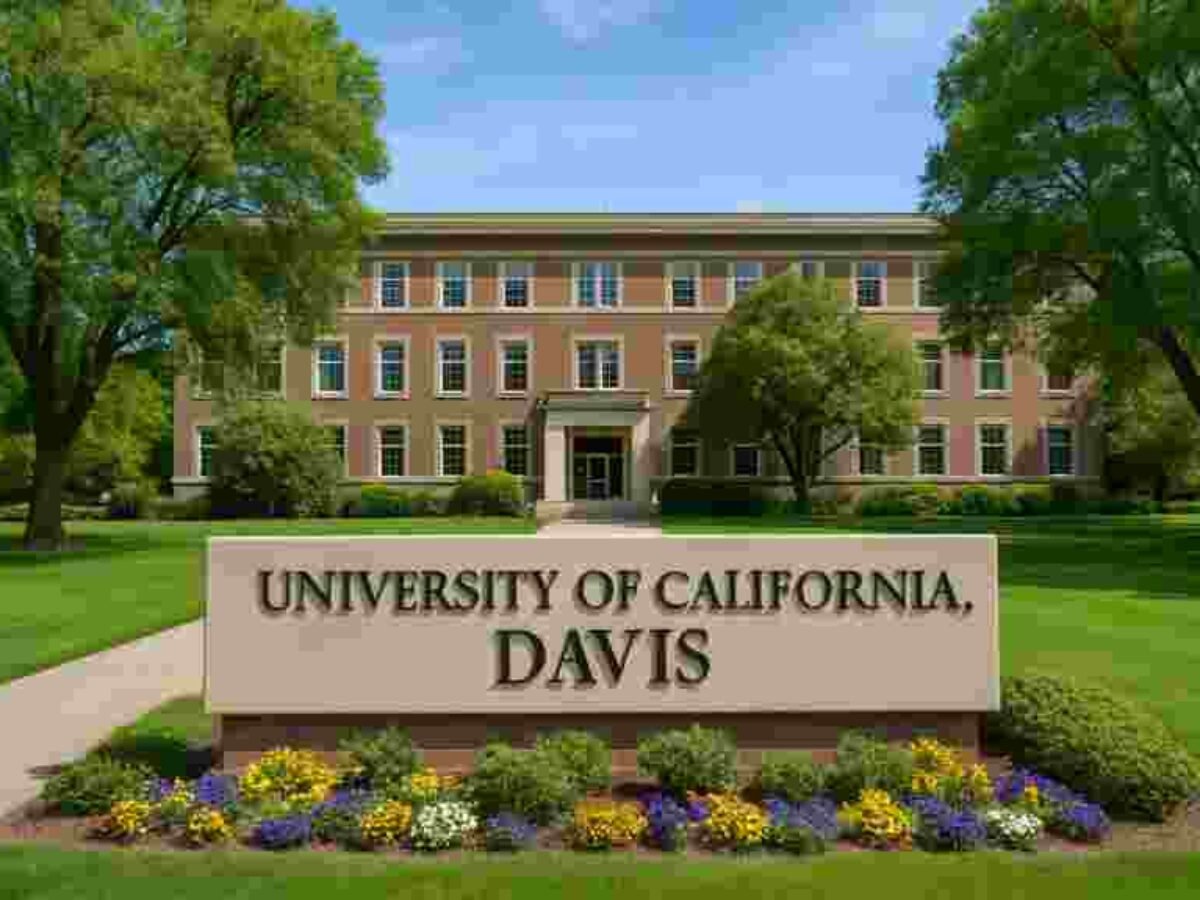
This comprehensive guide will not only pinpoint the exact location of UC Davis but will also delve into the charming city it calls home, explore the sprawling campus itself, and highlight nearby attractions that make it an ideal base for exploring a rich corner of Northern California. From seamless travel logistics to local culinary delights and an array of accommodation options, we’ll cover everything you need to plan your adventure to this exceptional educational and cultural hub.
The Heart of the Central Valley: Pinpointing UC Davis
University of California Davis is strategically situated in the city of Davis, Yolo County, California. This placement positions it firmly within the fertile Sacramento Valley, a rich agricultural region that significantly influences the local culture, cuisine, and research endeavors of the university, particularly in agricultural and environmental sciences.
Geographically, Davis lies approximately:
- 15 miles (24 km) west of Sacramento, the state capital of California.
- 70 miles (113 km) northeast of San Francisco and the San Francisco Bay Area.
- 100 miles (161 km) southwest of Lake Tahoe and the Sierra Nevada mountain range.
This central location makes UC Davis easily accessible from major metropolitan areas and popular tourist destinations, offering a convenient base for a variety of travel experiences.
Geographical Coordinates and Regional Context
The exact coordinates for the main campus of UC Davis are approximately 38.5382° N latitude and 121.7527° W longitude. This places it in a region characterized by a Mediterranean climate, featuring hot, dry summers and mild, wet winters. The flat terrain of the Central Valley makes Davis famously bike-friendly, a characteristic that defines much of its local lifestyle and infrastructure.
The city itself is a testament to sustainable urban planning, with extensive bike paths, green spaces, and a strong community emphasis on environmental consciousness. The proximity to the Sacramento River and various agricultural lands provides a unique blend of urban amenities with rural charm and scientific innovation, particularly visible in the university’s research farms and the renowned UC Davis Arboretum.
Getting There: Accessibility by Air and Road
Reaching UC Davis is straightforward, thanks to its strategic location near major transportation arteries.
By Air:
The most convenient airport for visitors is Sacramento International Airport (SMF), located just 20-30 minutes north of Davis. SMF offers direct flights to numerous cities across the United States and some international destinations. Transportation from SMF to Davis is readily available via ride-sharing services, taxis, and public transit options like the Yolobus, which provides a direct route.
For those traveling from further afield or requiring more extensive flight options, San Francisco International Airport (SFO) and Oakland International Airport (OAK) are viable alternatives, though they are about 1.5 to 2 hours away. From these airports, visitors can rent a car, take a shuttle service, or utilize Amtrak train services from downtown San Francisco or Oakland directly to the Davis station.
By Road:
Davis is directly serviced by Interstate 80 (I-80), a major east-west highway connecting San Francisco to Sacramento and points east. Driving to UC Davis is a popular option, offering flexibility for exploring the surrounding areas. The campus is well-signposted from I-80 exits. Visitors should be aware of potential traffic during peak hours, especially on I-80 closer to the Bay Area.
By Rail:
The Davis Amtrak Station is a historic and active stop for several Amtrak routes, including the Capitol Corridor, California Zephyr, and Coast Starlight. This makes train travel a convenient and scenic option, especially for those coming from the Bay Area, Sacramento, or even further afield. The station is located downtown, a short walk or bike ride from the UC Davis campus.
Exploring Davis: A City of Innovation, Bicycles, and Culture
The city of Davis is inextricably linked to its university, creating a dynamic and engaging environment. Known as the “Bicycle Capital of America,” Davis boasts an extensive network of bike paths and lanes, making cycling the preferred mode of transport for many residents and visitors. This commitment to sustainable living is woven into the fabric of the community, from its vibrant downtown to its progressive policies.
The Vibrant Downtown and Local Attractions
Downtown Davis is a lively hub of activity, offering a diverse array of independent shops, bookstores, art galleries, and cafes. It’s a pedestrian-friendly area perfect for strolling, window shopping, and soaking in the relaxed atmosphere. Key attractions include:
- Davis Farmers Market: A perennial favorite, especially on Saturdays and Wednesday evenings (Picnic in the Park during warmer months), featuring local produce, artisanal foods, live music, and community spirit. It’s a true reflection of the region’s agricultural bounty and farm-to-fork philosophy.
- U.S. Bicycling Hall of Fame: A testament to Davis’s cycling culture, this museum celebrates the history of bicycling and its legends.
- Explorit Science Center: A hands-on science museum offering interactive exhibits for children and families, sparking curiosity about the natural world.
- Public Art: Murals, sculptures, and installations dot the city, adding to its artistic charm. Keep an eye out for the whimsical “Picnic Day” mural and various bicycle-themed artworks.
The downtown area also hosts numerous community events throughout the year, from art walks to holiday festivals, adding to its welcoming and energetic vibe.
Culinary Delights and Local Experiences
Davis’s culinary scene is a delightful reflection of its Central Valley location, emphasizing fresh, locally sourced ingredients. Farm-to-fork dining is not just a trend here; it’s a way of life. Visitors can enjoy everything from casual cafes and international eateries to upscale restaurants.
Highlights include:
- Farm-to-Table Restaurants: Many establishments pride themselves on partnerships with local farms, offering seasonal menus that showcase the best of Yolo County’s produce.
- Craft Breweries and Wineries: The region is home to several craft breweries and is a stone’s throw from renowned wine regions like Napa Valley and Lodi. Davis itself has a growing craft beverage scene.
- International Cuisine: Reflecting the diverse student body and faculty of UC Davis, the city offers an impressive range of global culinary options, from authentic Asian dishes to Mediterranean and Latin American flavors.
- Coffee Culture: A strong cafe culture thrives in Davis, with numerous independent coffee shops providing cozy spots for studying, socializing, or simply enjoying a handcrafted brew.
Beyond food, visitors can engage in outdoor activities like exploring the North Davis Greenbelt, a network of parks and open spaces, or birdwatching at the nearby Yolo Bypass Wildlife Area. The city’s commitment to nature and open spaces provides ample opportunities for recreation and relaxation.
A Glimpse into the UC Davis Campus
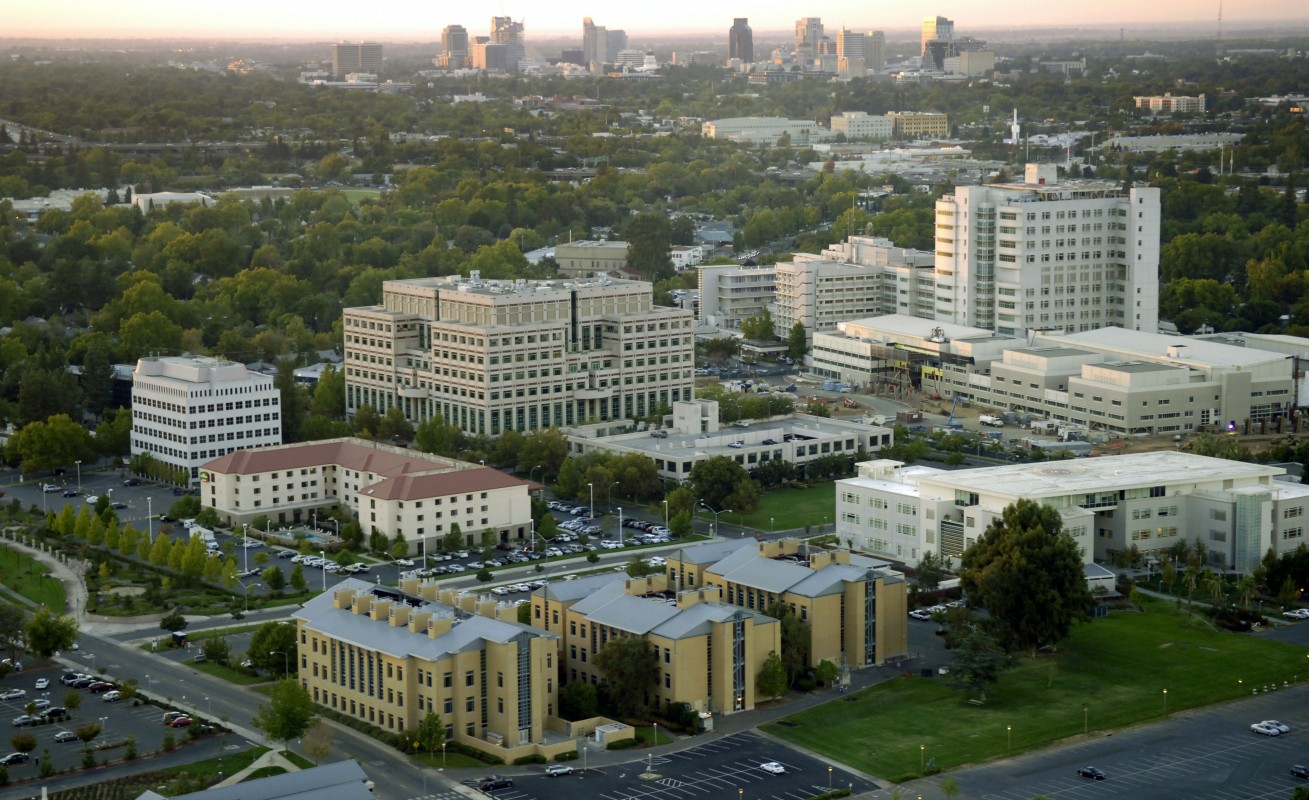
The University of California Davis campus is expansive, covering over 5,300 acres, making it the largest of the UC system campuses by land area. This vastness accommodates not only academic buildings but also research facilities, agricultural fields, arboreta, and a significant portion of its own infrastructure, including a power plant and a fire department. It’s a self-contained community, buzzing with academic rigor and an active student life.
Iconic Landmarks and Green Spaces
The UC Davis campus is renowned for its beautiful landscapes and architectural diversity. Key highlights for visitors include:
- UC Davis Arboretum: A stunning 100-acre botanical garden stretching along the old north fork of Putah Creek, featuring diverse plant collections, demonstration gardens, and walking/biking trails. It’s an oasis of tranquility and a living laboratory, home to the award-winning Arboretum GATEways Garden.
- Robert Mondavi Institute for Wine and Food Science: A state-of-the-art facility dedicated to research and education in viticulture, enology, brewing, and food science. It often hosts public tastings and educational events.
- Manetti Shrem Museum of Art: An architectural marvel and cultural beacon, the Manetti Shrem Museum showcases contemporary art, rotating exhibitions, and works by UC Davis faculty and alumni.
- Shields Library: The main library on campus, an impressive structure that serves as a central hub for student research and study.
- Memorial Union (MU): The heart of student life, the MU houses dining options, a bookstore, meeting spaces, and recreational facilities. The adjacent Quad is a popular spot for relaxation and events.
- The Cow Art: Keep an eye out for the quirky cow sculptures scattered around campus, reflecting UC Davis’s agricultural roots and its unofficial mascot, the Aggie cow.
The campus is meticulously maintained, offering pleasant walking and biking paths that crisscross through green lawns, groves of trees, and academic buildings.
Visitor Information and Campus Tours
For those planning a visit to UC Davis, a wealth of resources is available. The university offers various types of tours, catering to prospective students, families, and general visitors.
- Campus Tours: Guided walking tours provide an excellent overview of academic facilities, student life, and campus history. These are often led by current students who share personal insights into the Aggie experience.
- Self-Guided Tours: Maps and online guides are available for visitors who prefer to explore at their own pace, focusing on specific areas of interest like the Arboretum or specialized institutes.
- Visitor Parking: Designated visitor parking lots are available throughout the campus, with parking permits usually required and obtainable on-site or in advance.
- Dining on Campus: A wide range of dining options is available, from quick-service cafes to sit-down restaurants, catering to various tastes and dietary needs.
Checking the official UC Davis visitor website prior to your trip is highly recommended for the most up-to-date information on tour schedules, events, and any specific access requirements.
Beyond Davis: Day Trips and Nearby Attractions
While Davis itself offers plenty to explore, its strategic location in the Central Valley makes it an excellent jumping-off point for day trips to a diverse range of California attractions. From urban exploration to natural wonders and world-class culinary experiences, there’s something for every interest within a short drive.
Sacramento: The State Capital Awaits
Just a 20-minute drive east on I-80, Sacramento offers a wealth of historical, cultural, and recreational opportunities. As California’s capital, it’s a city steeped in history, particularly from the Gold Rush era.
Must-see attractions in Sacramento include:
- Old Sacramento Waterfront: A National Historic Landmark District, this charming area features cobblestone streets, horse-drawn carriages, historic buildings, museums, shops, and restaurants reminiscent of the Gold Rush. Don’t miss the California State Railroad Museum.
- California State Capitol Building and Park: Explore the impressive neoclassical architecture of the State Capitol and wander through its beautiful surrounding park, home to diverse tree species from around the world.
- Crocker Art Museum: The oldest art museum west of the Mississippi, housing a significant collection of Californian art, European master drawings, and international ceramics.
- Farm-to-Fork Capital: Like Davis, Sacramento is a leader in the farm-to-fork movement, boasting an incredible array of restaurants that highlight local produce.
Northern California’s Natural Wonders and Wine Country
For those willing to venture a bit further, the landscapes surrounding Davis offer breathtaking beauty and unique experiences.
- Napa Valley and Sonoma Valley (approx. 1 hour drive): World-renowned for their vineyards and wineries, these valleys offer picturesque drives, wine tasting tours, gourmet dining, and luxurious accommodations. It’s an essential experience for wine enthusiasts.
- Lake Tahoe (approx. 2-2.5 hours drive): A pristine alpine lake nestled in the Sierra Nevada mountains, Lake Tahoe is a year-round destination. In summer, it’s perfect for hiking, boating, and beach activities, while winter transforms it into a skiing and snowboarding paradise.
- San Francisco Bay Area (approx. 1-1.5 hours drive): A day trip to San Francisco opens up iconic landmarks like the Golden Gate Bridge, Alcatraz Island, Fisherman’s Wharf, and diverse neighborhoods.
Whether you’re looking for a quick urban escape or an immersive natural adventure, Davis’s location provides easy access to some of California’s most celebrated destinations.
Planning Your Stay: Accommodation and Visitor Tips
A visit to UC Davis and the city of Davis promises a blend of academic discovery and relaxed exploration. To ensure a comfortable and enjoyable trip, careful planning of accommodation and understanding local nuances is beneficial.
Where to Stay: Hotels, B&Bs, and Vacation Rentals
Davis offers a range of accommodation options to suit different preferences and budgets, catering to university visitors, tourists, and business travelers alike.
- Hotels: Several well-known hotel chains are present in Davis, offering standard amenities, from budget-friendly options to more upscale choices. Many are conveniently located near I-80 exits or a short distance from the campus and downtown. Look for hotels that offer bicycle rentals, as this is an excellent way to navigate the city.
- Boutique Hotels and Inns: For a more personalized experience, Davis has charming boutique hotels and bed & breakfasts that often reflect the local character and offer unique amenities.
- Vacation Rentals: Platforms like Airbnb and VRBO offer numerous private homes, apartments, or rooms for rent, providing a home-away-from-home feel, especially suitable for longer stays or families. This can be a great way to experience local living.
- Sacramento Options: If Davis accommodations are fully booked during peak times (like commencement or Picnic Day) or if you prefer a wider range of hotel options, Sacramento is a viable alternative, given its close proximity.
Booking in advance, especially during university events or popular seasons, is highly recommended to secure your preferred choice and potentially better rates.
Best Time to Visit and Practical Advice
Choosing the right time to visit UC Davis can enhance your experience significantly.
- Spring (March-May): This is often considered the ideal time. The weather is pleasant, with comfortable temperatures, blooming flowers (especially beautiful in the Arboretum), and the city is vibrant with university activities, including the famous Picnic Day in April.
- Fall (September-November): After the summer heat subsides, fall brings cooler temperatures, beautiful foliage, and the energy of a new academic year.
- Winter (December-February): Winters are mild but can be wet. This is a quieter time to visit if you prefer fewer crowds, though some outdoor activities might be limited by rain.
- Summer (June-August): Summers in Davis are typically hot and dry, with temperatures often exceeding 90°F (32°C) and sometimes reaching over 100°F (38°C). If visiting in summer, plan activities for mornings and evenings and stay hydrated.
Practical Tips for Visitors:
- Embrace Bicycles: Rent a bicycle or utilize Davis’s bike-sharing programs. It’s the most authentic and efficient way to explore the campus and city.
- Stay Hydrated: Especially during warmer months, carry water with you.
- Sun Protection: Sunscreen, hats, and sunglasses are recommended year-round due to California’s abundant sunshine.
- Check Event Calendars: Before your visit, check the UC Davis and city of Davis websites for any special events, festivals, or performances that might coincide with your trip.
- Casual Attire: The atmosphere in Davis is generally relaxed and casual, so comfortable clothing and walking shoes are practical.
In conclusion, locating University of California Davis is more than just finding a dot on a map; it’s discovering a dynamic academic powerhouse situated within a charming, progressive city that offers a unique blend of intellectual vigor, sustainable living, and access to the rich tapestry of Northern California. Whether your visit is for academic pursuits, family visits, or simply exploring a vibrant California community, UC Davis and its surroundings promise a rewarding experience filled with discovery, flavor, and natural beauty.
LifeOutOfTheBox is a participant in the Amazon Services LLC Associates Program, an affiliate advertising program designed to provide a means for sites to earn advertising fees by advertising and linking to Amazon.com. Amazon, the Amazon logo, AmazonSupply, and the AmazonSupply logo are trademarks of Amazon.com, Inc. or its affiliates. As an Amazon Associate we earn affiliate commissions from qualifying purchases.