
For travelers, history buffs, and prospective students alike, understanding the geography of higher education in the Pelican State is essential. When people ask, “Where is the University of Louisiana?” they are often navigating the unique landscape of a state defined by its swampy bayous, vibrant jazz heritage, and deeply rooted academic traditions. To pinpoint this institution accurately, one must first distinguish between the various entities that form the fabric of Louisiana higher education.
Understanding the University of Louisiana System
The confusion surrounding the location of the “University of Louisiana” often stems from the fact that it is not a single campus, but a massive system. The University of Louisiana System oversees nine different regional universities across the state. Therefore, “where” you are going depends entirely on which specific institution you are intending to visit.
The Flagship Institution in Lafayette
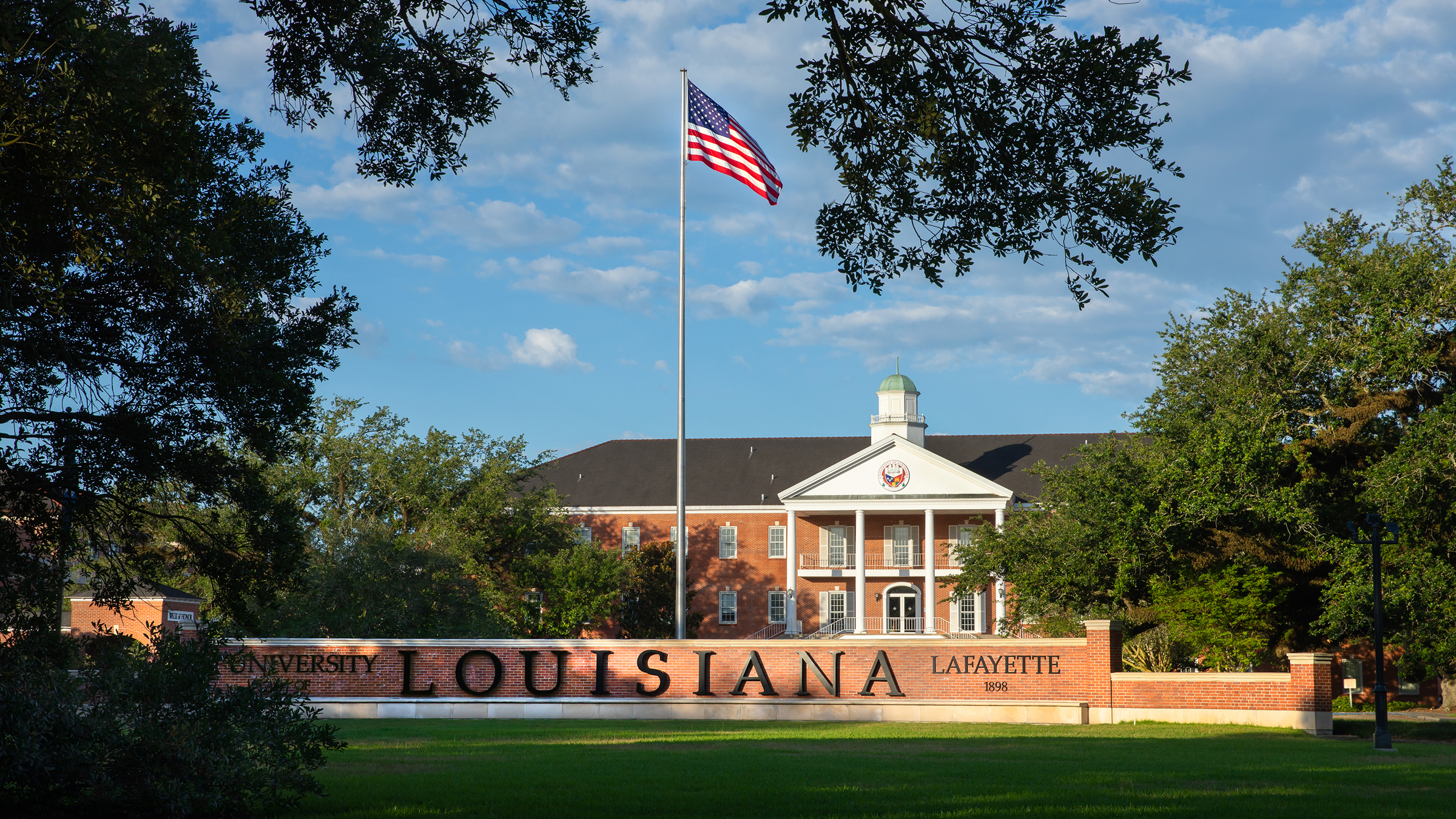
When most people refer to the “University of Louisiana” in casual conversation, they are almost certainly speaking about the University of Louisiana at Lafayette. Located in the heart of Acadiana, this campus serves as the cultural hub for the region.
Lafayette is famous for its proximity to the Atchafalaya Basin and its legendary Cajun culture. If your destination is the main campus in this city, you are heading to the southwestern part of the state, roughly two hours west of New Orleans. The campus itself is a landmark of South Louisiana architecture, blending historic structures with modern research facilities.
Distinguishing Between Other Regional Campuses
Beyond the Lafayette campus, the system includes several other notable locations that travelers frequently confuse. The University of Louisiana at Monroe is situated in the northeastern corner of the state. This area of Monroe offers a starkly different landscape from the southern marshes, characterized by the rolling hills and deep forests of the Ouachita River valley.
It is important to note that these are distinct academic entities. Travelers planning a visit to North Louisiana must ensure they are not confusing these directions with the southern corridor where the main cultural tourism spots are located.
Exploring the Cultural Landscape of Acadiana
If you are visiting the university in Lafayette, your experience will be defined by the unique cultural tapestry of the region. This is not just a trip to a classroom; it is an immersion into a place where the French language, traditional Zydeco music, and world-renowned culinary traditions thrive.

Culinary Landmarks and Local Flavors
No visit to the area around the University of Louisiana at Lafayette is complete without sampling the local fare. The city is a gateway to the Cajun Country culinary trail. From spicy boudin balls to gumbo that has been simmering for days, the food here is a primary tourist attraction. Many students and visitors spend their evenings exploring the bistros in Downtown Lafayette, where the influence of the university creates a vibrant, youthful energy that complements the historic charm of the city.
Festivals and Tourism Attractions
The university is deeply integrated into the local tourism economy. During the spring, the city hosts the famous Festival International de Louisiane, which brings artists from all over the French-speaking world to the streets surrounding the campus. For those looking to explore nature, the Vermilion River provides a scenic backdrop for the region, and many visitors take the opportunity to tour nearby historic plantations or take boat excursions into the surrounding wetlands.
Navigating Between Major Louisiana Landmarks
For those planning a multi-stop trip, knowing the location of these university towns helps in mapping out a route across the state. The Interstate 10 corridor acts as the primary artery connecting the major hubs.
The Route from New Orleans to Lafayette
Traveling from the historic streets of The French Quarter in New Orleans toward the university area in Lafayette is a journey through the heart of the bayou. As you move west, the city skyline fades into the expansive, emerald-green vistas of the Louisiana wetlands. Stopping in Baton Rouge, the state capital, is a common highlight of this trip. The city offers a look at the Louisiana State Capitol, an architectural marvel that stands as a testament to the state’s political history.
The Northern Transition
Conversely, visiting the university location in Monroe requires heading north on Interstate 49 and Interstate 20. This journey takes you through the Red River valley. As you move away from the coastal influences of the south, you will encounter the historic charm of towns like Natchitoches, the oldest permanent settlement in the Louisiana Purchase territory. These cities provide a serene, educational counterpoint to the bustling, music-filled atmosphere of the southern university towns.
Tips for the Traveling Scholar
When preparing to visit any campus within the University of Louisiana system, there are several logistical tips to keep in mind to ensure a smooth trip.
Best Times to Visit
The climate in Louisiana is a defining factor in how you should plan your arrival. The spring months, particularly March and April, are arguably the best time to explore the campuses. The azaleas are in full bloom, and the humidity of the summer months has yet to settle in. If you are a fan of festivals, planning your trip around the cultural calendar is recommended, though you should be prepared for higher hotel demand during these dates.
Transportation and Accessibility
While many of the towns are accessible by major highways, having a rental car is essential for a true Louisiana experience. Public transit is limited once you leave the major metropolitan areas like New Orleans or Baton Rouge. Whether you are staying at a boutique inn in Jefferson Street or a hotel on the outskirts of Monroe, having your own vehicle will allow you to explore the local landmarks, nearby state parks, and regional museums that are often located a short drive away from the university campus centers.

Cultural Etiquette and Engagement
Louisiana is a state that prides itself on hospitality. When visiting university towns, engage with the locals at the coffee shops, bookstores, and markets. You will find that the pride the residents take in their specific region—whether it is the Cajun Prairie or the northern woodlands—is palpable. The universities act as keepers of this identity, and visiting them offers a window into the history, struggles, and triumphs of the people who call this state home. By understanding the geography, you move beyond the label of a mere “tourist” and begin to engage with the culture on its own terms.
LifeOutOfTheBox is a participant in the Amazon Services LLC Associates Program, an affiliate advertising program designed to provide a means for sites to earn advertising fees by advertising and linking to Amazon.com. Amazon, the Amazon logo, AmazonSupply, and the AmazonSupply logo are trademarks of Amazon.com, Inc. or its affiliates. As an Amazon Associate we earn affiliate commissions from qualifying purchases.