
The University of New Mexico (UNM), a vibrant hub of higher education and research, is strategically situated in the heart of New Mexico’s largest city. Its primary campus, the expansive main university, resides within the dynamic city of Albuquerque. This prime location places UNM at the crossroads of rich cultural heritage and a thriving modern landscape, offering students and visitors alike a unique blend of academic pursuit and immersive regional experiences.
Albuquerque: A Nexus of Culture and Innovation
The presence of the University of New Mexico in Albuquerque is deeply intertwined with the city’s identity. Albuquerque, often referred to as the “Duke City,” is the most populous municipality in New Mexico and serves as the cultural, economic, and educational epicenter of the state. Founded in 1706 as a Spanish colonial outpost, Albuquerque boasts a history that predates the formation of the United States, evident in its charming Old Town district and the enduring traditions that shape its present.

The Main Campus: A Sprawling Educational Ecosystem
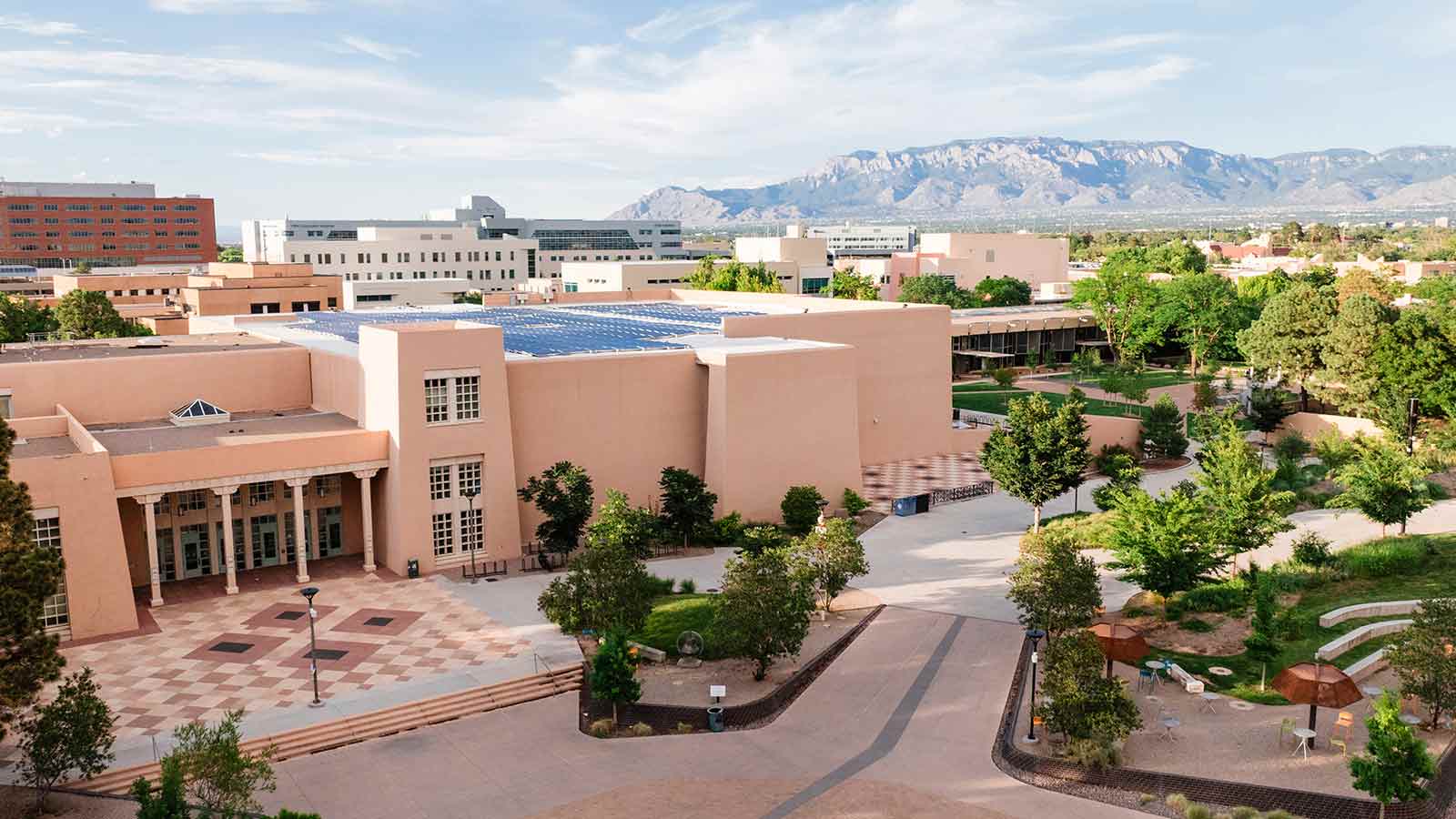
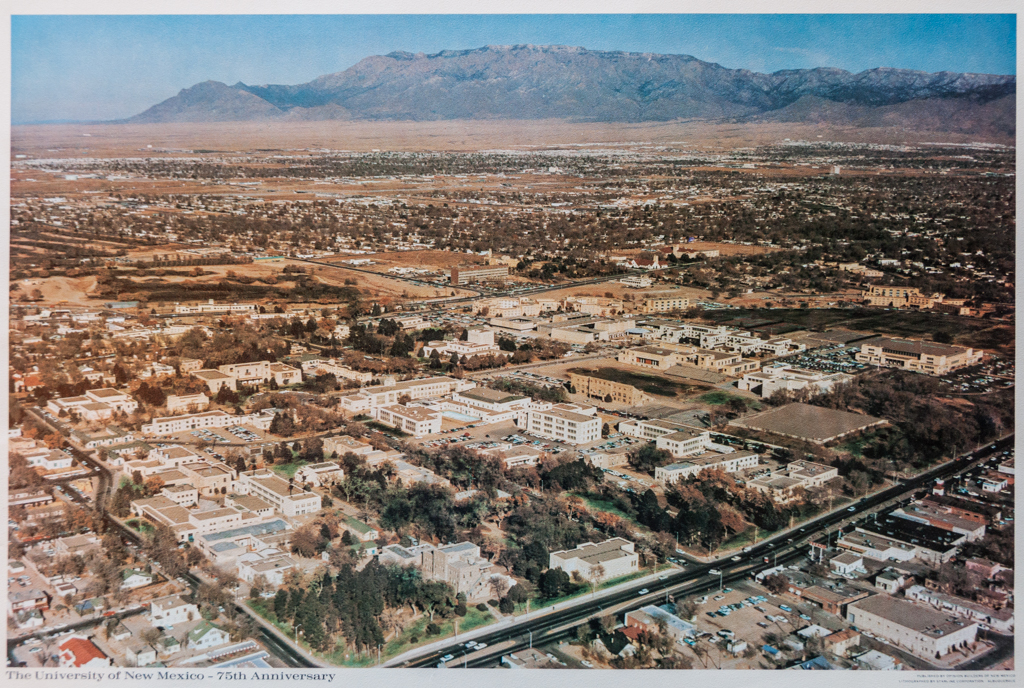
UNM’s main campus is a significant landmark within Albuquerque, covering a substantial area that houses its diverse academic departments, research facilities, student life centers, and recreational spaces. The campus itself is a testament to architectural evolution, featuring a mix of Pueblo Revival style buildings, characteristic of the region’s indigenous and Spanish colonial influences, alongside contemporary structures that reflect its forward-thinking academic mission.
Architectural Heritage and Modern Development
The distinctive Pueblo Revival architecture, characterized by adobe construction, flat roofs, and vigas (exposed ceiling beams), lends a unique aesthetic to many of UNM’s older buildings. This style not only harmonizes with the natural desert environment but also pays homage to the rich architectural heritage of the Southwest. Prominent examples include Hodges Library, Zimmerman Library, and the historic Student Union Building.
Complementing these historical structures are modern facilities designed to foster cutting-edge research and collaborative learning. The School of Engineering, the Health Sciences Center, and various interdisciplinary research institutes represent the university’s commitment to advancing knowledge in fields ranging from biomedical sciences to renewable energy.
Accessibility and Transportation
Located in the central-eastern part of Albuquerque, UNM’s main campus is easily accessible via major thoroughfares, including Interstate 40 and Central Avenue, the historic Route 66. This strategic positioning ensures convenient access for students, faculty, staff, and visitors traveling from within the city and beyond.
Public transportation plays a vital role in connecting the university to the wider metropolitan area. The Albuquerque Ride Public Transit system operates numerous bus routes that serve the campus, providing an affordable and environmentally friendly option for commuting. Furthermore, the university’s proximity to Albuquerque International Sunport, a major transportation hub, facilitates travel for those arriving from distant locations.
Beyond the Main Campus: A Network of Facilities
While the main campus is the focal point, the University of New Mexico also extends its reach through various satellite campuses and specialized research facilities located throughout Albuquerque and even in other parts of the state. These satellite locations cater to specific programs, community needs, and research endeavors.
Health Sciences Center: A Pillar of Medical Advancement
The UNM Health Sciences Center is a critical component of the university’s mission, dedicated to education, research, and patient care. Situated adjacent to the main campus, this facility is home to the School of Medicine, College of Pharmacy, College of Nursing, and the University of New Mexico Hospital, a leading tertiary care medical center serving the entire state. This integrated approach fosters collaboration among medical professionals and researchers, driving advancements in healthcare and providing essential services to the community.
Research Facilities and Observatories
UNM also operates several research facilities that contribute to its standing as a premier research institution. These include specialized laboratories for scientific inquiry and field stations that support environmental and geological studies. Notably, the university has historical ties to astronomical research, with facilities that leverage the clear skies of New Mexico.
Exploring Albuquerque and Its Surroundings
The location of the University of New Mexico in Albuquerque offers students and visitors a gateway to a region rich in natural beauty, historical significance, and cultural diversity. The city itself is a vibrant tapestry of influences, from its Native American roots to its Spanish colonial past and its modern, forward-looking spirit.
Cultural Immersion and Historical Discovery
Albuquerque offers numerous opportunities for cultural immersion and historical discovery, many of which are in close proximity to the university.
Old Town Albuquerque
A short drive from the UNM campus lies Old Town Albuquerque, the historic heart of the city. Founded in 1706, this charming district features adobe buildings, Spanish colonial architecture, and a central plaza that evokes a bygone era. Visitors can explore a variety of art galleries, artisan shops, restaurants serving traditional New Mexican cuisine, and the iconic San Felipe de Neri Church. It’s a place where history comes alive, offering a tangible connection to the region’s founding.
Museums and Cultural Centers
Albuquerque is home to a wealth of museums and cultural centers that showcase the diverse heritage of New Mexico. The Indian Pueblo Cultural Center provides deep insights into the history, culture, and traditions of the 19 Pueblos of New Mexico. Other notable institutions include the New Mexico Museum of Natural History and Science, the National Museum of Nuclear Science & History, and the Albuquerque Museum of Art and History. These venues offer educational and engaging experiences for all ages.
Natural Wonders and Outdoor Adventures
The geographical setting of Albuquerque provides unparalleled access to breathtaking natural landscapes and opportunities for outdoor adventure.
Sandia Mountains
Dominating the eastern horizon of Albuquerque are the majestic Sandia Mountains. These towering peaks offer a dramatic backdrop to the city and serve as a playground for outdoor enthusiasts. The Sandia Peak Aerial Tramway provides a scenic ride to the summit, offering panoramic views of the Rio Grande Valley and beyond. Hiking trails of varying difficulty wind through the mountains, allowing visitors to explore diverse ecosystems and enjoy stunning vistas. In winter, Sandia Peak Ski Area provides opportunities for skiing and snowboarding.
The Rio Grande
The Rio Grande River flows through the heart of Albuquerque, shaping the landscape and providing recreational opportunities. The Rio Grande Nature Center State Park offers a tranquil escape with walking trails, bird-watching opportunities, and educational exhibits focused on the river’s ecology. The adjacent Valle de Oro National Wildlife Refuge is another important area for wildlife observation and conservation efforts.
Petroglyph National Monument
A short distance west of the city lies Petroglyph National Monument, a vast protected area preserving thousands of ancient rock carvings created by Native Americans and early Spanish settlers. Exploring the monument’s trails offers a fascinating glimpse into the spiritual and cultural practices of past civilizations, set against a dramatic volcanic landscape.
Culinary Delights and Local Flavors
Albuquerque is renowned for its distinctive New Mexican cuisine, characterized by the generous use of chilies. Visitors to the city will find an array of dining options, from casual eateries to upscale restaurants, all offering the opportunity to savor the region’s unique flavors. The ever-present question of “red or green?” (referring to the choice of red or green chili sauce) is a culinary rite of passage for anyone experiencing New Mexican food.
In conclusion, the University of New Mexico is firmly rooted in Albuquerque, New Mexico, a location that significantly enhances its academic offerings and the overall experience for its community. Its central positioning within this dynamic city provides a rich environment for learning, research, and cultural exploration, making it a cornerstone of both higher education and regional identity in the American Southwest.
LifeOutOfTheBox is a participant in the Amazon Services LLC Associates Program, an affiliate advertising program designed to provide a means for sites to earn advertising fees by advertising and linking to Amazon.com. Amazon, the Amazon logo, AmazonSupply, and the AmazonSupply logo are trademarks of Amazon.com, Inc. or its affiliates. As an Amazon Associate we earn affiliate commissions from qualifying purchases.