
The University of Texas at Austin (UT Austin) is not merely an academic institution; it is a vibrant cornerstone nestled in the heart of Austin, Texas, one of the most dynamic and rapidly growing cities in the United States. More than just a university campus, its location defines much of central Austin’s character, acting as a gravitational pull for culture, innovation, and a distinctive lifestyle. For prospective students, academics, or curious travelers, understanding its geographical placement is key to appreciating its profound impact on the city and its accessibility as a travel destination.
Situated just north of Austin’s bustling downtown core, UT Austin enjoys a prime position that seamlessly blends urban convenience with the expansive greenspaces and historic architecture characteristic of a major university. It is a place where academic rigor meets artistic expression, where historical landmarks stand alongside modern research facilities, and where the youthful energy of a student body converges with the diverse tapestry of local Austin life. This integration makes UT Austin not just a campus to visit, but a gateway to experiencing the unique charm of the “Live Music Capital of the World.” Whether you’re planning a trip to attend a lecture, explore a museum, cheer on the Texas Longhorns, or simply soak in the Austin vibe, knowing “where” it is unlocks a world of possibilities for travel, tourism, and accommodation.

The Heart of Texas: Austin and UT’s Central Location
The exact placement of UT Austin is crucial to its identity and its accessibility for visitors worldwide. It’s centrally located, providing easy access to major transportation hubs, iconic city landmarks, and the diverse neighborhoods that make Austin so appealing.
Geographic Coordinates and Accessibility
The main campus of the University of Texas at Austin is primarily bounded by Guadalupe Street to the west, IH-35 to the east, Martin Luther King Jr. Boulevard to the south, and Dean Keeton Street to the north. This expansive area covers over 430 acres, making it one of the largest university campuses in the United States. Its coordinates place it roughly at 30.2849° N latitude and 97.7341° W longitude, positioning it strategically for both local and international visitors.
For those traveling by air, the Austin-Bergstrom International Airport (ABIA) is conveniently located just about 8 miles southeast of the campus. This proximity means a relatively short taxi, rideshare, or bus journey (via Capital Metro public transit) to reach the university or your chosen accommodation nearby. Major highways, including IH-35 and MoPac Expressway (Loop 1), provide excellent vehicular access, connecting the campus to other parts of Austin and beyond. This robust infrastructure is a significant advantage for travelers, minimizing commute times and simplifying navigation. Public transportation is a strong asset for visitors to Austin, with numerous Capital Metro bus routes serving the campus and surrounding areas, offering an eco-friendly and often more relaxing way to explore the city’s myriad attractions.

A Campus Integrated with the City
What truly sets UT Austin’s location apart is its profound integration with the city of Austin. Unlike some universities situated in more isolated settings, UT Austin is woven directly into the urban fabric, fostering a symbiotic relationship between town and gown. The energy of the campus spills out into the surrounding neighborhoods, and conversely, the city’s unique culture permeates the university environment.
To the west, Guadalupe Street, affectionately known as “The Drag,” is a bustling commercial strip catering largely to students but offering a lively atmosphere for all. Here, visitors can find an eclectic mix of bookstores, quirky shops, casual eateries, and vibrant street art. Just a short walk south of campus brings you to the vibrant downtown area, home to government buildings, corporate offices, and a thriving entertainment district. This proximity means that after a day of exploring campus landmarks or attending events, visitors have immediate access to Austin’s renowned culinary scene, legendary live music venues on Sixth Street, and cultural institutions. The university’s presence undeniably contributes to Austin’s reputation as a hub for creativity, innovation, and a relaxed, yet vibrant, lifestyle. This seamless blend ensures that a visit to UT Austin is never just about the university itself but is always an immersive Austin experience.
Beyond the Classroom: Exploring UT’s Surroundings and Attractions
A trip to UT Austin is far from a purely academic endeavor. The campus and its immediate vicinity are rich with attractions that appeal to a wide range of interests, from history buffs and art lovers to nature enthusiasts and foodies. It’s a destination that beautifully combines education with entertainment and cultural immersion.
Iconic Campus Landmarks and Cultural Gems
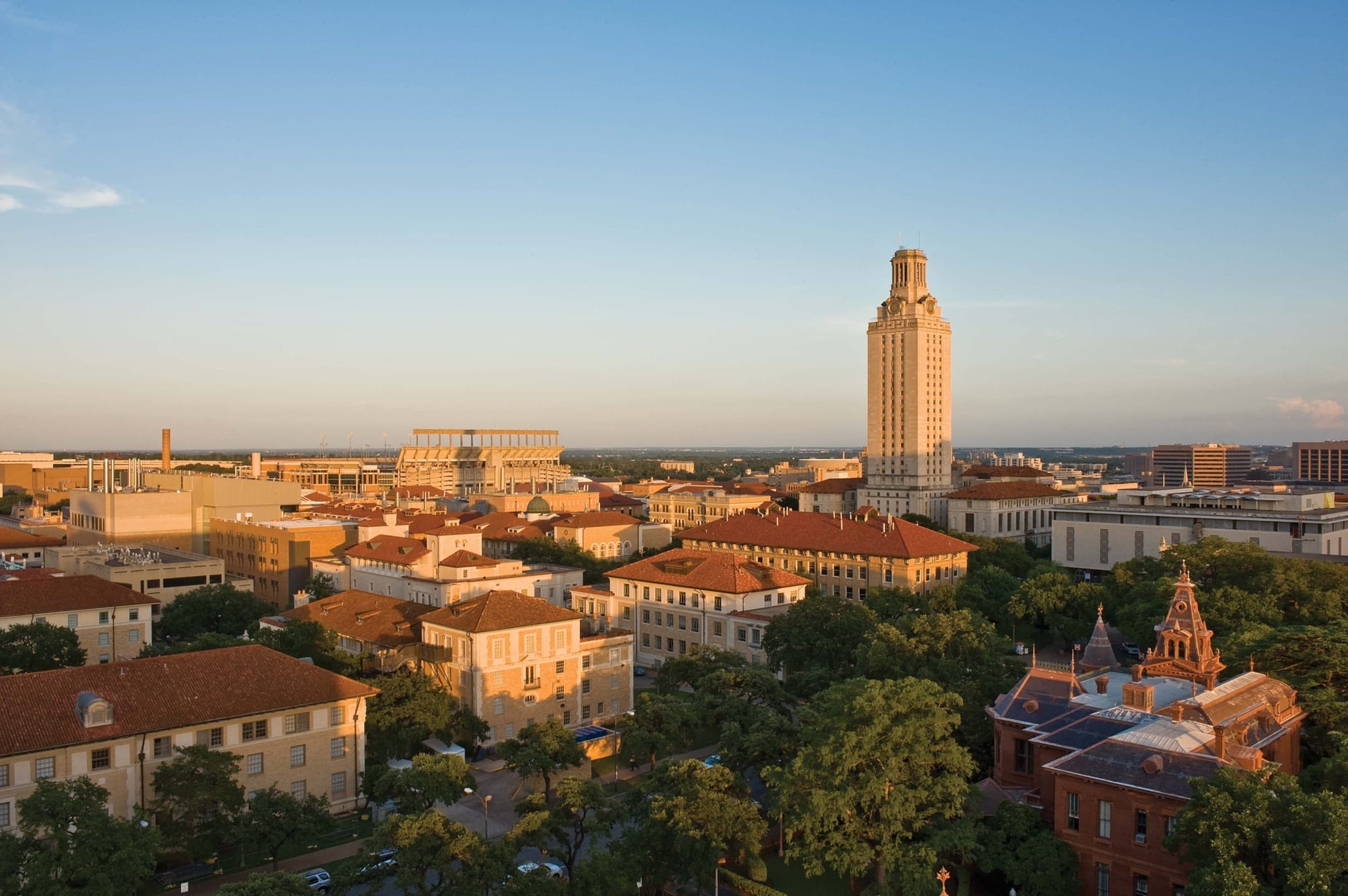
The University of Texas at Austin boasts several prominent landmarks that are destinations in their own right, offering insights into history, art, and science. The most recognizable of these is undoubtedly The Tower. Standing majestically at 307 feet, this iconic structure offers panoramic views of the campus and the Austin skyline, a must-see for any visitor. While historically a library, its upper levels now serve as an event space and a symbol of the university. Near the base of The Tower, amidst the sprawling greens, lies the Blarney Stone, a popular spot for students and visitors alike to take photos, inspired by its Irish namesake.
For those interested in the arts and humanities, the Harry Ransom Center is an internationally renowned archive and museum. It houses an extraordinary collection of literary and cultural artifacts, including the Gutenberg Bible, original manuscripts from famous authors, and iconic photographs. Its rotating exhibitions are consistently compelling, offering a deep dive into various aspects of human creativity and history. Just next door, the LBJ Presidential Library commemorates the life and legacy of the 36th U.S. President, Lyndon B. Johnson. This facility offers a comprehensive look at the Johnson administration through interactive exhibits, archival documents, and a replica of the Oval Office.
Science enthusiasts will appreciate the Texas Memorial Museum, which showcases the natural history of Texas, featuring dinosaur fossils, native wildlife, and geological specimens. Meanwhile, the Blanton Museum of Art, located on the southwest corner of campus, is one of the largest university art museums in the country. Its extensive collection spans European, American, and Latin American art, with a particular strength in modern and contemporary works, making it a cultural beacon for the entire city. These landmarks provide a rich tapestry of experiences, blending education with leisure and making a visit to UT Austin a truly enriching part of any Austin itinerary.
Vibrant Neighborhoods and Entertainment Hubs
The areas immediately surrounding UT Austin are just as captivating as the campus itself. To the west, “The Drag” on Guadalupe Street is a lively strip bustling with cafes, unique boutiques, and street vendors, perfect for an afternoon stroll and people-watching. A short distance further south places you in the heart of downtown Austin, home to the famous Sixth Street entertainment district, where live music venues, bars, and restaurants light up the night.
Venturing south across the Colorado River (which forms Lady Bird Lake), visitors will find South Congress Avenue (SoCo). This iconic neighborhood is synonymous with Austin’s quirky charm, offering an eclectic mix of vintage shops, art galleries, delicious eateries, and stunning views of the Capitol building. It’s also famous for the Congress Avenue Bridge bats, which emerge at dusk from March to October, creating an incredible natural spectacle.
For outdoor enthusiasts, Zilker Park, a sprawling urban oasis, is just a few miles southwest of the university. This park is home to Barton Springs Pool, a natural spring-fed swimming pool that maintains a refreshing 68-70 degree Fahrenheit temperature year-round, offering a perfect escape from the Texas heat. The park also features botanical gardens, playgrounds, and vast open spaces for picnics and recreation. The scenic trails around Lady Bird Lake (formerly Town Lake) provide excellent opportunities for walking, jogging, and kayaking, offering stunning urban waterfront views. These surrounding neighborhoods and attractions ensure that visitors to UT Austin have a plethora of options for leisure, entertainment, and experiencing the distinct Austin lifestyle beyond the university gates.
Planning Your Visit: Accommodation, Travel, and Local Experiences
Visiting UT Austin and the wider city of Austin requires thoughtful planning to maximize your experience. From selecting the perfect place to stay to navigating the city’s unique cultural landscape, a little foresight goes a long way.
Where to Stay: Hotels and Accommodation Options
Austin offers a diverse array of accommodation options to suit every budget and travel style, from luxurious resorts to cozy boutique hotels and convenient vacation rentals. For those seeking opulence and top-tier amenities, hotels like the Four Seasons Hotel Austin offer unparalleled elegance and stunning views of Lady Bird Lake, complete with a spa, fine dining, and impeccable service. Similarly, the Hotel ZaZa Austin and JW Marriott Austin provide a sophisticated urban experience with lavish rooms, rooftop pools, and prime downtown locations, placing guests within easy reach of UT Austin and Austin’s entertainment hubs.
Mid-range options also abound, offering comfort and style without the top-tier price tag. The historic The Driskill, an iconic landmark itself, provides a unique blend of Victorian grandeur and modern amenities right on Sixth Street. For a more boutique experience, Hotel Ella, a beautifully restored historic mansion, offers charm and sophistication just a short distance from campus. The Hyatt Centric Congress Avenue Austin is another excellent choice, providing contemporary design and convenience in the heart of downtown. Many of these hotels boast amenities such as fitness centers, business services, and on-site dining, catering to both leisure and business travelers.
For visitors preferring more space, privacy, or a longer stay, vacation rentals, including apartments and villas, are widely available throughout Austin. Neighborhoods like North Loop or Hyde Park offer charming residential options, often at more budget-friendly prices, while still being accessible to the university via public transport or a short drive. When booking, consider proximity to UT Austin if that’s your primary destination, or opt for a downtown location if you plan to explore Austin’s nightlife and culinary scene extensively. Reviews and comparison sites are invaluable tools for finding the perfect accommodation that aligns with your needs and expectations for a truly comfortable and convenient visit.
Getting Around and Experiencing Austin’s Culture
Navigating Austin is relatively straightforward, with a variety of transportation options. Capital Metro provides extensive bus service, including routes that traverse the campus and connect to downtown and other popular areas. Ride-sharing services are readily available, and walking or biking is highly encouraged, especially around the campus and downtown areas, where dedicated paths and sidewalks make exploration enjoyable. For longer excursions to destinations like Lake Travis or the surrounding Hill Country, renting a car might be beneficial.
No visit to Austin is complete without indulging in its celebrated local cuisine. Austin is famous for its Texas BBQ, with legendary spots like Franklin Barbecue drawing lines for hours, a testament to its world-renowned brisket. Tex-Mex cuisine is another staple, with establishments like Torchy’s Tacos offering creative and flavorful options. Beyond these, the city’s food truck scene is phenomenal, providing a diverse range of international flavors and gourmet bites.
As the “Live Music Capital of the World,” Austin’s music scene is an experience in itself. Venues like ACL Live at the Moody Theater host major acts, while smaller clubs on Sixth Street, Red River Street, and South Congress Avenue showcase local talent every night. For a true Texas dance hall experience, the Broken Spoke offers country music and two-stepping lessons. Beyond music and food, Austin’s outdoor activities are abundant. Enjoy swimming in the natural springs of Barton Springs Pool, kayaking on Lady Bird Lake, or exploring the many hiking and biking trails throughout the city. These diverse cultural and recreational opportunities ensure that your trip to Austin and UT Austin will be filled with unforgettable memories, blending academic interest with the vibrant and unique spirit of central Texas.
In conclusion, the University of Texas at Austin is not just a point on a map; it is an integrated part of Austin’s identity, offering visitors a unique blend of academic gravitas and vibrant urban culture. Its central location makes it an ideal starting point for exploring the myriad attractions that make Austin a premier travel destination. From its iconic campus landmarks to the lively surrounding neighborhoods and the diverse culinary and music scenes, UT Austin serves as a testament to the city’s enduring appeal, promising an enriching experience for every type of traveler.
LifeOutOfTheBox is a participant in the Amazon Services LLC Associates Program, an affiliate advertising program designed to provide a means for sites to earn advertising fees by advertising and linking to Amazon.com. Amazon, the Amazon logo, AmazonSupply, and the AmazonSupply logo are trademarks of Amazon.com, Inc. or its affiliates. As an Amazon Associate we earn affiliate commissions from qualifying purchases.