
For travelers setting their sights on the Pacific, few names resonate as strongly as Waikiki Beach. Located on the south shore of the island of Oahu, this world-famous stretch of sand serves as the heartbeat of Hawaii. While visitors often arrive with dreams of golden sunsets and turquoise waves, understanding the geography of this iconic destination is essential for crafting the perfect tropical itinerary.
The Geography and Location of Waikiki
Waikiki is not merely a single beach; it is a vibrant district and neighborhood situated within the city of Honolulu. Historically, the name “Waikiki” translates to “spouting waters” in the Hawaiian language, a nod to the wetlands and streams that once defined the area before urban development transformed it into the global hub it is today.

Defining the Boundaries
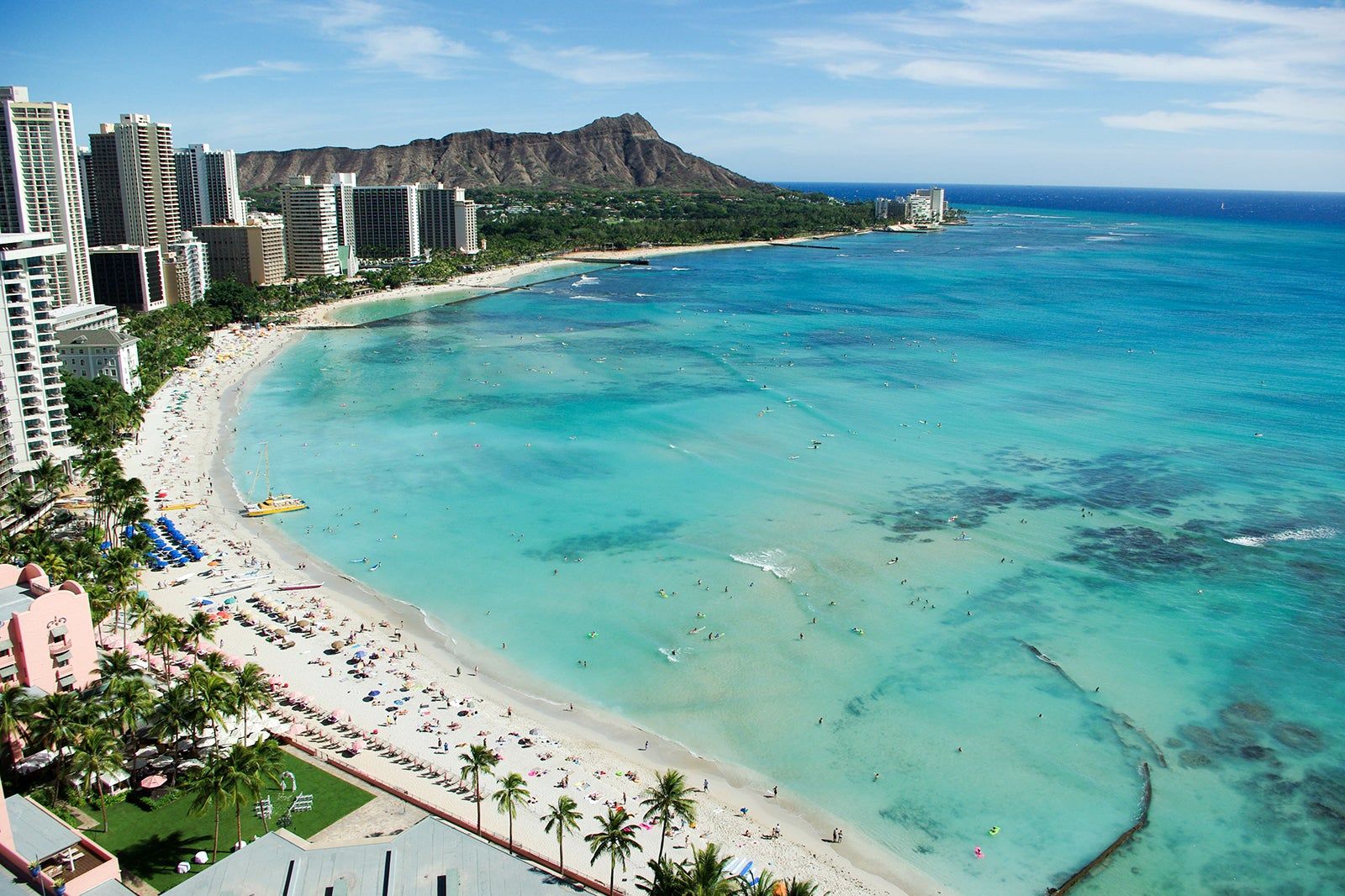
Geographically, the district of Waikiki is bordered by the Ala Wai Canal to the north and west, which separates the bustling hotel district from the rest of Honolulu. To the east, the area is anchored by the breathtaking Diamond Head volcanic crater. This iconic tuff cone provides the perfect backdrop for photographs and serves as a natural compass for those navigating the shoreline. The southern edge, of course, is defined by the gentle, rolling surf of the Pacific Ocean.
Getting to the Beach
Most international travelers will arrive at the Daniel K. Inouye International Airport. From there, Waikiki is approximately a 20-to-30-minute drive, depending on traffic. Because the district is highly walkable, once you arrive, you rarely need a rental car to access the main attractions. The beach itself stretches for about two miles, consisting of several interconnected sections of sand, each offering a distinct atmosphere.
Exploring the Different Sections of the Shoreline
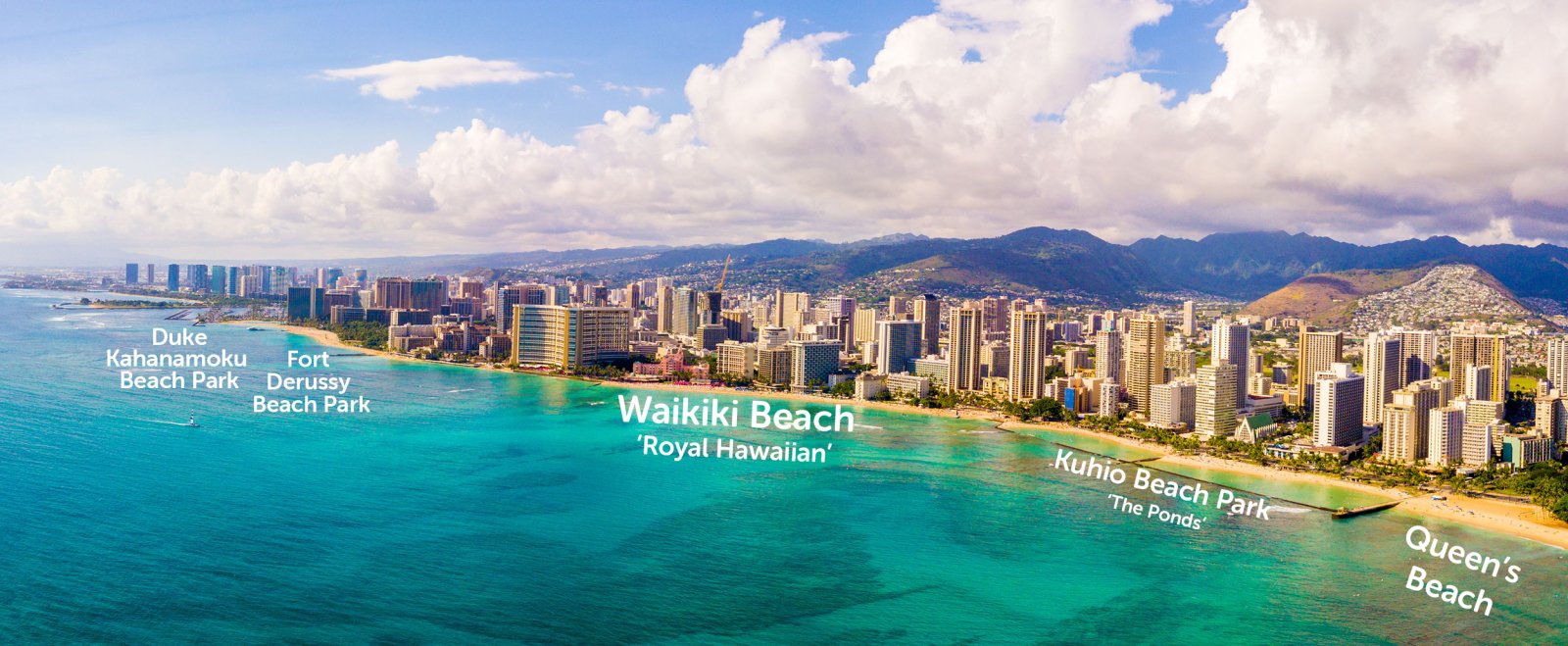
Visitors are often surprised to learn that Waikiki Beach is actually a collection of smaller beaches, each with its own character and charm. Understanding these segments helps travelers choose the right spot to set up their beach chair for the day.
Duke Kahanamoku Beach
Located at the western end of the strip, near the Hilton Hawaiian Village, Duke Kahanamoku Beach is a family-friendly favorite. It features a protected lagoon that is perfect for young swimmers or those looking for calm, shallow waters. Named after the legendary Olympic swimmer and father of modern surfing, Duke Kahanamoku, this area carries immense historical significance.
Gray’s Beach and Fort DeRussy Beach
Moving toward the center of the district, you will find Fort DeRussy Beach. This section is popular for its expansive green park space, which provides a welcome break from the sun. The stretch known as Gray’s Beach is tucked slightly further toward the bustling center, offering a more intimate experience for those looking to be in the heart of the action.
The Heart of Waikiki: Royal Hawaiian Beach
Perhaps the most famous section is Royal Hawaiian Beach, sitting directly in front of the historic Royal Hawaiian Hotel and the Moana Surfrider. This is the quintessential image of Waikiki—surfers catching gentle waves, outrigger canoes gliding across the horizon, and the classic pink-hued architecture of the hotel district serving as a backdrop. This area is the hub for surf lessons and catamarans, making it the most active and socially vibrant part of the shoreline.
Natural Attractions and Landmarks Near the Beach
Beyond the sand and surf, the location of Waikiki places you in the ideal position to explore some of the most significant natural and historical landmarks in the United States.
The Ascent of Diamond Head
No trip to this part of Oahu is complete without a visit to Diamond Head State Monument. A moderate hike takes you to the summit, where you are rewarded with a panoramic vista of the entire coastline, from Koko Head to the high-rises of Honolulu. The perspective from above perfectly illustrates how the beach is cradled by the island’s volcanic past.
Kapiolani Park and the Honolulu Zoo
Situated at the eastern end of the district, Kapiolani Park is the oldest and largest public park in Hawaii. It provides a lush, tropical oasis away from the urban density of the beachfront. Adjacent to the park is the Honolulu Zoo, an excellent destination for families. The combination of beach access and green space makes this specific location one of the most versatile travel destinations in the world.
Pearl Harbor National Memorial
While a short drive away from the immediate beach district, the Pearl Harbor National Memorial is a mandatory visit for anyone interested in 20th-century history. Understanding the proximity of Waikiki to this hallowed site adds a layer of depth to your vacation, reminding visitors that Hawaii is more than just a resort destination—it is a place of profound historical events that shaped the modern world.
Tips for Navigating the Waikiki Area
To make the most of your time in this iconic location, a few practical tips will go a long way. The area is dense, efficient, and exceptionally welcoming to international tourists.
Best Time to Visit
The weather in Hawaii is pleasant year-round, but many travelers prefer the shoulder seasons of spring and fall. If you are specifically interested in watching professional surfing, the winter months bring larger swells to the North Shore, though Waikiki itself generally maintains its gentle, beginner-friendly character due to the reef break that buffers the coast.
Sustainability and Local Etiquette
When visiting any of the beaches, remember to respect the delicate marine ecosystem. Always use reef-safe sunscreen, as chemicals found in traditional sunscreens can damage the coral reefs located just offshore. Furthermore, stay mindful of the “malama” concept—a Hawaiian term that encourages visitors to care for and protect the land. By leaving the beach cleaner than you found it, you contribute to the preservation of this legendary destination for future generations.
Staying Connected
The district is incredibly compact. Whether you are staying at a luxury resort like the Halekulani Hotel or a boutique property, you will find that the convenience of being located in Waikiki means everything from surf schools to world-class dining at International Market Place is within walking distance.
In conclusion, Waikiki Beach is not merely a geographic coordinate on a map; it is a cultural landmark that defines the spirit of Oahu. By understanding its layout, its historical context, and the surrounding natural wonders, you can transform your visit from a standard vacation into an immersive exploration of one of the most storied coastlines on Earth. From the quiet stretches of Fort DeRussy to the energetic surf of the central beach, this is a place where history, nature, and modern luxury converge in perfect harmony.
LifeOutOfTheBox is a participant in the Amazon Services LLC Associates Program, an affiliate advertising program designed to provide a means for sites to earn advertising fees by advertising and linking to Amazon.com. Amazon, the Amazon logo, AmazonSupply, and the AmazonSupply logo are trademarks of Amazon.com, Inc. or its affiliates. As an Amazon Associate we earn affiliate commissions from qualifying purchases.