
Pinpointing West Hollywood: A Premier California Destination
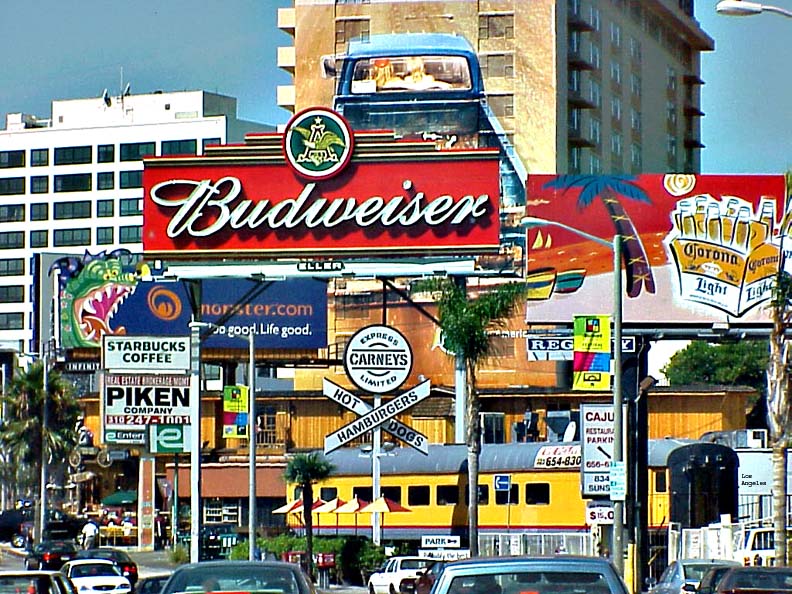
Often referred to by its vibrant moniker, WeHo, West Hollywood is not just a geographical point on a map but a distinctive cultural landmark nestled within the sprawling metropolis of Los Angeles, California. For travelers seeking a unique blend of urban sophistication, artistic expression, and historical significance, understanding its precise location and context is the essential first step in planning an unforgettable journey. WeHo isn’t merely a district; it’s a self-governing city, incorporated in 1984, which has allowed it to cultivate a fiercely independent identity and character. This independent status is key to its distinctive appeal, setting it apart from its larger neighbor, Los Angeles, while simultaneously benefiting from the economic and cultural dynamism of the greater metropolitan area. Its existence as a separate municipality means it has its own city council, local laws, and a concerted effort to preserve and enhance its unique community fabric. This political autonomy has directly influenced its development as a travel destination, allowing it to foster specific policies that attract a diverse range of visitors and residents alike, from entertainment industry professionals to members of the LGBTQ+ community, artists, and innovators.
The Geographical Heart of Urban Los Angeles
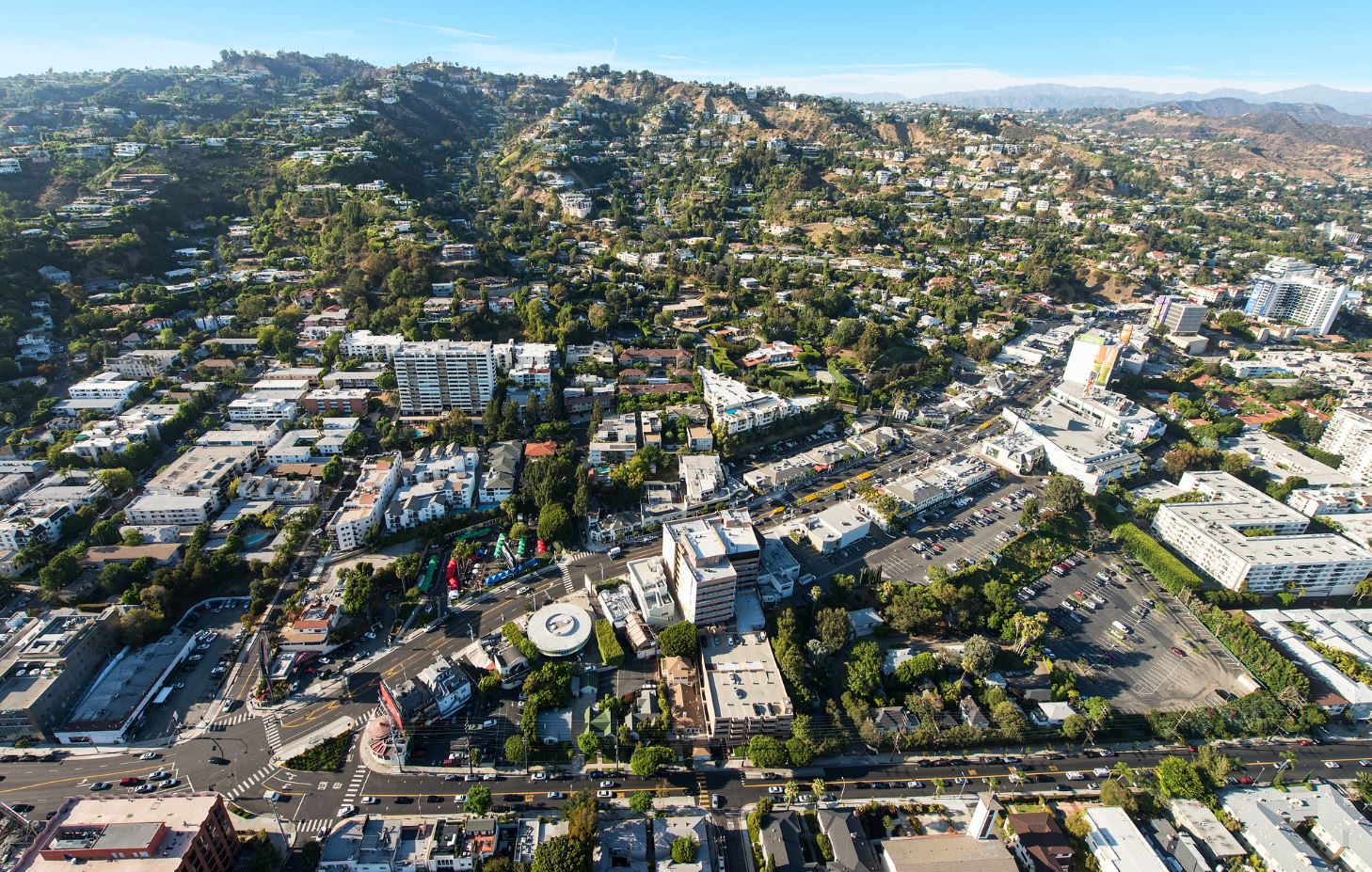
To truly answer “Where is WeHo?”, one must place it squarely within the context of Southern California. West Hollywood is located in the western part of Los Angeles County, approximately 9 miles (14 km) northwest of downtown Los Angeles. It occupies a prime piece of real estate, bordered by some of the most iconic and affluent neighborhoods in the region. This central location makes it an incredibly convenient base for exploring the wider Los Angeles area, placing major attractions, studios, and beaches within easy reach. The city’s relatively compact size, approximately 1.9 square miles (4.9 square kilometers), further enhances its appeal to travelers, allowing for a more intimate and navigable experience compared to the vastness of Los Angeles itself. Its elevation varies slightly, generally sitting on a gentle rise, offering some excellent vantage points of the surrounding hills and cityscapes.
West Hollywood’s Distinct Boundaries
Understanding WeHo’s borders is crucial for any traveler navigating the region. To its north lies the exclusive residential area of the Hollywood Hills and Hollywood itself, famous for its cinematic history and iconic landmarks. To the west, West Hollywood meets the opulent city of Beverly Hills, renowned for its luxury shopping and celebrity residences. The city’s southern border is defined by Melrose Avenue, a famous street known for its trendy boutiques and fashion-forward businesses, which then transitions into the Fairfax District of Los Angeles. To the east, West Hollywood extends to La Brea Avenue, bordering neighborhoods like the Miracle Mile and the Mid-Wilshire area, home to several prominent museums. These distinct boundaries ensure that WeHo maintains its unique character, separate from its neighbors, while remaining deeply integrated into the larger Los Angeles experience. For a traveler, this means that stepping across a street can literally take you from one distinct cultural and commercial zone into another, offering a rich tapestry of urban exploration.
Strategic Location for Exploration
The strategic positioning of West Hollywood makes it an ideal base for exploring a vast array of Southern California attractions. From its central vantage point, travelers are within a short driving distance of major entertainment studios in Burbank, the beaches of Santa Monica and Malibu, and the cultural institutions of downtown Los Angeles, such as the Walt Disney Concert Hall and The Broad museum. The convenience of its location minimizes travel time, allowing visitors to maximize their experiences within the region. Moreover, WeHo itself serves as a destination, boasting its own collection of renowned landmarks, contributing significantly to its appeal as a prime travel hub. Its proximity to major thoroughfares like Sunset Boulevard and Santa Monica Boulevard further enhances its accessibility, making it a pivotal point for navigating the complex geography of Los Angeles.
Why WeHo Appeals: Understanding Its Draw as a Travel Destination
Beyond its geographical coordinates, West Hollywood’s true allure as a travel destination lies in its distinctive personality and atmosphere. It has carved out a niche as a vibrant, inclusive, and trendsetting urban center, drawing visitors from across the globe who are seeking more than just typical tourist attractions. It’s a place where history intertwines with contemporary culture, creating an environment that is both welcoming and exhilarating. The city’s narrative is deeply embedded in its streets, from the storied past of the Sunset Strip to the progressive spirit of its residents and businesses. Travelers are drawn here by the promise of an authentic Los Angeles experience, albeit one that is uniquely WeHo in its flavor – edgy, stylish, and unapologetically bold.

Cultural Significance and Vibrant Atmosphere
West Hollywood is celebrated for its incredibly vibrant atmosphere and its deep cultural significance, particularly within the LGBTQ+ community. It has long been a haven and a hub for this community, fostering an environment of acceptance, creativity, and celebration. This heritage is visible in the numerous LGBTQ+ owned and operated businesses, community centers, and the annual LA Pride Parade, which draws hundreds of thousands of participants and spectators. For travelers, this translates into an incredibly open and welcoming destination, where diversity is not just tolerated but celebrated. The cultural fabric is also enriched by its strong connection to the entertainment industry. Many artists, musicians, writers, and actors have called WeHo home, contributing to an artistic dynamism that permeates the city. This fusion of cultural inclusivity and creative energy makes WeHo a destination that offers unique perspectives and engaging experiences for every visitor.
A Hub of Creativity and Inclusivity
The reputation of West Hollywood as a hub of creativity is undeniable. The Sunset Strip, for example, has historically been a cradle of rock and roll, comedy, and nightlife, with legendary venues like the Whisky a Go Go, the Roxy Theatre, and the Viper Room hosting countless iconic performances. This legacy continues today, with a thriving music scene and numerous performance spaces. Beyond music, WeHo is also a focal point for fashion, design, and culinary arts. Its streets are lined with avant-garde boutiques, design showrooms, and a diverse range of restaurants, from casual eateries to Michelin-starred establishments. The city’s commitment to inclusivity extends to its urban planning and public spaces, which are designed to be accessible and enjoyable for all. This thoughtful approach to urban living makes WeHo not just a place to visit, but a place to experience and immerse oneself in a forward-thinking urban environment.
Planning Your Journey to West Hollywood: A Traveler’s Guide
Once the destination of West Hollywood has been identified, the next logical step for any traveler is to plan the logistics of their visit. WeHo’s accessibility and internal navigability are significant advantages, making it a relatively straightforward place to travel to and explore. Practical considerations regarding transportation, best times to visit, and general travel advice are paramount to ensure a smooth and enjoyable trip. Approaching WeHo as a distinct entity within the greater Los Angeles area allows travelers to appreciate its unique offerings while still being able to connect with the broader regional attractions effortlessly.
Accessibility from Major Transport Hubs
Traveling to West Hollywood is convenient thanks to its proximity to several major transportation hubs. For international and domestic travelers, Los Angeles International Airport (LAX) is the primary gateway, located approximately 12-15 miles (19-24 km) southwest of WeHo. From LAX, visitors can opt for ride-sharing services, taxis, or shuttle buses. Other smaller airports like Hollywood Burbank Airport (BUR) and Long Beach Airport (LGB) also serve the Los Angeles area and might offer convenient alternatives depending on one’s origin. For those traveling by road, West Hollywood is easily accessible via U.S. Route 101 and Interstate 10, both major arteries connecting various parts of California. While WeHo does not have its own Metro Rail station, it is well-served by Metro Bus lines that connect to subway and light rail stations in adjacent neighborhoods, offering an economical option for getting around the city and beyond.
Navigating the City Streets
Once in West Hollywood, travelers will find that its compact nature makes it surprisingly walkable, especially within its distinct districts like the Sunset Strip or the Santa Monica Boulevard corridor. Many of its attractions, restaurants, and shops are clustered together, allowing for leisurely strolls. For longer distances or exploring beyond walking range, ride-sharing services are abundant and widely used. The city also operates its own local shuttle service, the WeHo PickUp, offering free rides along major thoroughfares during peak hours, which can be an excellent way for travelers to explore without needing a car. Cycling is another popular option, with bike lanes and rental services available. Understanding the layout of key streets like Sunset Boulevard, Santa Monica Boulevard, and Melrose Avenue will be invaluable for orientation.
Best Times to Plan Your Visit
The Mediterranean climate of West Hollywood means pleasant weather for most of the year, making it an attractive destination almost any season. However, for optimal travel experience, the spring (April to June) and fall (September to November) months are often recommended. During these periods, temperatures are mild, typically ranging from the mid-60s to low 80s Fahrenheit (18-28°C), and the skies are generally clear. This allows for comfortable exploration and outdoor activities. Summers (July to August) can be warm to hot, with temperatures often reaching the 90s (30s°C), and can be crowded with tourists. Winters (December to March) are generally mild and wet, with occasional rain showers, but still offer plenty of sunshine and pleasant days. Travelers interested in specific events, such as the LA Pride Parade in June or Halloween Carnival, should plan their visit accordingly, keeping in mind that these times will naturally see increased crowds and potentially higher accommodation prices. Regardless of the season, West Hollywood offers a welcoming and dynamic environment for travelers seeking a truly unique California experience.
LifeOutOfTheBox is a participant in the Amazon Services LLC Associates Program, an affiliate advertising program designed to provide a means for sites to earn advertising fees by advertising and linking to Amazon.com. Amazon, the Amazon logo, AmazonSupply, and the AmazonSupply logo are trademarks of Amazon.com, Inc. or its affiliates. As an Amazon Associate we earn affiliate commissions from qualifying purchases.