
Yuma, Arizona, often described as a sun-drenched oasis, holds a distinct and historically significant position in the southwestern United States. More than just a dot on the map, its location is a cornerstone of its identity, influencing its climate, culture, economy, and the unique lifestyle it offers to residents and visitors alike. Nestled along the eastern bank of the mighty Colorado River, Yuma is strategically positioned at the crossroads of three distinct geographical entities: the state of Arizona, the neighboring state of California, and the international border with Mexico. This confluence of geographies makes Yuma a truly unique destination, brimming with history, natural beauty, and a vibrant local culture that draws people from all walks of life. From its origins as a critical river crossing to its present-day status as a thriving agricultural hub and a popular winter retreat, understanding Yuma’s precise location is the key to unlocking its multifaceted appeal. For travelers seeking warmth, history, or outdoor adventure, knowing “where is Yuma, Arizona located?” is the first step toward an unforgettable experience. This guide delves into the geographical, historical, and cultural context of Yuma, offering insights into why this desert city continues to capture the imagination of so many. Whether you’re planning a trip, considering a long-term stay, or simply curious about this remarkable corner of the world, prepare to discover the allure of Yuma’s unparalleled location.
Unveiling Yuma’s Strategic Location and Climate
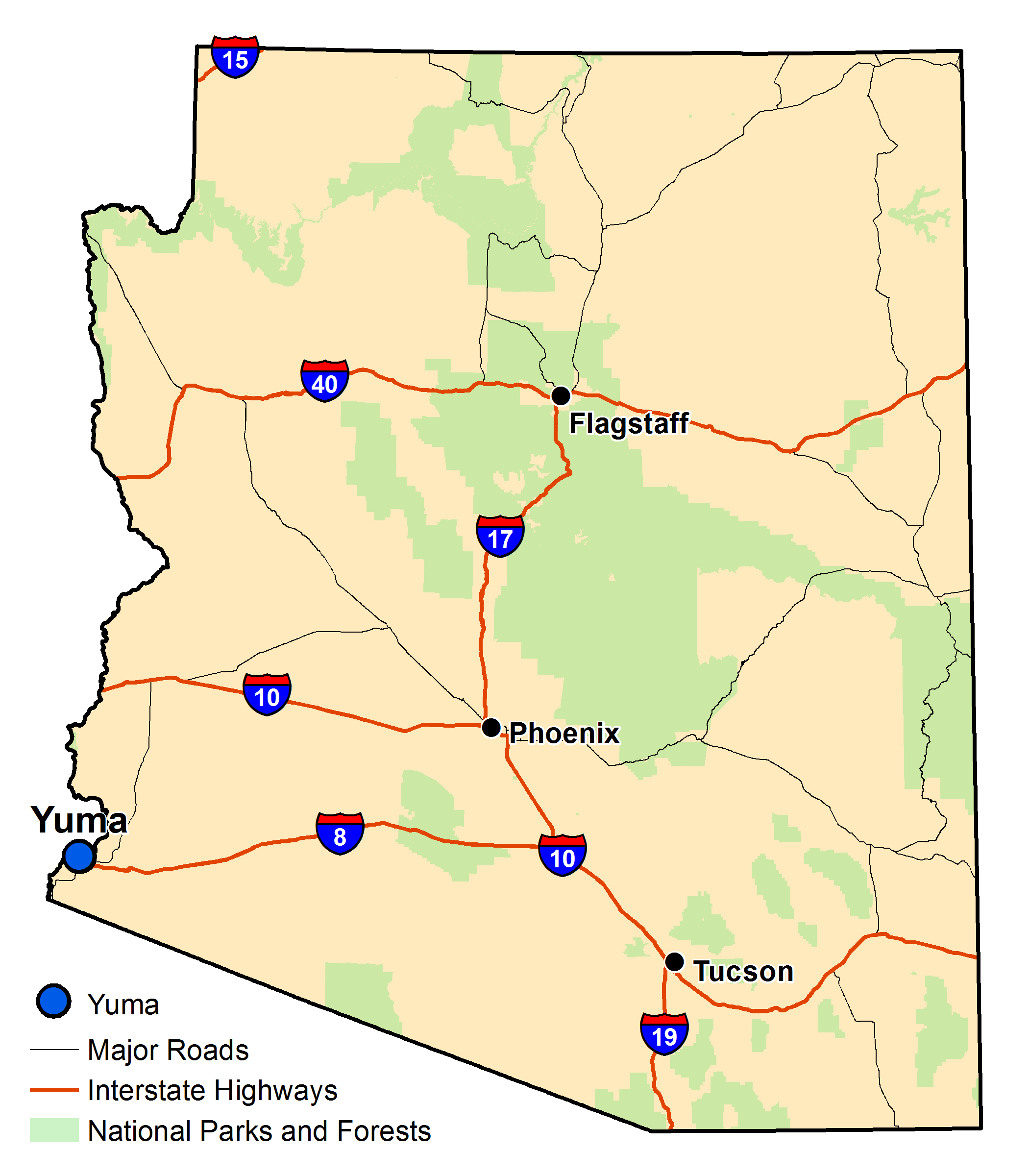
The very essence of Yuma’s character is intrinsically tied to its location. Situated in the extreme southwest corner of Arizona, it occupies a pivotal point that has shaped its destiny for centuries. This strategic placement has long made it a critical nexus for trade, travel, and cultural exchange. Its proximity to both the California border and the Mexican border defines much of its dynamic rhythm and diverse population.
Geographical Coordinates and Borders
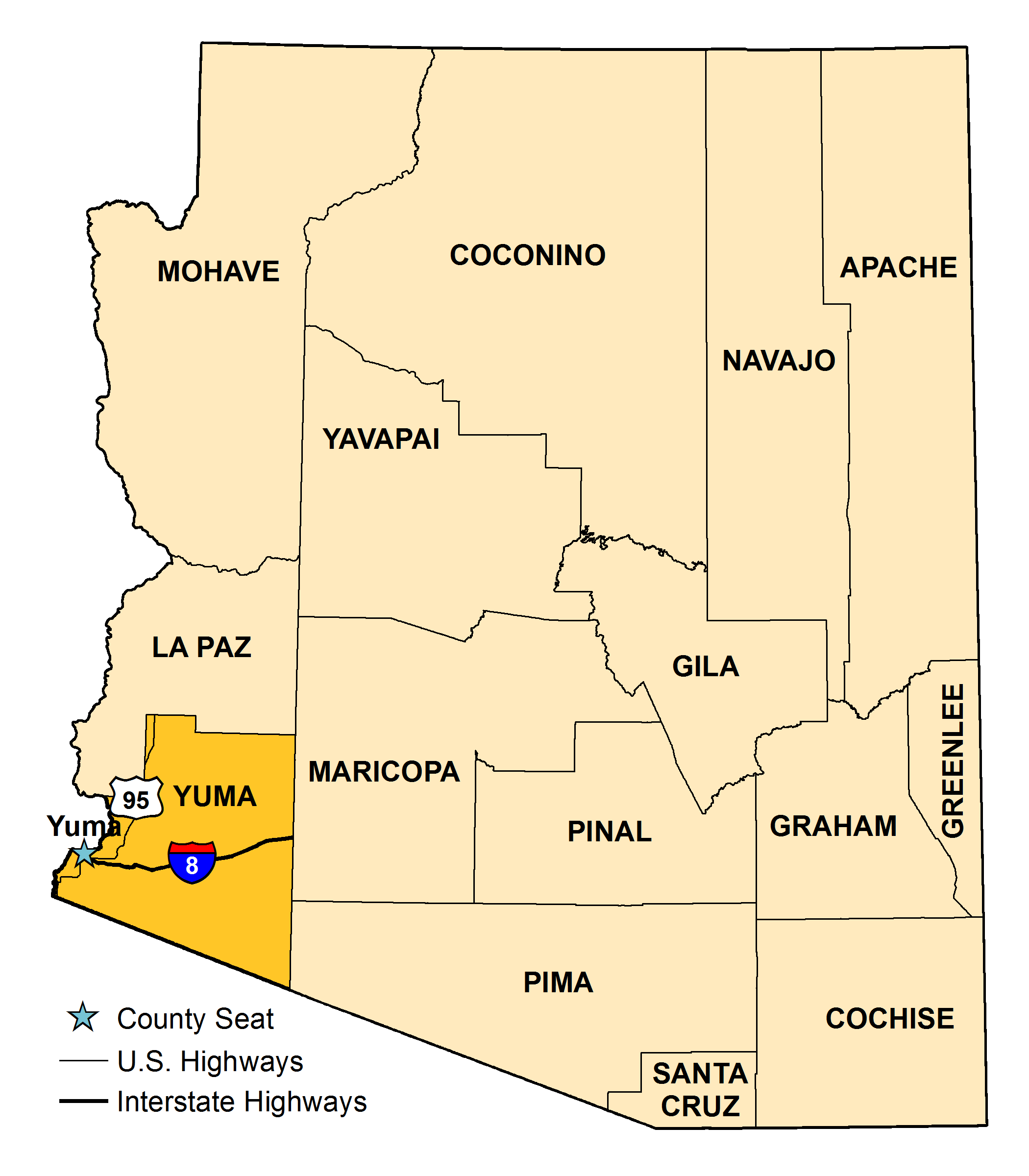
Geographically, Yuma lies approximately at 32.69 degrees North latitude and 114.62 degrees West longitude. This precise positioning places it firmly within the Sonoran Desert, an ecosystem renowned for its unique flora and fauna. The city hugs the eastern bank of the Colorado River, which forms the natural boundary between Arizona and California. To the west, across the river, lies Winterhaven, California, and a short drive brings you to El Centro and the Imperial Valley. To the south, just a few miles away, is the international border with Mexico, where the city of San Luis Rio Colorado, Sonora, beckons. Further west along the border, Mexicali, the capital of Baja California, Mexico, is also within reasonable driving distance.
This unique tri-state and international border location means that Yuma is a gateway city. It’s roughly a three-hour drive southwest of Phoenix, Arizona’s capital, and about two-and-a-half hours east of San Diego, California. This accessibility makes it a convenient stop for travelers journeying between the major metropolitan areas of the Southwest or venturing into Mexico. The historical significance of this location cannot be overstated; for centuries, the Yuma Crossing on the Colorado River was the only natural fordable point for hundreds of miles, making it the primary route for explorers, pioneers, and gold seekers heading west.
A Desert Oasis Climate
Yuma’s location in the Sonoran Desert dictates its arid, sunny climate, which is one of its most defining characteristics and a primary draw for tourists. The city boasts over 300 days of sunshine annually, earning it a reputation as one of the sunniest places on Earth. Summers are intensely hot, with temperatures frequently soaring above 100°F (38°C), making outdoor activities during midday challenging but manageable with proper hydration and planning. However, it’s the mild, pleasant winters that truly set Yuma apart. From October to April, temperatures typically range from the 60s to 80s°F (15-27°C) during the day, with cool, crisp nights. This idyllic winter weather attracts a massive influx of “snowbirds” – retirees and seasonal residents from colder climates who flock to Yuma to escape harsh winters.
The desert environment, while seemingly barren, is surprisingly vibrant. The Colorado River provides a lifeblood, nurturing a lush riparian habitat that contrasts beautifully with the surrounding desert landscape. This unique blend of arid desert and riverine environment supports a diverse ecosystem, offering opportunities for birdwatching, fishing, and boating. The low humidity characteristic of desert climates also makes even higher temperatures feel more comfortable than in humid regions, contributing to the overall appeal of Yuma’s climate for year-round outdoor enjoyment.
A Rich Tapestry of History and Culture
Yuma’s story is deeply etched into the fabric of the American Southwest, a narrative shaped by its critical location, the confluence of cultures, and the relentless spirit of those who settled here. From ancient indigenous civilizations to Spanish explorers, American pioneers, and modern-day immigrants, Yuma has always been a melting pot, each era adding a new layer to its vibrant cultural identity.
From Native Roots to Modern Hub
Long before European arrival, the area around the Yuma Crossing was home to indigenous peoples, primarily the Quechan Tribe, who expertly navigated the Colorado River and thrived on its bounty. Their intimate knowledge of the river and the surrounding desert made the Yuma Crossing an indispensable thoroughfare. Spanish explorers, notably Juan Bautista de Anza in the late 18th century, recognized its strategic importance, establishing missions and forts that marked the earliest European presence.
The mid-19th century brought a dramatic transformation with the California Gold Rush. Thousands of prospectors, adventurers, and settlers converged on the Yuma Crossing, making it the most vital river crossing in the West. This era saw the establishment of Fort Yuma in 1851, aimed at protecting settlers and controlling the river. The advent of the steamboat on the Colorado River further solidified Yuma’s role as a transportation hub, connecting the growing territories with goods from the coast. The construction of the Southern Pacific Railroad bridge in 1877, still visible today at Pivot Point Interpretive Park, marked the decline of steamboat traffic but ushered in a new era of rail transportation, further cementing Yuma’s importance.
Throughout the 20th century, Yuma evolved into a thriving agricultural center, thanks to extensive irrigation projects that diverted water from the Colorado River. Today, it remains one of the most productive agricultural regions in the United States, particularly for winter produce. This agricultural heritage, coupled with its military presence (including the Yuma Proving Ground and Marine Corps Air Station Yuma), and its growing tourism sector, shapes the diverse and resilient community that Yuma is today.
Architectural Gems and Historical Landmarks
Yuma is a treasure trove of historical sites, each telling a compelling story of its past. The most famous, the Yuma Territorial Prison State Historic Park, offers a fascinating glimpse into the lives of lawbreakers and law enforcers of the late 19th and early 20th centuries. Standing on the bluffs overlooking the Colorado River, the prison’s formidable adobe walls evoke a sense of its austere history.
Just adjacent to the prison is the Yuma Quartermaster Depot State Historic Park, another pivotal site. This was once the supply hub for all military posts in the Southwest, distributing goods by river steamboat and wagon. Visitors can explore the preserved buildings and grounds, imagining the bustling activity that once sustained the vast western frontier. The Sanguinetti House Museum and Gardens, an elegant adobe home dating back to the 1870s, provides insight into the domestic life of early Yuma pioneers.
The Historic Downtown Yuma area itself is an architectural gem, featuring beautifully restored buildings, including the former Carnegie Library and numerous structures along Main Street, which now house shops, restaurants, and art galleries. The Pivot Point Interpretive Park, located where the first railroad bridge spanned the Colorado River, offers panoramic views of the river, historical exhibits, and the remnants of the old railroad turntable. Other notable sites include the St. Thomas Yuma Indian Mission and the Cocopah Museum, which celebrate the enduring legacy of the region’s native cultures. These landmarks collectively offer a compelling journey through Yuma’s rich past, making it a captivating destination for history buffs and curious travelers alike.

Exploring Yuma’s Diverse Attractions and Activities
Beyond its historical allure, Yuma’s unique location and climate cultivate a vibrant array of attractions and activities catering to all interests. Whether you’re an outdoor enthusiast, a culture seeker, or a family looking for fun, Yuma offers a diverse palette of experiences that are deeply intertwined with its desert and riverine environment.
Outdoor Adventures and Natural Wonders
For those who love the great outdoors, Yuma is a playground. The most prominent natural feature is the Colorado River itself. Visitors can enjoy a plethora of water-based activities, including kayaking, paddleboarding, fishing, and boating. Several parks along the river, like Gateway Park and Martha’s Landing, offer easy access to the water with amenities for picnics and relaxation. Further upstream, popular spots like Martinez Lake and Mittry Lake provide excellent opportunities for more extensive boating and fishing expeditions, surrounded by stunning desert landscapes. The Imperial National Wildlife Refuge, located north of Yuma along the Colorado River, is a sanctuary for migratory birds and other wildlife, perfect for birdwatching and nature photography.
The desert landscape surrounding Yuma also offers thrilling adventures. East of the city lies the vast Imperial Sand Dunes Recreation Area, popularly known as the Glamis Dunes. This expansive sea of sand is a mecca for off-road vehicle enthusiasts, who flock here to ride ATVs, dune buggies, and dirt bikes across the dramatic terrain. Hiking and exploring are also popular, with trails leading through picturesque canyons and washes. The Kofa National Wildlife Refuge, northeast of Yuma, protects a rugged desert mountain range and is home to the elusive desert bighorn sheep, offering opportunities for backcountry hiking and wildlife viewing in a pristine wilderness setting. For a unique blend of history and adventure, the Castle Dome Mine Museum & Ghost Town allows visitors to step back in time and explore a remarkably preserved 1870s mining town amidst the desert mountains. Golfers will also find several well-maintained courses throughout the area, offering challenging play with scenic desert backdrops.
Cultural Immersion and Entertainment
Yuma’s cultural scene is as vibrant and diverse as its landscape. The city regularly hosts a variety of events and festivals, celebrating its agricultural heritage, international connections, and artistic community. One of the most popular is the Yuma Medjool Date Festival, a nod to the region’s prominent date farming industry. This festival offers tastings, cooking demonstrations, and family-friendly activities, highlighting a sweet and essential part of Yuma’s economy.
The performing arts thrive in Yuma, with local theaters and community groups presenting plays, musicals, and concerts throughout the year. The Yuma Art Center showcases local and regional artists, while various galleries along Main Street in Historic Downtown Yuma invite visitors to browse unique creations. For a taste of authentic local flavor, dining in Yuma is an experience in itself, with a range of restaurants offering everything from traditional Sonoran-style Mexican cuisine to classic American fare. The long-standing Lutes Casino, while not a gambling establishment, is a historic restaurant and bar famous for its quirky atmosphere and hearty burgers, representing a true Yuma institution.
The city’s close proximity to Mexico also provides unique opportunities for cultural immersion. A quick trip across the border to San Luis Rio Colorado allows visitors to experience a different culture, with vibrant markets, traditional eateries, and a distinct atmosphere. For military history enthusiasts, the Marine Corps Air Station Yuma occasionally hosts air shows and public events, providing a glimpse into modern military operations in the desert. From historical reenactments at the state parks to community festivals and vibrant nightlife options, Yuma offers a rich tapestry of cultural and entertainment experiences that ensure there’s always something engaging to do, appealing to a wide range of visitor interests and lifestyles.
Navigating Accommodation and Travel in Yuma
Visiting Yuma is an experience that caters to a diverse range of travel styles and budgets, significantly influenced by its status as a winter haven for “snowbirds” and a year-round destination for history and outdoor enthusiasts. Planning your accommodation and understanding the local travel landscape are key to making the most of your time in this Arizona gem.
Finding Your Ideal Stay: Hotels, Resorts, and More
Yuma’s accommodation scene is robust, reflecting its popularity as a tourist destination, particularly during the peak winter season (November to April). Travelers will find a wide array of options, from well-known hotel chains to cozy independent establishments, catering to various needs for comfort, amenities, and price points. For those seeking modern amenities and reliable service, major hotel brands such as the Hilton Garden Inn Yuma Pivot Point, offering stunning river views and convenient access to downtown, and the Holiday Inn Express & Suites Yuma are excellent choices. Other popular options include SpringHill Suites by Marriott Yuma and Homewood Suites by Hilton Yuma, which provide suite-style accommodations perfect for families or longer stays, often including complimentary breakfast and kitchenettes. These hotels frequently feature swimming pools, fitness centers, and business facilities, appealing to both leisure and business travelers.
Beyond traditional hotels, Yuma truly shines in its offerings for longer-term stays and those who prefer a more home-like environment. The city is famous for its numerous RV parks and resorts, which are particularly popular with the snowbird community. These facilities often provide extensive amenities, including clubhouses, heated pools, golf courses, and organized social activities, fostering a strong sense of community. Options range from basic hookups to luxurious RV resorts with every imaginable convenience. For visitors looking for a unique local experience or a more private setting, vacation rentals, including apartments and villas, are also available, especially through online booking platforms. These can provide a deeper dive into local living, offering a chance to prepare your own meals and relax in a residential setting. Given the seasonal demand, especially for RV parks and popular hotels, it is highly recommended to book accommodation well in advance, particularly if traveling during the peak winter months. Comparison websites and direct booking with establishments can help secure the best rates and availability.
Planning Your Journey: Getting There and Around
Reaching Yuma is straightforward, primarily by road. The city is conveniently located along Interstate 8, a major east-west highway that connects San Diego, California, to Casa Grande, Arizona, where it merges with Interstate 10. This makes driving from major cities like Phoenix (approximately 3 hours), Tucson (approximately 4 hours), and San Diego (approximately 2.5 hours) a relatively easy and scenic journey through the desert landscape. For those flying in, Yuma International Airport (YUM) offers regional flights, primarily connecting to Phoenix Sky Harbor International Airport, providing access to a wider network of domestic and international flights. Travelers from farther afield may choose to fly into Phoenix or San Diego and rent a car for the final leg of their journey.
Once in Yuma, having a car is highly recommended for exploring the city and its surrounding attractions. While there is a local public transit system, Yuma County Area Transit (YCAT), its routes and frequency may not cover all tourist destinations comprehensively. Car rental agencies are available at the airport and throughout the city. Taxis and ride-sharing services also operate in the area, providing additional transportation options. For those planning to visit San Luis Rio Colorado, Mexico, it is essential to have appropriate identification (passport or passport card) and understand border crossing procedures. Parking is generally ample throughout Yuma, particularly at hotels, attractions, and shopping centers, making self-driving a convenient way to navigate the city’s widespread layout. Planning your itinerary with a map or GPS will ensure a smooth and enjoyable travel experience, allowing you to seamlessly move between Yuma’s diverse attractions.
Why Yuma Remains a Cherished Destination
The question “Where is Yuma, Arizona located?” transcends a simple geographical answer. It points to a destination forged by its unique position at the convergence of desert, river, and international borders. This precise location has not only dictated its historical trajectory as a vital crossing point and a hub for transportation and trade but continues to shape its present-day appeal. From its ancient roots with the Quechan Tribe to its pivotal role in the California Gold Rush and its current status as a bustling agricultural center, Yuma’s narrative is one of enduring significance.
Today, Yuma stands out as a unique blend of historical richness, natural beauty, and modern convenience. Its sun-drenched climate, especially during the mild winters, serves as a powerful magnet for “snowbirds” and travelers seeking respite from colder climes, transforming the city into a vibrant seasonal community. The majestic Colorado River provides a refreshing contrast to the vast Sonoran Desert, offering endless opportunities for outdoor adventure, from boating and fishing to off-roading in the Imperial Sand Dunes. Simultaneously, its commitment to preserving its past is evident in iconic landmarks like the Yuma Territorial Prison State Historic Park and the Yuma Quartermaster Depot State Historic Park, inviting visitors to step back in time.
The city’s diverse accommodation options, from luxurious hotels to extensive RV resorts, ensure that every traveler finds their ideal stay, while its accessibility via Interstate 8 and regional airport makes it an attainable escape. Yuma is not just a place you visit; it’s a place where history comes alive, nature thrives, and cultures intertwine. Its strategic location is more than just coordinates on a map; it is the very foundation of its identity, offering a warm welcome and an enriching experience to all who discover this remarkable corner of Arizona. Whether for a brief visit or a prolonged stay, Yuma’s unique blend of geographical advantages and cultural depth ensures it remains a cherished and sought-after destination in the American Southwest.
LifeOutOfTheBox is a participant in the Amazon Services LLC Associates Program, an affiliate advertising program designed to provide a means for sites to earn advertising fees by advertising and linking to Amazon.com. Amazon, the Amazon logo, AmazonSupply, and the AmazonSupply logo are trademarks of Amazon.com, Inc. or its affiliates. As an Amazon Associate we earn affiliate commissions from qualifying purchases.