
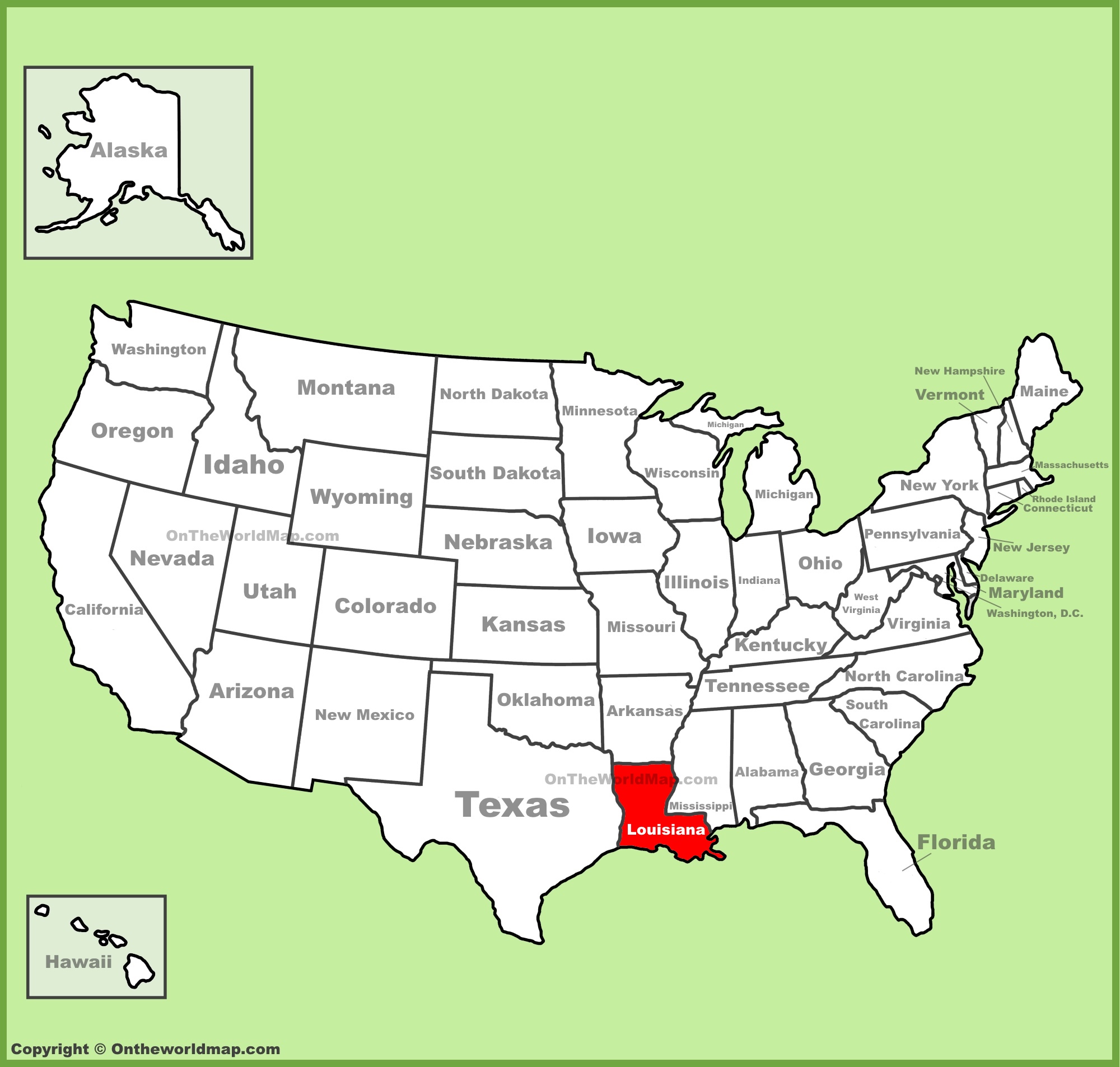
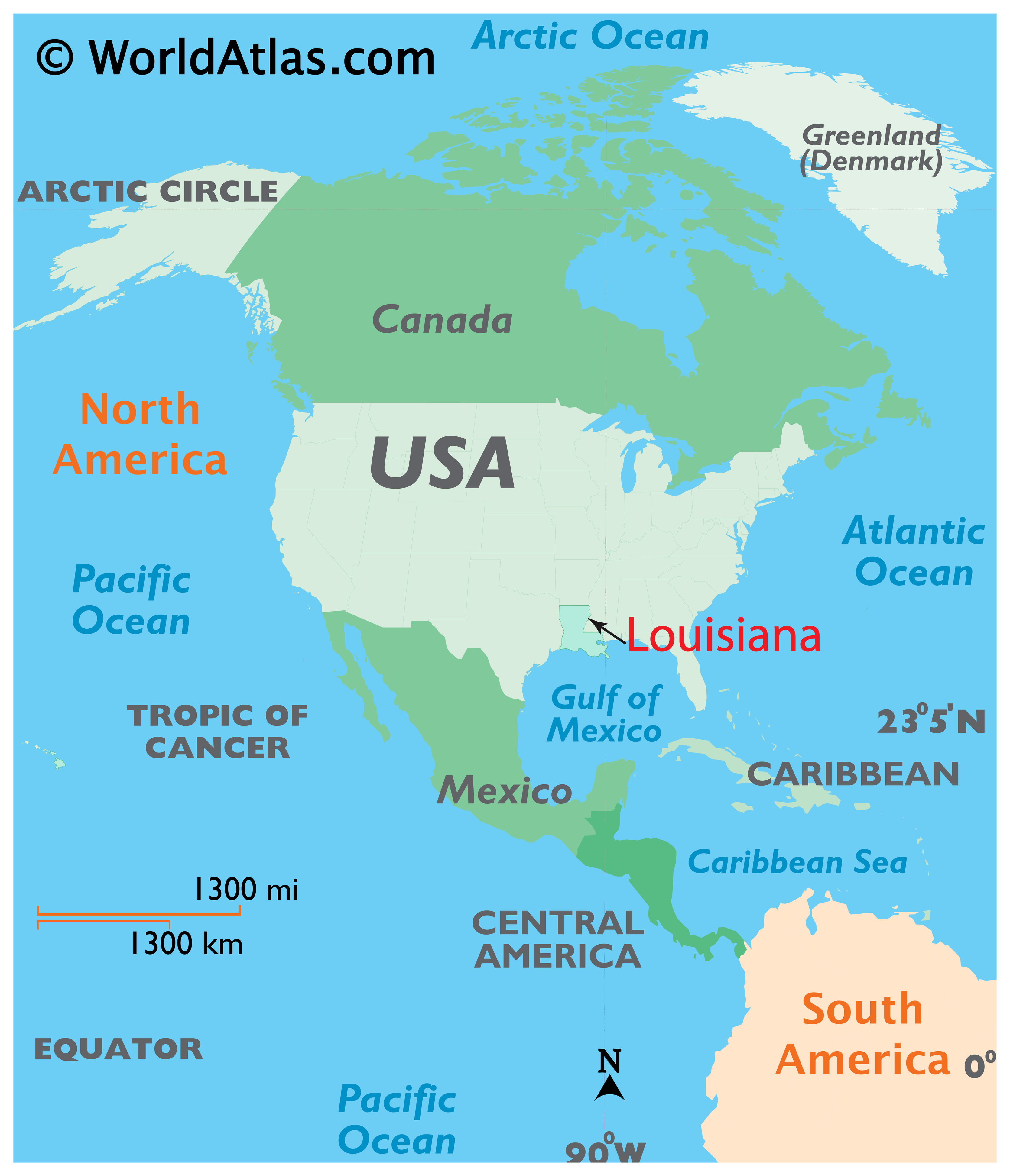
Louisiana, a state steeped in a rich tapestry of history, culture, and natural beauty, occupies a unique position within the United States. Its geographical placement is crucial to understanding its distinctive identity, influencing everything from its climate and ecosystems to its historical development and cultural fusion. Situated in the Deep South region, Louisiana borders several other states and is famously defined by its extensive coastline along the Gulf of Mexico. This placement has shaped its destiny, fostering a vibrant and diverse society that is unlike any other in the nation.
Geographical Placement and Boundaries
Louisiana’s strategic location in the southeastern portion of the United States is a fundamental aspect of its character. Nestled at the mouth of the mighty Mississippi River, the state is a natural delta, a region characterized by fertile alluvial soil and a complex network of waterways. This geographical endowment has profoundly impacted its historical settlement, agricultural development, and trade routes.
Borders and Neighboring States
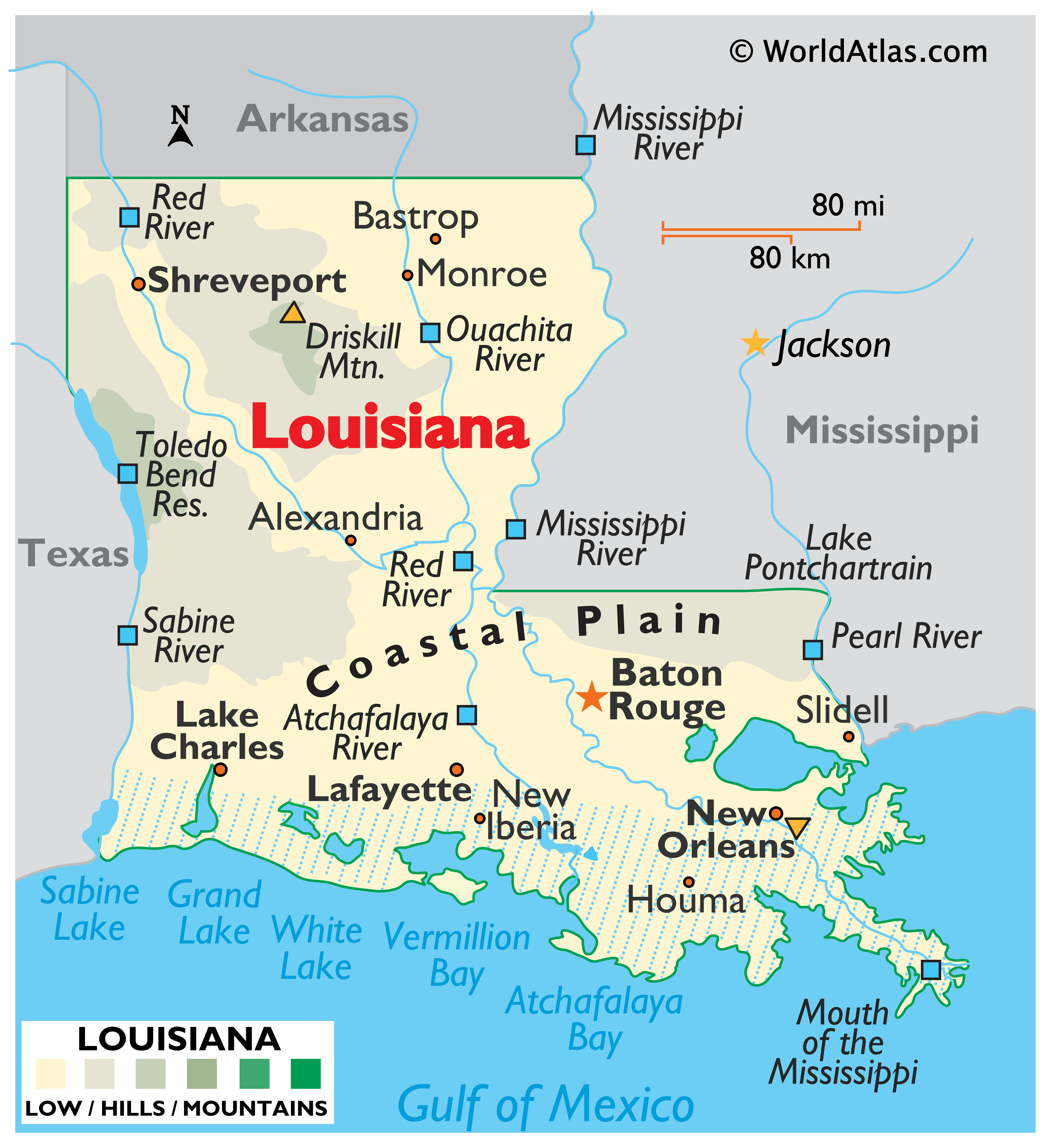
The state of Louisiana is bordered by a precise set of neighbors, each contributing to its regional context:
- North: Louisiana shares its northern border with the state of Arkansas. This boundary largely follows the 33rd parallel of north latitude.
- East: To the east, Louisiana is separated from Mississippi by the Pearl River for a significant portion of the border, and then by the Mississippi River itself. This eastern boundary is a defining feature, placing Louisiana squarely within the river’s vast drainage basin.
- South: The southern edge of Louisiana is dramatically defined by the Gulf of Mexico. This extensive coastline is characterized by barrier islands, bayous, and marshes, creating a unique coastal environment.
- West: Louisiana’s western border is shared with the state of Texas. This boundary is marked by the Sabine River for a considerable stretch.
This specific arrangement of borders places Louisiana in a transitional zone, bridging the southern reaches of the Midwest with the distinctive character of the Deep South and the Gulf Coast.
The Mississippi River’s Influence
The Mississippi River is perhaps the single most influential geographical feature shaping Louisiana. Its journey from the Great Lakes to the Gulf of Mexico culminates in Louisiana, where it deposits sediment to form the expansive Mississippi River Delta. This delta is a dynamic landscape of shifting landmasses, vital wetlands, and a crucial hub for biodiversity.
Delta Formation and Ecosystems
The deltaic process, driven by the river’s sediment load, has continuously shaped the state’s landmass over millennia. This has resulted in a unique ecosystem characterized by:
- Wetlands and Marshes: Vast expanses of coastal wetlands, bayous, and swamps form the backbone of Louisiana’s natural landscape. These areas are critical nurseries for countless species of fish, shellfish, and birds, supporting a thriving commercial fishing industry.
- Alluvial Plains: The fertile land deposited by the river is ideal for agriculture, historically supporting the cultivation of crops like sugarcane and cotton.
- Navigational Waterways: The river and its tributaries provide extensive natural and man-made navigation routes, facilitating trade and transportation throughout the state and beyond.
The constant interplay between the river’s flow, sediment deposition, and the sea has created a fragile yet incredibly rich environment that defines much of Louisiana’s identity.
Climate and Environmental Characteristics
Louisiana’s location imbues it with a distinct climate and a rich, albeit vulnerable, array of natural environments. Situated in the subtropical zone, it experiences warm, humid summers and mild winters, a pattern influenced by its proximity to the Gulf of Mexico and the prevailing atmospheric currents.
Subtropical Climate Patterns
The climate of Louisiana is predominantly subtropical, marked by:
- High Humidity: Year-round, especially during the summer months, humidity levels are consistently high, contributing to the lush vegetation.
- Warm Temperatures: Summers are long and hot, with average temperatures often exceeding 90°F (32°C). Winters are generally mild, with infrequent and short-lived cold snaps.
- Abundant Rainfall: Louisiana receives ample rainfall throughout the year, distributed relatively evenly, which nourishes its extensive forests and wetlands.
- Hurricane Season: A significant climatic characteristic is the annual hurricane season, which typically runs from June 1st to November 30th. The state’s coastal location makes it susceptible to tropical storms and hurricanes, which can have profound impacts on its landscape and communities.
Diverse Natural Landscapes
Beyond the deltaic region, Louisiana’s geography encompasses a variety of natural landscapes, each with its own unique ecological significance.
Forests and Prairies
While water dominates much of Louisiana, the state also boasts significant forested areas and remnants of prairie ecosystems.
- Southeastern Louisiana: Characterized by pine forests and cypress swamps.
- North Louisiana: Features hardwood forests and rolling hills, with some areas of pine and oak.
- Western Louisiana: Contains remnants of prairie grasslands, though much has been converted to agricultural use.
Aquatic Ecosystems
The state’s abundant water bodies are its defining feature:
- Bayous: These slow-moving, often sinuous waterways are quintessential to the Louisiana landscape, winding through swamps and marshes.
- Lakes: Numerous natural lakes, such as Lake Pontchartrain and Lake Charles, dot the state, providing vital habitats and recreational opportunities.
- Marshes and Swamps: These extensive wetland ecosystems are critical for biodiversity, flood control, and carbon sequestration.
The delicate balance of these ecosystems is highly sensitive to environmental changes, making conservation efforts paramount.
Historical Significance and Human Settlement
Louisiana’s geographical position has been instrumental in its storied history, attracting diverse groups of people and shaping a unique cultural mosaic. From its indigenous roots to its colonial past and eventual statehood, its location has been a nexus of trade, conflict, and cultural exchange.
Indigenous Peoples
Long before European arrival, the lands that now constitute Louisiana were home to various indigenous tribes. These communities developed sophisticated societies adapted to the rich riverine and coastal environments. Tribes such as the Caddo, Choctaw, Chitimacha, Houma, and Natchez thrived, utilizing the abundant natural resources for sustenance and trade. Their settlements were often strategically located along the Mississippi River and its tributaries.
Colonial Era and Cultural Fusion
The strategic importance of the Mississippi River and access to the Gulf of Mexico made Louisiana a coveted territory for European powers.
- French Colonization: In the late 17th century, explorers like Robert de La Salle claimed the territory for France, naming it Louisiana in honor of King Louis XIV. Key settlements like New Orleans, founded in 1718, were established at the mouth of the Mississippi River, becoming a vital port and cultural center.
- Spanish Rule: Following the Seven Years’ War, France ceded Louisiana to Spain in 1762. Spanish influence is still visible in the architecture and some of the legal traditions of the region.
- Louisiana Purchase: In a pivotal moment in U.S. history, France sold the vast Louisiana Territory to the United States in 1803. This doubled the size of the young nation and secured control of the crucial Mississippi River and the port of New Orleans.
This colonial history led to a unique blend of European cultures (French, Spanish, African) and indigenous traditions, forming the foundation of Louisiana’s distinctive Creole and Cajun cultures.
Statehood and Beyond
Louisiana officially became the 18th state of the United States on April 30, 1812. Its location continued to dictate its economic and political trajectory.
- Economic Hub: The Mississippi River remained a vital artery for commerce, with New Orleans growing into one of the busiest ports in the United States. Agriculture, particularly sugar and cotton plantations, also played a significant role, often reliant on enslaved labor.
- Civil War and Reconstruction: Like other Southern states, Louisiana was deeply impacted by the American Civil War and the subsequent Reconstruction era. Its strategic importance and internal divisions made it a focal point of conflict.
- 20th Century and Modern Louisiana: The state’s economy diversified with the discovery of oil and natural gas, profoundly shaping its industrial landscape and coastal development. Despite challenges from environmental degradation and natural disasters like Hurricane Katrina, Louisiana continues to leverage its unique geography and cultural heritage.
The confluence of these historical forces, all intrinsically linked to its geographical positioning, has created a state with an enduring legacy and a vibrant present.
Understanding Louisiana Through Its Location
To truly appreciate Louisiana, one must grasp the significance of its physical location. It is a place where great rivers meet the sea, where subtropical warmth nourishes lush landscapes, and where a confluence of historical currents has forged an unparalleled cultural identity. From the winding bayous of the Acadiana region to the historic streets of New Orleans, and from the agricultural heartland to the oil-rich coast, Louisiana’s identity is inextricably bound to where it is situated.
The “Louisiana Way of Life”
The unique rhythm of life in Louisiana is a direct consequence of its geography and history. The state’s culture is often described as a vibrant blend of influences, a “melting pot” that has simmered and evolved over centuries.
- Cajun Culture: Descendants of French-speaking Acadian exiles who settled in southwestern Louisiana, Cajuns have preserved a distinct language, cuisine, and music, heavily influenced by their environment and agricultural roots.
- Creole Culture: Primarily associated with New Orleans, Creole culture is a rich synthesis of French, Spanish, African, and Caribbean influences. It is known for its sophisticated cuisine, distinct architecture, and vibrant musical traditions like jazz.
- Culinary Heritage: Louisiana’s cuisine is world-renowned, a direct outgrowth of its abundant natural resources. Seafood from the Gulf and bayous, rice, sugarcane, and diverse spices form the basis of iconic dishes like gumbo, jambalaya, and crawfish étouffée.
- Music and Festivities: The state is a birthplace of numerous musical genres, most notably jazz, blues, and zydeco. Its rich tradition of festivals and celebrations, from Mardi Gras in New Orleans to the many local fairs and music events, reflects a deep appreciation for community and heritage.
Economic Geography
Louisiana’s economy is heavily influenced by its geography. Its strategic position on the Mississippi River and its extensive coastline provide critical advantages for trade and industry.
- Port of New Orleans: One of the largest and busiest ports in the United States, facilitating the import and export of goods.
- Agriculture: The fertile delta lands support significant agricultural production, particularly sugarcane, rice, soybeans, and cotton.
- Petroleum and Natural Gas: Louisiana is a leading producer of oil and natural gas, with extensive offshore drilling operations in the Gulf of Mexico and significant refining capacity.
- Fisheries: The state’s rich coastal waters and wetlands support a robust commercial fishing industry, providing a significant portion of the nation’s seafood, especially shrimp, oysters, and crawfish.
- Tourism: The unique culture, historical sites, and natural beauty of Louisiana attract millions of tourists annually, making tourism a vital sector of the state’s economy.
Environmental Challenges and Opportunities
The very geography that enriches Louisiana also presents significant environmental challenges. The low-lying deltaic landscape is particularly vulnerable to rising sea levels and coastal erosion.
- Coastal Erosion: The loss of wetlands due to natural processes, development, and the impacts of oil and gas extraction threatens the state’s coastline and its protective barrier against hurricanes.
- Climate Change Impacts: Louisiana is on the front lines of climate change, experiencing increased intensity of hurricanes and more frequent flooding.
- Conservation Efforts: Recognizing the fragility of its natural resources, Louisiana is actively engaged in coastal restoration and conservation initiatives, aiming to protect its unique ecosystems and communities.
In conclusion, understanding where Louisiana is located is not merely an exercise in geography; it is an entry point into understanding its history, its culture, its economy, and its future. Its placement at the mouth of the Mississippi River, its access to the Gulf of Mexico, and its subtropical climate have collectively shaped a state of remarkable complexity and enduring allure.
LifeOutOfTheBox is a participant in the Amazon Services LLC Associates Program, an affiliate advertising program designed to provide a means for sites to earn advertising fees by advertising and linking to Amazon.com. Amazon, the Amazon logo, AmazonSupply, and the AmazonSupply logo are trademarks of Amazon.com, Inc. or its affiliates. As an Amazon Associate we earn affiliate commissions from qualifying purchases.