
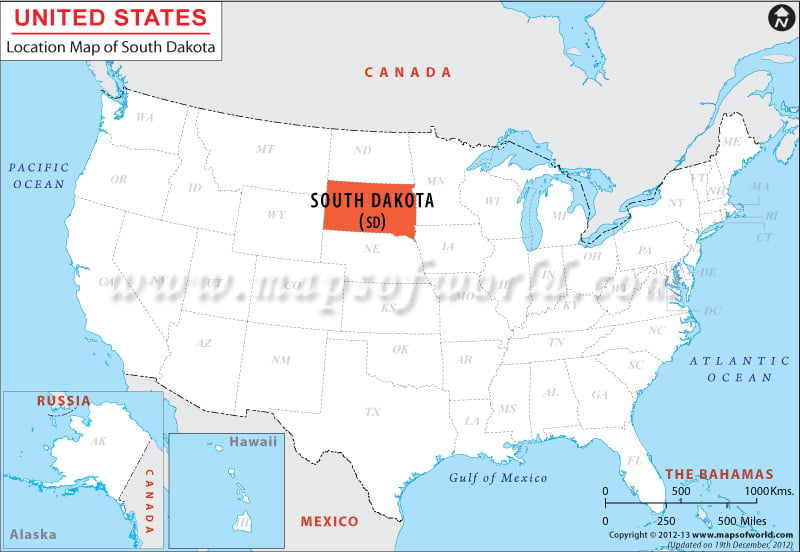
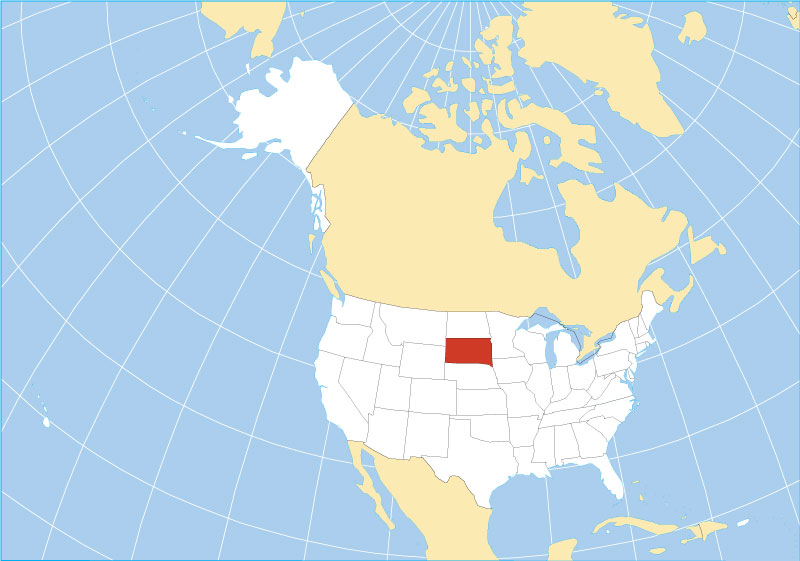
South Dakota, a state often characterized by its wide-open spaces and iconic natural and man-made landmarks, occupies a unique geographical and cultural position in the heart of the American Midwest. To truly understand its appeal, one must first place it accurately on the map, both geographically and in terms of the experiences it offers to travelers. Nestled within the Great Plains region, it shares borders with several other distinctive states, each contributing to the broader tapestry of the American experience.
Geographical Placement and Neighbors
South Dakota is situated in the north-central United States, a landlocked state whose landscape is shaped by the Missouri River, which bisects it from north to south, and the vast prairies that define its identity. Its neighbors are key to understanding its context. To the north lies North Dakota, another prairie state with its own distinct heritage. To the east, Minnesota and Iowa offer a transition towards more fertile agricultural lands and different cultural influences. To the south, Nebraska presents a landscape that shares some similarities with South Dakota’s own, particularly in its agricultural focus. Finally, to the west, Wyoming and Montana introduce the dramatic shift towards the Rocky Mountains, offering a stark contrast to South Dakota’s generally flatter terrain. This central placement means South Dakota serves as a crossroads, historically and geographically, for those traveling across the nation.

The Missouri River: A Lifeline Through the Plains
The Missouri River is more than just a geographical feature; it’s a vital artery that has shaped human settlement, agriculture, and transportation in South Dakota. It divides the state into two distinct regions: the more rugged, hilly terrain of the Black Hills to the west and the flatter, agricultural plains to the east. This division influences everything from the types of crops grown to the geological formations and the very character of the communities that sprung up along its banks. Major cities like Sioux Falls and Pierre, the state capital, are located either directly on or in close proximity to the river, highlighting its importance. The damming of the Missouri River created vast reservoirs, such as Lake Oahe, which have become significant recreational hubs, offering opportunities for boating, fishing, and camping, further integrating the river into the state’s tourism appeal.
The Black Hills: A Jewel in the West
West of the Missouri River, the landscape dramatically transforms with the emergence of the Black Hills. This ancient mountain range, rising abruptly from the surrounding plains, is a treasure trove of natural beauty and historical significance. Its name, derived from the Lakota word “Paha Sapa” (meaning “hills that are black”), refers to the dark evergreen forests that cover their slopes. The Black Hills are home to some of South Dakota’s most famous attractions, drawing visitors from across the globe.
Mount Rushmore National Memorial
Dominating the landscape is the Mount Rushmore National Memorial, a colossal sculpture carved into the granite face of Mount Rushmore by Gutzon Borglum and his son Lincoln. The memorial features the iconic heads of four U.S. presidents: George Washington, Thomas Jefferson, Theodore Roosevelt, and Abraham Lincoln. It is a symbol of American democracy and a testament to human ingenuity, attracting millions of visitors annually to witness its grandeur and learn about the nation’s history. The surrounding area offers hiking trails, museums, and stunning vistas, making it a comprehensive destination.
Custer State Park
Adjacent to Mount Rushmore National Memorial lies Custer State Park, one of the largest state parks in the United States. This expansive park is renowned for its diverse wildlife, including a large herd of bison that roam freely, as well as pronghorn, deer, and prairie dogs. Scenic drives, such as the Needles Highway and the Iron Mountain Road, offer breathtaking views of granite spires, pine forests, and mountain lakes. The park provides opportunities for hiking, camping, wildlife viewing, and experiencing the raw beauty of the natural American West.
Badlands National Park
Further east of the Black Hills lies Badlands National Park, a landscape of dramatic and eroded buttes, pinnacles, and spires, set against a backdrop of mixed-grass prairie. This starkly beautiful terrain, a result of millions of years of erosion, is also a rich fossil bed, providing invaluable insights into ancient life. The park offers opportunities for hiking, primitive camping, and scenic drives, particularly along Badlands Loop Road. The striking contrasts between the rugged badlands and the surrounding prairies create a unique and unforgettable visual experience.
East River: Prairies and Prosperity
East of the Missouri River, the landscape transitions into rolling prairies and fertile agricultural lands. This region is the most populous and economically active part of the state, characterized by its vast farms, ranches, and growing urban centers. The pace of life may be different from the dramatic peaks of the Black Hills, but it holds its own distinct charm and appeal for visitors seeking to understand the heartland of America.
Sioux Falls: The Eastern Hub
Sioux Falls, the state’s largest city, serves as the vibrant economic and cultural center of eastern South Dakota. Situated on the Big Sioux River, the city is known for its growing downtown area, its numerous parks, and its lively arts scene. A significant attraction is Falls Park, the namesake of the city, where the Big Sioux River cascades over quartzite rock formations. The park offers walking trails, observation decks, and a historic pumping station, providing a natural escape within the urban environment. Sioux Falls also boasts a variety of museums, theaters, and a thriving culinary scene, making it a gateway to exploring the eastern part of the state.
Brookings and the University Influence
Further north in the eastern part of the state, the city of Brookings stands as a notable community, home to South Dakota State University. The presence of the university infuses the city with a youthful energy and contributes to its cultural offerings, including the South Dakota Art Museum. The surrounding agricultural landscape highlights the importance of farming to the state’s economy and way of life, offering visitors a glimpse into the productivity of the Great Plains.
Cultural Significance and Indigenous Heritage
Beyond its geographical features, South Dakota’s identity is deeply intertwined with its rich cultural heritage, particularly the enduring legacy of its indigenous peoples. The land has been home to various Native American tribes for millennia, and their presence continues to shape the state’s character and offer unique cultural experiences for visitors. Understanding South Dakota on the map also means recognizing its significance as ancestral territory and a contemporary homeland for tribes such as the Lakota, Dakota, and Nakota.
Preserving Native Traditions
Several locations across South Dakota serve as vital centers for preserving and celebrating Native American culture. The Crazy Horse Memorial, a colossal mountain monument still under construction in the Black Hills, aims to honor the Lakota leader Crazy Horse and the heritage of Native Americans. It features a museum and cultural center that provide deep insights into the history and traditions of the Plains tribes. Numerous powwows and cultural events are held throughout the year across the state, offering opportunities to witness traditional dances, music, and crafts. Visiting reservations like the Pine Ridge Indian Reservation or the Rosebud Indian Reservation provides an opportunity to connect with contemporary Native American communities and learn firsthand about their resilience and cultural contributions.
Iconic Landmarks and Roadside Attractions
South Dakota is also a state that embraces the quirky and the monumental, offering a collection of roadside attractions and landmarks that have become synonymous with American road trips. These points of interest add a unique flavor to the travel experience and often serve as beloved icons of the state.
Wall Drug Store: A Legendary Stop
Perhaps the most famous roadside attraction in South Dakota is the Wall Drug Store in Wall. Originally a small drug store, it gained notoriety by offering free ice water and 5-cent coffee, advertised with thousands of signs placed along highways for hundreds of miles. Today, it’s a sprawling complex of shops, restaurants, and attractions, including animated displays, a famous jackalope statue, and a well-known photography exhibit. It embodies the spirit of American entrepreneurship and the allure of the open road, making it an essential stop for many traversing the state.
The Corn Palace: A Monument to Agriculture
In the town of Mitchell, visitors will find another unique landmark: the Corn Palace. This auditorium and sports arena is famously decorated annually with murals made from corn and other grains, showcasing elaborate designs that change each year. It’s a vibrant testament to the agricultural bounty of South Dakota and a beloved local institution that draws curious travelers eager to see this one-of-a-kind architectural marvel.
In essence, South Dakota’s position on the map is multifaceted. Geographically, it’s a state of transition, bridging the plains with the mountains. Culturally, it’s a crossroads of pioneering spirit and enduring indigenous heritage. For travelers, it offers an array of experiences, from the majestic grandeur of its national parks and monuments to the quiet charm of its prairie towns and the unexpected delights of its iconic roadside attractions. Understanding where South Dakota is on the map is the first step to uncovering the vast and varied adventures that await within its borders.
LifeOutOfTheBox is a participant in the Amazon Services LLC Associates Program, an affiliate advertising program designed to provide a means for sites to earn advertising fees by advertising and linking to Amazon.com. Amazon, the Amazon logo, AmazonSupply, and the AmazonSupply logo are trademarks of Amazon.com, Inc. or its affiliates. As an Amazon Associate we earn affiliate commissions from qualifying purchases.