
A Culinary Quest for the Golden Strands of Delight
For those embarking on a culinary adventure in Los Angeles, the quest for authentic and high-quality kataifi can be an illuminating experience. This delicate, shredded phyllo dough is a cornerstone of many beloved Middle Eastern and Mediterranean desserts, from crispy, syrup-soaked pastries to savory preparations. Finding the right purveyor in a city as vast and diverse as Los Angeles requires a nuanced understanding of the local food landscape, focusing on the specialized grocers, ethnic markets, and even select bakeries that cater to a discerning palate. This guide aims to navigate you through the best avenues to procure this versatile ingredient, ensuring your sweet (or savory) creations reach their full potential.
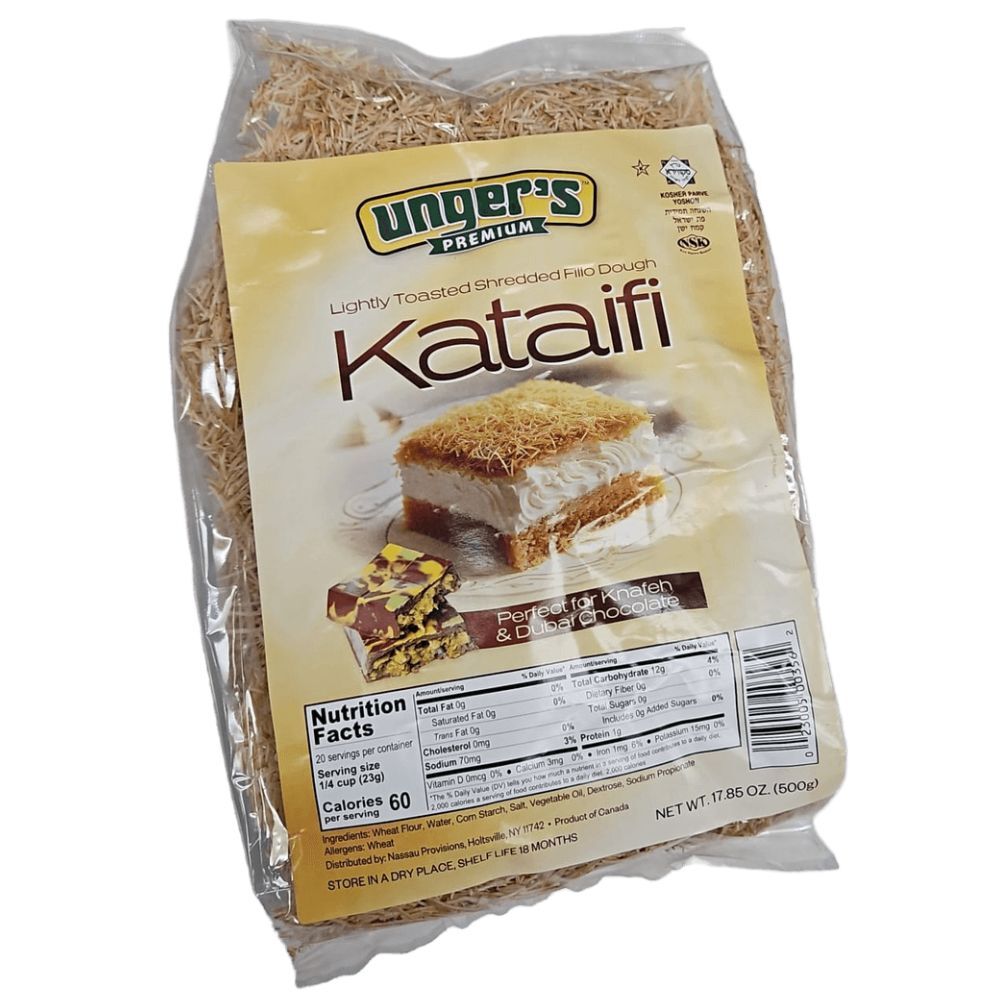
Understanding Kataifi: More Than Just Dough
Before delving into the “where,” it’s essential to understand what makes kataifi so special. Kataifi, also known as kadaif or knafeh dough, is characterized by its fine, vermicelli-like strands. It’s made from a simple batter of flour, water, and a touch of cornstarch, which is then expertly drizzled onto a hot, rotating metal plate to form thin strands. These strands are then dried and sold in various forms: fresh, frozen, or dried.
- Fresh Kataifi: This is often found in refrigerated sections of specialty markets and is prized for its pliability and moisture content, making it ideal for immediate use.
- Frozen Kataifi: A convenient option, frozen kataifi retains much of its quality and can be stored for extended periods. It’s crucial to thaw it properly to avoid sogginess.
- Dried Kataifi: This form is shelf-stable but requires soaking or rehydrating before use, which can alter its texture slightly.
The texture and preparation method significantly influence the final dish. For classic desserts like Knafeh, a sweet cheese pastry, fresh or frozen kataifi is often preferred for its ability to crisp up beautifully while remaining tender inside. For other applications, the specific type might be less critical, but sourcing from a reputable vendor ensures quality.
Navigating the Ethnic Enclaves of Los Angeles
Los Angeles boasts a rich tapestry of ethnic communities, each contributing to the city’s vibrant culinary scene. For authentic kataifi, your best bet lies within the heart of these communities, where ingredients are often imported directly and prepared with traditional methods.
The Pillars of Middle Eastern and Mediterranean Cuisine
Several neighborhoods and specific types of establishments are renowned for their offerings of Middle Eastern and Mediterranean ingredients. These are the places where the aroma of spices fills the air, and where finding specialty items like kataifi is a given.
- Westwood Village & Beverly Hills: While known for their upscale boutiques and entertainment, these areas also harbor excellent Mediterranean and Middle Eastern delis and grocery stores that cater to a sophisticated clientele. Look for establishments that have been serving the community for decades. These often stock premium brands of kataifi, ensuring a superior texture and flavor.
- Glendale: With its significant Armenian population, Glendale is a prime location for finding authentic ingredients. Armenian bakeries and grocery stores often carry high-quality kataifi, sometimes even made in-house or sourced from local Armenian producers. The authenticity here is often unparalleled.
- Various Armenian and Middle Eastern Grocery Stores: Beyond specific neighborhoods, keep an eye out for independent grocery stores bearing names like “Middle Eastern Market,” “Armenian Grocer,” or “Mediterranean Foods.” These often have the most comprehensive selections of specialty flours, cheeses, nuts, and of course, kataifi. They are the treasure troves for home cooks looking to replicate traditional recipes.

When visiting these markets, don’t hesitate to ask the staff for recommendations. They are often knowledgeable about the best brands, storage tips, and even simple preparation techniques.
Specialty Grocers and Markets: Your Kataifi Sanctuaries
Within the broader categories of ethnic enclaves, certain types of stores stand out as dedicated purveyors of ingredients like kataifi. These are the places that understand the nuances of the dough and are committed to offering the best quality.
The Dedicated Purveyors
- Specialty Mediterranean/Middle Eastern Grocers: These stores are the most likely to carry a consistent supply of kataifi. They often have refrigerated or frozen sections dedicated to pastry doughs and ready-made desserts. Brands from Greece, Turkey, and Lebanon are commonly found, each offering a slightly different characteristic. Explore these options to find your personal favorite. Some of the more established ones might even offer their own house-made kataifi, which can be exceptional.
- Import Food Stores: Beyond the typical ethnic markets, some import food stores specialize in a broader range of international ingredients. If they have a Middle Eastern or Mediterranean section, you might find kataifi among their offerings. These stores often source from a wider network of international suppliers, potentially providing access to unique varieties.
- Wholesale Food Distributors (for the Ambitious Home Cook): While primarily serving restaurants and caterers, some wholesale food distributors in the Los Angeles area might offer bulk quantities of kataifi to individual customers. This is an option for those planning large events or who frequently use kataifi in their cooking and are looking for cost savings. However, it typically requires a visit to their warehouse and a minimum purchase.
Tips for Purchasing Kataifi
When you find yourself in one of these culinary havens, keep these tips in mind to ensure you bring home the best kataifi for your needs:
- Check the Packaging: Look for clean, intact packaging. For frozen kataifi, ensure there’s no excessive ice crystallization, which can indicate thawing and refreezing.
- Examine the Strands: If possible, gently inspect the strands through the packaging. They should be relatively uniform in thickness and color, ranging from a pale yellow to a light golden hue. Avoid packages with a very dark or burnt appearance.
- Understand the Origin: While not always listed, knowing the country of origin (e.g., Greece, Turkey, Lebanon) can sometimes give you an idea of the typical style and quality associated with that region’s pastries.
- Ask About Freshness: If buying from a refrigerated section, inquire about the “best by” date. For frozen, confirm it has been stored properly.
Beyond the Grocery Aisle: Bakeries and Restaurants
While direct purchase from markets is the most common method, there are other avenues to explore, particularly if you are less inclined towards home preparation or seeking immediate indulgence.

Experiencing Kataifi in Its Final Form
- Specialty Bakeries: Some bakeries, particularly those specializing in Middle Eastern and Mediterranean pastries, may sell their kataifi dough for home use. It’s less common than selling prepared desserts, but worth investigating. These bakeries are often the experts in handling the dough and may offer the freshest product.
- Restaurants Offering Take-Home Options: In rarer cases, some restaurants that prominently feature kataifi dishes on their menu might offer the raw dough for purchase. This is typically reserved for establishments with a very loyal customer base or those looking to expand their retail offerings.
By strategically exploring these specialized markets and engaging with knowledgeable vendors, your search for the perfect kataifi in Los Angeles will undoubtedly yield delicious results, paving the way for unforgettable culinary creations. Whether you’re aiming for a show-stopping Knafeh or a more experimental savory application, the golden strands await your creative touch.
LifeOutOfTheBox is a participant in the Amazon Services LLC Associates Program, an affiliate advertising program designed to provide a means for sites to earn advertising fees by advertising and linking to Amazon.com. Amazon, the Amazon logo, AmazonSupply, and the AmazonSupply logo are trademarks of Amazon.com, Inc. or its affiliates. As an Amazon Associate we earn affiliate commissions from qualifying purchases.