
Exploring Oregon’s Culinary Landscape: A Guide to Sourcing Exquisite Mushrooms
Oregon, a state renowned for its lush forests and diverse ecosystems, is a veritable paradise for mushroom enthusiasts. From the sought-after morels that carpet the forest floor in spring to the earthy chanterelles gracing tables in the fall, the Beaver State offers a bounty of fungal delights. Navigating this rich landscape to find the freshest, most flavorful mushrooms can be an adventure in itself. This guide delves into the various avenues for acquiring exceptional mushrooms across Oregon, catering to both the casual diner and the dedicated gourmand.

Farmers Markets: A Direct Connection to the Source
Farmers markets across Oregon represent one of the most direct and rewarding ways to purchase locally sourced mushrooms. These vibrant hubs bring together local farmers, artisans, and consumers, fostering a sense of community and offering unparalleled freshness. Many of Oregon’s growers specialize in cultivating a variety of gourmet mushrooms, while others are expert foragers who bring their seasonal finds to market.
Portland’s Fungal Finds
In Portland, the Portland Farmers Market at trường Đại học Oregon (South Park Blocks) is a prime destination. Here, you’ll often find stalls overflowing with oyster mushrooms, shiitakes, king trumpets, and, during their respective seasons, wild morels and chanterelles. Beyond Portland, other notable markets include the Eugene Saturday Market in Eugene, the Salem Farmers Market in Salem, and the Ashland Farmers Market in Ashland.
When visiting these markets, don’t hesitate to engage with the vendors. They are often passionate about their products and can provide valuable insights into mushroom varieties, optimal cooking methods, and even where they were sourced. This direct interaction is a cornerstone of the tourism experience in Oregon, connecting you directly to the local agricultural and culinary scene.
What to Look For
At the market, discerning shoppers should look for mushrooms that are firm, dry, and free from blemishes or slimy patches. The aroma should be pleasant and earthy, not acrid or moldy. Vendors often offer a range of cultivated and wild varieties. Cultivated mushrooms like shiitakes and oyster mushrooms are generally available year-round, while wild varieties are highly seasonal and dependent on weather conditions. Remember to ask about the origin of the mushrooms; supporting local foragers and growers not only ensures freshness but also supports the local economy and sustainable practices.
Specialty Food Stores and Delicatessens: Curated Selections
For those seeking a wider variety or specific types of mushrooms that might not be consistently available at farmers markets, specialty food stores and delicatessens offer a curated selection. These establishments often partner with high-quality mushroom farms and distributors, ensuring a consistent supply of both common and more exotic varieties.
Urban Oases for Fungi
Major cities like Portland, Eugene, and Bend boast several excellent specialty food stores. Stores such as New Seasons Market and Sheridan’s Fine Foods in Portland are well-known for their extensive produce sections, which frequently include a diverse array of fresh mushrooms. You can often find everything from standard button and cremini mushrooms to more adventurous choices like maitake, lion’s mane, and enoki.
These stores also provide a convenient option for purchasing dried mushrooms, which are excellent for adding depth of flavor to stocks, sauces, and stews. Their preserved nature means they can be stored for longer periods, offering a taste of the forest’s bounty even out of season. The staff in these stores are typically knowledgeable about their products and can offer recommendations for preparation and pairing. This aspect of the tourism experience in Oregon highlights the state’s commitment to quality and culinary diversity.

Local Restaurants and Eateries: Experiencing Mushrooms on the Plate
While not a direct purchase for home consumption, experiencing mushrooms at local restaurants is an integral part of understanding their culinary significance in Oregon. Many of the state’s acclaimed chefs are deeply connected to local producers and feature seasonal mushrooms prominently on their menus.
A Taste of Oregon’s Forests
From fine dining establishments in Portland to cozy bistros in the Willamette Valley, chefs leverage Oregon‘s mushroom wealth. Restaurants like Nodoguro in Portland are known for their exquisite tasting menus that often highlight foraged ingredients, including various wild mushrooms. Even more casual eateries frequently offer dishes featuring local fungi, such as mushroom risotto, wild mushroom pizza, or sautéed mushroom side dishes.
Visiting these culinary hotspots provides inspiration for your own mushroom cooking and can offer clues as to where chefs source their ingredients. Engaging with the waitstaff or even the chefs if possible can yield valuable information about local mushroom purveyors and the best times of year to find specific varieties. This immersive approach to food tourism allows visitors to truly appreciate the natural larder of Oregon.
Online Retailers and Mushroom Farms: Convenience and Direct Sourcing
For unparalleled convenience and access to a wide array of both cultivated and sometimes foraged mushrooms, online retailers and directly from mushroom farms are increasingly popular options. This approach allows consumers to bypass geographical limitations and often receive freshly harvested mushrooms delivered directly to their door.
Farm-to-Table Delivered
Several Oregon-based mushroom farms have embraced e-commerce, allowing customers to order directly from their facilities. These operations often specialize in a particular type of mushroom, such as gourmet oyster mushrooms, and pride themselves on sustainable cultivation practices. Ordering directly from a farm often means receiving the freshest possible product, as mushrooms are typically harvested and shipped within a day or two.
While specific farm names may vary and change, a quick online search for “Oregon mushroom farm” will reveal producers who offer shipping services. These farms are a testament to the innovative spirit of Oregon’s agricultural sector and contribute significantly to the state’s reputation as a leader in gourmet food production. This modern approach to sourcing food aligns perfectly with the evolving landscape of travel and culinary exploration.
Foraging: The Ultimate Adventure (with Caution)
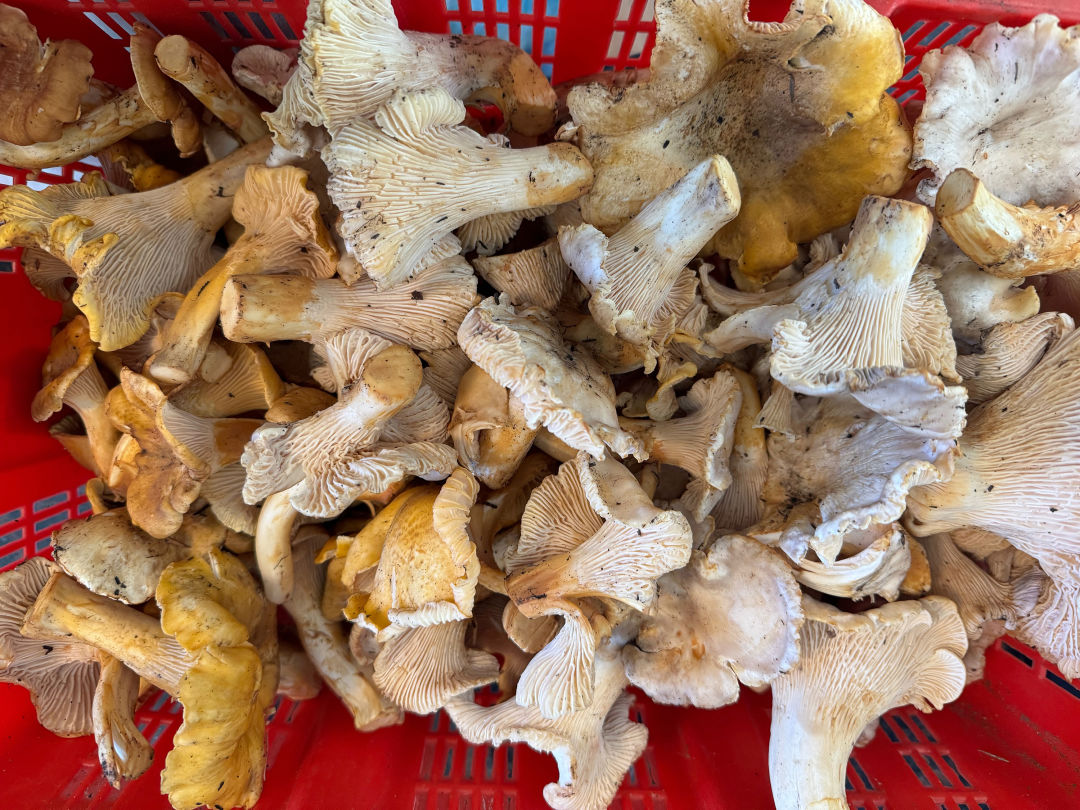
For the truly adventurous, the ultimate way to acquire mushrooms in Oregon is through foraging. The state’s vast forests, particularly in the spring and fall, are home to a stunning array of edible wild mushrooms. However, this pursuit comes with significant risks and requires expert knowledge.
Safety First: The Importance of Expertise
It cannot be stressed enough: never consume a wild mushroom unless you are 100% certain of its identification. Many poisonous mushrooms can easily be mistaken for edible varieties, leading to severe illness or even death. It is highly recommended to join guided foraging tours led by experienced mycologists or local experts. These tours are often offered by nature centers, outdoor education organizations, or specialized guiding services in areas like the Coast Range or the foothills of the Cascade Mountains.
Attending workshops or joining mycological societies can also provide the foundational knowledge needed for safe foraging. The Oregon Mycological Society is a valuable resource for enthusiasts looking to learn more about mushroom identification and ethical foraging practices. Engaging in responsible foraging offers a profound connection to Oregon’s natural environment and a unique culinary experience, but it should always be approached with the utmost respect for nature and a deep commitment to safety. This adventurous aspect adds another dimension to the tourism offerings of the state, appealing to those seeking genuine outdoor experiences.
In conclusion, Oregon offers a multifaceted approach to acquiring exceptional mushrooms, from the bustling energy of farmers markets and the curated selections at specialty stores to the convenience of online ordering and the thrilling challenge of ethical foraging. Each path provides a unique way to connect with the state’s rich natural bounty and its vibrant culinary culture.
LifeOutOfTheBox is a participant in the Amazon Services LLC Associates Program, an affiliate advertising program designed to provide a means for sites to earn advertising fees by advertising and linking to Amazon.com. Amazon, the Amazon logo, AmazonSupply, and the AmazonSupply logo are trademarks of Amazon.com, Inc. or its affiliates. As an Amazon Associate we earn affiliate commissions from qualifying purchases.