
The island of Maui, located in the heart of Hawaii, is not only a destination of breathtaking landscapes and pristine beaches but also a world-class culinary hub. For visitors to the United_States looking for an authentic taste of the Pacific Ocean, this island offers a gastronomic journey that spans from high-end oceanfront bistros to humble roadside stands. The culinary identity of Maui is defined by its “melting pot” heritage, blending traditional Polynesian techniques with influences from Japan, China, the Philippines, and Portugal. This fusion, combined with a deep commitment to sustainable agriculture and fresh-caught seafood, creates a tourism experience that is as flavorful as it is beautiful.
Coastal Excellence: Fine Dining with a View
When travelers think of dining in Hawaii, they often imagine a table overlooking the surf as the sun sets. Maui delivers this in abundance, particularly along its north and west shores. These establishments are more than just restaurants; they are institutions that have helped define Hawaii Regional Cuisine, a movement dedicated to using locally sourced ingredients from island farmers and fishermen.
Mama’s Fish House
Located on the rugged north shore near Paia, Mama’s Fish House is perhaps the most famous restaurant on the island. This family-owned landmark sits on a private cove at Kuau Cove, offering an atmosphere that feels like a step back into a more nostalgic, Polynesian era. The menu is unique in that it lists the name of the fisherman who caught each specific fish that day, ensuring an unparalleled level of transparency and freshness. Diners can expect exquisitely prepared Mahi-mahi, Ono, and Opah, often stuffed with lobster and crab or seared with Maui onions. The proximity to Ho’okipa Beach Park makes it a perfect stop after watching world-class windsurfers tackle the massive winter swells.
Merriman’s Maui
Further west in the luxury enclave of Kapalua, Merriman’s Maui offers one of the most stunning sunset views in the world. Chef Peter Merriman, a pioneer of the farm-to-table movement in Hawaii, focuses on 90% locally grown or caught ingredients. The restaurant overlooks Kapalua Bay, providing a dramatic backdrop for dishes like the Macadamia Nut Crusted Mahi-mahi or the signature Monchong. For those seeking a romantic experience, the outdoor bar and fire pit area offer a more relaxed way to enjoy the same high-quality flavors while listening to the crashing waves of the Pacific Ocean.
The Mill House
In the central valley near Waikapu, The Mill House provides a different kind of fine dining. Located within the Maui Tropical Plantation, this restaurant is surrounded by fields of sugarcane, coffee, and tropical fruits. The chefs here utilize the surrounding acreage to source heirloom vegetables and fruits, creating a seasonal menu that reflects the diversity of the island’s microclimates. The industrial-chic decor, featuring refurbished sugar mill machinery, pays homage to the agricultural history of Maui, making it a significant site for cultural tourism.
Island Comforts: Casual Local Favorites
While the fine-dining scene is spectacular, many of the most authentic flavors are found in the casual eateries frequented by residents. These spots offer a glimpse into the daily life of the islands, where “plate lunches” and “shave ice” are the stars of the show. Exploring these neighborhoods, from Kahului to Kihei, is essential for any food-focused traveler.
Star Noodle
In the historic town of Lahaina, Star Noodle has garnered a cult following for its innovative take on Asian-fusion comfort food. Known for its fresh, house-made noodles and vibrant sharing plates, this eatery serves up staples like Hapa Ramen and Garlic Noodles that have become legendary among tourists and locals alike. Despite the upscale flavors, the vibe remains decidedly unpretentious. Visitors often pair a meal here with a stroll through the galleries of Front Street or a visit to the massive Lahaina Banyan Court Park.
Da Kitchen
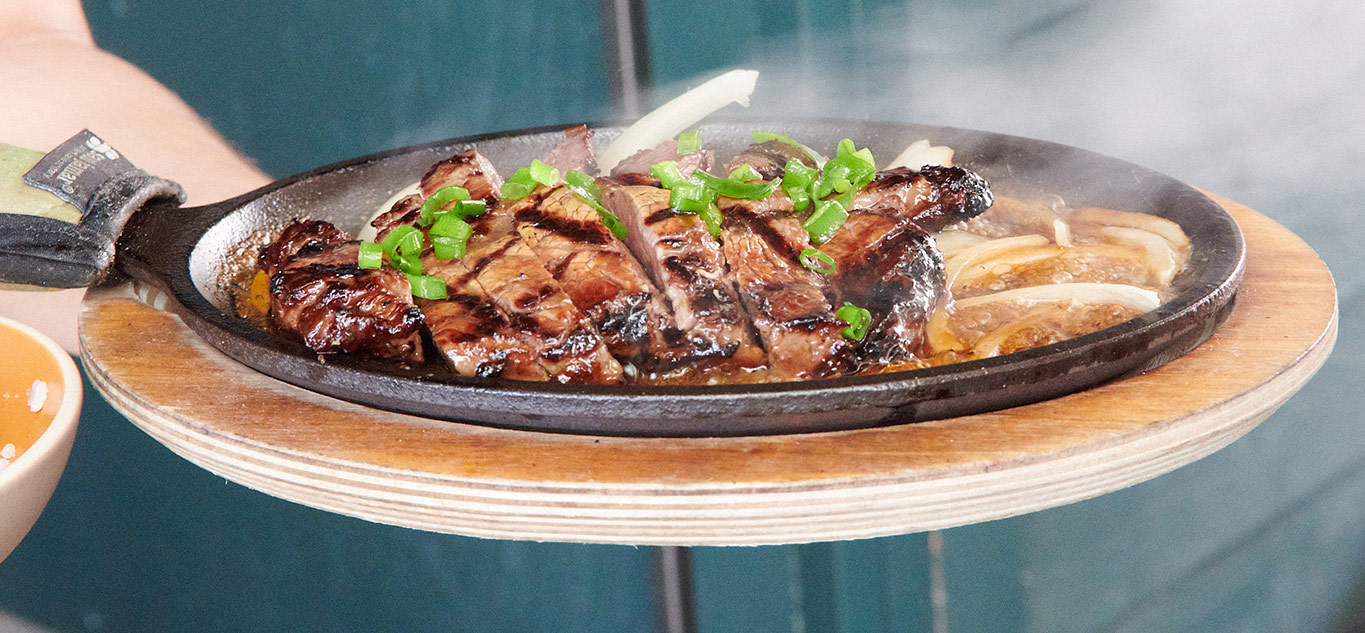
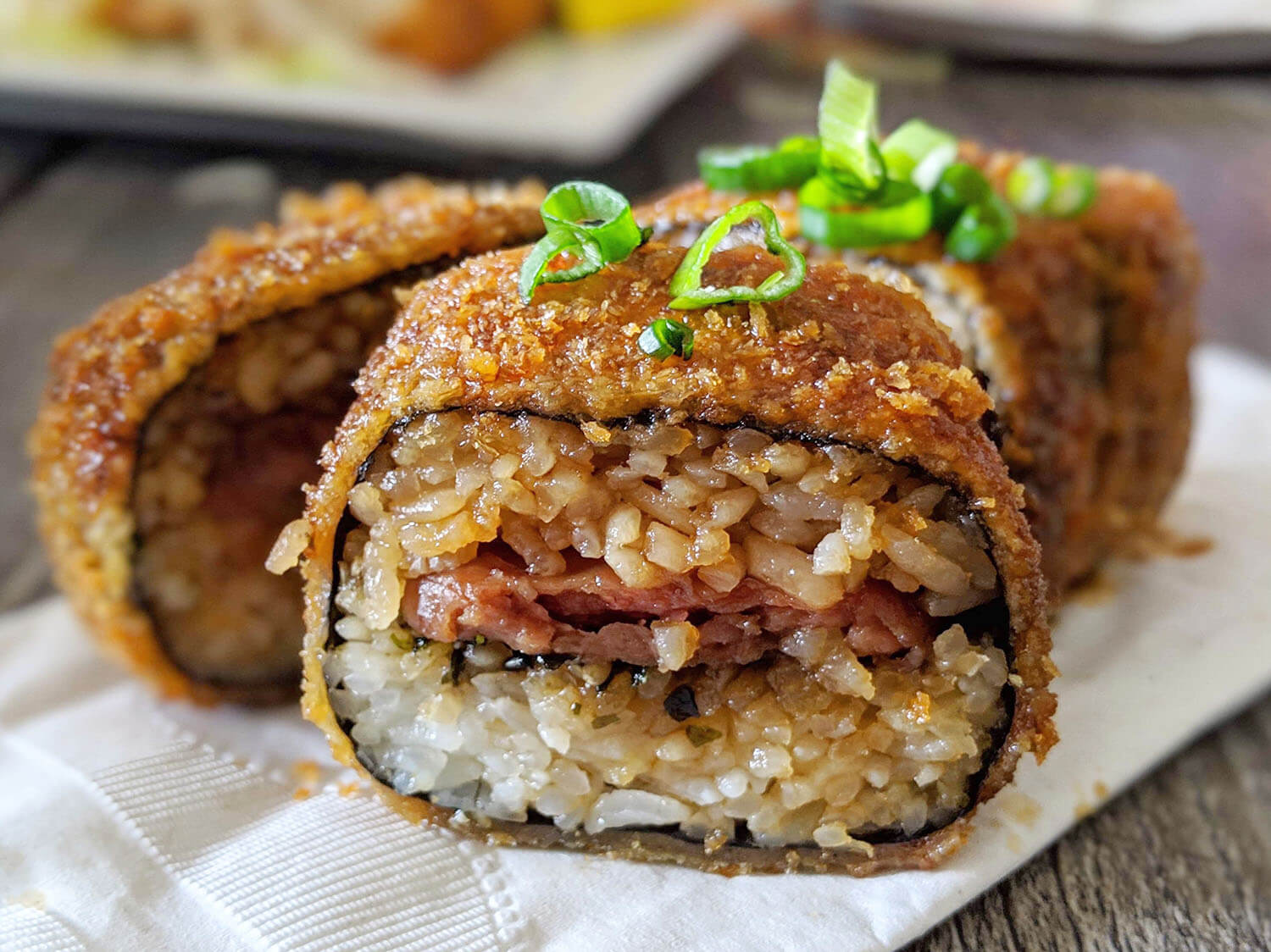
For those looking for the quintessential “Plate Lunch,” Da Kitchen in Kahului is a mandatory stop. This is where you go to experience the true scale of Hawaiian portions. A standard plate includes two scoops of white rice, a scoop of creamy macaroni salad, and a protein like Kalua Pork or Fried Spam. Their “Notorious P.O.G.” juice (Pineapple, Orange, Guava) is a local favorite, providing a sweet contrast to the savory, heavy hitters on the plate. It is a perfect, filling meal for those who have just landed at Kahului Airport or are about to embark on the Road to Hana.
Ululani’s Hawaiian Shave Ice
No culinary guide to Maui is complete without mentioning Ululani’s Hawaiian Shave Ice. With multiple locations across Kihei, Lahaina, and Kahului, this brand has perfected the art of the frozen treat. Unlike the “snow cones” found on the mainland, Hawaiian shave ice features a texture as fine as fallen snow, allowing the house-made syrups—flavored with real fruit like Lilikoi (passionfruit), Lychee, and Guava—to soak deep into the ice. Adding a “snow cap” of condensed milk or a scoop of Macadamia Nut ice cream at the bottom turns this simple snack into a gourmet experience.
Upcountry Flavors and Farm-to-Table Roots
To understand the source of Maui’s culinary wealth, one must head “Upcountry.” This region, located on the slopes of Haleakala, features a cooler climate and rich volcanic soil that supports a vast array of produce, from the famous Maui sweet onions to exotic protea flowers.
Hali’imaile General Store
Nestled in the middle of pineapple fields in Makawao, the Hali’imaile General Store is a historic building that once served plantation workers in the early 20th century. Today, under the guidance of Chef Bev Gannon, it serves as a sophisticated destination for eclectic island cuisine. The Sashimi Pizza and the Crab Pizza are standout appetizers that blend textures and flavors in unexpected ways. The restaurant’s location in Upcountry Maui offers a peaceful retreat from the busier beach towns, providing a sense of the island’s rural heart.
O’o Farm
For the ultimate farm-to-table experience, tourism enthusiasts should book a tour and lunch at O’o Farm in Kula. This is a working organic farm that provides produce for several high-end restaurants in Lahaina. Visitors can walk through the rows of greens, herbs, and coffee trees before sitting down to a multi-course meal prepared by an on-site chef using ingredients harvested just minutes prior. The panoramic views from the farm look out over the central valley toward West Maui and the Pacific Ocean, offering a literal “bird’s eye view” of the island’s food ecosystem.
The Cultural Significance of the Hawaiian Luau
In Hawaii, food is inseparable from culture, and there is no better way to experience this than by attending a traditional luau. These celebrations were historically held to commemorate significant life events and are centered around the “imu,” or underground oven.
Old Lahaina Luau
The Old Lahaina Luau is widely regarded as the most authentic cultural feast on Maui. Unlike some of the more commercialized productions, this experience focuses heavily on the history of the Hawaiian people. The evening begins with the unearthing of the Kalua Pig from the imu, where it has been slow-cooking for hours under layers of banana leaves and hot stones. The buffet features traditional staples such as Poi (pounded taro root), Lomi Lomi Salmon, and Haupia (coconut pudding). As guests dine, they are treated to hula performances that tell the stories of the islands’ migration and royal lineage.
Traditional Staples: Beyond the Feast
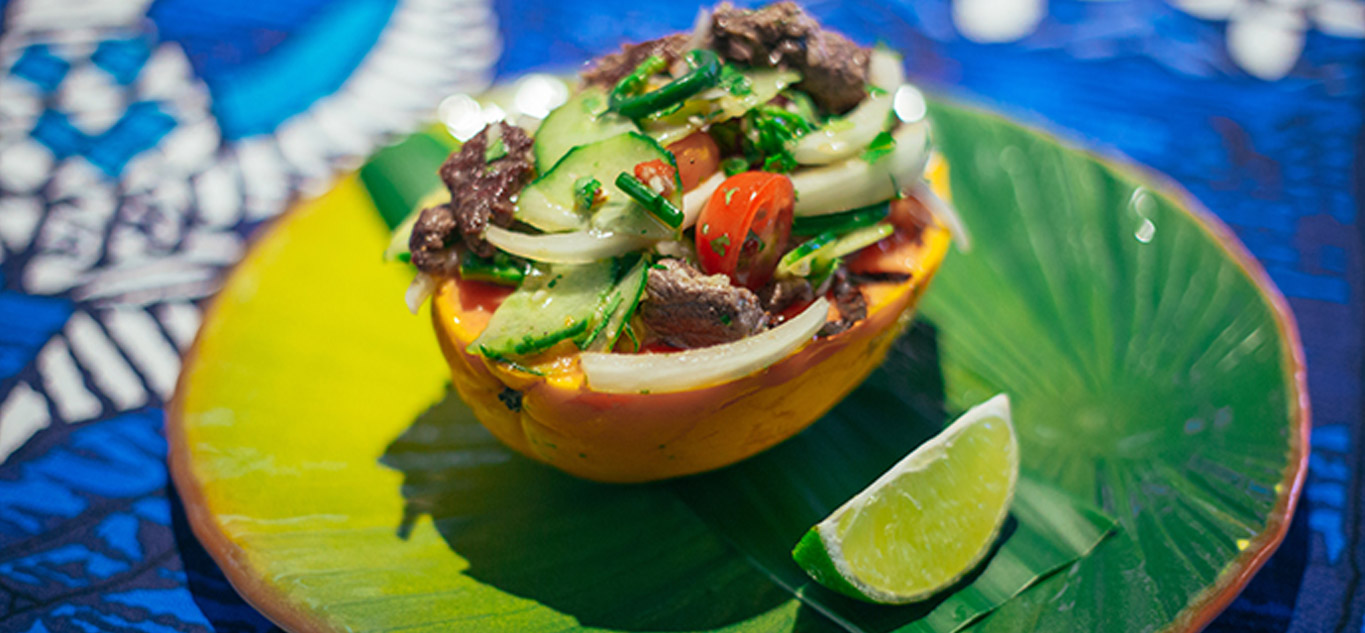
For those who want to explore traditional flavors without the full luau production, many local markets in Wailea and Honokowai offer fresh Poke. Poke, which means “to slice or cut,” is a dish of raw marinated fish (typically Ahi tuna) seasoned with soy sauce, sesame oil, and sea salt. It is the quintessential Hawaiian snack, perfect for a picnic at Kaanapali Beach or Napili Bay. Another must-try is the Malasada, a Portuguese-style doughnut without a hole, which is often filled with tropical creams like guava or coconut. Bakeries in Wailuku have perfected this treat, which arrived in Hawaii with immigrant plantation workers in the 1800s.
Tourism in Maui is fundamentally tied to the land and the sea. Whether you are enjoying a five-course meal at Monkeypod Kitchen in Wailea or grabbing a quick bite at a food truck along the Road to Hana near Hana, the island’s culinary landscape offers a deep connection to its history and people. From the volcanic heights of Haleakala National Park to the coral reefs of Molokini, the flavors of Maui are as diverse and memorable as the island itself. By seeking out these diverse dining experiences, visitors can truly appreciate the “Aloha” spirit that defines the culinary heart of Hawaii.
LifeOutOfTheBox is a participant in the Amazon Services LLC Associates Program, an affiliate advertising program designed to provide a means for sites to earn advertising fees by advertising and linking to Amazon.com. Amazon, the Amazon logo, AmazonSupply, and the AmazonSupply logo are trademarks of Amazon.com, Inc. or its affiliates. As an Amazon Associate we earn affiliate commissions from qualifying purchases.