
Florida, a state renowned for its sun-drenched beaches and vibrant aquatic life, harbors a hidden prehistoric treasure: the fossilized teeth of the colossal Megalodon shark. These ancient predators, which roamed the oceans millions of years ago, left behind a legacy etched in the very sands and sediments of the Sunshine State. For the adventurous traveler and the curious explorer, the hunt for these magnificent fossils offers a unique and thrilling dimension to a Florida vacation. This guide delves into the prime locations and methods for uncovering these prehistoric relics, transforming a beach day into an expedition into Earth’s deep past.

Unearthing the Giants: Understanding Megalodon and Their Fossils
The Megalodon, scientifically known as Otodus megalodon, was one of the largest and most powerful predators to have ever lived. This ancient shark dwarfed even the modern great white shark, with estimates suggesting lengths of up to 60 feet. Its name, meaning “big tooth,” is a testament to its most enduring legacy – its colossal fossilized teeth, which can range from the size of a human hand to over seven inches long.
These sharks lived during the Miocene and Pliocene epochs, approximately 23 to 3.6 million years ago. As apex predators, they consumed large marine animals, and their sheer abundance meant that their fossilized teeth are relatively common in certain geological formations worldwide. Florida, with its extensive coastlines and sedimentary rock layers that were once part of ancient marine environments, is a particularly rich hunting ground. The state’s unique geological history, characterized by rising and falling sea levels, has created ideal conditions for preserving these prehistoric artifacts. The teeth themselves are primarily composed of dentin, coated with a layer of enamel. Over millions of years, the organic material within the tooth is replaced by minerals from the surrounding sediment, a process known as permineralization, which turns the tooth into a fossil. The varying colors of these fossils – from black and brown to grey and even white – are a result of the specific minerals present in the sediment during the fossilization process.
Prime Fossil Hunting Grounds in Florida
Florida’s extensive coastline, particularly its Gulf Coast and Panhandle regions, is where most Megalodon tooth finds occur. These areas were once submerged under ancient seas, providing a habitat for these massive sharks and subsequently trapping their remains.
Southwest Florida’s Rich Deposits
The southwestern coast of Florida is arguably the most renowned region for Megalodon tooth hunting. The Peace River and its tributaries are legendary for yielding a significant number of Megalodon fossils. This is not just a beachcombing activity; many dedicated fossil hunters explore the riverbeds themselves.
- The Peace River: This vital waterway flows through counties like DeSoto, Hardee, and Charlotte. The fossilized material here is often dredged from the riverbed or washed ashore after storms. The sediment layers exposed along the riverbanks and in the shallower parts of the river are rich with marine fossils from various geological periods.
- Boca Grande Pass: Located at the mouth of the Peace River, this area is known for its excellent fossil deposits. The currents here can concentrate fossils, making it a rewarding spot for those willing to explore by boat or kayak.
- Venice Beach: Often dubbed the “Shark Tooth Capital of the World,” Venice Beach offers a more accessible fossil hunting experience. While many teeth found here are from smaller, more recent shark species, Megalodon teeth, though rarer, do surface. The key is to look for larger, darker, and more robust teeth, often deeper in the sand. The sandy shores and shallow waters provide a good starting point for beginners.
- Cormorant Point: Another popular spot in the Venice area, known for its fossil-bearing sands.
The Panhandle’s Ancient Shores
The Panhandle region of Florida also boasts fossil-rich areas, influenced by its own geological past and proximity to ancient coastlines.
- Chattahoochee River: Similar to the Peace River, the Chattahoochee River in the Florida Panhandle offers opportunities for fossil discovery. While perhaps less famous than its southwestern counterpart, the riverbed and its banks can yield various fossilized marine life, including shark teeth.
- Escambia County: Areas around Pensacola, particularly along the coast and in estuarine environments, have been known to produce fossil finds. The geological makeup of this region suggests a history of marine inundation, making it a plausible area for Megalodon remnants.
- Bay County: Beaches and shallow waters in Bay County, near Panama City, have also been reported as sites where fossilized shark teeth, including those of the Megalodon, can be found.
Other Coastal Regions
While the southwest and Panhandle are hotspots, other coastal areas should not be entirely dismissed. Storms and strong currents can relocate fossils, bringing them to unexpected shores. Always keep an eye on the beach after significant weather events.
The Art of Fossil Hunting: Techniques and Tips
Finding a Megalodon tooth is not merely a matter of luck; it involves understanding the geological context and employing effective search strategies.
Beachcombing and Sifting
The simplest method for the casual beachgoer is beachcombing. After storms or periods of high surf, the tides can churn up the seabed and deposit new material onto the shore.
- Timing: The best times to search are after a significant storm or during low tide, especially on a receding tide. This exposes freshly deposited sediment.
- Location on the Beach: Focus on the “high tide line” where debris and shells accumulate, and also in the wet sand near the water’s edge where new material is constantly being uncovered.
- Sifting: For more serious enthusiasts, a good quality fossil sifter (a screen with mesh sizes appropriate for the expected fossil size) is invaluable. Sifting through the sand, especially in areas known for fossil deposits, can reveal smaller but significant finds that might be missed by the naked eye.
Riverbed Exploration
Exploring riverbeds, particularly the Peace River, offers a more direct approach to finding fossils. This often requires wading, snorkeling, or even diving in certain areas.
- Equipment: Waders are essential for staying dry and comfortable. A bucket or collection bag is needed to store finds. A small trowel or even a specialized fossil scoop can help uncover teeth buried in the sediment.
- Safety: Always be aware of currents, water depth, and submerged obstacles. It’s advisable to go with a partner and inform someone of your plans.
- Focus Areas: Look for darker, heavier sediment layers, as these are often indicative of older deposits where fossils are more likely to be found. The bends in the river can also be good spots as they often have accumulated sediment.
Understanding the Fossils
Distinguishing a Megalodon tooth from other shark teeth is crucial.
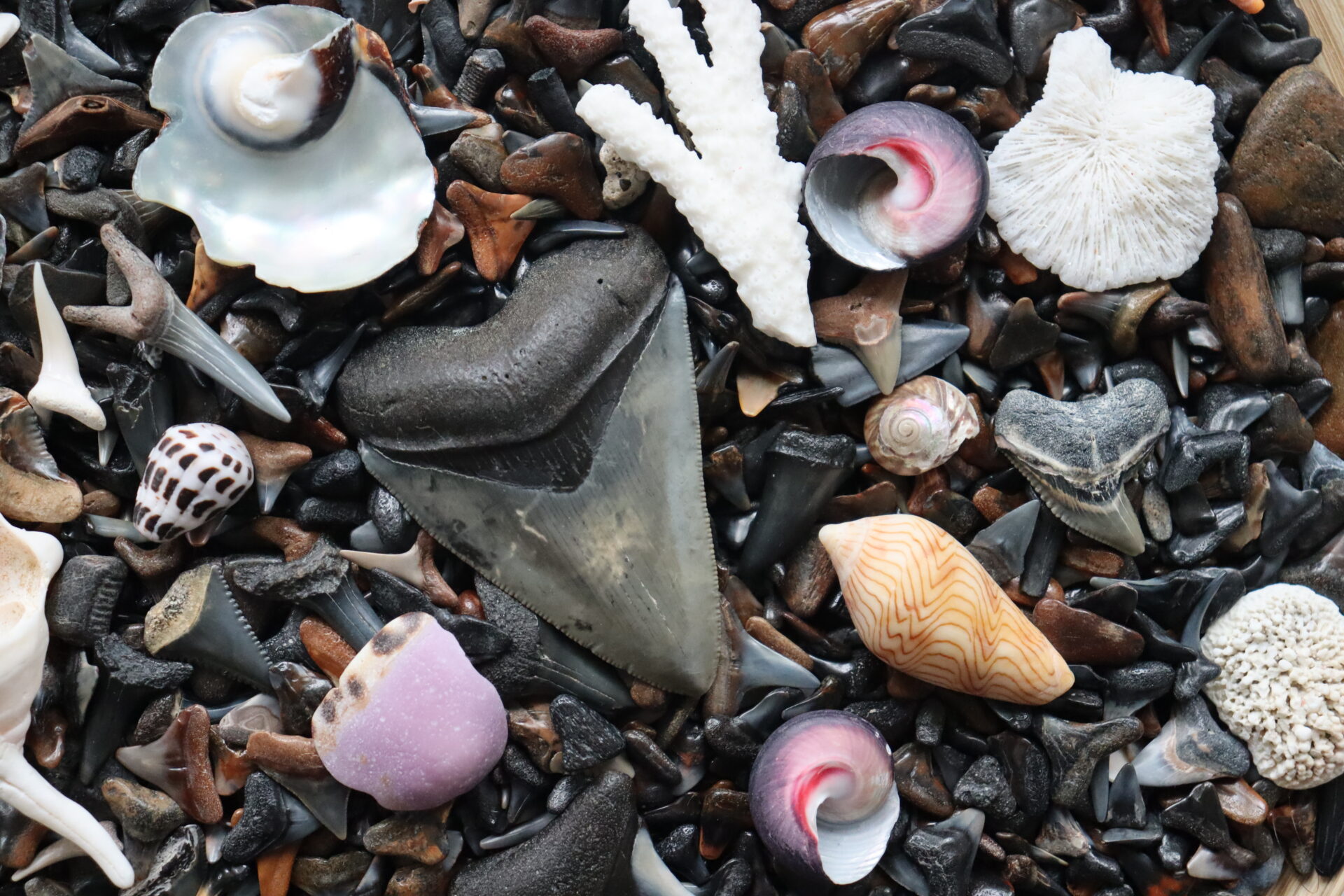
- Size: Megalodon teeth are significantly larger than most modern shark teeth, typically exceeding 2 inches in length.
- Shape: They have a distinct triangular shape with a serrated edge, designed for shearing flesh.
- Color: While color varies, a dark brown, black, or grey hue is common due to mineralization.
- Root and Crown: Examine the tooth for its crown (the visible biting edge) and the root (the part that anchored it in the jaw). The root lobes are typically well-defined.
Legal and Ethical Considerations
While Florida offers abundant opportunities for fossil hunting, it’s important to be aware of the regulations and practice responsible collection.
Permitting and Regulations
- Public Lands: On most public beaches and waterways, casual collecting for personal use is generally permitted. However, always check local regulations for specific areas. Some state parks or protected areas may have restrictions.
- Private Property: Collecting on private property requires explicit permission from the landowner.
- Commercial Collecting: Large-scale or commercial fossil collection often requires specific permits and may be subject to stricter rules.
- Reporting Significant Finds: While not always legally mandated for individuals, reporting exceptionally rare or significant fossil discoveries to a local museum or paleontological society can contribute to scientific understanding.
Responsible Collecting Practices
- Leave No Trace: Minimize your impact on the environment. Avoid disturbing sensitive habitats or leaving behind trash.
- Respect the Resource: Take only what you can reasonably use or appreciate. Avoid damaging fossil beds by over-collecting or careless excavation.
- Education: The true reward of fossil hunting is the connection to the past and the educational opportunity it provides. Share your knowledge and enthusiasm with others.
Beyond the Tooth: Experiencing Florida’s Paleontological Heritage
The pursuit of Megalodon teeth can be integrated into a broader exploration of Florida’s natural and historical attractions.
Educational Opportunities
- Museums: Many Florida museums feature impressive fossil collections, including Megalodon teeth, offering context and a deeper understanding of prehistoric life. The Florida Museum of Natural History in Gainesville is a premier institution for such exhibits.
- Paleontology Tours: Several operators offer guided fossil hunting tours, particularly along the Peace River. These tours provide expert guidance, equipment, and insights into the best locations and techniques.

Integrating Fossil Hunting into Your Trip
A fossil-hunting expedition can be a perfect addition to a Florida vacation, offering a unique activity for families, couples, or solo adventurers. Combine a day of sifting on Venice Beach with an afternoon exploring the historic downtown area, or embark on a guided river tour followed by a relaxing evening in a charming coastal town.
The allure of finding a Megalodon tooth is the tangible connection to a lost world. It transforms a simple beach visit into an archaeological adventure, a quest for a relic from an era when giants ruled the seas. Florida, with its accessible coastlines and rich fossil record, provides an unparalleled opportunity for this exhilarating pursuit. So, pack your sifter, a keen eye, and an adventurous spirit, and embark on your own quest to unearth the mighty Megalodon’s ancient smile.
LifeOutOfTheBox is a participant in the Amazon Services LLC Associates Program, an affiliate advertising program designed to provide a means for sites to earn advertising fees by advertising and linking to Amazon.com. Amazon, the Amazon logo, AmazonSupply, and the AmazonSupply logo are trademarks of Amazon.com, Inc. or its affiliates. As an Amazon Associate we earn affiliate commissions from qualifying purchases.