
Obtaining a driver’s license in Florida is often a primary objective for those who have recently relocated to the Sunshine State or for long-term international visitors looking to explore the vast reaches of the United States by car. Whether you are aiming to navigate the bustling streets of Miami or take a scenic drive through the Everglades National Park, understanding the logistics of where and how to secure your credentials is the first step toward true mobility. In Florida, the process is managed by a specific state agency, but the actual physical locations can vary depending on your specific county and the type of service you require.
Navigating the Florida Department of Highway Safety and Motor Vehicles
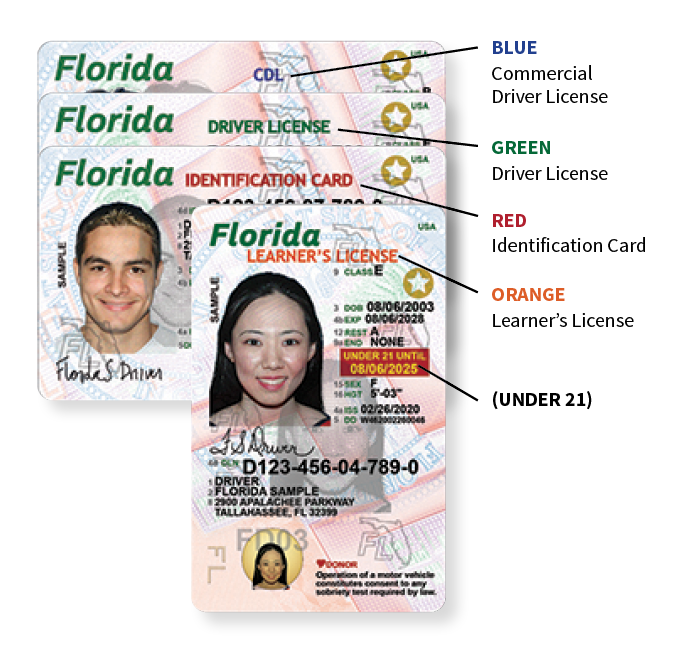
The central authority for all licensing matters is the Florida Department of Highway Safety and Motor Vehicles, commonly abbreviated as the FLHSMV. This agency oversees the issuance of driver’s licenses, motor vehicle titles, and registrations. However, for most residents and visitors, the primary point of contact is the local service center.
State-Run Service Centers vs. Tax Collector Offices
In many states, the “DMV” is a single entity. In Florida, the system is a bit more nuanced. In larger metropolitan areas like Jacksonville and Tallahassee, you may find state-run FLHSMV offices. However, in the vast majority of Florida’s 67 counties, driver’s license services are handled by the local County Tax Collector.
For instance, if you are staying in Orlando, you will likely visit a branch of the Orange County Tax Collector. Similarly, those living near the Gulf Coast would look for the Hillsborough County Tax Collector in Tampa or the Pinellas County Tax Collector if they are closer to St. Petersburg. These offices are authorized to perform the same functions as state offices, including vision tests, written exams, and road skills tests.
Making an Appointment and Utilizing Online Portals
One of the most important tips for navigating the Florida licensing system is the necessity of an appointment. Since the pandemic, almost all service centers—from Fort Lauderdale to Pensacola—require applicants to schedule their visit in advance via an online booking system. Walk-ins are rarely accepted and often result in long wait times or being turned away.
For those who already hold a license and simply need to update an address or renew a standard credential, the MyDMV Portal allows for many transactions to be completed without ever stepping foot in an office. This is particularly useful for busy professionals or tourists staying in areas like South Beach who would rather spend their time at the shore than in a government building.
Required Documentation for International and Out-of-State Visitors
The Florida “GatherGoGet” initiative was designed to help applicants understand the strict documentation requirements mandated by the federal REAL ID Act. Whether you are applying at an office in Sarasota or Boca Raton, the documents required are standardized.
Primary Identification and Legal Presence
For citizens of the United States, a valid U.S. Passport or an original birth certificate is required. For international visitors, the requirements are more extensive. You must provide a valid passport along with proof of legal presence, such as an I-94 form, a permanent resident card (Green Card), or a valid employment authorization document.
If you are a visitor from Canada, Germany, or the United Kingdom, ensure that your visa status allows for the issuance of a driver’s license. Some temporary visas grant a license only for the duration of the stay. It is essential to bring original documents; photocopies are generally not accepted at offices in Fort Myers or Daytona Beach.
Social Security and Proof of Residency
The second pillar of documentation involves your Social Security number. You must provide your original Social Security card or a W-2 form that displays the full number. If you are not eligible for a Social Security number, you may need to provide a letter of ineligibility from the Social Security Administration.
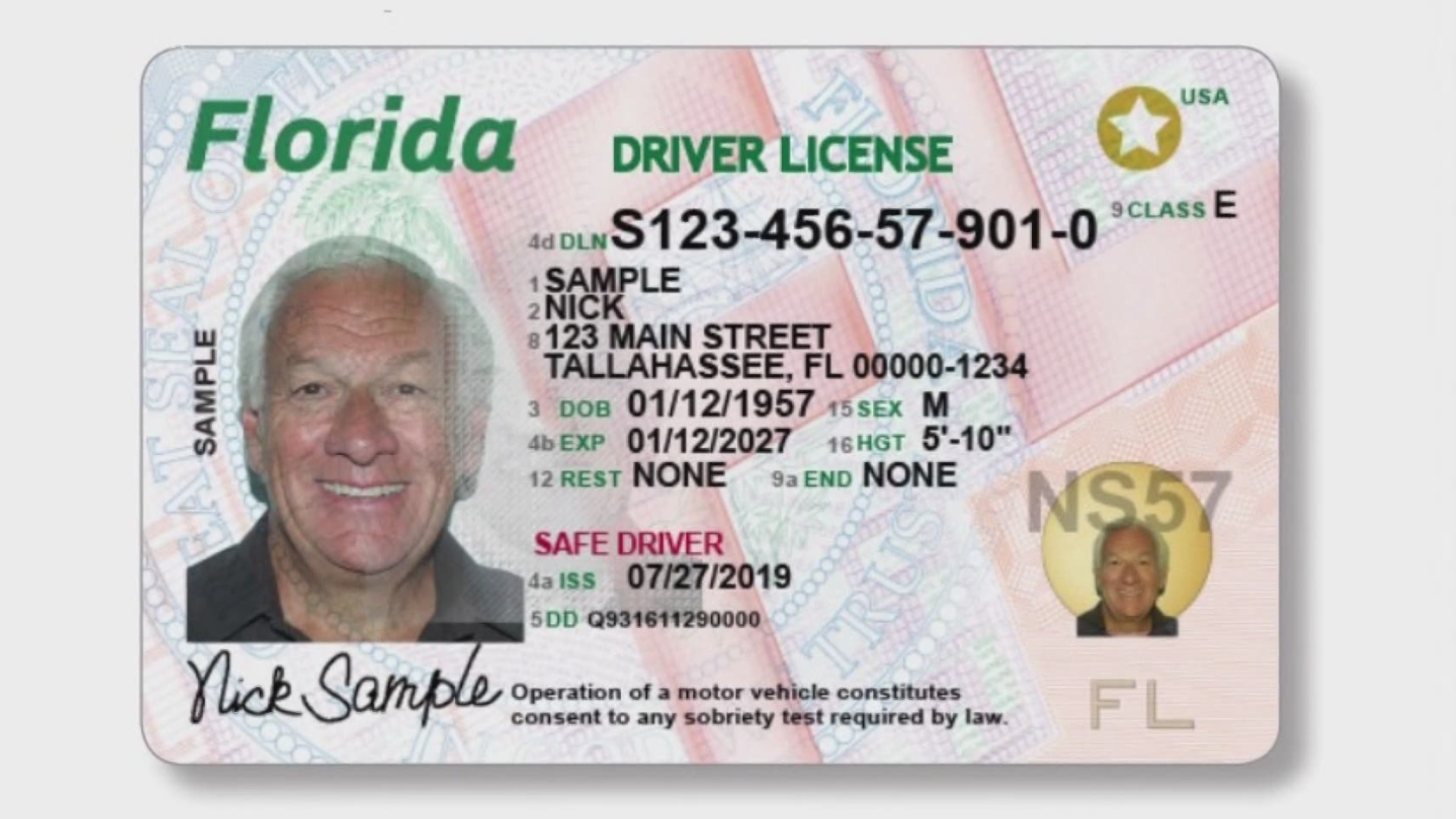
Finally, you must prove that you are a resident of Florida. This requires two different documents showing your residential address. Common examples used by newcomers in Naples or West Palm Beach include a utility bill, a lease agreement, or a Florida vehicle registration. If you are staying in temporary housing or with a relative, you may need to provide a Certification of Address form signed by the primary resident.
The Testing Process: Knowledge, Vision, and Skill
Once you have located the correct office in a city like Gainesville or Lakeland and gathered your papers, you must pass a series of evaluations.
The Class E Knowledge Exam
Most first-time applicants must pass the Class E Knowledge Exam. This test covers Florida traffic laws and road signs. It consists of 50 multiple-choice questions, and you must answer at least 40 correctly to pass. While many young residents take this test through their high schools or online providers like Florida Virtual School, adults and international transfers often take it at the service center.
The Florida Driver License Handbook is the primary resource for study. It is available in several languages, reflecting the multicultural diversity of regions like Doral and Hialeah. Understanding specific rules, such as the move-over law and right-on-red regulations, is critical for success.
The Driving Skills Test
The practical portion of the exam—the road test—is where many applicants feel the most pressure. During this test, an examiner will accompany you in your vehicle to ensure you can safely operate a car on public roads. You will be tested on your ability to perform a three-point turn, park in a standard space, and obey all traffic signals.
In some high-traffic areas like Coral Gables, the testing routes can be challenging due to congestion. Conversely, taking the test in a smaller town like Ocala or Titusville might offer a slightly more relaxed environment. Regardless of the location, your vehicle must be in good working order, with functioning lights, signals, and brakes, and you must provide proof of Florida insurance.
Integrating Your License into the Florida Lifestyle
Obtaining your license is not just an administrative hurdle; it is the key to experiencing the rich tourism and culture of the state. With a Florida driver’s license in hand, the entire peninsula becomes accessible.
Exploring Famous Landmarks and Natural Wonders
Having the ability to drive means you can easily visit world-renowned attractions without relying on limited public transportation. From the magic of Walt Disney World and Universal Studios Florida in Central Florida to the historic charm of St. Augustine, a car is essential.
A popular route for many new license holders is the drive down the Overseas Highway to the Florida Keys. This stunning journey takes you across dozens of bridges, including the famous Seven Mile Bridge, eventually leading you to the southernmost point in Key West. Without a personal vehicle and a valid license, experiencing the sunset at Mallory Square or exploring the Dry Tortugas National Park ferry terminal becomes significantly more complicated.
Discovering Hidden Gems and Cultural Hubs
Beyond the major tourist traps, a license allows you to explore the local culture of Florida. You might find yourself driving to the Kennedy Space Center on the Space Coast to witness a rocket launch, or heading to Clearwater Beach for some of the best white-sand coastlines in the country.
For those interested in the arts and history, a drive to the Ringling Museum of Art in Sarasota or the Vizcaya Museum and Gardens in Coconut Grove offers a deep dive into the state’s Gilded Age history. The license serves as your “passport” to the local lifestyle, allowing you to stop at roadside citrus stands, visit spring-fed parks like Ichetucknee Springs State Park, and participate in the unique coastal traditions that define the state.
In summary, while the question of “where to get a Florida driver’s license” has a logistical answer—the local Tax Collector or FLHSMV office—the broader answer is that it is the starting point for a life of exploration. By following the documentation rules in Miami-Dade County, Broward County, or Palm Beach County, and passing the required tests, you unlock the ability to traverse one of the most diverse and beautiful states in the United States. From the panhandle to the keys, the road is yours to discover.
LifeOutOfTheBox is a participant in the Amazon Services LLC Associates Program, an affiliate advertising program designed to provide a means for sites to earn advertising fees by advertising and linking to Amazon.com. Amazon, the Amazon logo, AmazonSupply, and the AmazonSupply logo are trademarks of Amazon.com, Inc. or its affiliates. As an Amazon Associate we earn affiliate commissions from qualifying purchases.