
While Las Vegas is globally renowned for its vibrant nightlife, world-class casinos, and luxury entertainment, it also serves as a premier gateway to some of the most breathtaking landscapes and cultural sites in North America. Located in the heart of the Mojave Desert, this Nevada hub offers travelers the unique opportunity to transition from the high-energy atmosphere of The Strip to the serene silence of ancient canyons and towering mountains within just a few hours. Whether you are seeking a rugged outdoor adventure, a historical exploration, or a scenic road trip, the regions surrounding this desert oasis cater to every traveler’s whim.
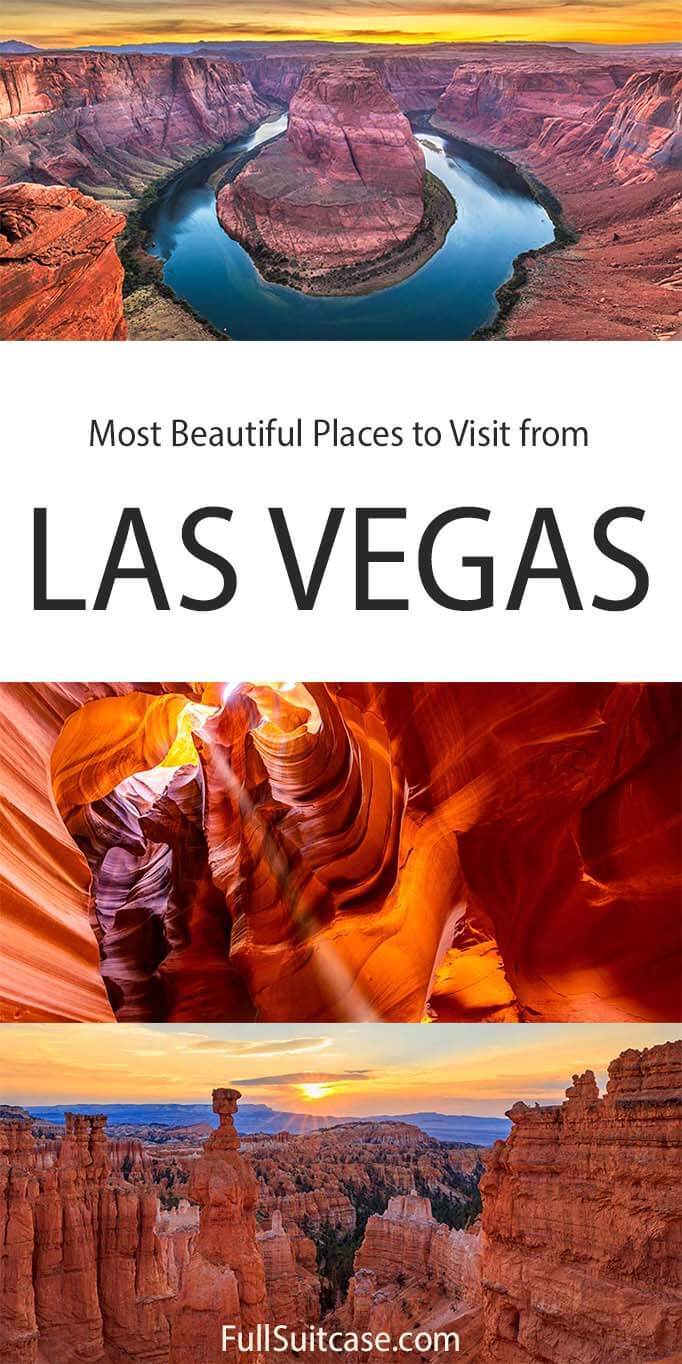
Natural Wonders and Iconic National Parks
The American Southwest is home to a concentration of geological marvels that are easily accessible from the city. These destinations offer a stark contrast to the neon lights, providing visitors with a sense of scale and timelessness that only nature can provide.
The Majestic Grand Canyon
Perhaps the most famous excursion from the city is a trip to Grand Canyon National Park. Located in Arizona, this UNESCO World Heritage Site is a testament to the power of the Colorado River. Travelers often choose between the West Rim and the South Rim. The West Rim, managed by the Hualapai Tribe, is home to the Grand Canyon Skywalk, a glass-bottomed bridge that extends over the canyon’s edge. For those looking for the classic vistas depicted in postcards, the South Rim offers iconic viewpoints such as Mather Point and Yavapai Observation Station.
Red Rock Canyon National Conservation Area
For those with limited time, Red Rock Canyon National Conservation Area is situated just 15 miles west of the city. This area is defined by its massive red sandstone peaks and the Keystone Thrust fault. Visitors can enjoy a 13-mile scenic drive, which offers numerous pull-outs for photography and access to hiking trails like Calico Tanks or Ice Box Canyon. It is an ideal spot for rock climbing, bird watching, and experiencing the flora and fauna of the Mojave Desert.
Valley of Fire State Park
Heading northeast, travelers will encounter Valley of Fire State Park, Nevada’s oldest state park. Known for its brilliant red Aztec sandstone formations that appear to be on fire when reflecting the sun’s rays, the park is a treasure trove of ancient history. Visitors can view 2,000-year-old petroglyphs carved into the rocks by Ancestral Puebloans at sites like Atlatl Rock. Don’t miss the Fire Wave, a striped sandstone formation that has become a favorite for photographers.
Engineering Marvels and Historic Landmarks
The history of the region is deeply tied to the taming of the wilderness and the development of the American West. Several landmarks near the city provide insight into the ingenuity and determination of the 20th century.
Hoover Dam and Lake Mead
A mere 45-minute drive leads to Hoover Dam, an architectural masterpiece of the Great Depression era. Spanning the Black Canyon between Nevada and Arizona, this massive concrete structure regulates the Colorado River and provides hydroelectric power to the region. Walking across the Mike O’Callaghan-Pat Tillman Memorial Bridge offers a spectacular bird’s-eye view of the dam. Adjacent to the dam is Lake Mead National Recreation Area, the largest reservoir in the United States by volume, perfect for boating, fishing, and kayaking.
Boulder City
Unlike the rest of Nevada, Boulder City is one of only two cities in the state that prohibits gambling. Originally built to house workers for the Hoover Dam, it retains a charming, vintage feel. The Boulder City Historic District features Art Deco architecture, boutique shops, and the Nevada State Railroad Museum. It serves as a peaceful retreat and a historical touchstone for those interested in the industrial heritage of the area.
Seven Magic Mountains

For a modern artistic experience, Seven Magic Mountains is a large-scale public art installation located south of the city. Created by Swiss artist Ugo Rondinone, the site features seven towers of colorful, stacked boulders standing more than thirty feet high. It offers a striking visual contrast against the muted tones of the Ivanpah Valley and has become a must-see destination for those traveling along Interstate 15.
Desert Escapes and Specialized Terrains
The diversity of the desert landscape is often underestimated. From the lowest points in the western hemisphere to high-altitude alpine forests, the variety of travel experiences within a short radius is staggering.
Death Valley National Park
Crossing the border into California, travelers find themselves in Death Valley National Park. Known as the hottest, driest, and lowest National Park in the country, it is a land of extremes. Badwater Basin, located 282 feet below sea level, features expansive salt flats that create an otherworldly atmosphere. Other highlights include the vibrant colors of Artist’s Drive, the panoramic views from Zabriskie Point, and the towering Mesquite Flat Sand Dunes. Due to the extreme heat, this destination is best explored during the cooler months from October to April.
Mount Charleston
If the desert heat becomes too intense, Mount Charleston, part of the Spring Mountains National Recreation Area, provides a refreshing escape. With elevations reaching nearly 12,000 feet, the area is often 20 to 30 degrees cooler than the valley floor. During the winter, Lee Canyon offers skiing and snowboarding, while the summer months are perfect for hiking among ancient Bristlecone Pines. The Mary Jane Falls trail is a popular choice for those looking for mountain scenery and seasonal waterfalls.
Joshua Tree National Park
While a bit further of a drive, Joshua Tree National Park in California is an iconic destination where the Mojave Desert meets the Colorado Desert. The park is famous for its twisted, bristly Joshua Trees and massive granite boulders. It is a haven for hikers, rock climbers, and stargazers. Locations like Skull Rock and Keys View, which provides views of the San Andreas Fault, make it a worthwhile day trip or overnight excursion for nature lovers.
Regional Hubs and Extended Road Trips
Using the city as a base camp allows for ambitious multi-day journeys into neighboring states, where the geography shifts from desert floor to high plateaus and river valleys.
Zion National Park and Southern Utah
A two-and-a-half-hour drive northeast brings travelers to Zion National Park in Utah. This park is characterized by the massive cream, pink, and red sandstone cliffs of Zion Canyon. Adventurous travelers can tackle the steep climb to Angels Landing for a breathtaking perspective of the valley or hike through The Narrows, where the Virgin River flows between towering canyon walls. For those with even more time, Bryce Canyon National Park is another two hours further, famous for its unique “hoodoos”—spire-shaped rock formations.
Sedona and the Red Rocks of Arizona
Southward into Arizona lies Sedona, a town surrounded by stunning red-rock buttes and steep canyon walls. Sedona is widely known for its vibrant arts community and its perceived spiritual vortexes. Travelers can explore the Red Rock Scenic Byway, visit the Chapel of the Holy Cross built into the mountainside, or hike the Devil’s Bridge Trail. The area offers a mix of luxury spas, boutique shopping, and rugged outdoor activity, making it a versatile travel destination.

Laughlin and the Colorado River
For a different kind of waterfront experience, Laughlin is situated on the southern tip of Nevada along the Colorado River. It offers a more relaxed gaming and resort atmosphere compared to its northern neighbor. The river itself is the main attraction, with opportunities for jet skiing, river cruises, and fishing. Across the river lies Bullhead City, Arizona, providing access to Lake Mohave and the Davis Dam. It is an excellent spot for families or those looking for water-based recreation in a desert setting.
The area surrounding Las Vegas is far more than just an extension of the casino floor. It is a region of immense geological diversity and historical significance. By venturing beyond the city limits, travelers can experience the true spirit of the American Southwest, discovering that the journey away from the bright lights is often just as rewarding as the destination itself. Whether you find yourself standing on the rim of the Grand Canyon or walking through the silent salt flats of Death Valley, these destinations provide a profound sense of wonder that complements any travel itinerary.
LifeOutOfTheBox is a participant in the Amazon Services LLC Associates Program, an affiliate advertising program designed to provide a means for sites to earn advertising fees by advertising and linking to Amazon.com. Amazon, the Amazon logo, AmazonSupply, and the AmazonSupply logo are trademarks of Amazon.com, Inc. or its affiliates. As an Amazon Associate we earn affiliate commissions from qualifying purchases.