
The guest experience in the hospitality industry is often defined by the seamless comfort of a well-maintained room. While travelers interact frequently with the front desk or the concierge, the housekeeping staff remains the unsung backbone of any successful stay. These dedicated professionals ensure that your suite at the Marriott or your boutique room in Paris is a sanctuary of cleanliness and order. However, one of the most common dilemmas for travelers is the etiquette of gratuity. Specifically, where should you leave a tip for hotel housekeeping to ensure it is found, recognized, and appreciated? Understanding the nuances of hotel etiquette not only ensures your gratitude reaches the right hands but also enhances the professional relationship between guest and staff.
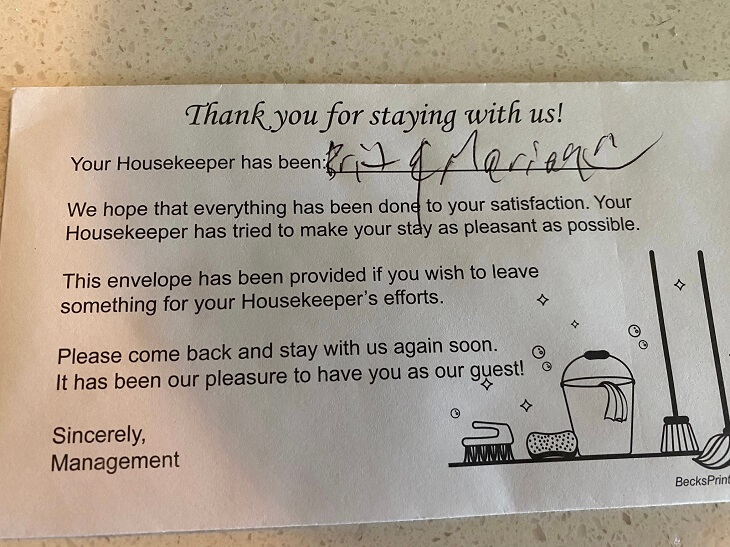
Strategic Placement: Ensuring the Right Person Receives the Tip
The primary concern when leaving a tip is visibility. Housekeeping staff are trained to be extremely careful about touching a guest’s personal belongings or money left lying around. To a housekeeper, a five-dollar bill on a cluttered desk might simply be part of the guest’s pocket change. Therefore, placement is the most critical factor in ensuring your tip is collected.
The Desk or Nightstand
The most traditional and effective place to leave a tip is on the desk or the nightstand. These surfaces are typically cleared of clutter during a daily cleaning, making a stack of bills or a single note stand out. If you are staying at a luxury property like the Four Seasons or the Bellagio Hotel in Las Vegas, you will often find a stationary set or a notepad provided by the hotel. Using this paper to write a brief “Thank You” and placing the cash on top of it is the gold standard for clarity. It removes any ambiguity, signaling to the staff that the money is intended for them and is not a forgotten item.
The “Pillow Method”
Another widely recognized location is the pillow. Since changing the linens is a core task of the housekeeping routine, placing a tip on top of a freshly made bed or tucked under a pillow is a clear signal. This method is particularly common in North America. When the staff member goes to strip the bed or straighten the duvet, the tip is immediately visible. However, if you choose this method, ensure the money is not so deeply tucked that it could be lost in the laundry when the sheets are bundled up.
The Power of a Written Note
Regardless of where you leave the money, a written note is the most professional way to handle gratuity. In many high-end establishments throughout London or New York City, housekeeping staff are held to strict integrity standards. Some employees may be hesitant to take money if there is any doubt about its purpose. A simple note that says “Thank you, Housekeeping” or “For the Room Attendant” ensures there are no misunderstandings and allows the employee to collect their tip with confidence.
Timing and Frequency: The Logistics of Gratuity
When it comes to tipping in the hotel industry, timing is just as important as the location. Many guests wait until the end of their stay to leave a lump sum. While this may seem convenient, it is often not the most effective way to reward the individuals who actually cleaned your room.
Why Daily Tipping is Superior
In the world of professional hospitality, staffing schedules are rarely static. The person who cleans your room at the Hilton on Monday may not be the same person who services it on Wednesday. Housekeeping departments often operate on rotating shifts to ensure 24/7 coverage and to prevent burnout. If you leave a large tip only on the final day of a week-long stay in Los Angeles, the employee who worked the hardest during the first six days may miss out entirely. By tipping daily, you ensure that the person responsible for your comfort that specific day receives the immediate benefit of your generosity.
End-of-Stay Tipping Nuances
If you find yourself at a long-term stay residence or a small bed-and-breakfast in Italy where the same individual is clearly assigned to your room for the duration, an end-of-stay tip is acceptable. However, in large resorts like the Grand Hyatt Hotel or sprawling complexes in Dubai, the daily approach remains the professional recommendation. This practice also tends to result in a higher level of personalized service, as the staff recognizes your appreciation early in the stay.
Global Perspectives on Hotel Gratuity
Tipping culture varies significantly across the globe. What is considered standard in Chicago may be viewed as confusing or even offensive in Tokyo. As a global traveler, it is essential to align your tipping habits with the local culture of your destination.
Tipping Standards in North America
In the United States and Canada, tipping is a deeply ingrained part of the service economy. Housekeeping staff in these regions often rely on tips to supplement their wages. Whether you are staying at a budget-friendly motel or a high-rise in Miami, the standard is generally between $3 and $10 per night, depending on the level of luxury and the amount of “mess” left behind. In cities like San Francisco, where the cost of living is exceptionally high, leaning toward the higher end of that scale is a kind and professional gesture.
Cultural Nuances in Europe and Asia
In many parts of Europe, such as France or Germany, a service charge is often included in the bill, and while tips are appreciated, they are not as strictly expected as they are in the United States. A few euros left on the desk is considered a polite “extra.”
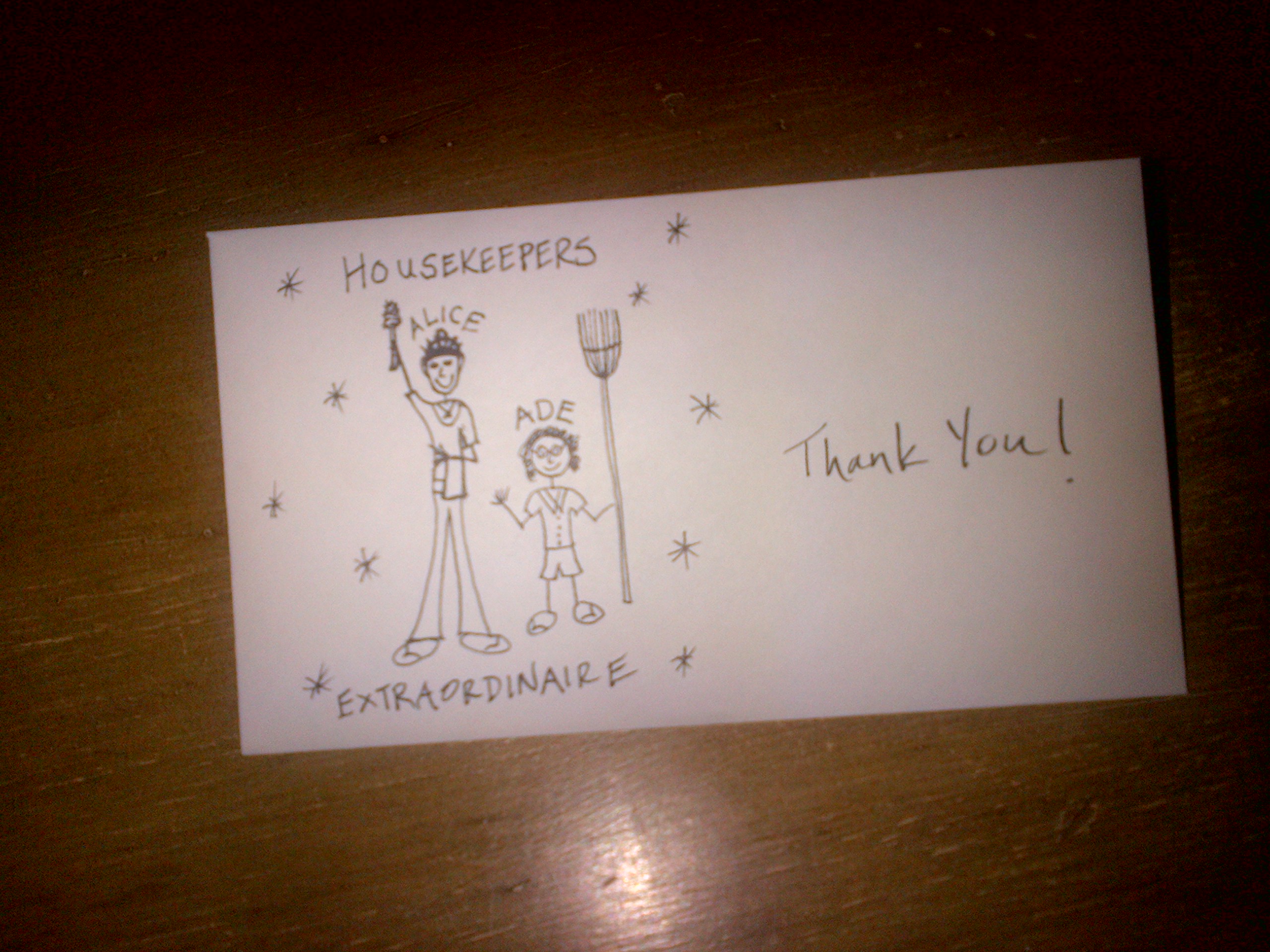
Contrastingly, in Japan, tipping can be a complex issue. In traditional Japanese culture, providing excellent service is a point of pride and is included in the price of the room. Leaving cash out in the open might result in a housekeeper chasing you down the hall to return the “forgotten” money. If you truly wish to show gratitude in Japan, it is best to place the money in a clean, decorated envelope (known as a pochi bukuro) and hand it directly to the person or leave it with a very clear note. However, in many cases, a heartfelt written thank-you note is valued more than cash.
Calculating the Amount: Factors to Consider
Determining how much to leave depends on several factors, including the type of accommodation and the specific circumstances of your stay. A guest staying at the Burj Al Arab will likely have different expectations than someone staying at a roadside inn in Texas.
Room Size and Level of Service
The more complex the room, the more work is required to maintain it. A multi-bedroom villa at a resort in Mexico requires significantly more labor than a standard king room. If you are staying in a suite that includes a kitchenette, multiple bathrooms, or a balcony, your tip should reflect the additional time the housekeeper must spend to return the room to its pristine state. For large suites, a daily tip of $10 to $20 is appropriate.
Special Requests and Extra Efforts
Professionalism in the hotel industry often involves going above and beyond for the guest. Did the housekeeping staff provide extra towels every day without being asked? Did they organize your charging cables or leave a treat for your pet? If you requested extra pillows, late-night turndown service, or help with a spill, these are moments where the tip should increase. When visiting landmarks like the Eiffel Tower or the Statue of Liberty, you often pay a premium for the experience; the same logic applies to the service that makes your “home base” comfortable.

The Professional Impact of Gratuity
Beyond the financial aspect, tipping is a form of professional communication. It acknowledges the physical labor involved in housekeeping—a job that requires lifting heavy mattresses, scrubbing surfaces, and constant movement. In the broader context of the hotel industry, housekeeping is often the department with the highest physical demands and the lowest visibility.
By leaving a tip in a clear, visible location—whether it be the nightstand of a room in Sydney or a desk in Berlin—you are participating in a global culture of respect. It fosters a positive environment for both the guest and the employee. When a housekeeper enters a room and finds a tip with a note, it validates their hard work and attention to detail.
In conclusion, the question of where to leave a tip for hotel housekeeping is easily answered by prioritizing visibility and clarity. Use the desk or the nightstand, accompany the gesture with a brief note, and aim for daily frequency to ensure the right person is rewarded. Whether you are traveling for business in Singapore or on a family vacation in Orlando, these small acts of professional courtesy ensure that the high standards of the hospitality industry continue to thrive, one room at a time.
LifeOutOfTheBox is a participant in the Amazon Services LLC Associates Program, an affiliate advertising program designed to provide a means for sites to earn advertising fees by advertising and linking to Amazon.com. Amazon, the Amazon logo, AmazonSupply, and the AmazonSupply logo are trademarks of Amazon.com, Inc. or its affiliates. As an Amazon Associate we earn affiliate commissions from qualifying purchases.