
Navigating the Lone Star State’s Diverse Housing Landscapes
Deciding where to plant your roots in the vast expanse of Texas is a monumental decision. The Lone Star State offers a dizzying array of options, from the bustling metropolises brimming with opportunity and culture to charming small towns steeped in history and natural beauty. This guide aims to illuminate the diverse residential landscapes, helping you pinpoint the perfect locale that aligns with your lifestyle, career aspirations, and personal preferences. We will explore the distinct personalities of its major cities and delve into the allure of its suburban and rural offerings, ensuring a comprehensive overview for any prospective Texan resident.
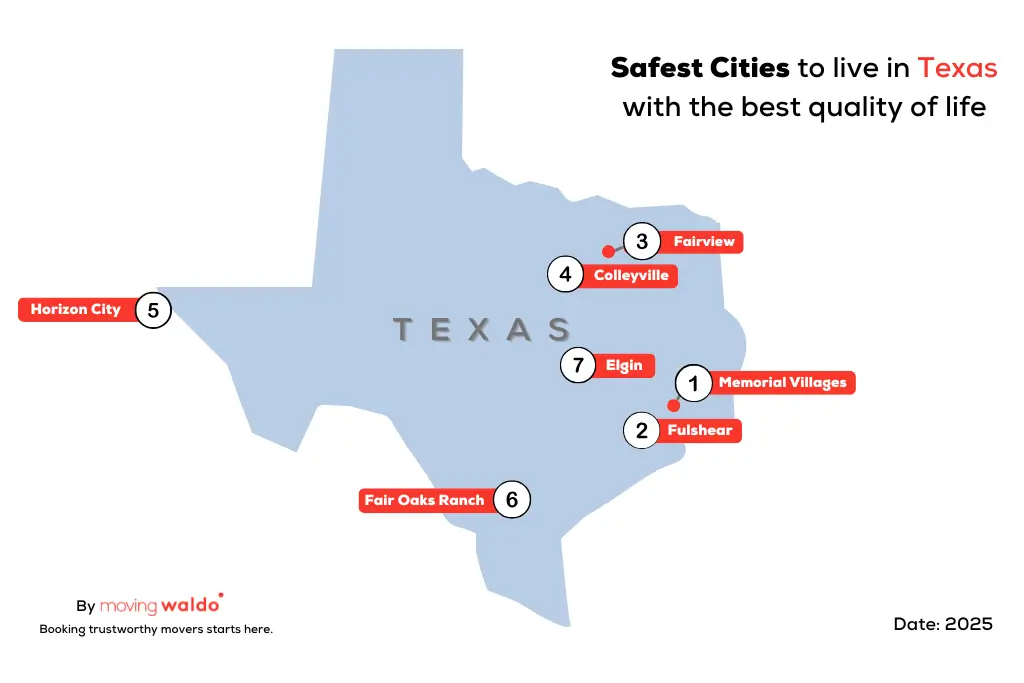
The Urban Powerhouses: Booming Cities for Every Lifestyle
Texas is home to some of the nation’s fastest-growing and most dynamic urban centers, each boasting a unique character and offering distinct advantages for residents. Whether you seek a vibrant arts scene, a thriving job market, or an energetic nightlife, one of these cities is likely to capture your attention.
Houston: The Space City’s Diverse Appeal
As the most populous city in Texas and the fourth-largest in the United States, Houston presents an unparalleled tapestry of cultures, cuisines, and career opportunities. Known for its significant contributions to the energy and aerospace industries, it’s a hub for professionals in these sectors. Beyond its economic prowess, Houston boasts a world-class museum district, a renowned performing arts scene, and an eclectic culinary landscape that draws inspiration from its diverse population. Neighborhoods like The Heights offer historic bungalows and trendy boutiques, while areas like Uptown provide luxury living and upscale shopping. For those seeking a more family-friendly environment, suburbs like The Woodlands offer excellent schools and abundant green spaces. The city’s sprawling nature means commute times can be a consideration, but its extensive public transportation system and growing network of bike lanes are making it increasingly navigable.
Dallas-Fort Worth Metroplex: A Tale of Two Cities, One Region
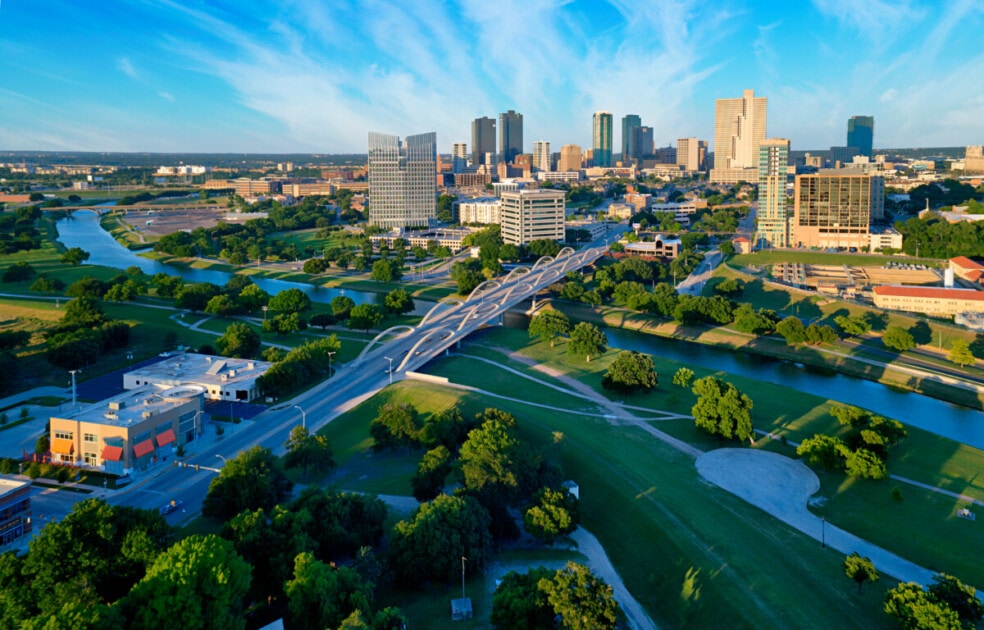
The Dallas-Fort Worth Metroplex, often referred to as the “Metroplex,” is a sprawling urban region comprised of several distinct cities, each with its own identity. At its heart are Dallas and Fort Worth. Dallas is a global hub for business and finance, known for its sleek skyscrapers, upscale shopping, and vibrant arts and culture scene. Neighborhoods like Uptown Dallas are popular for their trendy restaurants and bars, while areas further north offer more suburban tranquility. Fort Worth, on the other hand, embraces its Western heritage with its iconic Stockyards, rodeo culture, and a more laid-back atmosphere. The economic engines of both cities are strong, with significant presence in technology, finance, and defense. The Metroplex also encompasses numerous thriving suburbs such as Plano, Frisco, and Irving, which offer excellent schools, family-friendly amenities, and a slightly more affordable cost of living compared to the core cities. The interconnectedness of the region through major highways and public transit makes it possible to work in one city and live in another.
Austin: The Live Music Capital of the World
Austin, the state capital, has exploded in popularity, often cited as a haven for tech startups, live music enthusiasts, and outdoor adventurers. Its unique “Keep Austin Weird” ethos permeates its culture, fostering a vibrant and eclectic atmosphere. The city offers a robust job market, particularly in the technology sector, attracting young professionals and entrepreneurs. Beyond its economic appeal, Austin is renowned for its live music venues, particularly along South Congress Avenue and the Red River Cultural District. Outdoor activities abound, with Barton Creek Greenbelt offering hiking and swimming, and Lady Bird Lake providing opportunities for kayaking and paddleboarding. Neighborhoods like South Austin are known for their bohemian charm, while areas like Downtown Austin offer modern apartments and close proximity to cultural attractions. However, Austin has experienced significant growth, leading to a rising cost of living and increasing traffic congestion.
San Antonio: A Rich Tapestry of History and Culture
San Antonio offers a distinct charm, deeply rooted in its rich history and vibrant Hispanic culture. Home to iconic landmarks like the Alamo and the scenic River Walk, the city blends historical preservation with modern development. Its economy is diverse, with strengths in healthcare, finance, and military installations. San Antonio provides a more affordable cost of living compared to its larger Texas counterparts, making it an attractive option for families and individuals seeking value. Neighborhoods such as The Pearl offer a trendy urban living experience with upscale dining and shopping, while areas like Olmos Park provide established residential charm. The city’s cultural festivals and authentic Tex-Mex cuisine are major draws, offering a unique living experience.
The Suburban Sanctuary: Balancing City Access with Family Life
For many, the ideal living situation involves the balance of proximity to urban amenities with the peace and space of suburban life. Texas boasts an array of meticulously planned suburbs that cater to families, professionals, and retirees alike.
The Rise of the Master-Planned Community
Across Texas, master-planned communities have become a significant housing model. These developments often feature a wealth of amenities designed for a convenient and engaging lifestyle, including extensive park systems, swimming pools, fitness centers, and community event spaces. Neighborhoods like The Woodlands near Houston and Frisco in the Dallas-Fort Worth Metroplex are prime examples, offering excellent schools, abundant recreational opportunities, and a strong sense of community. They often attract families due to their safety, structured environments, and well-regarded school districts. While offering a high quality of life, these communities can sometimes feel more homogenous than older, more organically developed neighborhoods.
Small-Town Charm with Big-City Access
Many of Texas’s smaller cities and towns offer a more relaxed pace of life while still providing convenient access to major urban centers. Towns like Georgetown north of Austin, or McKinney north of Dallas, provide a charming downtown experience, often with a lower cost of living and a stronger sense of community. These areas are ideal for those seeking a quieter lifestyle, perhaps for raising a family or enjoying a more tranquil retirement, without sacrificing the opportunities and conveniences of nearby cities.
The Rural Retreat: Embracing Space and Simplicity
For those who crave open spaces, a connection to nature, and a slower rhythm of life, Texas’s rural areas offer a compelling proposition. From rolling hills to vast plains, the state’s diverse geography provides a backdrop for a peaceful existence.
Hill Country Living: Scenic Beauty and Tranquility
The Texas Hill Country, a picturesque region in the central and south-central part of the state, is a popular destination for those seeking natural beauty and a serene environment. Towns like Fredericksburg, Boerne, and Dripping Springs offer a blend of small-town charm, vineyard tours, artisan shops, and access to numerous state parks and natural attractions. Life here is often characterized by a slower pace, a strong sense of community, and a deep appreciation for the outdoors. Property values in the Hill Country can vary significantly, with prime locations offering larger acreage and stunning views commanding higher prices. The proximity to Austin and San Antonio allows residents to enjoy the benefits of both rural tranquility and urban access.
West Texas Vastness: Wide-Open Spaces and Unique Cultures
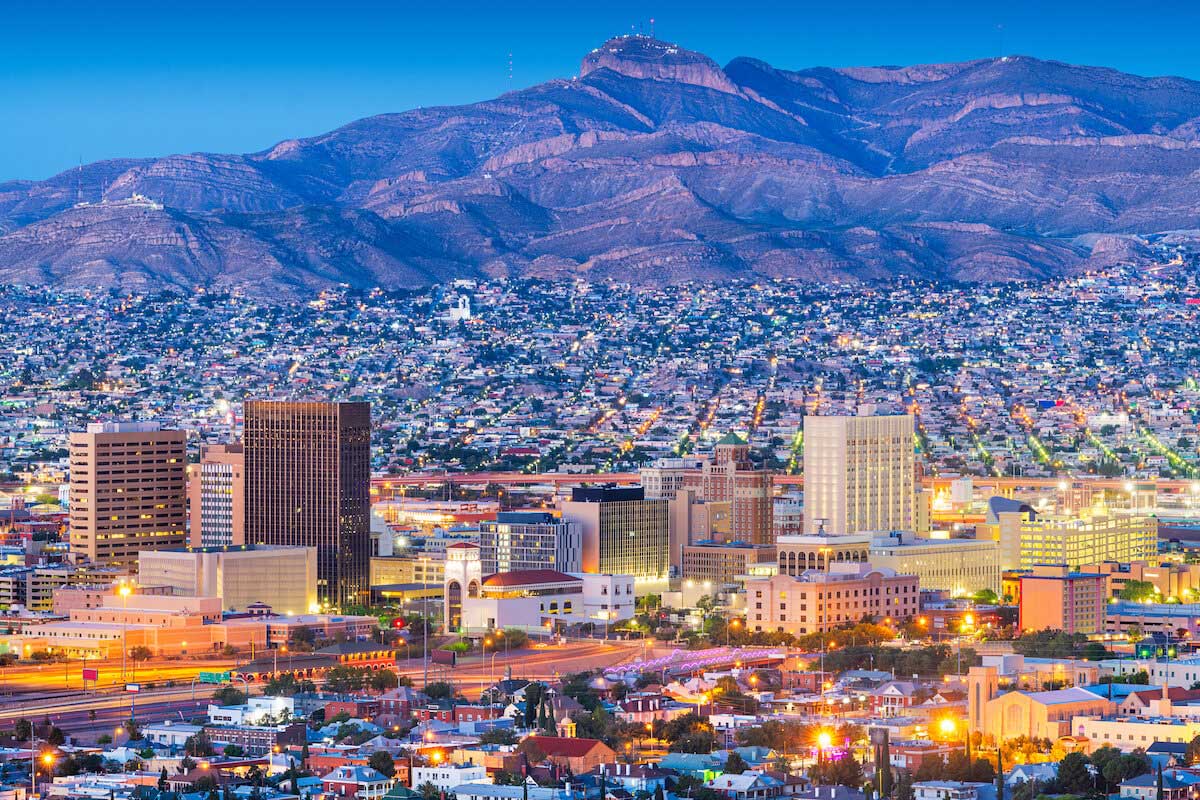
Venturing further west, West Texas offers a landscape of immense scale and a distinct, rugged beauty. Cities like Marfa, known for its contemporary art scene and minimalist aesthetic, and Alpine, serve as cultural hubs in this expansive region. Life in West Texas is about embracing solitude, enjoying breathtaking sunsets, and connecting with the unique history and culture of the high desert. While job opportunities may be more specialized, the cost of living can be significantly lower, and the sense of freedom that comes with vast open spaces is a major draw for many.
When considering where to live in Texas, the state’s sheer size and diversity mean that your ideal location is out there. Whether you’re drawn to the pulsating energy of its major cities, the family-friendly comfort of its suburbs, or the profound peace of its rural landscapes, Texas offers a place for everyone to call home.
LifeOutOfTheBox is a participant in the Amazon Services LLC Associates Program, an affiliate advertising program designed to provide a means for sites to earn advertising fees by advertising and linking to Amazon.com. Amazon, the Amazon logo, AmazonSupply, and the AmazonSupply logo are trademarks of Amazon.com, Inc. or its affiliates. As an Amazon Associate we earn affiliate commissions from qualifying purchases.