
Navigating the bustling streets of New York City with a vehicle can feel like a daunting logistical puzzle. Known for its gridlocked avenues, aggressive taxi drivers, and notoriously limited street parking, the Big Apple demands a strategic approach for any traveler or resident bringing a car into the metropolitan core. Whether you are visiting the iconic Times Square or heading to a business meeting in Midtown Manhattan, understanding the landscape of parking is essential to avoiding hefty fines and the stress of searching for a spot.
Understanding Street Parking Rules and Regulations
Street parking in New York City is governed by a complex set of regulations that can change from one block to the next. The primary challenge for most drivers is deciphering the “alternate side parking” rules, which are designed to allow for street cleaning.

The Complexity of Alternate Side Parking
Alternate side parking mandates that vehicles must be moved to the opposite side of the street on specific days and times. Failure to move your vehicle results in a ticket, which is a common experience for those unfamiliar with the local signage. Always look for the “P” signs with a broom icon; these indicate when you must vacate the curb. Ignoring these signs is the fastest way to turn a budget-friendly trip into an expensive ordeal.
Metered Parking and Time Limits
In high-traffic areas like SoHo or near Central Park, street parking is metered. Most meters now accept credit cards or the ParkNYC mobile app, which is highly recommended for drivers. Pay close attention to the time limit, as many spots are restricted to one or two hours, prohibiting you from simply “feeding the meter” to stay in the same spot for an entire day.
Leveraging Off-Street Parking Garages
If you are planning to spend the day exploring Museum Mile or catching a show near Broadway, relying on street parking is rarely practical. Off-street parking garages are the safest, albeit more expensive, alternative.
Using Technology to Pre-Book
Several digital platforms allow you to search for and reserve garage spaces in advance. Booking through these apps often provides a significant discount compared to “drive-up” rates. When you book ahead, you gain the peace of mind of having a designated spot in a crowded neighborhood like the Financial District.
Factors Influencing Garage Pricing
Rates vary drastically based on location and time. Parking a car in Chelsea during the evening may be surprisingly affordable, while parking near the Empire State Building during the morning rush hour can cost as much as a hotel room. Always check the “early bird” specials, which often require you to enter the garage before a certain hour—usually 8:00 AM or 9:00 AM—and stay for a set duration.
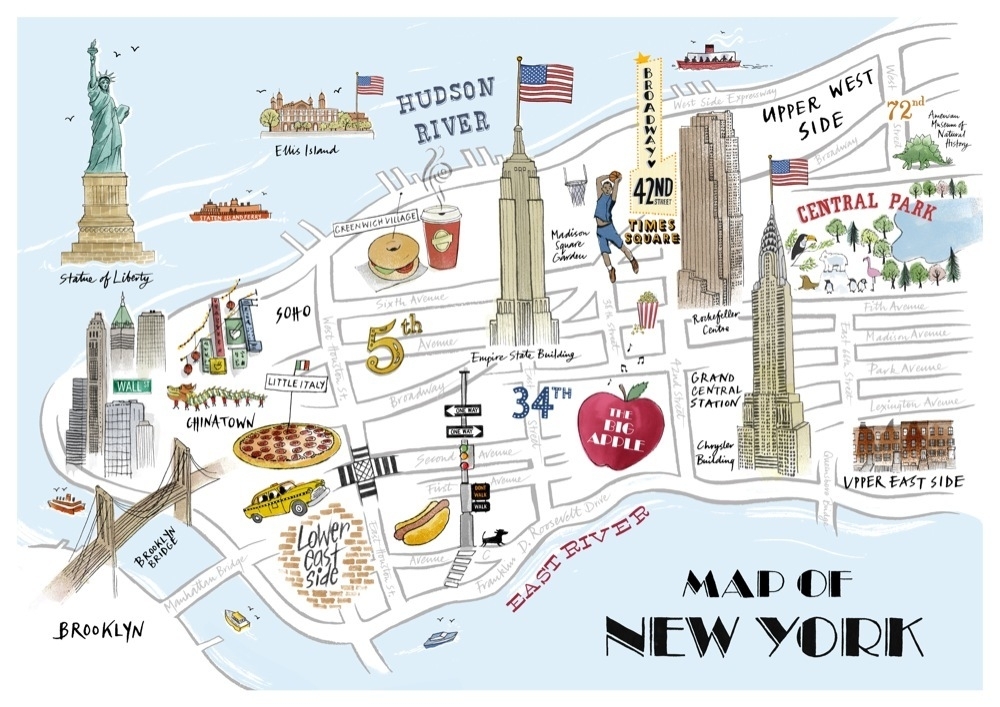
Strategic Parking in Outer Boroughs
For visitors who want to avoid the high costs and congestion of the urban core, parking in one of the outer boroughs and utilizing public transit is a highly effective strategy.
The Transit Hub Strategy
Many savvy travelers park their cars near major subway hubs in Brooklyn or Queens and take the train into Manhattan. Neighborhoods like Long Island City offer numerous parking garages that are often cheaper than those found across the East River. From there, you are usually just a single subway ride away from the World Trade Center or Grand Central Terminal.
Residential Neighborhoods and Permit Requirements
While some outer-borough neighborhoods offer free street parking, be mindful of “Residential Permit Parking” zones. In some areas, parking is restricted to residents only during specific hours. Always scan the signage carefully; if you see a sign indicating a permit is required, do not park there, as enforcement is strict and towing is a genuine risk.
Essential Tips for a Stress-Free Experience
To master parking in New York City, one must adopt the mindset of a local. Preparation is the difference between an enjoyable day and a frustrating one.
Essential Gear and Apps
- ParkNYC: This app is indispensable for managing metered street parking from your phone.
- SpotHero or ParkWhiz: Use these for locating and booking guaranteed spots in private garages.
- Waze or Google Maps: While these don’t show real-time spot availability, they are crucial for navigating around road closures and construction, which can affect your ability to reach a garage.
Avoiding Common Pitfalls
One of the most common mistakes travelers make is leaving valuables in plain sight within their parked vehicle. Even in a secure garage, it is best practice to keep your cabin clear. Furthermore, when parking on the street, ensure you are not blocking a fire hydrant or a curb cut (driveway). New York’s towing services are incredibly efficient; if you park illegally, you might find that your vehicle has been moved to an impound lot, which adds hundreds of dollars and several hours of headache to your trip.

Considering Valet Services
If you are staying at a high-end property, such as The Plaza Hotel, take advantage of their valet services. While the daily rate might seem steep, the time saved by not having to navigate narrow parking ramps or hunt for a space is often worth the premium. If you are dining at an upscale restaurant in Greenwich Village, inquire about partner garages that offer validation; this simple step can save you a significant portion of the hourly garage fee.
Ultimately, driving in New York City is a challenge that requires patience and planning. By understanding the distinction between street parking and private facilities, and by utilizing the various transit options available in the outer boroughs, you can successfully manage your vehicle and focus your energy on enjoying all that the United States most vibrant city has to offer. Whether you are visiting Statue of Liberty or enjoying a stroll through High Line, your parking strategy should be the foundation of your itinerary, ensuring that your vehicle remains a convenience rather than a burden.
LifeOutOfTheBox is a participant in the Amazon Services LLC Associates Program, an affiliate advertising program designed to provide a means for sites to earn advertising fees by advertising and linking to Amazon.com. Amazon, the Amazon logo, AmazonSupply, and the AmazonSupply logo are trademarks of Amazon.com, Inc. or its affiliates. As an Amazon Associate we earn affiliate commissions from qualifying purchases.