
The elusive, shimmering dance of the Aurora Borealis is a bucket-list spectacle for many travelers worldwide. In the vast, pristine wilderness of Alaska, this celestial light show finds one of its most dramatic stages. As the northernmost state in the United States, Alaska offers unparalleled opportunities to witness the Northern Lights, far from the light pollution of urban centers and under exceptionally dark, clear skies. Planning a trip to chase the aurora requires careful consideration of timing, location, and preparation, transforming a simple viewing into an unforgettable experience.
This comprehensive guide delves into the prime locations and essential tips for maximizing your chances of seeing the aurora in Alaska. We’ll explore why certain regions are superior for viewing, what other activities you can enjoy during your visit, and how to select the best accommodation to complement your aurora hunt. Prepare to be enchanted by the majestic beauty of the Alaskan winter and its captivating sky.

Understanding the Aurora in Alaska
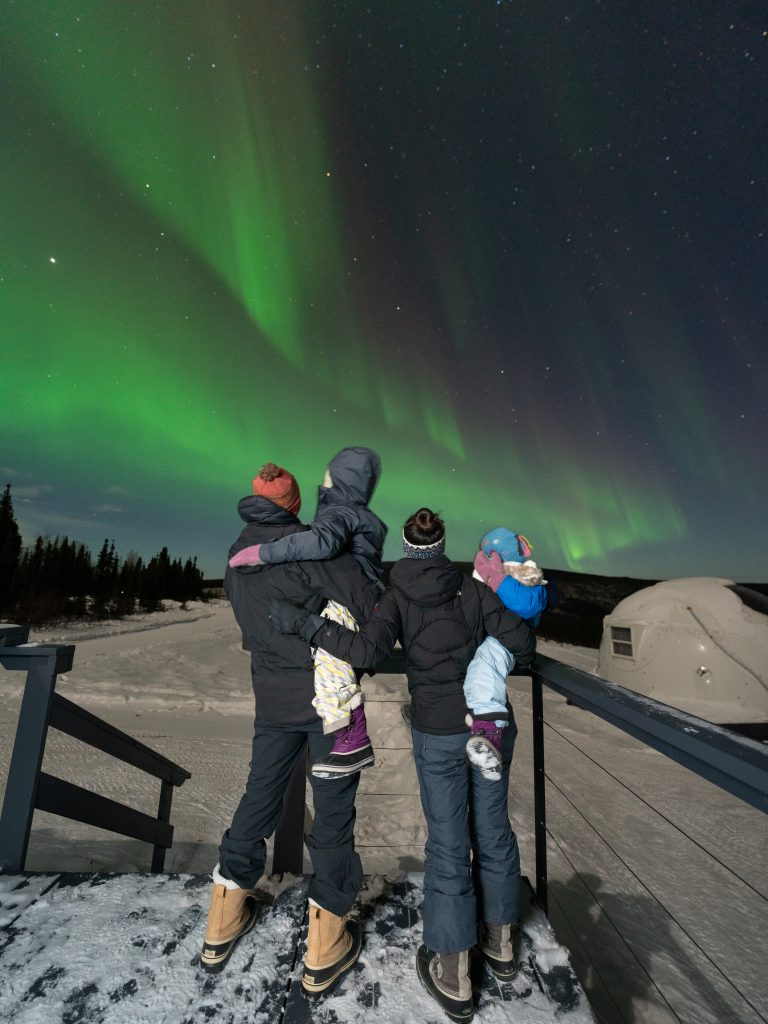
To successfully witness the Northern Lights, it’s crucial to understand the science and the conditions that make them visible. The aurora is caused by solar particles interacting with the Earth’s magnetic field and atmosphere, creating vibrant green, pink, and sometimes purple hues across the night sky. Alaska, situated within the “auroral oval,” is perfectly positioned for frequent and intense displays.
The Best Time to Witness the Northern Lights
The window for aurora viewing in Alaska is significantly broader than many realize, spanning from late August to late April. However, to maximize your chances, certain periods stand out:
- Late August to September: This early season offers a unique advantage – milder temperatures and the chance to combine aurora viewing with autumnal colors and fall hiking. The nights are dark enough by mid-August, and the crisp air can lead to clear skies.
- October to March: This is generally considered the peak season for aurora chasing. The nights are longest and darkest during these months, offering the most hours for potential viewing. January, February, and March often bring consistent cold, clear nights. While the temperatures can be extreme, especially in the interior, these conditions are ideal for aurora visibility.
- April: As spring approaches, the nights begin to shorten, but good displays can still occur in early April, offering a final chance before the midnight sun dominates the Alaskan sky.
Regardless of the month, the key ingredients are darkness and clear skies. A new moon phase also enhances visibility by reducing natural light. Solar activity, measured by indices like the KP-index, is also a critical factor; higher solar activity means more vibrant and widespread displays. There are numerous aurora forecasting apps and websites available that provide real-time predictions, which are invaluable tools for any aurora hunter.
Key Factors for a Successful Viewing Experience
Beyond timing, several factors directly influence your success:
- Minimal Light Pollution: This is paramount. Even a small amount of ambient light from towns or streetlights can diminish the aurora’s intensity. Seeking out remote locations, often just a short drive from population centers, is essential.
- Clear Skies: Clouds are the nemesis of aurora chasers. Even with strong solar activity, a cloudy sky will obscure the view. Checking local weather forecasts for clear nights is a daily ritual for anyone hoping to see the lights.
- Patience and Perseverance: The aurora is a natural phenomenon, unpredictable by nature. It might appear for a few minutes and then fade, or it might dance for hours. Be prepared to wait, often in the cold, and be ready to stay up late or even pull an all-nighter. Many tour operators offer “wake-up call” services in hotels for guests when the aurora appears.
- Strategic Positioning: Viewing spots with an unobstructed view of the northern horizon are ideal. Elevated areas or open fields away from trees and mountains provide the best vantage points.
Top Destinations for Aurora Chasing in Alaska
While the aurora can technically be seen anywhere in Alaska under the right conditions, some locations are significantly better due to their geographic position, infrastructure, and dedicated tourism offerings.
Fairbanks: The Aurora Capital
Often hailed as the “Aurora Capital of North America,” Fairbanks is undoubtedly the premier destination for Northern Lights viewing in Alaska. Its location just below the Arctic Circle places it squarely within the auroral oval, giving it a high probability of seeing the lights—an average of four out of five clear nights during peak season. Fairbanks also benefits from its interior location, which tends to have drier, clearer weather compared to coastal areas.
Fairbanks offers numerous dedicated aurora viewing attractions and tours:
- University of Alaska Fairbanks (UAF) Geophysical Institute: While not a direct viewing spot, the institute’s website is a crucial resource for aurora forecasts, data, and scientific explanations, helping visitors understand and predict displays.
- Creamer’s Field Migratory Waterfowl Refuge: Just a few miles from downtown Fairbanks, this open field provides an expansive, unobstructed view of the sky, making it a popular spot for both locals and visitors.
- Chena Hot Springs Resort: Located about 60 miles northeast of Fairbanks, Chena Hot Springs Resort is a self-contained oasis combining aurora viewing with geothermal relaxation. Visitors can soak in the natural hot springs while waiting for the lights or join one of their dedicated aurora tours, often venturing to higher elevations at their “Aurora Ice Museum.” This resort offers accommodation ranging from hotel rooms to cabins, making it an excellent base for multi-night stays.
- Arctic Circle Tours: Many operators from Fairbanks offer tours that take you further north, across the Arctic Circle, for an even more remote and potentially spectacular viewing experience. These often involve long drives along the Dalton Highway to places like Coldfoot.
Fairbanks also boasts a robust infrastructure for tourism, including a range of hotels, restaurants, and tour operators ready to facilitate your aurora quest.
Anchorage and Southcentral Alaska
While Anchorage, Alaska’s largest city, is not ideal for aurora viewing due to its significant light pollution, it serves as a major gateway to the state. With a population of over 290,000, it’s bustling and offers a wide array of amenities. For those staying in Anchorage, chasing the aurora requires a short drive away from the city lights.
Promising spots near Anchorage include:
- Girdwood: About an hour’s drive south of Anchorage, this ski resort town offers darker skies. While not as consistently clear as interior Alaska, its mountain backdrop can create dramatic photo opportunities when the aurora appears.
- Palmer / Wasilla Area: Located in the Mat-Su Valley, about an hour north of Anchorage, these towns offer slightly darker skies. Heading further out into the valley, away from residential areas, can yield good results.
- Hatcher Pass: This scenic mountain pass near Palmer offers elevated, remote viewpoints. However, access can be challenging in winter, and it’s essential to check road conditions.
- Alaska Wildlife Conservation Center: Located just south of Girdwood, this center offers wildlife viewing during the day, and its relatively remote location can serve as a decent base for aurora viewing if you can find clear, dark spots nearby.
Visitors choosing to base themselves in Southcentral Alaska can combine their aurora hunt with popular daytime activities such as skiing at Alyeska Resort in Girdwood, exploring the Chugach Mountains, or visiting the numerous museums and cultural centers in Anchorage.
Remote Viewing in Northern Alaska
For the truly adventurous seeking an extreme aurora experience, venturing into the remote reaches of northern Alaska offers the darkest skies and highest probabilities, albeit with significant logistical challenges and extreme cold.
- Utqiagvik (formerly Barrow): The northernmost city in the United States, Utqiagvik is situated far above the Arctic Circle. During winter, it experiences extended periods of total darkness (polar night), creating endless opportunities for aurora viewing. However, reaching Utqiagvik requires flying, and accommodations are limited and expensive. The extreme cold and isolation are also major considerations.
- Coldfoot: Located along the Dalton Highway, deep within the Arctic National Wildlife Refuge and about 250 miles north of Fairbanks, Coldfoot is a quintessential Arctic stop. Its remote location, minimal light pollution, and position within the auroral oval make it an exceptional spot. Coldfoot Camp offers basic accommodation and acts as a base for truck drivers and adventurers. Guided tours from Fairbanks often include an overnight stay here.
These remote northern locations offer a raw, unfiltered encounter with the Arctic and the aurora, best suited for experienced travelers or those opting for well-organized tours.
Enhancing Your Aurora Viewing Trip

Seeing the aurora is often a matter of patience and being in the right place at the right time. However, smart planning can significantly enhance your overall Alaskan adventure.
Strategic Accommodation Choices
Your choice of accommodation can play a significant role in your aurora hunting success. Many hotels and resorts in prime aurora viewing areas cater specifically to aurora tourists.
Look for places that offer:
- Aurora Viewing Rooms/Cabins: Some accommodations feature rooms with large windows facing north or private decks/balconies for direct viewing.
- Aurora Wake-Up Calls: A popular amenity where staff will call your room if the aurora appears, allowing you to rest until the show begins.
- Remote Locations: Opt for lodges or cabins slightly outside town centers to minimize light pollution.
- Warm Viewing Areas: Many specialized aurora viewing lodges or resorts provide heated yurts, cabins, or viewing platforms where you can stay warm while waiting. Borealis Basecamp near Fairbanks, for example, offers geodesic domes designed for aurora viewing comfort.
- Proximity to Tours: If you plan on taking guided tours, choose accommodation that offers easy access or pick-up services.
When considering your accommodation options, always check reviews specific to aurora viewing experiences and inquire about any dedicated services. Many Alaskan lodges and resorts emphasize a holistic winter experience, combining the Northern Lights with other seasonal activities.
Guided Tours and Expert Tips
While independent aurora hunting is possible, guided tours offer several advantages, especially for first-time visitors or those less familiar with winter travel in Alaska.
Tour operators often:
- Provide Transportation: They take you to optimal viewing locations, often outside city limits, in comfortable and warm vehicles.
- Offer Expert Knowledge: Guides monitor forecasts, understand local weather patterns, and know the best spots to chase the lights. They often share local culture and history during the wait.
- Ensure Safety: Navigating remote, dark roads in winter conditions can be hazardous without experience. Guides ensure your safety and often provide warm gear.
- Enhance the Experience: Many tours include amenities like hot drinks, snacks, or even professional photography tips and assistance to capture stunning images.
When choosing a tour, look for those with good reviews, small group sizes, and experienced guides. Some tours specialize in photography, while others focus on a comfortable and educational experience. Operators like Alaska Heritage Tours or many local Fairbanks-based companies provide diverse options.
Beyond the Lights: Daytime Alaskan Adventures
An aurora trip to Alaska is incomplete without embracing the myriad of daytime winter activities and exploring the local culture. Alaska is a vast playground of nature and adventure.
Consider incorporating these into your itinerary:
- Dog Sledding: Experience Alaska’s state sport by taking a ride with a team of huskies. Many kennels offer tours and the chance to learn about mushing.
- Ice Fishing: Try your hand at this quintessential Alaskan pastime on a frozen lake.
- Snowmachining (Snowmobiling): Explore vast snow-covered landscapes on a thrilling snowmachine tour.
- Visiting National Parks: While Denali National Park is mostly inaccessible by road in winter, some areas like the Denali Park Road entrance can offer opportunities for snowshoeing or cross-country skiing, with the majestic Denali (Mount McKinley) as a backdrop.
- Exploring Local Culture: Visit museums, art galleries, and Native Alaskan cultural centers to learn about the rich heritage and lifestyle of the state. Fairbanks’ Morris Thompson Cultural and Visitors Center is an excellent starting point.
- Relaxing in Hot Springs: As mentioned with Chena Hot Springs, soaking in natural geothermal waters is a perfect way to warm up after a cold night of aurora hunting.
These activities provide a full Alaskan immersion, ensuring that even if the aurora remains elusive one night, your trip is filled with memorable experiences.
Planning Your Alaskan Aurora Journey
A trip to see the aurora in Alaska requires careful planning and preparation, particularly when dealing with the harsh winter environment.
Essential Gear and Preparation
Being well-prepared is critical for comfort and safety:
- Layered Clothing: This is non-negotiable. Think base layers (wool or synthetics), mid-layers (fleece or down), and a waterproof, windproof outer shell. Bring insulated pants, a heavy parka, warm hats, gloves or mittens, and insulated, waterproof boots.
- Hand and Foot Warmers: These small packets can provide hours of warmth and are invaluable for long waits in the cold.
- Photography Equipment: If you plan to capture the aurora, you’ll need a DSLR or mirrorless camera with a wide-angle lens (f/2.8 or faster), a sturdy tripod, extra batteries (cold drains them quickly), and a remote shutter release.
- Aurora Forecast Apps: Download apps like “My Aurora Forecast” or check websites like the University of Alaska Fairbanks Geophysical Institute for real-time predictions.
- Transportation: Renting a 4×4 vehicle is recommended if you plan to drive yourself to viewing spots, ensuring safety on potentially icy roads. Ensure it has winter tires and emergency supplies.
Always inform someone of your plans if venturing out to remote locations independently, and ensure your vehicle is winterized for Alaskan conditions.
Budgeting and Travel Styles
An Alaskan aurora trip can be tailored to various budget travel styles, from adventurous backpacking to indulgent luxury travel.
- Budget-Friendly: Consider staying in guesthouses or apartments with kitchenettes, opting for self-guided viewing from accessible public lands, and booking flights during the shoulder seasons (late August/early September or April) for better deals.
- Mid-Range: A comfortable approach might involve staying in well-regarded hotels in Fairbanks, utilizing a mix of self-driving and a few guided tours, and enjoying a diverse range of daytime activities.
- Luxury Experience: For an opulent aurora quest, consider exclusive lodges with private aurora viewing domes, gourmet food, and personalized tours. Some high-end operators arrange private flights to remote viewing areas or combine aurora safaris with other unique Alaskan experiences.
No matter your budget, it’s wise to book flights, accommodation, and popular tours well in advance, especially for peak aurora season. Booking early often secures better rates and availability.
Conclusion
Chasing the Aurora Borealis in Alaska is more than just a trip; it’s a profound journey into the heart of wilderness and wonder. From the dedicated aurora-hunting infrastructure of Fairbanks to the remote, stark beauty of the Arctic, Alaska offers a spectrum of possibilities for witnessing this ethereal natural phenomenon. By understanding the best times, choosing strategic locations, and preparing adequately for the unique Alaskan winter, you significantly increase your chances of experiencing the dance of the Northern Lights.
Beyond the celestial show, an Alaskan winter vacation promises a wealth of daytime activities and encounters with a vibrant local culture. Whether you seek adventure, relaxation in geothermal springs, or a deep connection with nature, Alaska delivers. So, pack your warmest layers, hone your photography skills, and prepare to be mesmerized by one of Earth’s most spectacular light shows. Your unforgettable Alaskan adventure awaits, under a sky painted with cosmic brilliance.
LifeOutOfTheBox is a participant in the Amazon Services LLC Associates Program, an affiliate advertising program designed to provide a means for sites to earn advertising fees by advertising and linking to Amazon.com. Amazon, the Amazon logo, AmazonSupply, and the AmazonSupply logo are trademarks of Amazon.com, Inc. or its affiliates. As an Amazon Associate we earn affiliate commissions from qualifying purchases.