
For many adventurers and wildlife enthusiasts, the majestic moose represents the untamed spirit of the wilderness. These colossal creatures, with their impressive antlers and serene presence, are a sight to behold. While they roam across various parts of North America, one destination stands out as a premier location for a guaranteed encounter: Maine. With its vast expanses of unspoiled forests, shimmering lakes, and meandering rivers, the Pine Tree State offers an unparalleled opportunity to witness these magnificent animals in their natural habitat. Planning a trip to see moose in Maine is more than just a wildlife quest; it’s an immersive journey into the heart of New England‘s rugged beauty, promising unforgettable travel experiences and a deep connection with nature.
Why Maine is Prime Moose Country
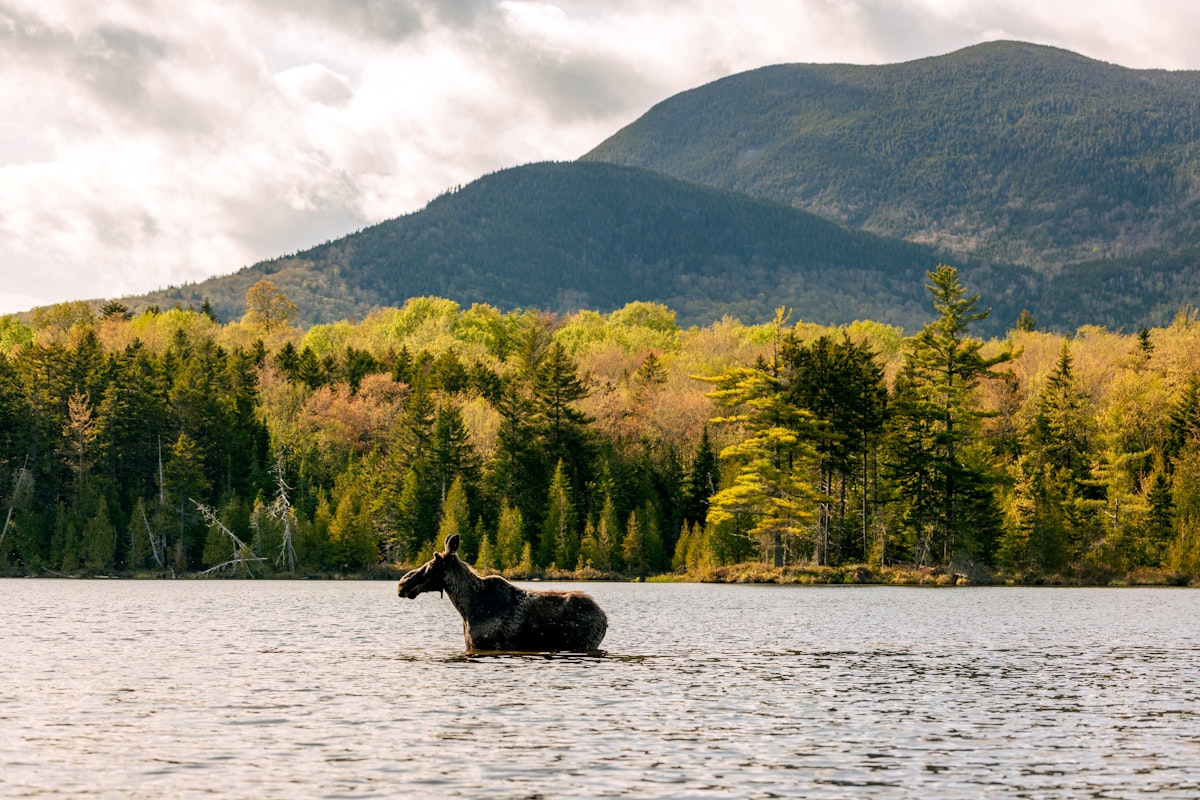
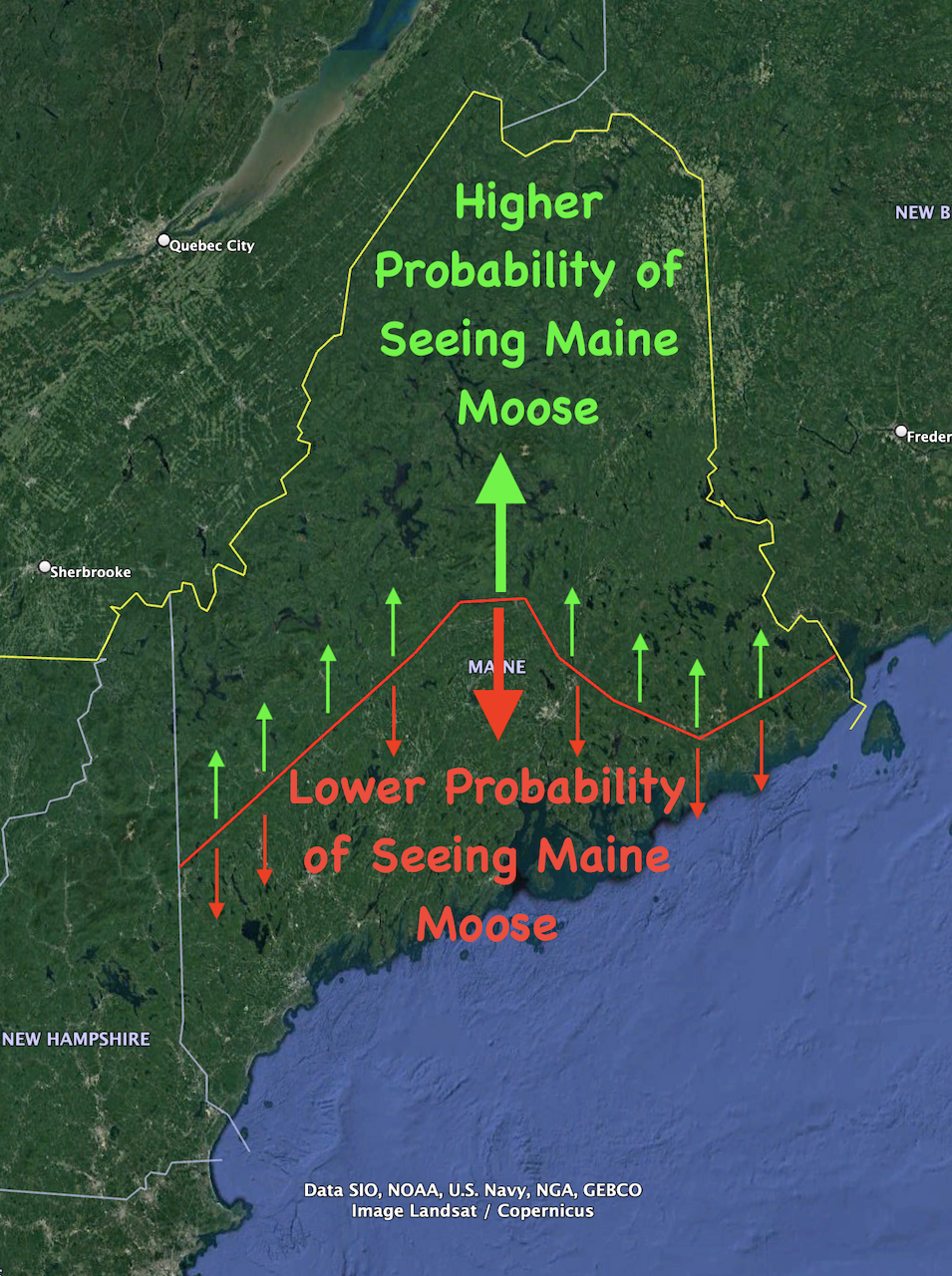
Maine boasts the largest moose population in the lower 48 states, with estimates ranging upwards of 60,000 to 70,000 individuals. This impressive number isn’t by chance; it’s a testament to the state’s unique geography and ecological conditions that create an ideal environment for Alces alces, the scientific name for the moose. The state’s northern and western regions are characterized by a dense mosaic of boreal forests, wetlands, and cold, clear waterways – precisely the kind of habitat moose thrive in. They prefer areas with young forest growth, which provides ample browse in the form of twigs, leaves, and aquatic vegetation. The cooler climate also plays a significant role, as moose, with their thick coats, are particularly sensitive to heat. Maine’s relatively mild summers and harsh winters are perfectly suited to their physiological needs. This combination of abundant food sources, pristine water, and suitable climate makes Maine not just a good place, but arguably the best place, to seek out these iconic animals. It’s a destination that truly delivers on the promise of a unique wildlife tourism experience, inviting travelers to explore its remote beauty and discover its hidden natural treasures.
Understanding Moose Behavior
To maximize your chances of spotting a moose, understanding their daily routines and seasonal patterns is key. Moose are crepuscular, meaning they are most active during dawn and dusk. These twilight hours offer cooler temperatures and lower light, making them feel safer to venture out for feeding and travel. During the day, especially warmer ones, they often retreat to dense forest cover or wade into lakes and ponds to cool off and escape insects.
Seasonally, the best times to see moose in Maine are late spring (May and June) and early fall (September and October). In spring, moose are frequently seen along roadsides and in open boggy areas, feeding on new plant growth and aquatic vegetation. Cows (female moose) often have calves with them, adding to the charm of the sighting. Fall is the breeding season, known as the rut, when bulls (male moose) are actively seeking mates. During this period, they are less wary and more focused on each other, making them more visible. The vibrant fall foliage also provides a stunning backdrop for any moose encounter, enhancing the overall travel experience. Winter can also offer opportunities, as moose stand out against the snow, but access to remote areas can be challenging due to weather conditions.
Top Moose Spotting Destinations in Maine
While moose can theoretically be found anywhere in the extensive forests of Maine, certain regions are renowned for their consistently high moose populations and excellent viewing opportunities. These destinations often combine remote wilderness with accessible viewing points, making them ideal for both seasoned adventurers and casual observers.
The Moosehead Lake Region
Perhaps the most famous moose spotting destination in Maine is the Moosehead Lake Region. Located in the heart of the state’s North Woods, this expansive area lives up to its name. The town of Greenville, situated on the southern tip of Moosehead Lake, serves as a perfect base camp for explorations. From Greenville, routes leading north towards Kokadjo and Rockwood are particularly productive. These logging roads, though gravel and sometimes rugged, wind through prime moose habitat, offering numerous chances for roadside sightings, especially around dawn and dusk. The many ponds, bogs, and stream crossings along these routes are natural magnets for moose. A visit to Lily Bay State Park, just south of Greenville, also offers picturesque views and potential wildlife encounters. This region epitomizes the raw, untouched beauty that defines Maine’s appeal for tourism and outdoor activities.
Aroostook County & The North Woods
Further north, Aroostook County, often called “The Crown of Maine,” offers another exceptional moose viewing experience. This vast, sparsely populated county shares a border with Canada and is characterized by endless forests, potato fields, and wild rivers. The Allagash Wilderness Waterway, a 92-mile stretch of lakes, ponds, rivers, and streams, is a particularly promising area. Canoeing or kayaking along the Allagash provides an intimate opportunity to see moose wading in the water or browsing along the banks. The remote nature of this region means fewer human disturbances, allowing moose to thrive. Towns like Fort Kent can serve as entry points for exploring this wilderness, offering a glimpse into the local culture and providing essential supplies for an extended stay in the North Woods. The remoteness of Aroostook County makes it an ideal destination for those seeking a true wilderness adventure and an escape from the usual tourist trails.
Baxter State Park
For those seeking a more structured and conserved wilderness experience, Baxter State Park is an absolute must-visit. While famous for Mount Katahdin and the northern terminus of the Appalachian Trail, Baxter is also a fantastic place to see moose. The park’s pristine environment, strict conservation policies, and extensive network of trails and ponds create an ideal sanctuary for wildlife. Sandy Stream Pond, in particular, is legendary for moose sightings, especially at dawn and dusk. Visitors often report seeing several moose feeding in the pond, providing incredible photo opportunities. Due to its popularity and commitment to wilderness preservation, advanced planning and reservations are often required for accommodation within the park. This landmark park represents a significant attraction for nature lovers and offers a quintessential Maine experience, combining strenuous hikes with serene wildlife observation.
Western Mountains & Rangeley Lakes Region
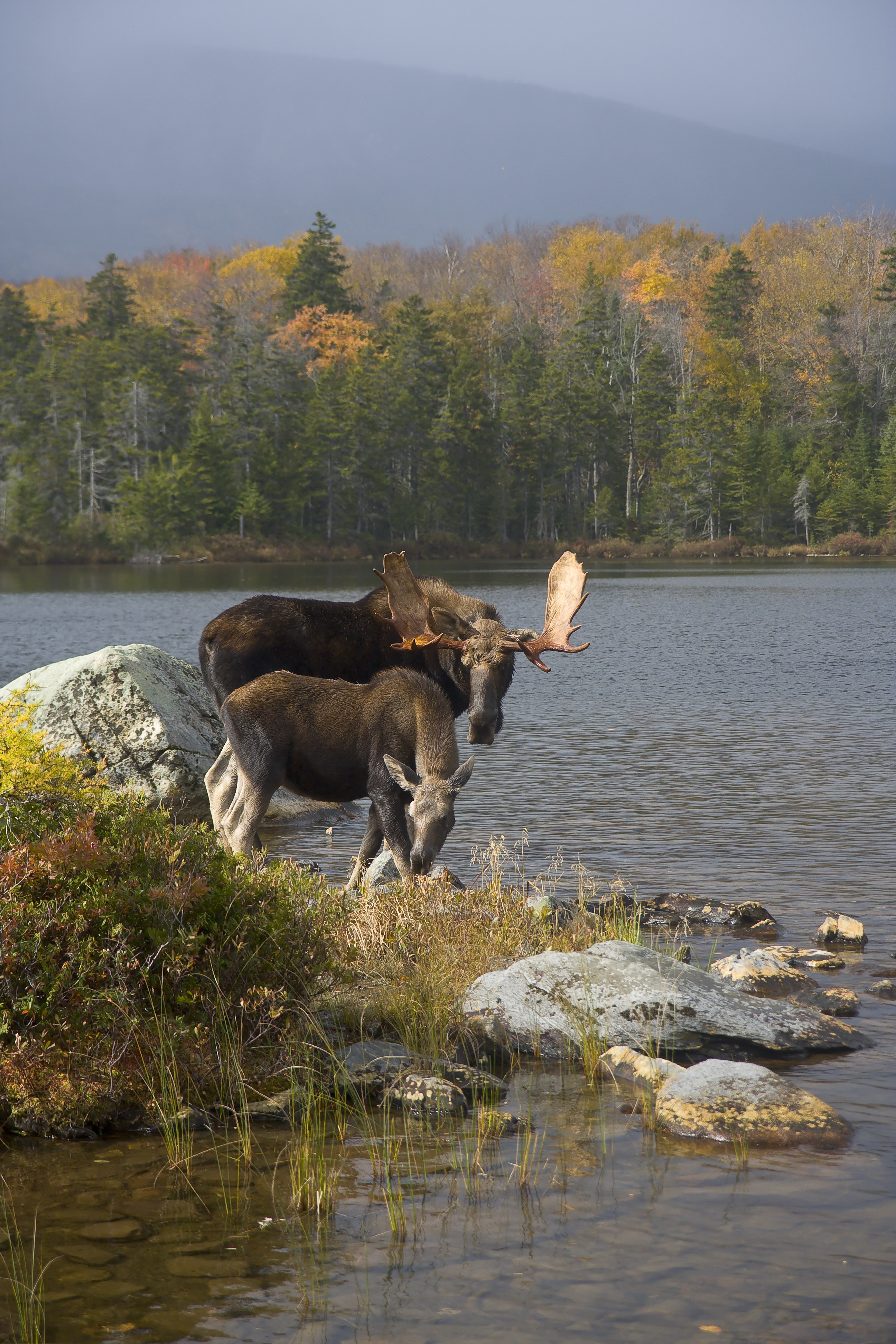
The Western Mountains and Rangeley Lakes Region offer another excellent chance to spot moose amidst breathtaking scenery. This area is characterized by rolling hills, dense forests, and a string of beautiful lakes, including Rangeley Lake. The town of Rangeley acts as the hub for this region, providing services and various accommodation options. Scenic Route 17, often called “Height of Land,” offers stunning panoramic views that can sometimes include distant moose. For closer encounters, explore the logging roads and trails around Rangeley Lake State Park and the Cupsuptic Lake Park & Wildlife Sanctuary. These areas are rich in wetlands and young forests, favored by moose for feeding. The blend of scenic drives, hiking opportunities, and the potential for wildlife sightings makes this region a comprehensive travel destination, appealing to those who appreciate both natural beauty and the thrill of discovery.
Essential Tips for a Successful Moose Encounter
Seeing a moose in the wild is an exhilarating experience, but it often requires patience, preparation, and respect for wildlife. Following these tips will not only increase your chances of a successful sighting but also ensure a safe and responsible interaction.
Best Time to Go
As mentioned, dawn and dusk are prime times for moose activity. Plan your excursions to coincide with these periods. If you’re driving, be extra vigilant during these hours, as moose can unexpectedly dart onto roads. Spring (May-June) and fall (September-October) offer the most comfortable temperatures for extended periods of observation and higher chances of sightings due to feeding habits and the rut. Summer can be good early in the morning, but moose tend to retreat to water or dense cover during the heat of the day.
Safety and Ethics
Moose, despite their seemingly docile appearance, are wild animals. They are large, powerful, and can be unpredictable, especially if they feel threatened or if a cow has calves nearby.
- Maintain Distance: Always keep a respectful and safe distance. Use binoculars or a telephoto lens for close-up views.
- Never Approach: Do not attempt to approach, feed, or corner a moose. If a moose displays signs of agitation (ears laid back, hair standing up, head lowered), slowly back away.
- Road Safety: Moose are a significant road hazard in Maine. Drive cautiously, especially at night or in moose country. If you see one, slow down, and be aware that others may be nearby.
- Leave No Trace: Practice Leave No Trace principles to protect their habitat and minimize your impact on the environment.
What to Bring
Proper gear can significantly enhance your moose spotting adventure:
- Binoculars/Spotting Scope: Essential for observing moose from a safe distance without disturbing them.
- Camera with Telephoto Lens: Capture stunning photos of these magnificent creatures.
- Appropriate Clothing: Dress in layers, as temperatures can change quickly, especially at dawn and dusk. Waterproof gear is advisable, given Maine’s unpredictable weather.
- Bug Spray: Mosquitoes and black flies can be relentless in Maine’s wilderness, particularly in spring and early summer.
- Maps and Navigation: Many prime moose areas are remote and may lack cell service. Bring detailed maps or a GPS device.
- Snacks and Water: Pack enough provisions for your excursions.
- Patience: Moose spotting is often a game of patience. Enjoy the quiet beauty of the wilderness even if a moose doesn’t immediately appear. The journey itself is often as rewarding as the destination.
Enhancing Your Moose Adventure: Tours & Accommodation
While independent exploration is certainly rewarding, many travelers choose to enhance their moose-spotting endeavors with guided tours and comfortable accommodation, transforming a simple wildlife quest into a comprehensive tourism experience.
Guided Moose Safaris
For those who prefer not to navigate the remote logging roads independently or wish to benefit from local expertise, guided moose safaris are an excellent option. Local guides possess an intimate knowledge of moose behavior and their preferred haunts, significantly increasing your chances of a successful sighting. These tours often operate in open-air vehicles, canoes, or even small boats, providing unique perspectives and access to less-traveled areas. Many outfitters in towns like Greenville, Rangeley, and Millinocket offer a variety of tours, from early morning photography trips to evening wildlife excursions. A guided tour also provides an educational component, as guides share fascinating facts about moose biology, the local ecosystem, and the history of the Maine woods. This service streamlines the experience, allowing you to focus purely on the wonder of the wilderness.
Where to Stay in Moose Country
To fully immerse yourself in the moose-spotting experience, choosing the right accommodation is crucial. Fortunately, Maine’s moose country offers a range of options, from rustic cabins to charming inns and resorts, catering to various travel styles and budgets.
- Inns and B&Bs: Towns like Greenville and Rangeley feature cozy inns and bed & breakfasts that provide a comfortable base with local charm. These often offer insights from hosts who know the area well.
- Lodge Resorts: For a more luxurious travel experience, several wilderness lodges and resorts are nestled deep within moose country. These establishments, often situated on scenic lakes, provide not only comfortable suites and amenities but also often organize their own guided tours and activities, making them ideal for a comprehensive vacation. Think about places like The Birches Resort on Moosehead Lake or various sporting camps that offer a blend of rustic charm and modern comforts.
- Cabins and Campgrounds: For budget-conscious travelers or those seeking a more rugged experience, renting a cabin or staying at a campground within or near state parks and wilderness areas is a fantastic option. Many private campgrounds and public sites in areas like Baxter State Park or the Rangeley Lakes Region put you right in the heart of the action, sometimes with moose visiting your campsite!
- Remote Camps: For the truly adventurous, remote sporting camps and cabins accessible only by floatplane or challenging dirt roads offer unparalleled solitude and immersion in the wilderness. These accommodations are perfect for long-term stays focused on deep exploration and experiencing the raw beauty of Maine.
Regardless of your choice, booking your accommodation in advance, especially during peak seasons (fall foliage and summer), is highly recommended, as popular spots fill up quickly. Many of these lodging options are landmarks in their own right, offering unique insights into Maine’s lifestyle and outdoor heritage.
In conclusion, a trip to see moose in Maine is an adventure into the wild heart of New England. From the vast Moosehead Lake Region to the remote stretches of Aroostook County and the iconic wilderness of Baxter State Park, the opportunities abound. By understanding their behavior, knowing where to look, and traveling responsibly, you can create a memorable experience that connects you with one of nature’s most magnificent creatures. Plan your journey, pack your binoculars, and prepare to be enchanted by the timeless allure of Maine’s moose.
LifeOutOfTheBox is a participant in the Amazon Services LLC Associates Program, an affiliate advertising program designed to provide a means for sites to earn advertising fees by advertising and linking to Amazon.com. Amazon, the Amazon logo, AmazonSupply, and the AmazonSupply logo are trademarks of Amazon.com, Inc. or its affiliates. As an Amazon Associate we earn affiliate commissions from qualifying purchases.