
Maine, with its rugged coastline, charming lighthouses, and pristine islands, offers an unparalleled opportunity to witness one of nature’s most endearing spectacles: the Atlantic Puffin. These captivating seabirds, often dubbed “sea parrots” due to their colorful beaks and distinctive gait, return to the shores of Maine each spring to breed. For travel enthusiasts, nature lovers, and avid birdwatchers, a trip to see puffins in Maine is an unforgettable experience, combining breathtaking natural beauty with the thrill of observing wildlife in its natural habitat. This guide will navigate you through the best locations, optimal timings, and essential tips for planning your perfect puffin-watching adventure, integrating insights on local tourism, accommodation, and lifestyle to enrich your journey.
Understanding Maine’s Puffin Season & Habitat
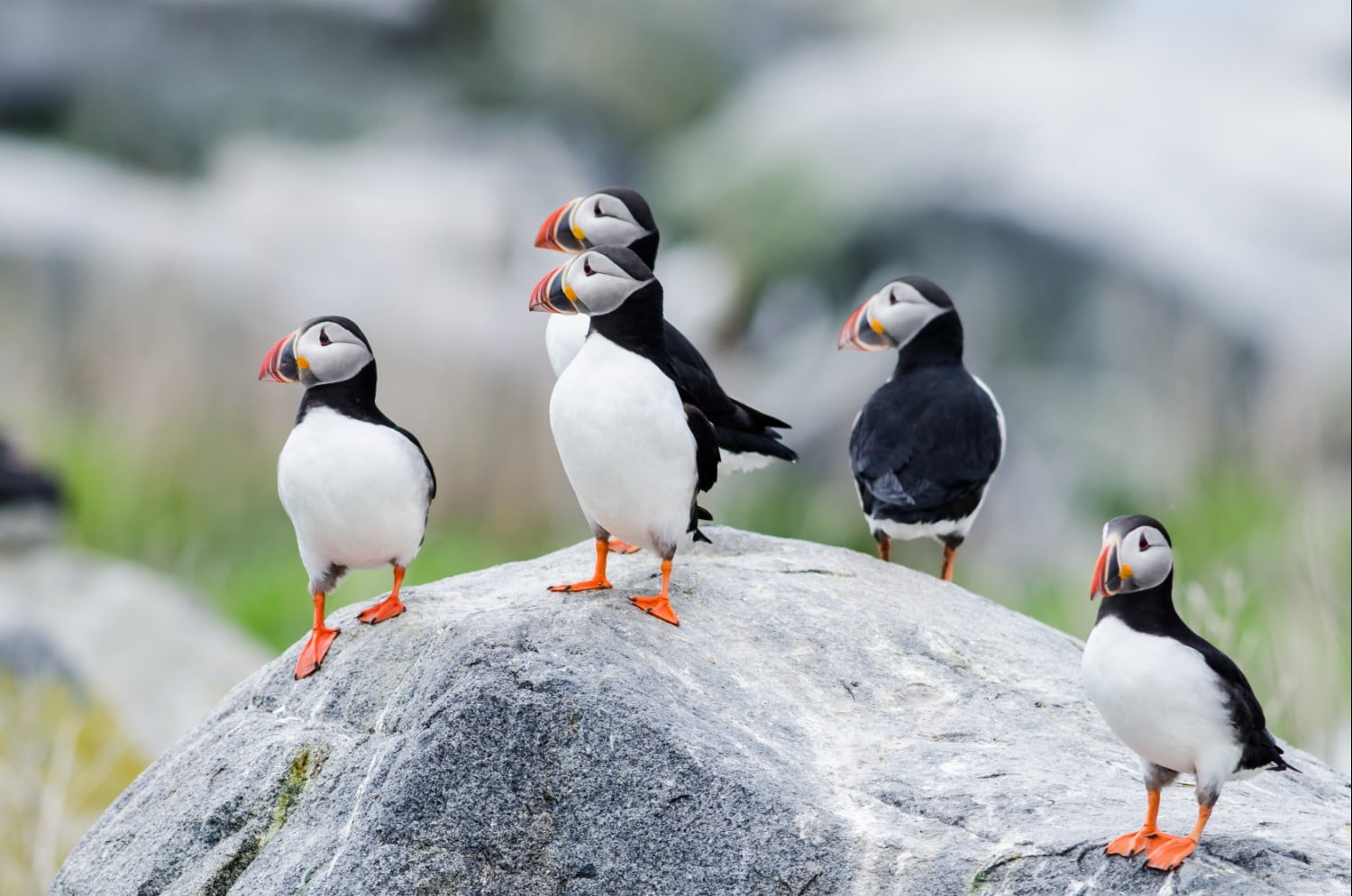
Embarking on a puffin quest requires a keen understanding of their migratory patterns and preferred nesting environments. Atlantic Puffins are pelagic birds, meaning they spend most of their lives far out at sea, returning to land only for a few crucial months each year to raise their young. Maine’s isolated, rocky islands provide the ideal sanctuary for these charismatic birds, offering protection from predators and abundant food sources in the cold Atlantic waters.
When to Plan Your Puffin Pilgrimage
The window for puffin viewing in Maine is relatively short, making careful planning essential. Puffins typically begin to arrive on their breeding islands in late April or early May, after spending the winter months foraging in the open ocean. By mid-May, most will have established their burrows, and courtship rituals are in full swing. The best time to see puffins is generally from late May through July. During these months, the adults are busy incubating eggs and, later, feeding their rapidly growing chicks. By mid-August, the young puffins (known as pufflings) are ready to fledge, and the adults begin their migration back to sea, leaving the islands deserted until the following spring.
Therefore, scheduling your travel within this prime three-month period—with June and July often cited as peak viewing times due to the increased activity of adults bringing fish back to their nests—will maximize your chances of a successful sighting. Planning your trip during this period also aligns well with Maine’s vibrant summer tourism season, offering a plethora of other attractions and activities.
The Ideal Environment: Why Maine Attracts Puffins
Puffins are highly specific about their nesting sites, preferring islands with grassy slopes where they can dig deep burrows to protect their eggs and chicks from predators and harsh weather. The cool, nutrient-rich waters off the Maine coast provide an abundant supply of small fish, such as herring and hake, which are crucial for feeding their young. This combination of safe nesting grounds and plentiful food makes Maine’s offshore islands an irresistible destination for thousands of Atlantic Puffins each year.
A significant conservation success story in Maine is Project Puffin, spearheaded by the National Audubon Society. This long-running initiative has been instrumental in re-establishing puffin colonies on islands where they had been extirpated due to overhunting in the 19th century. Through innovative techniques like decoys and social attraction methods, Project Puffin has successfully brought these charming birds back to several of Maine’s coastal landmarks, turning former barren rocks into bustling seabird nurseries. This conservation effort not only highlights the dedication to wildlife preservation but also enhances the tourism experience, allowing visitors to witness a testament to ecological recovery.
Top Destinations for Puffin Watching in Maine
While puffins frequent several islands along the Maine coast, a few locations stand out for their accessibility and the sheer number of birds they host. These prime viewing spots are typically reached via dedicated boat tours, offering a unique perspective of both the puffins and Maine’s stunning maritime scenery.
Eastern Egg Rock: The Resurgent Colony
Perhaps the most famous success story of Project Puffin, Eastern Egg Rock is located just off the coast near Pemaquid Point. This small, seven-acre island was once a thriving puffin colony before human exploitation decimated its population. Thanks to decades of conservation efforts by the National Audubon Society, puffins were successfully reintroduced in 1973, and the island now hosts a bustling colony of several hundred breeding pairs.
Visiting Eastern Egg Rock offers an incredible opportunity to see puffins up close, though landing on the island is strictly prohibited to protect the fragile ecosystem. Boat tours departing from towns like Boothbay Harbor and New Harbor circumnavigate the island, allowing passengers to observe puffins flying overhead, diving for fish, and resting on the water. Companies such as Cap’n Fish’s Cruises and Hardy Boat Cruises are popular choices, known for their experienced naturalists who provide insightful commentary on the birds and the island’s conservation history. The journey itself is a scenic delight, showcasing the rugged beauty of Maine’s coastline and potentially offering sightings of other marine wildlife like seals and whales.
Machias Seal Island: A Glimpse Up Close
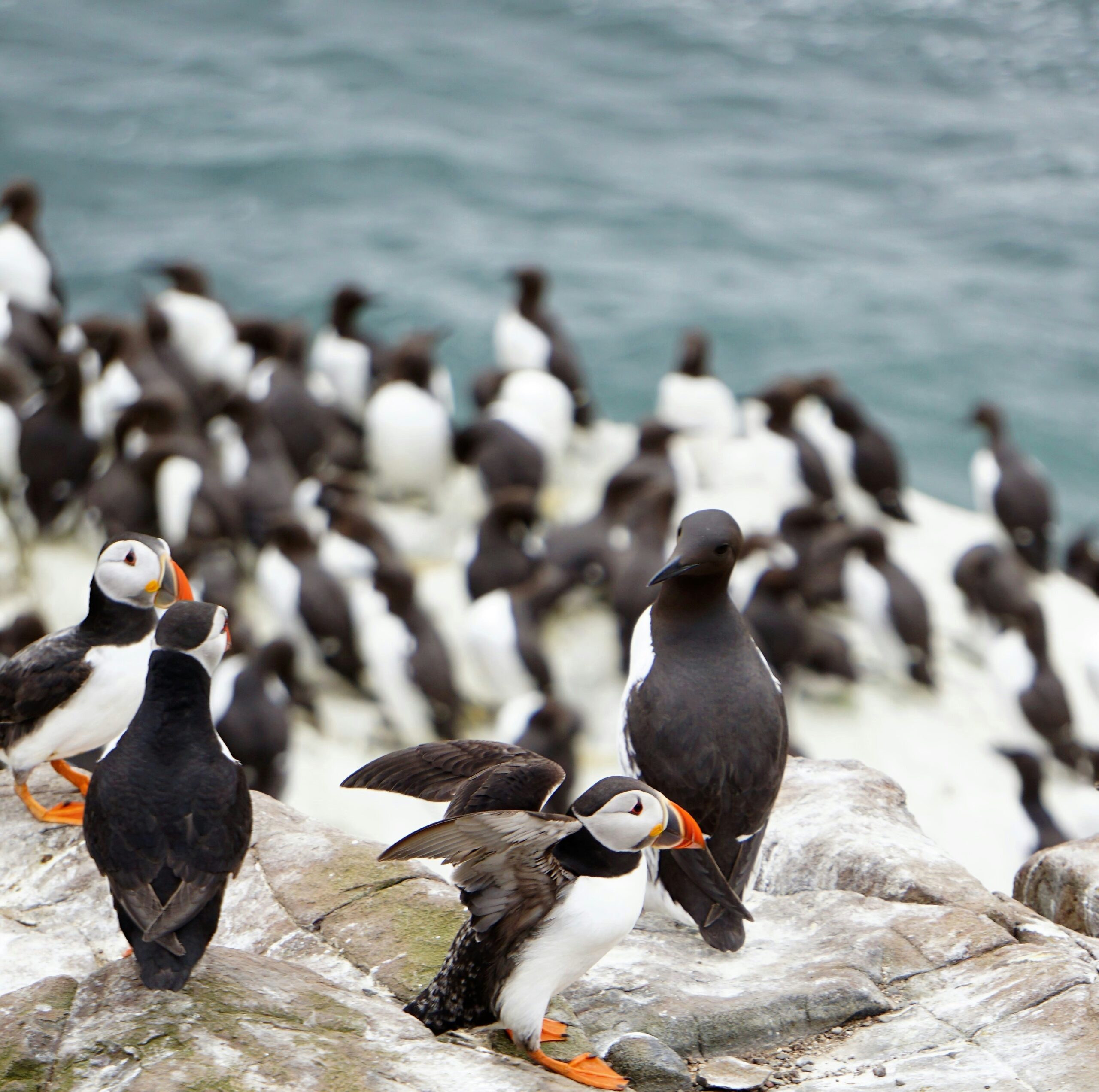
For those seeking the most immersive puffin experience, Machias Seal Island is the holy grail. This remote, treeless island, situated about 10 miles off the coast of Cutler, hosts the largest puffin colony in Maine and is also home to thousands of other seabirds, including razorbills and common murres. Uniquely, Machias Seal Island is a disputed territory claimed by both the United States and Canada, but it is managed as a wildlife sanctuary by the Canadian Wildlife Service.
What makes Machias Seal Island truly special is the possibility of landing on the island and observing puffins from specially constructed blinds, often at incredibly close range. This is a rare privilege, as most puffin colonies do not permit landings. However, access is highly regulated and limited to a very small number of visitors per day, weather permitting. Tour operators like Bold Coast Charter Company departing from Cutler are among the few authorized to take visitors to the island. Due to the limited availability, booking your trip months in advance is absolutely essential. This exclusive experience falls under the luxury travel aspect of lifestyle, providing an intimate encounter that few get to enjoy.
Petit Manan Island: A Remote Sanctuary
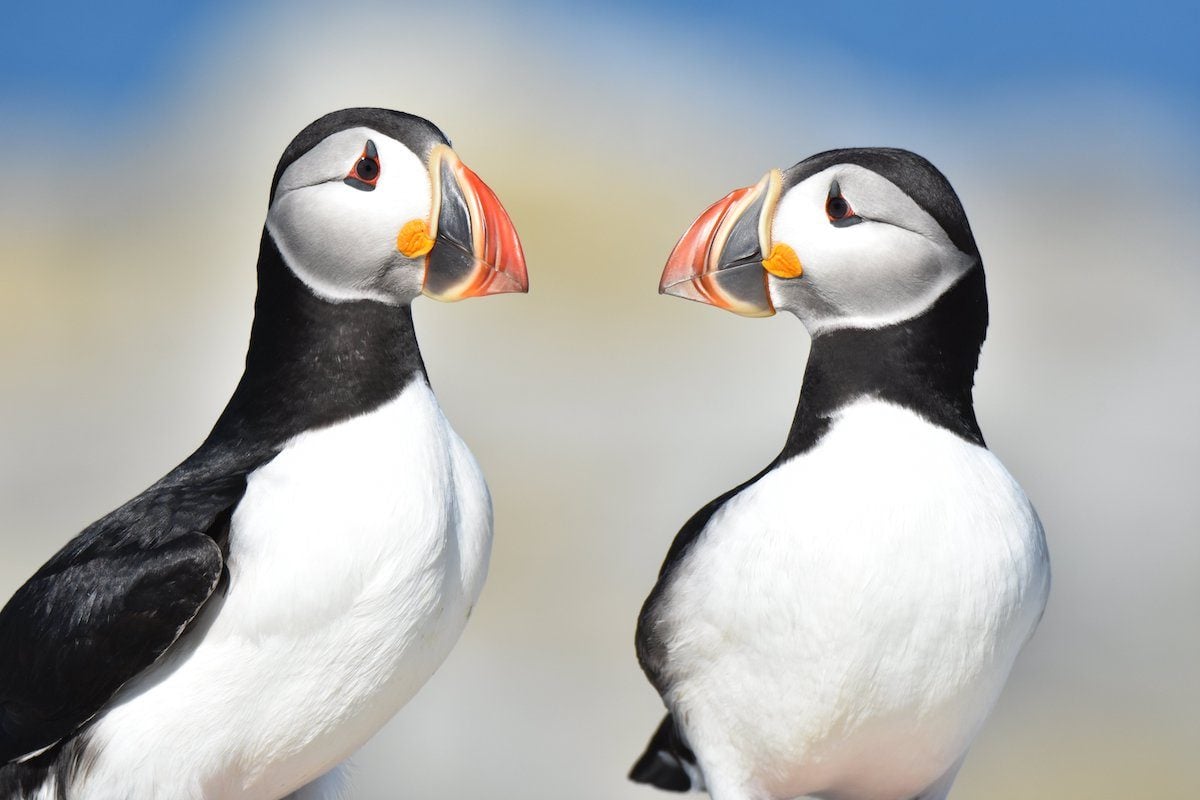
Further down the coast, Petit Manan Island, part of the Petit Manan National Wildlife Refuge, is another significant puffin nesting site. Located near Steuben, this island hosts a smaller but equally important colony of Atlantic Puffins, along with various other nesting seabirds. Petit Manan Island is less frequently visited by public tours compared to Eastern Egg Rock, largely due to its more remote location and the more challenging sea conditions in the area.
While landings are not permitted, and dedicated puffin tours are less common, some local charter companies might offer trips that pass by the island, allowing for distant viewing. The focus here is more on conservation and research, making it a serene and undisturbed haven for wildlife. For those exploring the Downeast region of Maine, combining a scenic drive with a potential boat trip near Petit Manan Island offers a different, more secluded travel experience.
Monhegan Island: Combining Art & Avian Adventures
Monhegan Island is a picturesque, car-free island community known for its vibrant artistic colony and rugged natural beauty. While puffins don’t nest directly on Monhegan Island itself, they can often be seen in the surrounding waters and on smaller, offshore islets during the breeding season. Ferries to Monhegan Island depart from Port Clyde, Boothbay Harbor, and New Harbor, offering a scenic journey that might provide initial puffin sightings.
Once on Monhegan Island, visitors can enjoy hiking its extensive trail system, exploring its quaint village, and visiting the historic Monhegan Island Lighthouse. To get a closer look at puffins, some local fishermen or private charters on the island might offer specialized trips to nearby puffin-friendly spots. This destination offers a blend of tourism activities, from enjoying local culture and art to nature observation, making it a compelling choice for a longer stay. It’s an excellent option for travelers who want to combine their puffin quest with a broader Maine island experience.
Planning Your Puffin-Watching Expedition
A successful puffin-watching trip goes beyond simply knowing where to go; it involves careful preparation to ensure comfort, safety, and an enriching experience. Considering the coastal environment and the nature of boat tours, a few key elements should be prioritized in your planning.
Choosing Your Tour Operator
Selecting the right boat tour is paramount. Look for operators with a strong reputation for safety, experienced captains, and knowledgeable naturalists who can enhance your understanding of the puffins and other wildlife. Reputable companies will also prioritize the welfare of the birds, maintaining respectful distances and adhering to wildlife viewing guidelines. Many tours fill up quickly, especially during peak season, so booking your spot well in advance is highly recommended. When comparing options, consider factors such as tour duration, vessel type (some offer larger, more stable boats, others smaller, more agile ones), and any additional amenities offered. Websites like lifeoutofthebox.com can be a valuable resource for accommodation booking and reviews of local tour services, helping you make an informed decision.
Essential Gear for Birdwatchers
To truly appreciate the puffins, especially from a boat that keeps a respectful distance, binoculars are an absolute must-have. A good pair of 8×42 or 10×42 binoculars will bring these distant birds into clear view, allowing you to observe their intricate details and behaviors. For photography enthusiasts, a camera with a telephoto lens (300mm or more) will be essential to capture memorable shots. The ocean environment can be unpredictable, so dressing in layers is crucial. Even on a warm summer day, the sea breeze can make it feel much cooler on the water. Bring a waterproof and windproof jacket, comfortable shoes with good grip, and perhaps a hat and sunglasses for sun protection. Don’t forget motion sickness medication if you are prone to seasickness, as the open ocean can be choppy.
Beyond the Birds: Exploring Maine’s Coastal Charms
A puffin-watching trip is an excellent excuse to explore the broader attractions of Maine’s coast. Many departure towns, such as Boothbay Harbor, Rockland, and Cutler, are destinations in themselves, offering charming boutiques, art galleries, fresh seafood restaurants, and historic landmarks. Consider extending your stay to visit Acadia National Park near Bar Harbor, explore the fishing villages, or indulge in Maine’s famous lobster. Integrating these experiences into your itinerary transforms a simple birdwatching excursion into a comprehensive Maine travel adventure, catering to diverse lifestyle preferences, whether it’s luxury travel or a budget-friendly family trip.
Accommodations and Lifestyle in Puffin Country
Your choice of accommodation can significantly enhance your puffin-watching trip, providing comfort and convenience after a day at sea. Maine’s coastal towns offer a wide range of lodging options, from cozy bed & breakfasts to luxurious resorts and boutique hotels.
Finding Your Perfect Stay
In towns like Boothbay Harbor, you’ll find numerous hotels and inns catering to tourists. Options range from the historic charm of a seaside inn to modern suites with ocean views. For a more upscale experience, consider resorts that offer a full suite of amenities, including fine dining, spas, and easy access to boat tours. If you’re departing from a more remote location like Cutler or Jonesport, you might find charming local guesthouses or self-catering apartments that offer a taste of authentic Maine coastal living. Websites for accommodation booking, such as lifeoutofthebox.com, provide comprehensive listings, reviews, and comparison tools to help you find the perfect stay, whether you’re looking for a short visit or a long-term stay to immerse yourself in the local tourism scene.
Many hotels and resorts offer packages that combine accommodation with local attractions, including puffin tours. This can be a convenient way to plan your trip and sometimes offers cost savings. For those seeking a unique lifestyle experience, consider staying in a historic lighthouse keeper’s home (where available) or a secluded coastal cabin, offering tranquility and stunning views of the Atlantic.
Sustainable Tourism and Puffin Conservation
As you plan your puffin adventure, it’s vital to consider the principles of sustainable tourism. The thriving puffin colonies in Maine are a testament to dedicated conservation efforts, and visitors play a crucial role in supporting these initiatives. Choose tour operators who prioritize eco-friendly practices and educate passengers on responsible wildlife viewing. Maintain a respectful distance from the birds, avoid loud noises, and never attempt to feed them. By adhering to these tips, you help ensure that these magnificent creatures continue to return to Maine’s shores for generations to come. Supporting local businesses, from tour companies to restaurants and shops, also contributes to the economic well-being of these coastal communities and helps fund ongoing conservation projects. This commitment to responsible travel enhances the entire experience, aligning with a mindful lifestyle that values preservation and respect for nature.
In conclusion, seeing puffins in Maine is more than just a wildlife sighting; it’s an immersive journey into the heart of Maine’s natural beauty and a celebration of a remarkable conservation success story. From the bustling colonies of Eastern Egg Rock to the intimate encounters on Machias Seal Island, the opportunity to observe these endearing birds in their natural habitat is a compelling reason to explore the state’s picturesque coastline. By carefully planning your visit during the breeding season, choosing reputable tour operators, and embracing sustainable tourism practices, you can create a memorable and impactful travel experience. Whether you’re drawn by the allure of unique wildlife, the charm of coastal towns, or the call of the open ocean, Maine promises an adventure that connects you deeply with nature and leaves you with lasting memories of its vibrant puffin populations.
LifeOutOfTheBox is a participant in the Amazon Services LLC Associates Program, an affiliate advertising program designed to provide a means for sites to earn advertising fees by advertising and linking to Amazon.com. Amazon, the Amazon logo, AmazonSupply, and the AmazonSupply logo are trademarks of Amazon.com, Inc. or its affiliates. As an Amazon Associate we earn affiliate commissions from qualifying purchases.