
The Golden State of California is home to some of the most awe-inspiring natural wonders on Earth: its ancient redwood forests. These colossal trees, living sentinels of time, stand as a testament to nature’s grandeur, drawing millions of visitors each year. For travelers seeking an unforgettable experience amidst towering giants, understanding where to find these magnificent redwoods is the first step in planning an extraordinary journey. California offers diverse opportunities to explore both coast redwoods (Sequoia sempervirens)—the world’s tallest living things—and giant sequoias (Sequoiadendron giganteum)—the world’s most massive trees. This guide will navigate you through the premier locations, essential planning tips, and unique experiences to ensure your redwood adventure is truly epic.
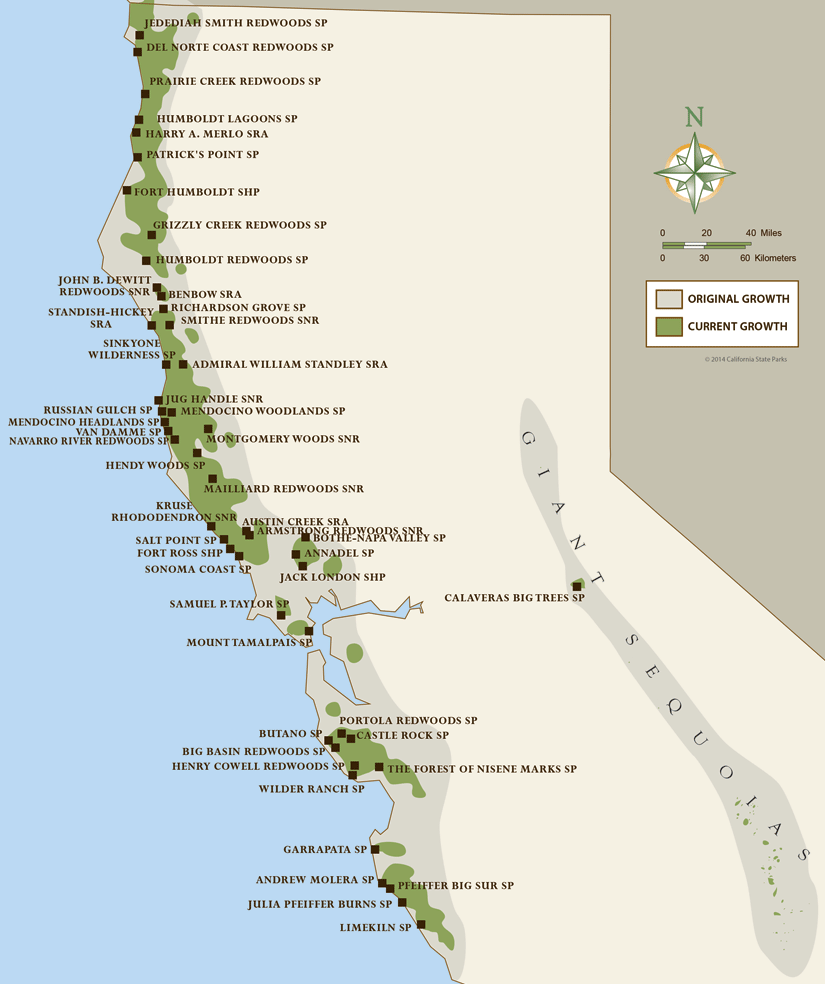
Discovering California’s Ancient Giants
Before delving into specific destinations, it’s helpful to understand the two primary types of redwoods you’ll encounter in California and their distinct habitats. Both are ancient, majestic, and provide an unparalleled sense of wonder, but they thrive in different environments and offer slightly different visitor experiences.
The Majesty of Coastal Redwoods
Coastal redwoods, or Sequoia sempervirens, are the true giants of height. These remarkable trees thrive in the moist, foggy climate along California’s northern coast, stretching from just south of San Francisco Bay up to the border with Oregon. Their dependence on coastal fog allows them to reach staggering heights, often exceeding 300 feet, with the tallest specimens pushing past 380 feet. Walking through a grove of coast redwoods is a truly humbling experience; the dense canopy filters sunlight into ethereal shafts, the air is cool and damp, and a profound silence often pervades the forest, broken only by the rustle of leaves or the distant call of a bird. These forests are characterized by their immense scale, lush undergrowth of ferns and sorrel, and a sense of timelessness that transports visitors to another world.
Exploring Giant Sequoias
In contrast to their coastal cousins, giant sequoias (Sequoiadendron giganteum) prefer the drier, higher elevations of the Sierra Nevada mountain range, primarily within Sequoia National Park and Kings Canyon National Park. While not as tall as coast redwoods, giant sequoias are far more massive, boasting incredible girths and overall volume, making them the largest living organisms on Earth by volume. The most famous example, the General Sherman Tree, stands as the undisputed champion of mass. These trees have a different aesthetic: their reddish-brown bark is often deeply furrowed, and their branches start higher up the trunk, giving them a more rugged, robust appearance. The forests they inhabit tend to be more open, often mixed with other conifers, and offer breathtaking mountain vistas alongside the tree-gazing.
Iconic Redwood Destinations
California is blessed with numerous state and national parks dedicated to preserving these magnificent forests. Each offers a unique blend of trails, scenic drives, and visitor amenities, catering to different travel styles and preferences.
Redwood National and State Parks
Comprising a coalition of Redwood National Park and three California State Parks—Jedediah Smith Redwoods State Park, Del Norte Coast Redwoods State Park, and Prairie Creek Redwoods State Park—this UNESCO World Heritage Site in northern California is arguably the best place to experience the grandeur of the coast redwoods. This vast area protects nearly half of all remaining old-growth coast redwoods.
- Jedediah Smith Redwoods State Park: Located near Crescent City, this park boasts the iconic Stout Grove, known for its picture-perfect, carpeted forest floor and some of the largest trees. The Smith River, California’s last major undammed river, flows through the park, offering opportunities for kayaking and fishing amidst the giants.
- Prairie Creek Redwoods State Park: South of Orick, this park is renowned for its herds of Roosevelt elk that frequently graze in meadows alongside the Newton B. Drury Parkway. It’s also home to the famous Fern Canyon, a stunning ravine whose 50-foot walls are completely draped in lush ferns and mosses, making it feel like a prehistoric world.
- Tall Trees Grove: Deep within Redwood National Park, this grove once held the world’s tallest known tree before new discoveries. Access requires a permit and a substantial hike, rewarding visitors with a truly immersive, secluded experience among record-breaking trees.
- Lady Bird Johnson Grove: An easily accessible loop trail near the Klamath River, offering a serene walk through ancient redwoods, perfect for families or those with limited time.
Accommodation in this region ranges from rustic campgrounds within the parks to charming hotels and motels in nearby towns like Crescent City, Orick, and Eureka. Many travelers opt for vacation rentals or cabins to enjoy a more secluded forest experience.
Humboldt Redwoods State Park and the Avenue of the Giants
Further south along Highway 101, Humboldt Redwoods State Park protects over 50,000 acres of redwoods, including the magnificent Rockefeller Forest, the largest remaining old-growth contiguous redwood forest in the world. The highlight here is undoubtedly the Avenue of the Giants, a 31-mile scenic alternative to Highway 101 that winds directly through some of the most spectacular groves. This drive is peppered with numerous pullouts and trailheads leading to iconic sites like the Founders Grove, home to the famous Dyerville Giant, a fallen titan that showcases the sheer scale of these trees. The park also offers excellent opportunities for swimming in the Eel River during summer. Towns like Garberville and Miranda offer local accommodation and amenities.
Muir Woods National Monument
For those based near San Francisco, Muir Woods National Monument offers the most accessible redwood experience. Just a short drive north of the city, this monument protects a spectacular old-growth coast redwood forest in a beautiful canyon. While smaller and often more crowded than the northern parks, Muir Woods provides an immediate and impactful encounter with these giants. A series of boardwalks and paved trails make it easy to explore, with various loop options ranging from 30 minutes to a few hours. Due to its popularity, reservations for parking or shuttle service are mandatory, ensuring a managed and enjoyable visitor experience. This is a perfect destination for a day trip from San Francisco, offering a quick but profound immersion into a redwood grove without extensive travel.
Southern and Central California Redwood Groves
While the northern coast is the heartland of the coast redwoods, and the Sierra Nevada for giant sequoias, there are other notable locations for those exploring central or southern California.
- Henry Cowell Redwoods State Park: Near Santa Cruz, this park offers an impressive grove of old-growth coast redwoods, including a famous “fused” tree and a tree hollowed out by fire that you can walk through. It’s easily accessible and provides a wonderful sense of peace, with hiking trails leading to the San Lorenzo River.
- Big Basin Redwoods State Park: California’s oldest state park, located in the Santa Cruz Mountains, was devastated by the CZU Lightning Complex Fire in 2020. While much of the infrastructure was lost, the resilient redwoods are slowly recovering. Limited access has begun, offering a unique opportunity to witness forest regeneration firsthand, though visitors should check the latest conditions before planning a trip. It stands as a powerful reminder of the redwood’s resilience and the cycle of nature.
- Sequoia National Park and Kings Canyon National Park: These adjacent parks in the Sierra Nevada are the best places to see giant sequoias. Sequoia National Park is home to the Giant Forest, which contains five of the ten largest trees in the world, including the General Sherman Tree. Kings Canyon National Park features Grant Grove, where the General Grant Tree (the second largest tree in the world) resides. These parks offer extensive hiking, scenic drives, and a true alpine wilderness experience alongside the enormous trees. Lodging options within the parks include lodge rooms, cabins, and numerous campgrounds.
Planning Your Redwood Adventure
A trip to the redwoods can be a simple day trip or an extended adventure. Proper planning ensures a smooth and memorable experience, whether you’re seeking luxury accommodations or a rustic camping escape.
Best Time to Visit
The redwood parks can be visited year-round, each season offering distinct advantages.
- Summer (June-August): Offers the warmest weather and longest daylight hours, ideal for hiking and outdoor activities. However, it’s also the busiest season, especially in popular parks like Muir Woods and Redwood National and State Parks. Advance accommodation and activity bookings are highly recommended.
- Fall (September-November): Generally provides pleasant temperatures, fewer crowds, and beautiful autumn colors in the deciduous trees mixed among the evergreens. This is often considered an ideal time for a more serene experience.
- Winter (December-February): Brings rain and cooler temperatures to the coastal redwoods, enhancing the misty, mystical atmosphere. Snow blankets the giant sequoia groves, creating a magical winter wonderland, though some roads and trails may close. This is the quietest time, perfect for solitude seekers.
- Spring (March-May): Features vibrant green foliage, blooming wildflowers, and mild weather. Visitor numbers increase as the season progresses, but it’s still less crowded than summer.
Accommodation Options Near the Redwoods
From cozy boutique hotels to immersive campgrounds, there’s an accommodation type for every preference and budget.
- Hotels & Motels: Towns surrounding the redwood parks, such as Eureka, Arcata, Crescent City, Garberville, Santa Cruz, and Three Rivers (near Sequoia National Park), offer a range of standard hotels and motels. Booking in advance, especially during peak season, is crucial.
- Resorts & Lodges: For a more upscale or integrated experience, consider resorts or lodges situated closer to or within the parks, such as the Wawona Hotel near Yosemite National Park (which has its own Mariposa Grove of Giant Sequoias) or various options near Redwood National and State Parks that blend into the natural surroundings.
- Cabins & Vacation Rentals: Websites like Airbnb or VRBO list numerous cabins, guesthouses, and apartments that offer more space and privacy, often with unique forest or river views.
- Camping & Glamping: Camping in a redwood grove is an unforgettable experience. Most parks offer developed campgrounds with varying amenities. Reservations are almost always necessary, sometimes months in advance. For those seeking a blend of nature and comfort, glamping (glamorous camping) options are becoming more prevalent in the region, providing tents with real beds and other comforts.
Essential Gear and Preparedness
No matter the season, pack layers as weather can change quickly, especially near the coast. Sturdy hiking boots are a must for exploring trails. Bring plenty of water, snacks, a map, and a first-aid kit. Cell service can be spotty or non-existent in many redwood areas, so download maps and information offline. Remember to pack out everything you pack in and stay on marked trails to protect the delicate forest ecosystem.
Unique Redwood Experiences
Beyond simply gazing up at these magnificent trees, there are numerous ways to engage with the redwood forests and create lasting memories.
Hiking and Backpacking
The best way to appreciate the scale and beauty of the redwoods is on foot. Trails range from easy, accessible boardwalks to challenging multi-day backcountry treks.
- Easy Walks: Many parks offer paved or flat trails suitable for all abilities, such as the Revelation Trail in Prairie Creek Redwoods State Park (wheelchair accessible) or the Big Trees Trail in Henry Cowell Redwoods State Park.
- Moderate Hikes: Explore deeper into the groves on trails like the James Irvine Trail to Fern Canyon in Prairie Creek or various loops within Humboldt Redwoods State Park.
- Backpacking: For the adventurous, multi-day backpacking trips through the remote sections of Redwood National and State Parks offer unparalleled solitude and immersion. Permits are required for backcountry camping.

Scenic Drives and Photo Opportunities
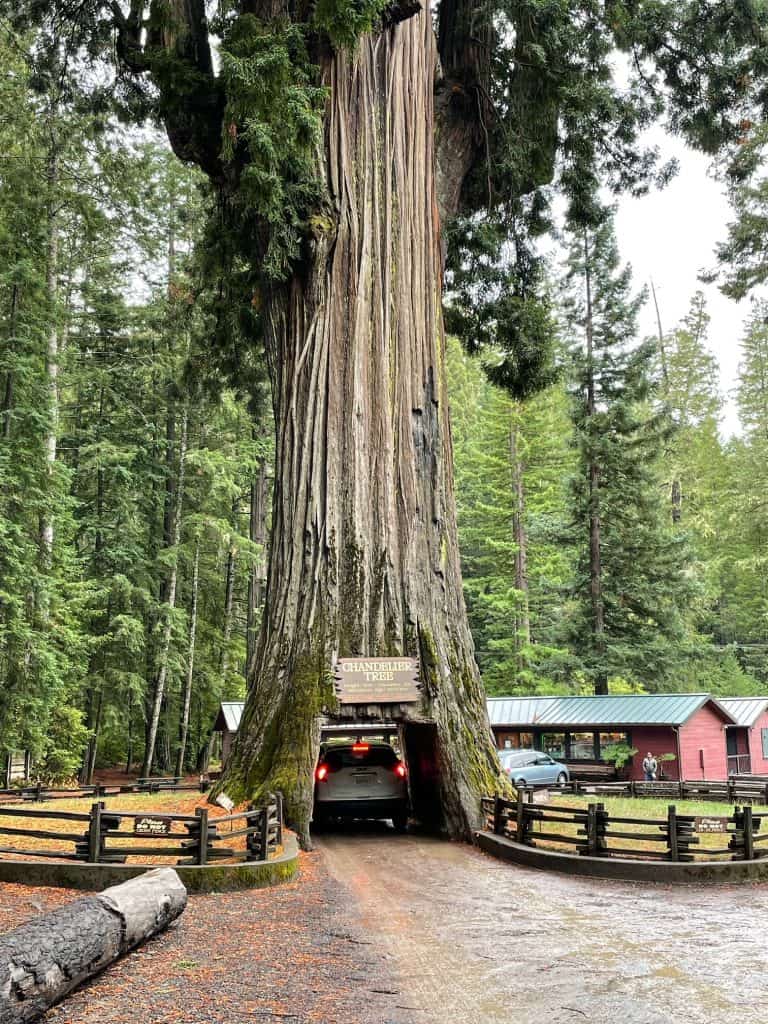
The Avenue of the Giants is undoubtedly the most famous scenic drive, but others like the Newton B. Drury Parkway in Prairie Creek and the Redwood Creek Bypass also provide stunning views from the comfort of your vehicle. Don’t miss opportunities to photograph light filtering through the canopy, the immense trunks, and the unique forest floor. Many parks also feature “drive-through trees” like the Chandelier Drive-Thru Tree in Leggett or the Shrine Drive-Thru Tree in Myers Flat for a classic, if somewhat kitschy, photo op.
Cultural and Historical Context
The redwoods hold significant cultural importance for indigenous tribes, who have lived among these forests for millennia. Visitor centers often provide information about this heritage. Additionally, the history of redwood logging and conservation efforts provides a fascinating backdrop to the current protected status of these lands. Understanding the journey from exploitation to preservation enriches the visitor’s appreciation for these invaluable ecosystems.
Making the Most of Your Trip
Visiting California’s redwoods is more than just a sightseeing trip; it’s an encounter with ancient history and unparalleled natural beauty. To maximize your experience, consider a few final tips:
- Leave No Trace: Practice the seven principles of Leave No Trace to minimize your impact on these fragile environments. Stay on trails, pack out all trash, and respect wildlife.
- Check Park Websites: Always consult official park websites (NPS.gov or Parks.ca.gov) for the most up-to-date information on conditions, closures, permits, and reservations, especially for Muir Woods or remote backcountry areas.
- Explore Beyond the Trees: While the redwoods are the main attraction, the surrounding regions offer beautiful coastline, charming small towns, and other outdoor activities. Pair your redwood visit with beach walks, river activities, or exploring local culture and food.
- Consider a Multi-Day Itinerary: Given the distances between some of the major redwood sites, especially between the coastal redwoods and giant sequoias, a multi-day trip is highly recommended to fully appreciate their diversity and spend ample time exploring.
Whether you’re marveling at the towering canopy of a coast redwood or standing awestruck beneath the colossal girth of a giant sequoia, the experience of being among these ancient trees is profoundly moving. They offer not just a glimpse into nature’s grandeur but also a serene escape from the modern world. Start planning your California redwood adventure today and prepare to be inspired by nature’s living skyscrapers.
LifeOutOfTheBox is a participant in the Amazon Services LLC Associates Program, an affiliate advertising program designed to provide a means for sites to earn advertising fees by advertising and linking to Amazon.com. Amazon, the Amazon logo, AmazonSupply, and the AmazonSupply logo are trademarks of Amazon.com, Inc. or its affiliates. As an Amazon Associate we earn affiliate commissions from qualifying purchases.