
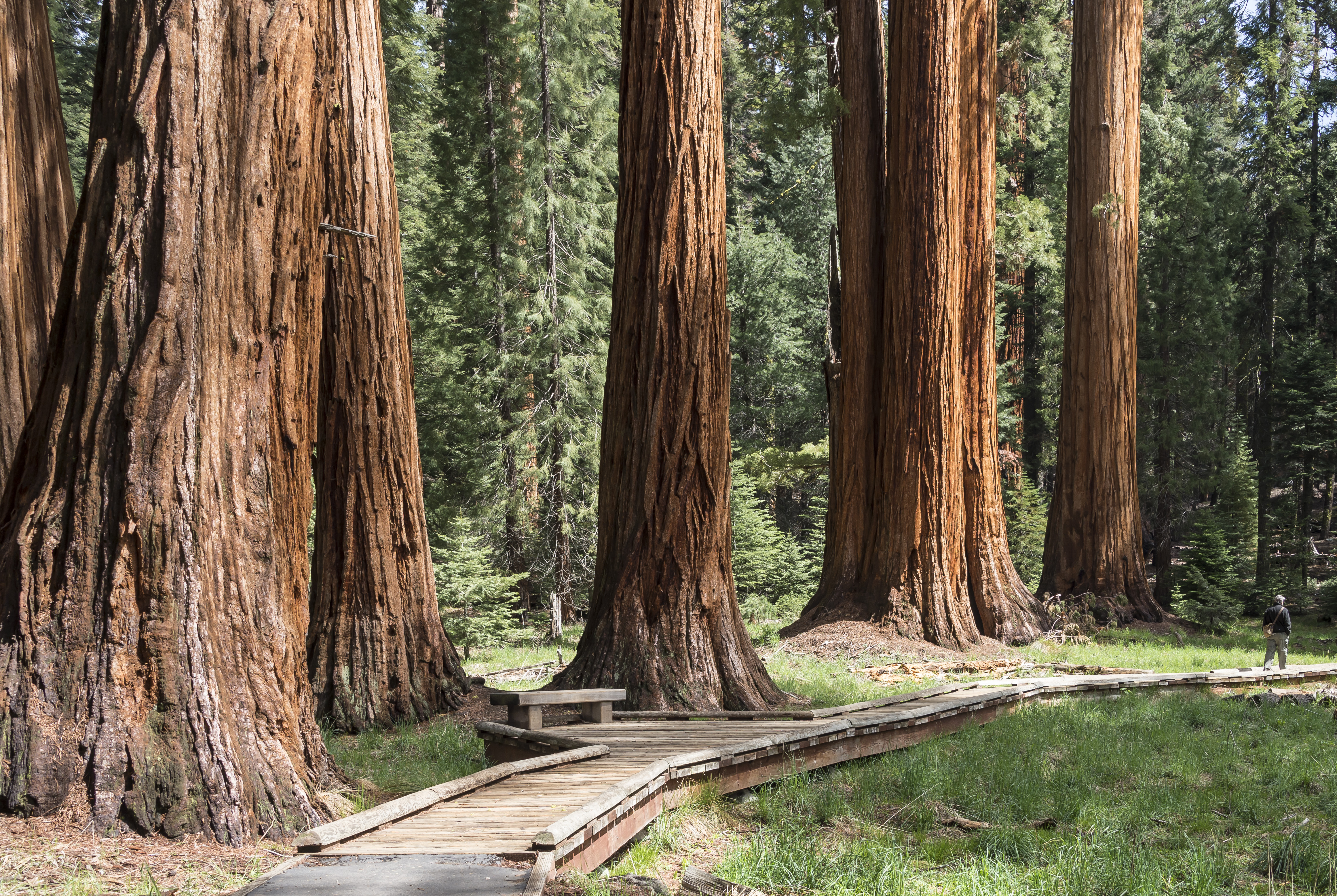
Sequoia trees, particularly the majestic Giant Sequoias (Sequoiadendron giganteum), are among the most awe-inspiring natural wonders on Earth. These ancient giants, known for their immense size and longevity, draw visitors from around the globe to the Golden State of California. Witnessing these titans firsthand is an experience that connects you to the deep history of our planet and the enduring power of nature. This guide focuses on the premier destinations and experiences for encountering these magnificent trees, offering insights for every traveler seeking to stand in the shadow of these living legends.

Sequoia National Park: The Heart of the Giant Forest
Sequoia National Park, established in 1890, is the oldest national park created to protect living trees and is arguably the most iconic location for seeing Giant Sequoias. Nestled in the southern Sierra Nevada mountains, the park is home to more than half of the world’s remaining Giant Sequoia population. Its accessibility, combined with the sheer density and grandeur of its groves, makes it a top destination for nature enthusiasts and travelers alike.
The Giant Forest: A Living Cathedral
The Giant Forest is the park’s most famous grove and a UNESCO World Heritage Site. This area boasts the largest trees by volume, including the undisputed king, General Sherman Tree.
General Sherman Tree: The Largest Tree on Earth
The General Sherman Tree is not the tallest or the widest, but it is recognized as the largest living single-stem tree on Earth by volume. Its colossal size is difficult to comprehend until you are standing at its base, craning your neck upwards. A paved, accessible trail leads to the tree, allowing visitors of all abilities to marvel at its immensity. Designated viewing areas offer unobstructed perspectives, and interpretive signs provide fascinating details about its age, growth, and ecological significance. The journey to General Sherman is a pilgrimage for many, a chance to stand beside a true natural monument that has lived for over two millennia.
Other Notable Groves and Trails
Beyond General Sherman, the Giant Forest offers numerous other points of interest and walking trails.
- Congress Trail: This 2-mile paved loop trail winds through the heart of the Giant Forest, offering a more immersive experience. It takes you past other notable trees like the President Tree, the Senate and House of Representatives, and the Mothers and Daughters. The trail is relatively flat and provides ample opportunities for quiet contemplation amidst the towering giants.
- Moro Rock: While not directly a sequoia grove, a hike up the granite dome of Moro Rock provides panoramic views of the Giant Forest and the surrounding Great Western Divide. The 350-step stairway carved into the rock leads to the summit, offering a rewarding vista after a moderate climb.
- Tunnel Log: This fallen sequoia, through which a road was once cut, now serves as a popular photo opportunity. Visitors can drive their vehicles through the archway created by the immense trunk, further illustrating the scale of these trees.
Planning Your Visit to Sequoia National Park
To best experience Sequoia National Park, consider visiting during the shoulder seasons of spring (late April to May) or fall (September to October) to avoid the peak summer crowds and enjoy pleasant weather. Winter visits can be magical, with snow dusting the forest floor, but require preparation for winter driving conditions and potential road closures. Lodging within the park, such as the Wuksachi Lodge, offers unparalleled convenience and immersion, though advance reservations are highly recommended.
Kings Canyon National Park: A Majestic Companion
Adjacent to Sequoia National Park, Kings Canyon National Park shares much of its natural heritage, including magnificent groves of Giant Sequoias. The two parks are managed jointly, and many visitors explore both on a single trip. Kings Canyon is renowned for its dramatic glacial canyons, but its sequoia groves are equally impressive and often less crowded than those in Sequoia.
Grant Grove: Home of the General Grant Tree
Grant Grove is the primary sequoia attraction within Kings Canyon National Park. It is home to the General Grant Tree, officially recognized as the “Nation’s Christmas Tree” by President Calvin Coolidge in 1924.
General Grant Tree: The Nation’s Christmas Tree
The General Grant Tree is the third-largest Giant Sequoia by volume and holds a special place in American history and hearts. The paved loop trail to the General Grant Tree is short and accessible, making it easy for families and all visitors to appreciate its grandeur. Interpretive exhibits provide context about the tree’s history and its designation as the Nation’s Christmas Tree. The atmosphere in Grant Grove is often serene, offering a more intimate encounter with these ancient beings.
Exploring Other Groves in Kings Canyon
Kings Canyon offers further opportunities to wander among the giants.
- Redwood Mountain Grove: This is the largest grove of Giant Sequoias in the world, stretching for miles. While much of it is accessible only by backcountry trails, the Redwood Mountain Overlook provides a stunning vantage point to survey the vast expanse of the grove. For the more adventurous, hiking trails here offer a chance to experience these trees in a more wild and less-trafficked setting.
- McClure Meadow Trail: This trail, accessible from the Generals Highway, leads to a beautiful mountain meadow and passes through smaller, less-visited sequoia groves. It’s an excellent option for those seeking solitude and a deeper connection with the forest.
Lodging and Access in Kings Canyon
Similar to Sequoia, lodging options within Kings Canyon are limited but offer a unique experience. John Muir Lodge and Grant Grove Cabins are popular choices. The Generals Highway connects both parks, allowing for seamless travel between them. Be aware that winter conditions can affect road access, especially to the deeper canyon areas of Kings Canyon.

Yosemite National Park: A Different Kind of Sequoia Experience
While perhaps more famous for its granite cliffs and waterfalls, Yosemite National Park is also home to significant groves of Giant Sequoias, offering a distinct perspective on these monumental trees within a world-renowned landscape. The park’s sequoias are located in three main areas, each with its own unique charm.
Mariposa Grove: Yosemite’s Largest Sequoia Grove
The Mariposa Grove, located near the south entrance of Yosemite National Park, is the park’s largest grove of Giant Sequoias and is one of the most significant in California. After a multi-year restoration project, the grove has been revitalized and made more accessible.
Highlights of Mariposa Grove
- Grizzly Giant: This iconic tree is one of the largest and oldest sequoias in the grove, estimated to be around 3,000 years old. Its gnarled branches and massive trunk are a testament to its enduring resilience.
- The Tunnel Tree (Fallen Monarch): Unlike the carved-through tree in Sequoia National Park, the Fallen Monarch in Mariposa Grove is a massive fallen sequoia that visitors can walk through. It offers a unique perspective on the tree’s internal structure and the decomposition process that returns its nutrients to the forest floor.
- The Bachelor and Three Graces: These three impressive sequoias stand close together, creating a beautiful photographic composition and highlighting the social nature of some sequoia groupings.
Other Yosemite Sequoia Groves
Beyond Mariposa Grove, two smaller groves offer additional opportunities to see these ancient trees:
- Tuolumne Grove: Located off Tioga Road, this grove is smaller and generally less crowded. It features a Wawona Tunnel Tree (a fallen tree that visitors can walk through) and is accessible via a moderate downhill hike, meaning an uphill climb on the return.
- Merced Grove: This is the smallest and most secluded of Yosemite’s three groves, offering a quiet and contemplative experience. It is also accessed by a downhill hike with an uphill return.
Visiting Yosemite’s Groves
The Mariposa Grove is accessible via a shuttle system during peak seasons, making it convenient for visitors to reach the grove from parking areas. The Tuolumne Grove and Merced Grove are best visited during the summer and fall months when Tioga Road is typically open. Yosemite Valley itself offers a wealth of attractions, making it easy to combine a visit to the sequoias with other iconic Yosemite experiences.
Other Notable Locations to Encounter Giant Sequoias
While Sequoia, Kings Canyon, and Yosemite National Parks are the most prominent, California offers other remarkable places to witness Giant Sequoias, often in more intimate or less-visited settings.
Calaveras Big Trees State Park: The “Discovery” Grove
Located in the Sierra Nevada foothills, Calaveras Big Trees State Park is home to the North Grove and the South Grove, containing some of the most spectacular Giant Sequoias. It is historically significant as one of the first places where the existence of these massive trees was widely publicized in the United States in the mid-19th century.
Exploring Calaveras Big Trees
- North Grove: This grove features well-maintained trails, including the popular loop around the Pioneer Cabin Tree (a fallen, tunnel-like sequoia) and the Goliath tree. The Grays Bend Trail offers a more strenuous hike into deeper sections of the grove.
- South Grove: This grove is larger and more primitive, accessible by a 3-mile hike. It offers a more secluded experience and is home to the towering Agassiz Tree, one of the largest sequoias in the park.
Hume Lake Christian Camps: A Private Sanctuary
While not a public park, Hume Lake Christian Camps operates in proximity to sequoia groves and sometimes offers access or tours that include views of these majestic trees. It’s worth inquiring directly with the camp if you are interested in exploring this option.
Stanislaus National Forest and Sierra National Forest
Portions of Stanislaus National Forest and Sierra National Forest also harbor smaller, scattered groves of Giant Sequoias. These areas are often less developed and require more effort to access, appealing to those seeking a more rugged, backcountry experience. Researching specific trailheads and grove locations within these national forests is recommended for those interested in venturing off the beaten path.
Tips for a Memorable Sequoia Experience
To ensure your journey to see these magnificent trees is as rewarding as possible, consider these practical tips:
- Timing Your Visit: Spring and fall generally offer the most pleasant weather, with fewer crowds than the summer months. Winter can be beautiful but requires preparedness for snow and potential road closures.
- Book Accommodations in Advance: Lodging within or near national parks, especially Sequoia and Yosemite, can fill up months in advance.
- Be Prepared for Altitude: Many sequoia groves are at elevations between 4,000 and 7,000 feet. Take it easy upon arrival, stay hydrated, and be aware of potential altitude sickness symptoms.
- Respect the Environment: Stay on marked trails to protect the fragile forest floor and the sequoias themselves. Do not carve or damage the trees. Pack out everything you pack in.
- Wear Appropriate Footwear: Comfortable walking shoes or hiking boots are essential, as you’ll likely be doing a fair amount of walking and exploring.
- Carry Water and Snacks: Amenities can be limited, especially on trails. Ensure you have enough water and sustenance for your explorations.
- Download Offline Maps: Cell service can be unreliable in the national parks. Download maps of the areas you plan to visit before you leave home.
- Check Park Conditions: Always check the official websites for Sequoia, Kings Canyon, and Yosemite National Parks for the latest information on road closures, trail conditions, and any alerts before your visit.
Standing among the Giant Sequoias is an unforgettable experience, a profound encounter with the ancient and the immense. California’s sequoia parks offer diverse landscapes and varying degrees of accessibility, ensuring that whether you seek iconic landmarks or serene solitude, you can find your personal connection to these living giants.
LifeOutOfTheBox is a participant in the Amazon Services LLC Associates Program, an affiliate advertising program designed to provide a means for sites to earn advertising fees by advertising and linking to Amazon.com. Amazon, the Amazon logo, AmazonSupply, and the AmazonSupply logo are trademarks of Amazon.com, Inc. or its affiliates. As an Amazon Associate we earn affiliate commissions from qualifying purchases.