
California is home to some of the most awe-inspiring natural wonders on Earth, and among them, the colossal giant sequoias stand as titans of the plant kingdom. These ancient trees, scientifically known as Sequoiadendron giganteum, are the largest trees by volume on the planet, their immense presence evoking a profound sense of wonder and insignificance. For travelers seeking an unforgettable encounter with nature’s grandeur, witnessing these giants in their native habitat is a bucket-list experience. While they once carpeted vast swathes of the Sierra Nevada mountains, today, protected groves offer the best and most accessible opportunities to marvel at their scale, longevity, and sheer resilience. This guide will lead you to the premier destinations across California where you can stand in the shadow of these magnificent living monuments.

Sequoia National Park: The Realm of Giants
Sequoia National Park is arguably the most celebrated destination for experiencing giant sequoias, and for good reason. It is here that you will find the General Sherman Tree, the largest living tree on Earth by volume. The park’s landscape is dominated by these ancient behemoths, creating an atmosphere of prehistoric reverence.
The General Sherman Tree and Giant Forest
The crown jewel of Sequoia National Park is undoubtedly the General Sherman Tree. Standing at an astounding 275 feet tall and with a base diameter of over 36 feet, its sheer immensity is difficult to comprehend until you are standing before it. The tree is estimated to be around 2,300 to 2,700 years old, a testament to its enduring strength and the vital role of conservation efforts in protecting these ancient beings. The Giant Forest itself, where the General Sherman Tree resides, is home to more than 40 giant sequoias over 10 feet in diameter. Accessible via paved, relatively gentle trails, the Giant Forest Museum nearby provides excellent interpretive information about the sequoias and their ecosystem.
Congress Trail
For a more immersive experience, the Congress Trail offers a 2-mile paved loop that branches off from the General Sherman Tree area. This trail winds through the heart of the Giant Forest, allowing visitors to wander among an impressive concentration of mature sequoias. Highlights along the Congress Trail include the “House” and “Senate” groups of trees, and the awe-inspiring “Mother Tree.” The path is designed to minimize impact while maximizing the visitor’s connection with the forest, offering countless photo opportunities and moments of quiet contemplation.
Moro Rock and Tunnel Log
While not directly sequoia groves, Moro Rock and Tunnel Log are iconic landmarks within Sequoia National Park that enhance the visitor experience. Moro Rock is a massive granite dome offering panoramic views of the Great Western Divide and the surrounding wilderness. Climbing the 400-plus steps carved into its side is a rewarding endeavor. Tunnel Log is a fallen sequoia that has been tunneled through, allowing cars to pass beneath it – a fun and iconic photo opportunity that showcases the trees’ incredible girth.
Kings Canyon National Park: The Majestic Neighbor
Adjacent to Sequoia National Park, Kings Canyon National Park shares much of the same geological and ecological heritage, including spectacular groves of giant sequoias. Together, Sequoia National Park and Kings Canyon National Park form the Sequoia and Kings Canyon National Parks complex, managed as a single unit by the National Park Service.
Grant Grove: Home of the General Grant Tree
The Grant Grove is the primary attraction for giant sequoias in Kings Canyon National Park. This grove is home to the General Grant Tree, which holds the distinction of being the “Nation’s Christmas Tree.” The General Grant Tree is the third-largest sequoia by volume and is surrounded by a relatively flat, accessible loop trail that makes it easy for visitors to appreciate its splendor. The grove also contains other impressive sequoias, including the “Fallen Monarch,” a massive tree that fell centuries ago and now lies on the forest floor, allowing visitors to walk through its hollowed-out trunk and appreciate its massive scale from a unique perspective. The Grant Grove Visitor Center offers further insights into the area’s natural history.
Hume Lake and Scenic Drives
While the sequoias are the main draw, the scenic beauty of Kings Canyon National Park extends to areas like Hume Lake. This picturesque lake offers opportunities for recreation and is a gateway to some of the park’s less-trafficked sequoia groves. The drive along Generals Highway connecting Sequoia National Park and Kings Canyon National Park is itself a breathtaking experience, winding through mountainous terrain and offering glimpses of towering trees. For those interested in exploring further, trails leading into more remote areas of the park may reveal additional, less-visited sequoia stands.
Yosemite National Park: A Different Kind of Giant
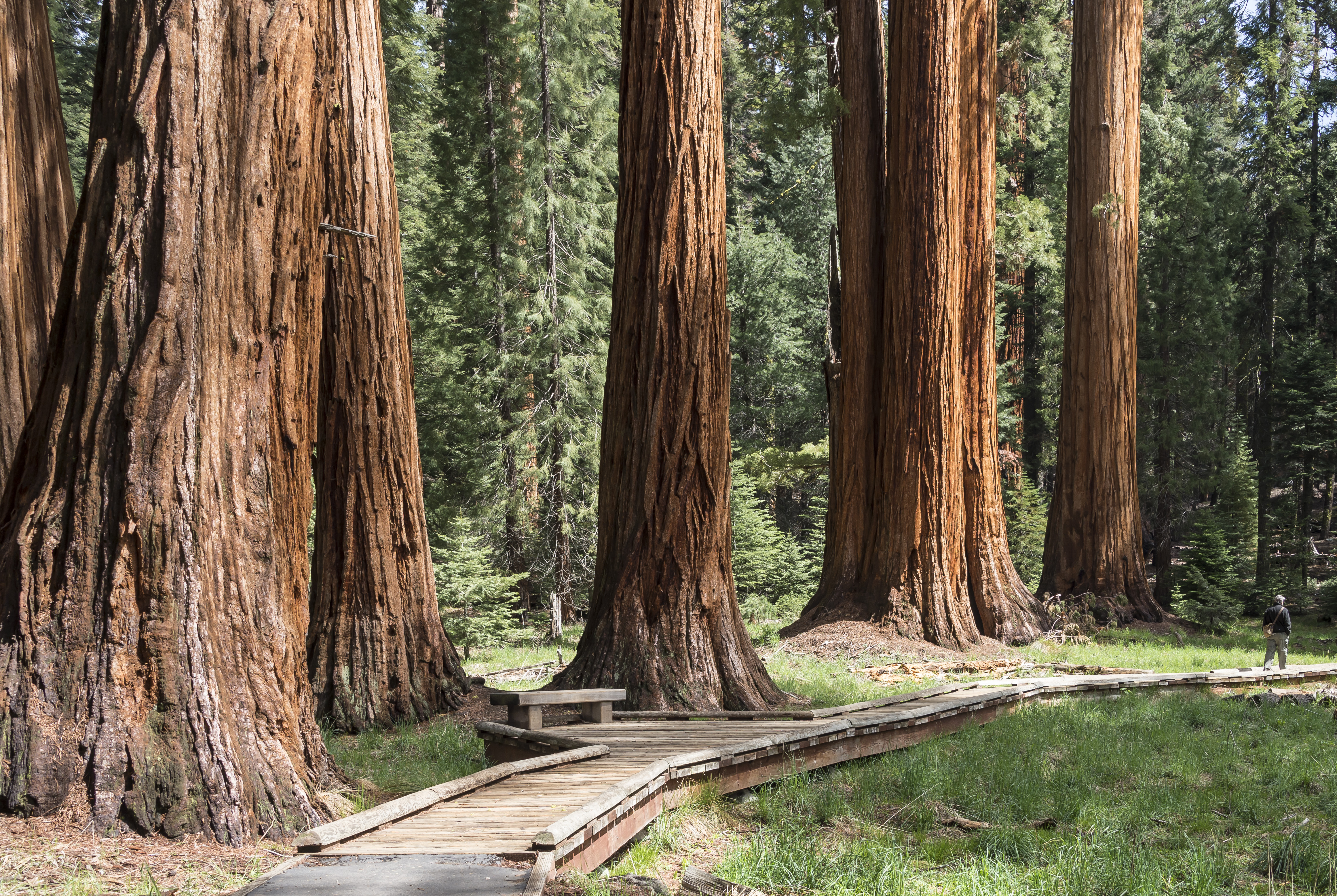
Yosemite National Park, world-renowned for its dramatic granite cliffs and waterfalls, also harbors groves of giant sequoias, offering a different, yet equally profound, encounter with these ancient trees within a more diverse landscape.
Mariposa Grove
The Mariposa Grove is the largest sequoia grove in Yosemite National Park and is considered one of the most significant collections of these giants. Located near the south entrance of the park, the grove is home to over 500 mature giant sequoias, including specimens such as the “Grizzly Giant,” believed to be one of the oldest and largest trees in the world, and the “California Tunnel Tree,” which once had a tunnel carved through its base. The grove offers a network of trails, ranging from easy paved paths to more strenuous hikes, allowing visitors to explore different sections and marvel at the diverse sizes and shapes of the sequoias. The upper grove, in particular, offers a more secluded and immersive experience. Access to the Mariposa Grove often involves a shuttle bus service during peak seasons, connecting visitors from the welcome plaza to the grove entrance.
Tuolumne Grove and Merced Grove
Beyond the Mariposa Grove, two smaller, more accessible groves offer excellent opportunities to see giant sequoias within Yosemite National Park. The Tuolumne Grove is a beautiful grove featuring about two dozen mature sequoias and a famous fallen tunnel tree that visitors can walk through. It’s accessed via a moderate downhill hike of about a mile, with the return journey being uphill. Similarly, the Merced Grove is a quieter grove, home to about 20 mature sequoias. It requires a moderate, approximately 1.5-mile hike downhill, making the return trip uphill. These smaller groves offer a more intimate encounter with the sequoias, often with fewer crowds.
Calaveras Big Trees State Park: The Birthplace of Discovery
Calaveras Big Trees State Park holds historical significance as one of the first places where the existence of giant sequoias was widely publicized, sparking both wonder and, unfortunately, early exploitation. Today, it stands as a protected haven for these ancient trees.
North Grove and South Grove
The park is divided into two main areas for viewing giant sequoias: the North Grove and the South Grove. The North Grove is the more accessible and popular of the two, featuring a flat, paved loop trail that winds past some of the park’s most impressive specimens, including the “Empire State Building” and the “Discovery Tree.” The interpretive trail provides ample information about the history and biology of the sequoias. The South Grove is larger and more remote, requiring a longer hike to access. It offers a more wild and less crowded experience, with numerous majestic sequoias spread across a considerable area. This grove is ideal for those seeking a deeper immersion in the forest and a chance to explore off the beaten path.
The “Discovery Tree” and Early History
The South Grove is particularly notable for being the site of the “Discovery Tree” (also known as the “Big Tree”), a giant sequoia that was felled in 1852 to exhibit its immense size. This event, while showcasing the grandeur of the sequoias to the wider world, also marked the beginning of their commercial exploitation. The remaining stump of the “Discovery Tree” is a poignant reminder of this history and the importance of present-day conservation efforts. Visiting Calaveras Big Trees State Park offers a unique opportunity to connect with both the natural wonder and the historical narrative surrounding these iconic trees.
Other Notable Locations and Considerations
While the national parks and Calaveras Big Trees State Park represent the most significant and accessible opportunities to see giant sequoias, several other locations offer chances to encounter these magnificent trees.
Stanislaus National Forest and Sierra National Forest
Parts of Stanislaus National Forest and Sierra National Forest contain smaller, less developed groves of giant sequoias. These areas are often more remote and require more effort to reach, typically involving hiking on less maintained trails. While they may not feature the iconic named trees of the national parks, they offer a more rustic and solitary experience for the adventurous traveler. Researching specific trails and conditions within these forests is recommended before visiting.

Planning Your Visit
When planning a trip to see the giant sequoias, consider the time of year. Spring and fall generally offer pleasant weather with fewer crowds. Summer can be hot, and the higher elevations of the Sierra Nevada can experience afternoon thunderstorms. Winter offers a different kind of beauty, with snow blanketing the groves, but access may be limited. Always check the official park or forest service websites for the most current information on road conditions, trail closures, and any required reservations. Wear comfortable hiking shoes, bring plenty of water, and be prepared for varying weather conditions. Respecting the delicate ecosystem by staying on marked trails and not disturbing the trees or their surroundings is paramount to preserving these ancient wonders for future generations. The awe-inspiring scale and enduring presence of the giant sequoias make a journey to witness them an unparalleled experience in natural exploration.
LifeOutOfTheBox is a participant in the Amazon Services LLC Associates Program, an affiliate advertising program designed to provide a means for sites to earn advertising fees by advertising and linking to Amazon.com. Amazon, the Amazon logo, AmazonSupply, and the AmazonSupply logo are trademarks of Amazon.com, Inc. or its affiliates. As an Amazon Associate we earn affiliate commissions from qualifying purchases.