
Navigating the intricacies of state tax returns can often feel like deciphering a complex travel itinerary, especially for those who embrace the vibrant, transient lifestyle that the Golden State so famously inspires. Whether you’re a long-time resident, a recent transplant enjoying California’s diverse landscapes, or a non-resident earning income within its borders, understanding where to send your California state tax return is a crucial piece of your annual financial journey. For the global traveler, the remote worker, or anyone who finds themselves enjoying the amenities of luxury hotels in Los Angeles, exploring the culinary delights of Napa Valley, or soaking up the sun at a beach resort in San Diego, these financial responsibilities remain a constant.
This comprehensive guide aims to demystify the process, ensuring your tax obligations are met with precision, allowing you to focus on planning your next adventure, whether it’s scaling the peaks of Yosemite National Park or discovering the cultural gems of San Francisco. We’ll cover the essentials of who needs to file, when to file, and most importantly, the exact addresses where your carefully prepared documents should be sent. We’ll also explore the modern conveniences of e-filing, which perfectly complements a lifestyle on the go, allowing you to manage your finances from virtually any corner of the globe.
Understanding California’s Tax Landscape for Travelers and Residents
Before you even consider where to send your return, it’s vital to understand if you need to send one at all, and what your residency status means for your tax obligations in California. The state’s tax laws are nuanced, particularly for individuals who lead a mobile lifestyle, perhaps hopping between vacation rentals or extended stays at various resorts throughout the year.
Who Needs to File a California Tax Return?
The California Franchise Tax Board (FTB) generally categorizes filers into three main groups: residents, part-year residents, and non-residents. Each category comes with its own set of rules and requirements.
- Residents: If you are a resident of California for the entire tax year, you are generally required to report all your income, regardless of where it was earned, to the state. This means that if you took an extended trip abroad, worked remotely from another state, or even stayed at a boutique hotel in Paris, your worldwide income is subject to California tax. Residency is determined by factors like where you have your permanent home, where your family lives, where you are registered to vote, and where your vehicle is registered.
- Part-Year Residents: This category applies to individuals who moved into or out of California during the tax year. For example, if you relocated from New York to San Francisco in July, you would be considered a part-year resident. You will need to report all income received while a California resident, and only California-source income received while a non-resident. This status often involves more complex calculations and a specific form (Form 540NR, discussed below).
- Non-Residents: Even if you don’t live in California, you may still need to file a state tax return if you earned income from California sources. This could include wages for work performed in the state, rental income from California property, or income from a business operating within California’s borders. Many digital nomads or business travelers who take on projects in California for a few weeks or months may fall into this category, even if their main residence is elsewhere.
Understanding your status is the first critical step to ensuring compliance and avoiding potential penalties. When planning your travels or considering a move, it’s wise to keep these distinctions in mind.
Key Deadlines to Keep in Mind
For most individual taxpayers, the standard deadline for filing California state tax returns is April 15th (or the next business day if April 15th falls on a weekend or holiday). This aligns with the federal tax deadline, simplifying the process for many. However, it’s always prudent to check the official Franchise Tax Board website for any specific announcements or changes, especially around holidays.
If you find yourself on an extended journey, perhaps exploring the ancient ruins of Machu Picchu or enjoying a long-term stay in a secluded villa in Bali during tax season, don’t panic. You can request an automatic extension to file your return. While an extension grants you more time to file, it does not extend the time to pay any taxes due. Estimated tax payments are generally still due by April 15th to avoid penalties. For those with a wanderlust spirit, keeping track of these deadlines, even when on the other side of the world, is essential for a stress-free return home. Many travelers use online tax software or engage a tax professional to manage these commitments, ensuring that their financial obligations don’t interrupt their global explorations.
The Essential Guide: Where to Mail Your California State Tax Return
Once you’ve determined your filing status and prepared your return, the next crucial step is sending it to the correct address. The Franchise Tax Board uses different mailing addresses depending on whether you are remitting a payment, expecting a refund, or filing a specific type of return. Sending your return to the wrong address can delay processing, potentially impacting refunds or incurring late penalties.
Different Forms, Different Addresses
It’s imperative to consult the official instructions for your specific form for the most up-to-date mailing addresses. However, here are the general categories and their corresponding typical mailing addresses. Please note these are subject to change and should always be verified with the current year’s FTB instructions.
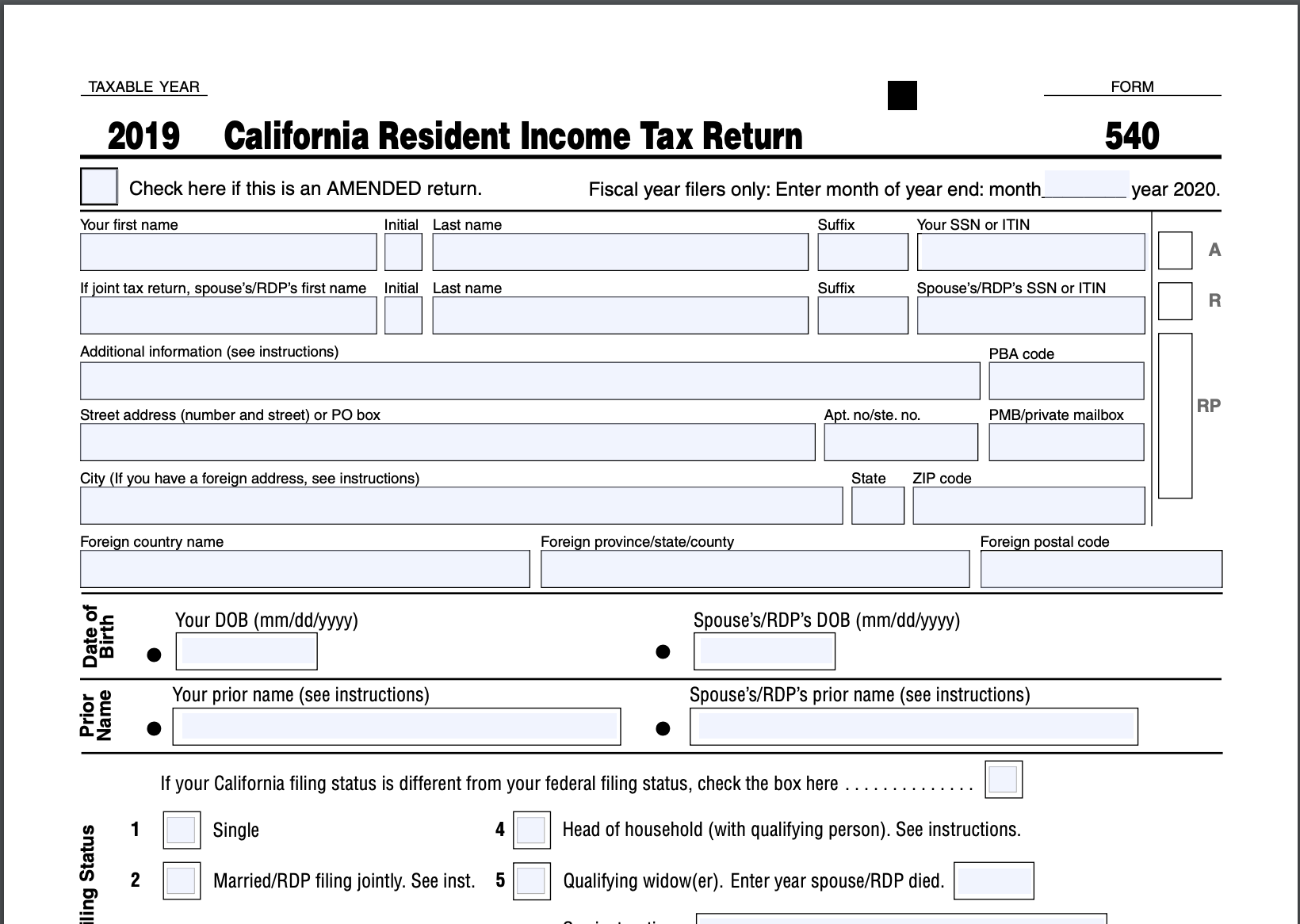
For Form 540 (California Resident Income Tax Return):
-
If you are enclosing a payment (check or money order):
Franchise Tax Board
PO Box 942867
Sacramento, CA 94267-0001
When sending a payment, ensure your check or money order is made payable to the “Franchise Tax Board” and includes your Social Security Number (SSN) or Individual Taxpayer Identification Number (ITIN) and the tax year on the memo line. -
If you are not enclosing a payment (either expecting a refund or zero balance due):
Franchise Tax Board
PO Box 942840
Sacramento, CA 94240-0001
This address is specifically for returns that do not require an accompanying payment. Double-check your calculations to confirm you truly have no amount due or are expecting a refund.
For Form 540NR (California Nonresident or Part-Year Resident Income Tax Return):
-
If you are enclosing a payment:
Franchise Tax Board
PO Box 942867
Sacramento, CA 94267-0001 -
If you are not enclosing a payment:
Franchise Tax Board
PO Box 942840
Sacramento, CA 94240-0001
Note that the addresses for Form 540NR are generally the same as for Form 540, but always confirm with the specific form’s instructions.
Other Specific Forms or Situations:
The FTB maintains dedicated addresses for various other forms, such as amended returns, estimated tax payments, or specific business returns. For instance, payment vouchers (Form 540-ES) often have a unique lockbox address. If you’re dealing with anything beyond a standard 540 or 540NR, always refer directly to the form’s instructions or the official FTB website.
Emphasizing Accuracy and Security
When mailing your return, especially if it includes sensitive personal information or a payment, consider the following best practices:
- Double-Check All Information: Ensure your name, SSN/ITIN, and the tax year are accurately filled out on all forms and checks. A small error can lead to significant delays.
- Use Proper Postage: Underpaying postage can result in your return being sent back or delayed. If your return is bulky, take it to the post office to ensure correct postage is applied.
- Consider Certified Mail with Return Receipt: For peace of mind, especially if filing close to the deadline or sending a substantial payment, use certified mail with a return receipt. This provides proof that your return was sent and received by the Franchise Tax Board.
- Keep a Copy: Always keep a complete copy of your filed return and all supporting documents for your records. This is invaluable if questions arise later.
For those who live a life on the road, managing physical mail can be a challenge. If you’re currently enjoying a cozy villa in Europe or on a long-term cruise to Alaska, arranging for a trusted friend, family member, or professional service to handle your mail can be a lifesaver. Alternatively, the advent of digital filing offers an elegant solution for the modern traveler.
Beyond Mailing: E-Filing and Digital Solutions
In an increasingly digital world, the option to file your California state tax return electronically has become the preferred method for many, offering unparalleled convenience, speed, and accuracy. This approach is particularly advantageous for those with a dynamic lifestyle, allowing tax obligations to be managed from virtually anywhere with an internet connection.
The Convenience of Online Filing
The Franchise Tax Board strongly encourages e-filing for its numerous benefits. You can typically e-file your California return through several avenues:
- Approved Tax Software: Many popular tax preparation software programs (e.g., TurboTax, H&R Block, TaxAct) are approved by the FTB for e-filing California state returns. These programs guide you through the process, perform calculations, and help identify potential deductions or credits. They often offer seamless integration with federal tax filing, streamlining the entire process.
- FTB’s ReadyReturn: If you have a relatively simple tax situation, you might be eligible to use ReadyReturn, a free online filing service offered directly by the Franchise Tax Board. This service pre-populates your return with information already on file with the FTB, making it incredibly fast and simple to review and submit.
- Tax Professionals: Many tax preparers and accountants utilize professional tax software to e-file on behalf of their clients. If your tax situation is complex, or you prefer expert assistance, a professional can handle the e-filing process for you.
E-filing not only eliminates the need for postage and trips to the post office but also significantly reduces the chances of errors, as software checks for common mistakes. It also provides immediate confirmation of receipt, offering peace of mind that your return has reached the FTB.
Benefits for the Modern Traveler
For those whose lifestyle involves frequent travel, extended stays abroad, or remote work from exotic destinations, e-filing is an invaluable tool. Imagine finalizing your tax return from a vibrant co-working space in Lisbon, a peaceful eco-lodge near Mount Everest, or even a luxury cruise ship sailing through the Caribbean.
- Access from Anywhere: As long as you have a secure internet connection, you can access your tax software or the FTB’s online services. This flexibility is a game-changer for digital nomads and globe-trotters, ensuring tax compliance doesn’t tie them down to a specific location.
- Faster Processing: E-filed returns are processed much faster than paper returns. This means quicker refunds for those expecting one, which can be a welcome boost for funding future travels.
- Reduced Paperwork: A digital footprint means less physical paperwork to carry, store, or worry about losing while in transit. Most software allows you to save digital copies of your return and supporting documents, accessible from cloud storage.
- Enhanced Security: Reputable e-filing platforms employ robust security measures to protect your sensitive financial information during transmission to the FTB. This can often be more secure than sending physical documents through the mail, especially from unsecured locations or public mailboxes.
While the thought of taxes might seem mundane compared to exploring the Golden Gate Bridge or savoring a gourmet meal in Yountville, embracing e-filing allows you to swiftly handle your responsibilities, freeing up more time and mental space for the adventures you truly cherish.
Practical Tips for a Seamless California Tax Filing Experience
Regardless of whether you choose to mail your return or embrace the digital age of e-filing, a smooth tax season is often a result of proactive planning and organized execution. These tips are especially helpful for those balancing financial duties with a passion for travel and exploration.
Gather Your Documents Early
The biggest bottleneck in tax preparation is often the scramble to find all necessary documents. Don’t wait until the last minute. As early as January, start collecting:
- Income Statements: W-2s from employers, 1099s for freelance or contract work, interest income, dividends, and other forms showing various income sources. If you’re a remote worker constantly moving, ensure your mailing address for these documents is up-to-date, or opt for electronic delivery when possible.
- Deduction and Credit Information: This might include receipts for qualified business expenses (especially relevant for business travelers), student loan interest statements, property tax records if you own property in California, or records of charitable contributions. For travelers, keep meticulous records of any expenses that could be considered business-related, such as specific travel costs, accommodation for work trips, or professional development expenses incurred while on the road.
- Prior Year’s Tax Return: This document provides a useful reference for what forms you typically file and can help you avoid overlooking income or deductions.
Having everything organized well in advance gives you ample time to review, ask questions, and make informed decisions, whether you’re at home or enjoying a scenic overlook in Big Sur.
Seek Professional Advice When Needed
While many taxpayers can confidently file their own returns, certain situations warrant the expertise of a qualified tax professional. This is particularly true for individuals with complex financial lives or unique residency situations, common among frequent travelers and digital nomads.
- Complex Residency Issues: If you’ve moved in or out of California during the year, worked remotely from multiple states or countries, or are unsure of your residency status for tax purposes, a professional can provide invaluable guidance to ensure accurate filing as a resident, part-year resident, or non-resident.
- Self-Employment or Business Income: If you run your own business, are a freelancer, or have substantial self-employment income (e.g., from an online travel blog or remote consulting), a tax advisor can help you navigate business deductions, estimated tax payments, and other intricacies.
- International Income or Assets: For global travelers with income earned in foreign countries or holding foreign bank accounts, understanding reporting requirements for both federal (e.g., FBAR, Form 8938) and state taxes can be overwhelming. A professional specializing in international tax law can ensure compliance.
- Major Life Changes: Events such as getting married, buying property, starting a family, or receiving a significant inheritance can all impact your tax situation and might benefit from expert review.
A qualified tax professional can not only help you file accurately but also identify opportunities for tax savings, ensuring you’re only paying what you legitimately owe, leaving more funds for your next adventure. Many tax professionals now offer virtual consultations, making it easy to connect with an expert no matter where your travels take you.
Embark on Your Next Adventure with Peace of Mind
Navigating where to send your California state tax return might seem like a daunting task amidst a life rich with travel and exploration, but with the right information and a methodical approach, it becomes a straightforward annual task. Whether you opt for the traditional mail route, carefully addressing your envelope to the Franchise Tax Board in Sacramento, or leverage the modern convenience of e-filing from your temporary accommodation in Kyoto, the key is accuracy, timeliness, and informed decision-making.
By understanding your residency status, adhering to deadlines, and utilizing the resources available – whether it’s official FTB instructions or professional tax advice – you can fulfill your tax obligations seamlessly. This empowers you to truly enjoy the diverse experiences California and the world have to offer, from breathtaking natural landmarks to vibrant cityscapes, without the lingering worry of unaddressed financial responsibilities. So, prepare your return, send it off, and then set your sights on your next destination – your adventures await!
LifeOutOfTheBox is a participant in the Amazon Services LLC Associates Program, an affiliate advertising program designed to provide a means for sites to earn advertising fees by advertising and linking to Amazon.com. Amazon, the Amazon logo, AmazonSupply, and the AmazonSupply logo are trademarks of Amazon.com, Inc. or its affiliates. As an Amazon Associate we earn affiliate commissions from qualifying purchases.