
Nestled in the remote corner of West Texas, the Big Bend region beckons adventurers, stargazers, and nature enthusiasts with its unparalleled beauty and rugged charm. From dramatic desert landscapes and towering canyons to diverse ecosystems and vibrant local cultures, this vast expanse offers an escape unlike any other. Planning a trip to Big Bend requires careful consideration, especially when it comes to finding the perfect place to rest your head after days of exploration. This comprehensive guide will navigate you through the diverse accommodation options, nearby towns, and essential tips to ensure your stay in Big Bend is as comfortable and memorable as the landscapes themselves.
Understanding the Big Bend Region: A Traveler’s Overview
The Big Bend area is more than just a destination; it’s an experience. Its remote location means that services and lodging can be spread out, making your choice of where to stay crucial for optimizing your visit. Understanding the geography and the main attractions will help you decide on the best base camp for your adventure.
The Allure of Big Bend National Park
At the heart of the region lies Big Bend National Park, a sprawling wilderness of over 800,000 acres designated as an International Dark Sky Park. The park itself offers a variety of experiences, from hiking the majestic Chisos Mountains and floating the Rio Grande through stunning canyons like Santa Elena Canyon and Boquillas Canyon, to discovering ancient geological formations and unique desert flora and fauna.
Inside the park, accommodation is limited to maintain its pristine nature. The only lodging within Big Bend National Park is the Chisos Mountains Lodge. Located at 5,400 feet elevation within the Chisos Basin, it offers breathtaking views and direct access to popular trails like the Lost Mine Trail and the Window Trail. Staying here provides an immersive experience, allowing you to wake up to the sounds of the desert and enjoy unparalleled stargazing right from your doorstep. However, its popularity means booking well in advance, often six months to a year out, is essential, especially for peak seasons.
Beyond the Park: Nearby Towns and Attractions
While Big Bend National Park is the main draw, the surrounding towns offer a blend of history, quirky culture, and additional lodging options. These towns serve as crucial gateways, providing amenities and a different flavor of the Big Bend experience. Understanding their unique characters will inform your accommodation choice, whether you seek rustic charm, luxurious comfort, or an artistic escape. Towns like Terlingua, Lajitas, Alpine, Fort Davis, and Marfa each offer distinct advantages, from proximity to the park to unique cultural experiences and diverse amenities. Big Bend Ranch State Park, Texas’s largest state park, also offers incredible opportunities for exploration, particularly west of the national park, providing even more space for hiking, river trips, and solitude.
Diverse Accommodation Options Near Big Bend
The variety of accommodation around Big Bend is surprisingly robust, catering to every style of traveler and budget. From traditional hotels to unique glamping experiences, rustic cabins, and extensive camping facilities, your perfect stay awaits.
Hotels, Motels, and Traditional Lodging
For those who prefer the comforts of conventional lodging, several towns bordering the park offer hotels and motels. These options typically provide standard amenities such as private bathrooms, air conditioning, and often, Wi-Fi – a luxury in this remote region.
In towns like Terlingua and its immediate vicinity, you’ll find smaller, often locally owned motels and inns. Places like the Big Bend Motor Inn in Study Butte (just outside Terlingua) offer practical, clean, and convenient stays. While not luxurious, they provide a reliable base for daily park excursions.
Further afield, in larger towns like Alpine, you’ll discover more comprehensive hotel chains and charming historic establishments. The Gage Hotel in Alpine, for instance, is a historic landmark offering a blend of Old West charm and modern luxury, complete with an acclaimed restaurant and beautiful grounds. Similarly, Marfa boasts the iconic Hotel Paisano, famous for hosting the cast and crew of the movie “Giant,” providing a slice of Hollywood history with its elegant courtyard and pool. These options often include a wider range of services, such as on-site dining, pools, and business facilities, making them suitable for longer stays or those seeking more amenities.
Unique Stays: Cabins, Glamping, and Vacation Rentals
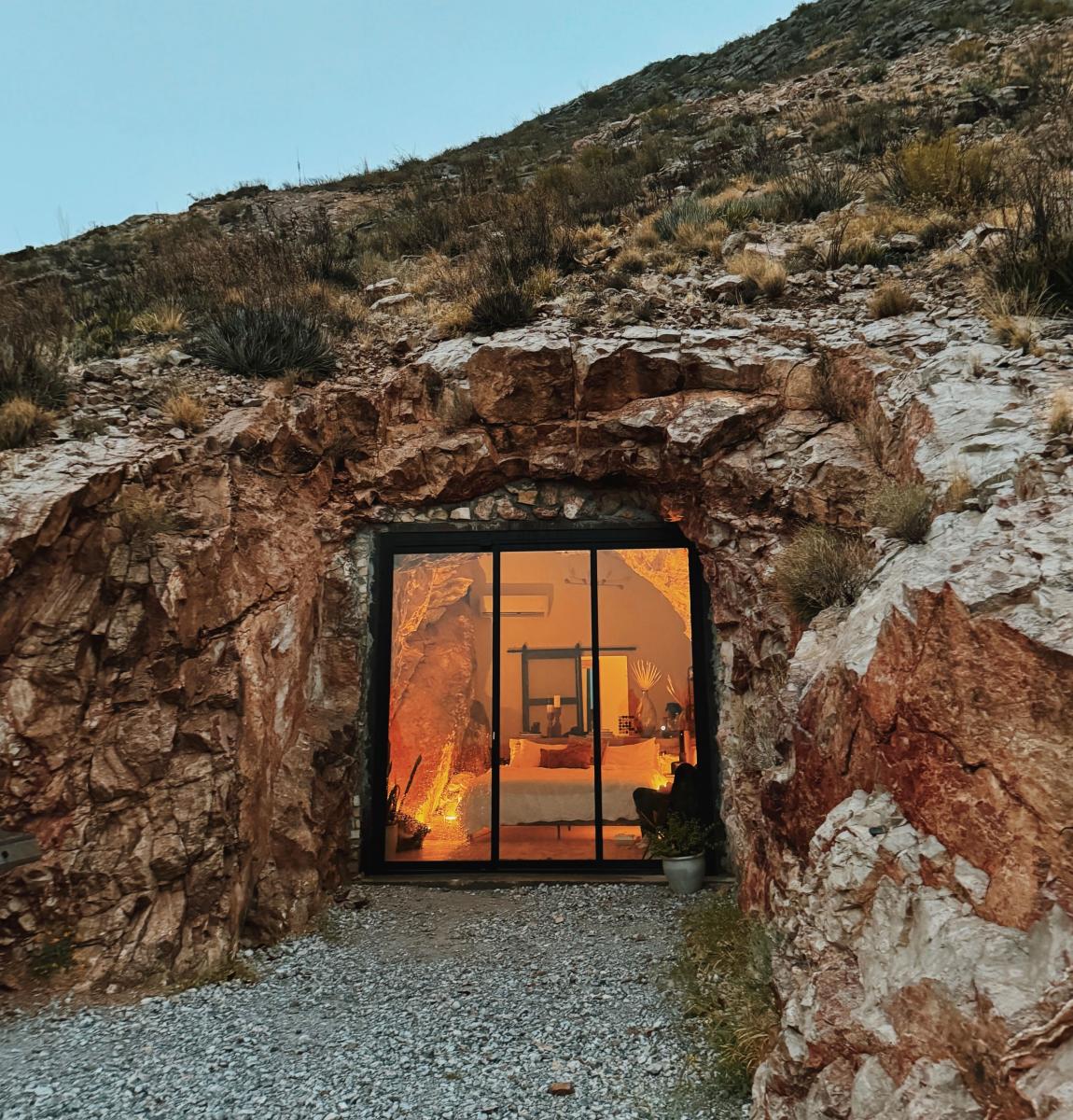
For travelers seeking something beyond the ordinary, Big Bend truly shines. The region is ripe with opportunities for unique and memorable accommodations that immerse you deeper into the desert experience.
Cabins and Cottages: Numerous privately owned cabins and cottages are available for rent, particularly around Terlingua, Study Butte, and Lajitas. These range from rustic, off-grid abodes powered by solar energy to more modern, fully equipped homes. Many offer unparalleled views of the desert and mountains, private patios perfect for stargazing, and a sense of solitude that conventional hotels cannot match. Websites like Airbnb and Vrbo are excellent resources for finding these hidden gems, allowing you to filter by amenities, location, and price point.
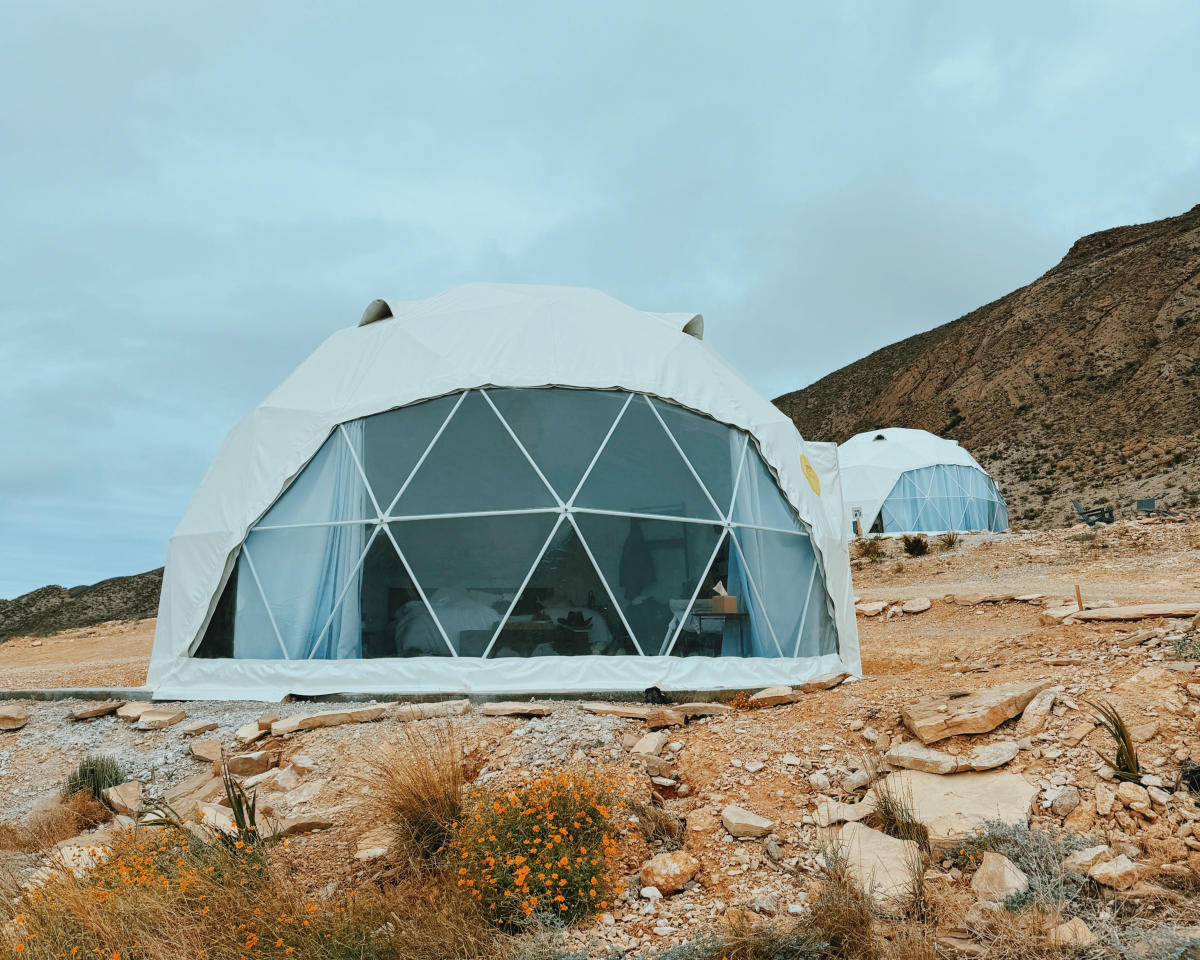
Glamping: For those who love the idea of camping but crave comfort, “glamping” (glamorous camping) has become a popular option. Think safari tents, yurts, or even vintage Airstream trailers outfitted with real beds, air conditioning, and sometimes even private bathrooms. El Cosmico in Marfa is a prime example, offering stylish and unique accommodations in a bohemian desert setting. Near Terlingua, you can find several glamping sites that provide everything from stargazing domes to luxurious tipis, bridging the gap between rugged adventure and cozy comfort. These options often come with communal spaces, fire pits, and a vibrant community atmosphere, perfect for social travelers.
Camping and RV Parks for the Outdoor Enthusiast
No guide to Big Bend accommodations would be complete without mentioning camping. This is, for many, the quintessential Big Bend experience, allowing for the deepest connection with the natural environment.
Within Big Bend National Park: The park offers several developed campgrounds:
- Rio Grande Village Campground: Located near the Rio Grande on the eastern side of the park, offering shade, flush toilets, and water. Some sites accommodate RVs.
- Chisos Basin Campground: Nestled in the mountains, providing cooler temperatures and stunning views. Tents only for most sites; a few RV sites are available for smaller vehicles.
- Cottonwood Campground: A smaller, more primitive campground near Castolon Historic District and the Rio Grande, offering a quieter experience.
Additionally, Big Bend National Park offers extensive backcountry primitive campsites for backpackers, requiring permits and strong wilderness skills. Reservations for developed campgrounds are highly recommended, especially during peak seasons, and can be made through Recreation.gov.
RV Parks Outside the Park: For RV travelers, numerous private RV parks are available in towns surrounding Big Bend National Park, particularly in Terlingua, Study Butte, and Lajitas. These parks typically offer full hookups, Wi-Fi, laundry facilities, and sometimes even swimming pools or general stores. They provide a convenient base with amenities while allowing easy access to the park entrance.
Top Destinations for Your Big Bend Basecamp
Choosing the right town as your home base is crucial for planning your Big Bend itinerary, as distances can be significant. Each town offers a different vibe and set of conveniences.
Terlingua: The Gateway to the Park
Often considered the primary gateway to Big Bend National Park, Terlingua is a historic mining town turned vibrant Ghost Town that captures the eccentric spirit of the Big Bend region. Located just a few miles from the western entrance of the park, it offers the closest concentration of services outside the park itself.
- Accommodation: Terlingua offers a range of options, from rustic cabins and guesthouses with incredible desert views to comfortable motels and several RV parks. Many accommodations here lean into the area’s quirky character, providing unique stays often with outdoor spaces perfect for stargazing.
- Vibe: Terlingua Ghost Town is famous for its lively atmosphere, especially around the historic Starlight Theatre restaurant and saloon, where live music and local characters abound. It’s a place to soak in local culture, enjoy Tex-Mex cuisine, and mingle with fellow travelers.
- Pros: Closest proximity to Big Bend National Park (especially the Maverick Entrance to Santa Elena Canyon and Ross Maxwell Scenic Drive), good selection of restaurants and bars, and a unique, authentic Big Bend experience.
- Cons: Can be crowded during peak season, accommodation books up quickly, and prices can be higher due to demand. Services like grocery stores are limited.
Lajitas: Luxury in the Desert
A few miles west of Terlingua, Lajitas offers a more upscale experience. This resort community is built around the Lajitas Golf Resort, providing a stark contrast to the rustic charm of Terlingua.
- Accommodation: The Lajitas Golf Resort is the primary lodging option, offering luxurious rooms, suites, and private villas. It boasts amenities like an 18-hole championship golf course, spa services, multiple dining options, a swimming pool, and equestrian activities.
- Vibe: Lajitas provides a refined, resort-style escape, perfect for those who want to combine outdoor adventures with high-end comforts. It’s also close to Big Bend Ranch State Park, offering a different kind of wilderness experience.
- Pros: All-inclusive resort amenities, stunning desert golf course, proximity to Big Bend Ranch State Park, and a tranquil, luxurious atmosphere.
- Cons: Significantly more expensive than other options, further from the main entrance of Big Bend National Park (requiring a longer drive), and less authentic local culture compared to Terlingua.
Alpine & Fort Davis: A Touch of Civilization
Approximately 80-100 miles north of Big Bend National Park are the towns of Alpine and Fort Davis. While a longer drive to the park, these towns offer more extensive services and unique attractions of their own.
-
Alpine: As the largest town in the Big Bend region, Alpine is home to Sul Ross State University, giving it a youthful energy.
- Accommodation: A broader selection of hotels, motels (including chain options), and charming boutique stays like the Gage Hotel.
- Vibe: A bustling small town with more services, including grocery stores, gas stations, hospitals, and diverse dining options. It serves as a good entry point to the entire region.
- Pros: More amenities and services, wider variety of lodging options, less crowded, and a good base for exploring the northern parts of the Big Bend area before heading south to the national park.
- Cons: Approximately a 1.5 to 2-hour drive to the main entrance of Big Bend National Park.
-
Fort Davis: Nestled in the Davis Mountains, Fort Davis is known for its cooler climate and historic attractions.
- Accommodation: Options include the historic Indian Lodge within Davis Mountains State Park, local inns, and vacation rentals.
- Vibe: A small, quiet town offering a break from the desert heat. It’s home to the Fort Davis National Historic Site, a beautifully preserved 19th-century military outpost, and the renowned McDonald Observatory, a major research facility offering public star parties.
- Pros: Cooler temperatures, historical sites, incredible stargazing opportunities at McDonald Observatory, and access to Davis Mountains State Park for hiking.
- Cons: Even further from Big Bend National Park than Alpine, making daily park visits less practical for some travelers.
Marfa: Art, Mystery, and Boutique Stays
Roughly 60 miles west of Alpine, Marfa is a small, high-desert town that has gained international fame as an art mecca and the home of the enigmatic Marfa Lights.
- Accommodation: Marfa offers a unique collection of boutique hotels, like the Hotel Paisano, and highly sought-after glamping experiences, such as El Cosmico. Many accommodations reflect the town’s artistic sensibility and offer a chic, minimalist aesthetic.
- Vibe: A blend of cowboy grit and avant-garde art. Visitors come to see the large-scale art installations by Donald Judd at the Chinati Foundation, explore independent galleries, and witness the mysterious Marfa Lights.
- Pros: A unique cultural experience, world-class art, vibrant dining scene, and distinctive lodging options.
- Cons: Marfa is the furthest from Big Bend National Park, making it less suitable as a daily base for park exploration (approximately a 3-hour drive). It’s best treated as a separate leg of a West Texas road trip.
Planning Your Big Bend Stay: Tips and Considerations
A successful trip to Big Bend requires foresight and preparation, especially when it comes to booking accommodation and understanding the local environment.
Best Time to Visit and Booking Ahead
The most popular times to visit Big Bend National Park are generally fall, winter, and spring (October through April), when temperatures are mild and pleasant for hiking and outdoor activities. Summers can be extremely hot, with temperatures often exceeding 100°F (38°C), making outdoor activities challenging, though the Chisos Basin does offer some respite at higher elevations.
Due to the remote nature of the region and the limited number of accommodations, booking well in advance is critical, especially for stays inside the park (Chisos Mountains Lodge) or during peak seasons (Thanksgiving, Christmas, Spring Break, and holidays). Even popular spots in Terlingua or Lajitas can be fully booked months ahead. For camping, reserve your site as soon as your travel dates are firm. If you’re planning a last-minute trip, consider visiting during the shoulder seasons or mid-week to increase your chances of finding availability.
Essential Amenities and Local Insights
When choosing your accommodation, consider what amenities are essential for your trip.
- Connectivity: Cell service can be spotty to non-existent within Big Bend National Park and in much of the surrounding rural areas. Many accommodations outside the park offer Wi-Fi, but temper your expectations regarding speed and reliability. If staying connected is vital, prioritize accommodations that explicitly state strong internet access.
- Food and Water: While some towns like Alpine and even Terlingua have dining options, it’s always wise to pack snacks, plenty of water, and perhaps some groceries, especially if you plan to spend full days in the park. The nearest full-service grocery stores are typically in Alpine or Fort Stockton, which is even further away.
- Gas: Gas stations are sparse in the Big Bend region. Fill up your tank in larger towns like Alpine or Marfa before heading into the park. There are gas stations in Study Butte and Lajitas, but prices can be significantly higher.
- Dark Skies: Embrace the Big Bend region’s status as a premier dark sky destination. Many accommodations are designed to enhance stargazing, with outdoor seating areas or minimal light pollution. Even if your lodging doesn’t explicitly advertise it, simply stepping outside at night will often reveal an awe-inspiring celestial display.

Balancing Adventure with Comfort
Your choice of accommodation can significantly impact your overall travel experience. If you’re an avid hiker planning dawn-to-dusk treks, staying closer to the park entrance in Terlingua or within the park at Chisos Mountains Lodge will minimize travel time and maximize your exploration time. For those seeking a blend of outdoor adventure and relaxation, a resort in Lajitas or a charming guesthouse with a pool might be more appealing. Families might prioritize spaces with kitchenettes or multiple rooms, while solo adventurers might prefer a cozy cabin or a communal glamping site.
Regardless of where you choose to stay, remember that Big Bend is a place of grand scale and wild beauty. The experience of waking up to desert sunrises, watching wildlife, and gazing at the Milky Way above is something truly special. By planning your accommodation thoughtfully, you’re setting the stage for an unforgettable journey into the heart of West Texas. Whether you opt for a tent under a blanket of stars or a luxurious suite with all the amenities, Big Bend promises an adventure that will stay with you long after you’ve left its vast horizons.
LifeOutOfTheBox is a participant in the Amazon Services LLC Associates Program, an affiliate advertising program designed to provide a means for sites to earn advertising fees by advertising and linking to Amazon.com. Amazon, the Amazon logo, AmazonSupply, and the AmazonSupply logo are trademarks of Amazon.com, Inc. or its affiliates. As an Amazon Associate we earn affiliate commissions from qualifying purchases.