
Florida, a state synonymous with sunshine and sandy beaches, also boasts a vibrant and surprisingly diverse surf scene. From the beginner-friendly shores of the Atlantic coast to the more challenging breaks of the Gulf, the Sunshine State offers waves for every skill level and preference. Whether you’re a seasoned pro seeking a decent swell or a curious novice looking to catch your first ride, this guide will navigate you to Florida’s premier surfing destinations.
East Coast Waves: The Atlantic’s Embrace
Florida’s Atlantic coastline, stretching over 500 miles, is the state’s most consistent surf territory. Influenced by Atlantic storms and the Gulf Stream, these breaks often provide reliable conditions throughout the year, though winter months typically bring the most substantial swells.
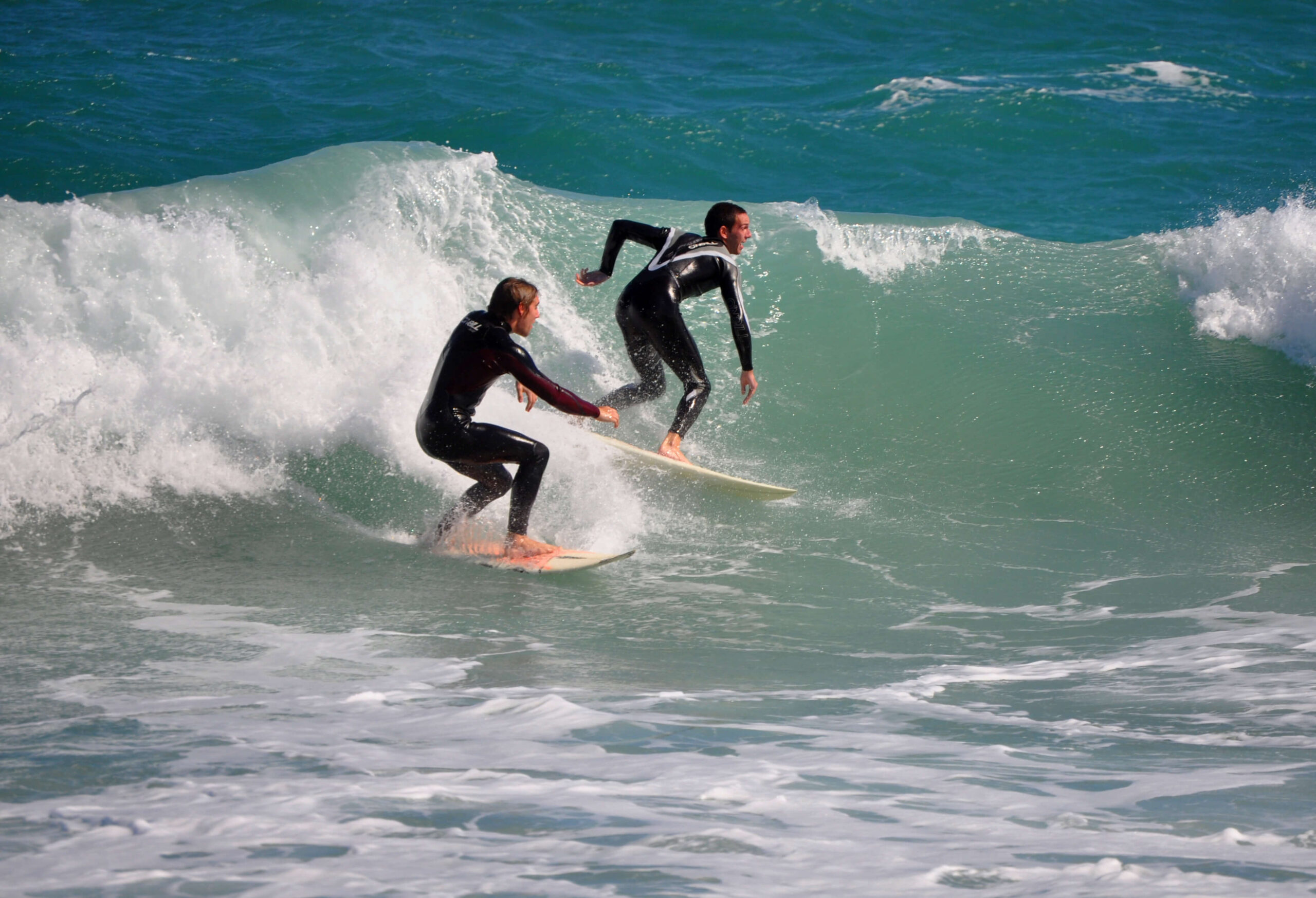
Northeast Florida: From Jacksonville to St. Augustine
The northern reaches of Florida’s Atlantic coast are renowned for their consistent surf.
Jacksonville Beach
Jacksonville Beach is a surf hub, offering a variety of sandy bottom breaks that work on different swell directions. The jetties at the north and south ends can create more defined waves, particularly on outgoing tides. This area is incredibly popular with locals and surf schools, making it an ideal spot for beginners and intermediate surfers to hone their skills. The energy of the community here is palpable, with surf shops and eateries lining the main drag. Be prepared for crowds, especially on weekends and during school breaks.
St. Augustine
Just south of Jacksonville Beach, the historic city of St. Augustine also offers surfable conditions. The waves here are generally gentler than further north, making it an excellent choice for those still finding their sea legs. The beaches just south of the city, like St. Augustine Beach, often see good waves, with sandbars that can provide fun, peeling rides. The combination of surfing and exploring one of America’s oldest cities makes this a compelling destination.
Central Florida: Cocoa Beach and the East Central Coast
This stretch of coastline is perhaps the most famous surfing mecca in Florida, largely due to its legendary status and the iconic presence of surf culture.
Cocoa Beach
Cocoa Beach is often hailed as the “Surfing Capital of the East Coast.” Home to surf legend Kelly Slater, this town breathes surf. The waves here are typically forgiving, with long, gentle rides that are perfect for learning and longboarding. The main break in front of the Ron Jon Surf Shop is a classic spot, though numerous other beach breaks along the coastline offer quality waves. The strong surf culture means there are abundant surf schools, board rentals, and surf shops, making it incredibly accessible for visitors. The proximity to Cape Canaveral also adds a unique element to the surfing experience, with the possibility of watching rocket launches from the water.
New Smyrna Beach
A short drive north of Cocoa Beach, New Smyrna Beach offers a more raw and sometimes challenging surf experience. Known for its powerful beach breaks, particularly at Ponce Inlet, this area can produce steeper, faster waves. The south side of the inlet often acts as a focal point for swells, creating hollower sections when conditions align. New Smyrna Beach attracts a dedicated local surf community and can be more intimidating for absolute beginners, but offers rewarding rides for those seeking more punch.
South Florida: Miami to the Keys
While not typically known for its consistent large swells, South Florida can deliver fun surf, especially during winter storm activity.
South Palm Beach County
Areas like Boca Raton and Delray Beach can get surprisingly good waves. The swells here are often smaller but can be clean and fun, particularly on sandbars that form near piers. These spots are often best suited for bodyboarding or longboarding when the conditions are smaller. The urban backdrop provides a unique contrast to the ocean’s natural rhythm.
Miami-Dade County
Miami itself can surprise surfers. When a strong northerly or northeasterly swell hits, spots like Haulover Park can offer rideable waves, particularly when channeling through the inlet. These waves are often short-lived but can be a fun diversion for those in the city. The urban shoreline provides a distinctly different surfing environment compared to the more natural breaks further north.
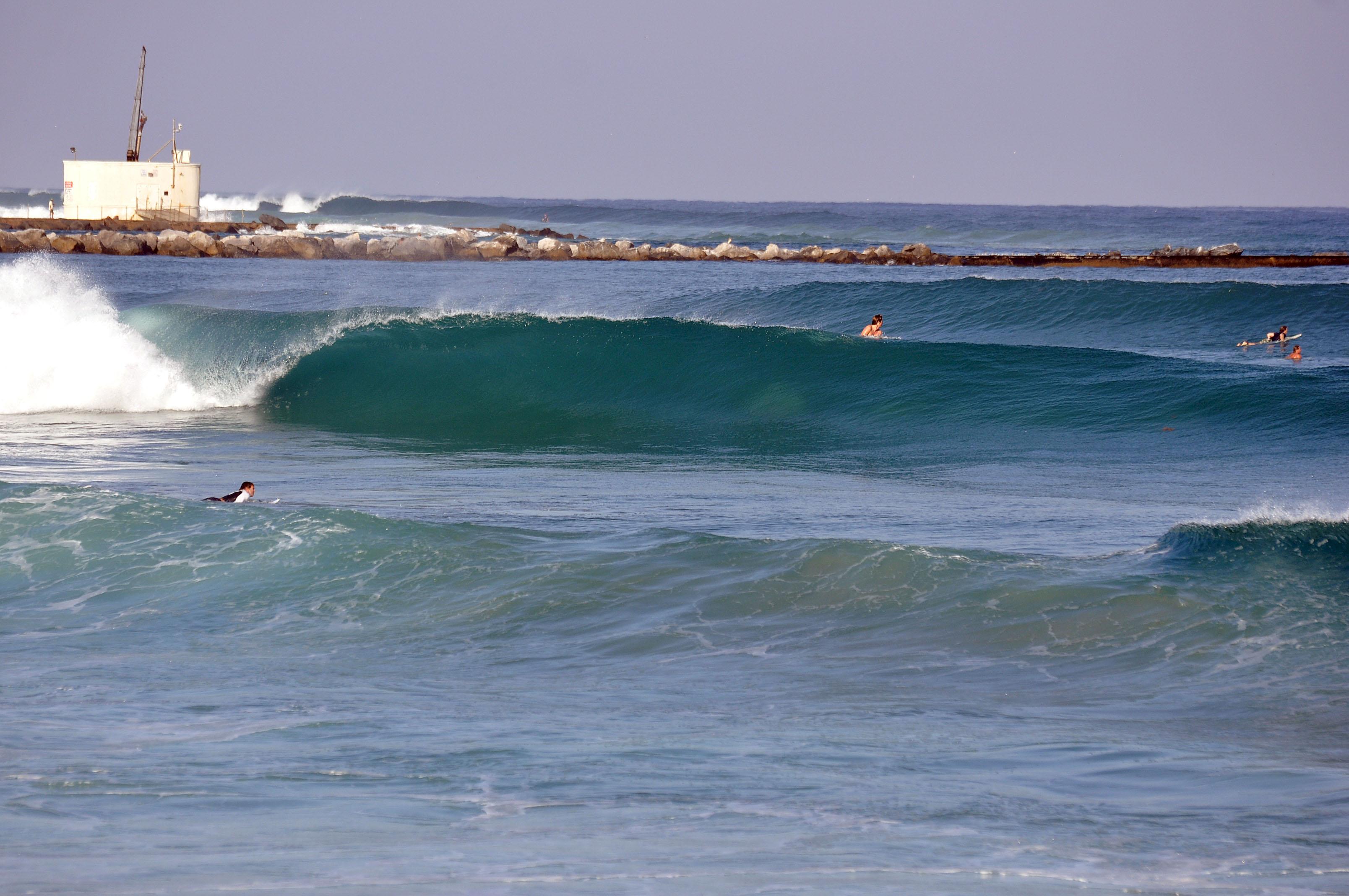
Gulf Coast Surfing: A Different Kind of Swell
Florida’s Gulf Coast, facing the Gulf of Mexico, presents a more unique and often less consistent surfing landscape. Swells here are primarily wind-driven and tend to be smaller and choppier than on the Atlantic side. However, certain conditions can create surprisingly fun waves, and the appeal of surfing in a more tranquil setting is undeniable.
Tampa Bay Area
The beaches around St. Petersburg and Clearwater can experience surf, especially during tropical storm activity or strong onshore winds.
St. Pete Beach
St. Pete Beach and its neighboring shores can get rideable wind swells. These are often best for paddleboarding or foamy, fun waves for beginners on a choppy day. The main advantage here is the calm, clear waters of the Gulf of Mexico, which can be more inviting for those who are hesitant about the ocean’s power.
Clearwater Beach
Similar to St. Pete Beach, Clearwater Beach can offer smaller, wind-swell driven waves. This is more of a spot for casual rides and enjoying the water rather than chasing barrels. The calm nature of the Gulf waters makes it a popular choice for families and those looking for a relaxed beach experience with the occasional chance to paddle out.
Southwest Florida: From Naples to Sanibel
This region offers the most consistent, albeit small, surf on the Gulf Coast, particularly during specific wind patterns.
Sanibel Island and Fort Myers Beach
Sanibel Island and Fort Myers Beach are known for their shelling and relaxed atmosphere, but they can also offer surf. The key here is wind direction. A strong onshore wind from the east or southeast can generate small but fun waves that are perfect for longboarding or learning. These conditions are most common in the summer months during afternoon thunderstorms. The gentle slope of the beaches means the waves are usually soft and forgiving.
Naples
Naples can also experience surf under the right wind conditions. Like its neighbors to the north, it’s primarily wind swell. The waves are typically small and mushy, best suited for longboarders or those wanting a playful paddle. The sophisticated ambiance of Naples provides an interesting juxtaposition with the simple act of catching a wave.
When and How to Surf in Florida
Understanding the seasonal patterns and conditions is crucial for a successful surf trip to Florida.
Seasonal Swells and Conditions
- Winter (December – February): This is prime time for the Atlantic coast. Cold fronts pushing down from the north often generate powerful swells, bringing the largest and most consistent waves. Conditions can be colder, so a wetsuit is recommended.
- Spring (March – May): Swells can still be decent, though less powerful than winter. The water begins to warm up, making for more comfortable sessions.
- Summer (June – August): This is hurricane season, and while direct hits are rare, the associated tropical systems can generate significant groundswells. This is also when the Gulf Coast is most likely to see surfable wind swells, often accompanied by afternoon thunderstorms.
- Fall (September – November): Another strong season for the Atlantic coast, with tropical systems and northerly swells contributing to good wave energy. The water is still warm, making it a very pleasant time to surf.
Best Gear for Florida Surfing
- Surfboards: For beginners, a larger, more buoyant board like a foam top or longboard is ideal. Intermediate and advanced surfers will find a range of shortboards, funboards, and hybrids suitable for Florida’s diverse wave types.
- Wetsuits: In the winter, a 3/2mm or 4/3mm wetsuit is recommended for the Atlantic coast. Spring and fall may require a 2mm or even just a wetsuit top. The Gulf Coast is generally warmer, and a rash guard or board shorts are often sufficient year-round, though a light spring suit might be useful on cooler days.
- Sun Protection: Florida sun is intense. High SPF sunscreen, rash guards, and hats are essential to prevent sunburn.

Beyond the Waves: Surf Culture and Etiquette
Florida’s surf scene is more than just waves; it’s a lifestyle. Respect the localism, understand wave etiquette, and embrace the laid-back vibe. Many surf towns have a strong sense of community, and engaging with local surf shops and schools can provide invaluable insights into the best spots and conditions. Remember to always paddle out with respect for other surfers and the ocean environment. Whether you’re chasing a solid swell on the Atlantic or enjoying a gentle ride on the Gulf, Florida offers a unique and accessible surfing experience that can be enjoyed by all.
LifeOutOfTheBox is a participant in the Amazon Services LLC Associates Program, an affiliate advertising program designed to provide a means for sites to earn advertising fees by advertising and linking to Amazon.com. Amazon, the Amazon logo, AmazonSupply, and the AmazonSupply logo are trademarks of Amazon.com, Inc. or its affiliates. As an Amazon Associate we earn affiliate commissions from qualifying purchases.