
Chicago, a city celebrated for its iconic architecture, vibrant arts scene, delectable cuisine, and rich history, is more than just a world-class destination; it’s a dynamic community powered by its residents. For anyone making Chicago their home, whether a long-term resident or a recent arrival planning an extended stay, understanding and participating in its civic processes is fundamental to engaging fully with the city’s pulse. Voting is a cornerstone of this engagement, shaping the very fabric of local life from neighborhood parks to city-wide policies. This guide aims to demystify the voting process in the Windy City, providing practical insights on eligibility, registration, and various voting methods, ensuring every eligible citizen can confidently cast their ballot and contribute to Chicago’s future.
Understanding the Electoral Landscape in Chicago
Navigating a new city often means understanding its foundational structures, and for Chicago, this includes its electoral system. Knowing how decisions are made and who makes them is crucial for any engaged resident, allowing for a deeper appreciation of the city’s unique governance and public services.
The Importance of Local Elections
While national elections often grab headlines, local elections are arguably the most impactful on your daily life in Chicago. The officials elected at the municipal and county levels are responsible for decisions that directly affect your neighborhood, from public safety and schools to infrastructure development and environmental initiatives. The Mayor of Chicago, members of the City Council (Aldermen), Cook County Commissioners, and school board members are all chosen through local elections. These individuals determine how your tax dollars are spent, the quality of your public services, and the direction of your community’s growth. Participating in these elections is not just a right but a powerful tool for shaping the Chicago you want to live in, influencing everything from bike lanes on your street to the curriculum in local schools. For those new to the city, understanding these local dynamics can provide invaluable insight into the rhythm and priorities of their new home.
Key Electoral Bodies and Their Roles
The administration of elections in Chicago is primarily overseen by two crucial bodies. The Chicago Board of Election Commissioners (CBEC) is the primary authority for all city, state, and federal elections held within the City of Chicago itself. Its responsibilities are extensive, covering everything from voter registration and maintaining voter rolls to establishing polling places, training election judges, and certifying election results. The CBEC serves as the central hub for all voter information and assistance for Chicago residents.
For elections that extend beyond the city limits but within Cook County, the Cook County Clerk plays a significant role, particularly in suburban Cook County elections. While Chicago has its dedicated CBEC, the Cook County Clerk’s office handles voter registration and elections for the 130 suburban municipalities within Cook County. Both organizations are committed to ensuring fair, accessible, and transparent elections for all eligible voters within their respective jurisdictions, providing robust resources and support throughout the electoral cycle.
Eligibility and Voter Registration in the Windy City
Before you can cast your vote in Chicago, the foundational step is ensuring you meet the eligibility requirements and are properly registered. This process is straightforward but requires attention to deadlines and specific criteria to ensure your voice can be heard.
Who Can Vote in Chicago?
To be eligible to vote in Chicago and the state of Illinois, you must meet several key criteria. First, you must be a United States Citizen. Second, you must be 18 years old by the date of the next election. Third, you must be a resident of Illinois for at least 30 days prior to the election. This residency requirement is crucial for establishing your electoral domicile. While Illinois does not typically require voters to present photo identification at the polls if they have previously voted in the precinct, first-time voters or those with changed information might be asked for ID. Knowing these basic requirements is the first step in preparing to participate in Chicago’s democratic process, ensuring you understand your rights and responsibilities as a voting citizen.
How to Register to Vote
Registering to vote in Chicago offers several convenient options, catering to various preferences and schedules. The easiest and most common method for many is online registration. You can register via the Illinois State Board of Elections website, which securely guides you through the process. To complete online registration, you will need an Illinois driver’s license or state ID card. The deadline for online registration is typically 16 days before an election.
For those who prefer or require in-person registration, there are multiple avenues. You can register at the offices of the Chicago Board of Election Commissioners or the Cook County Clerk. Additionally, many public libraries, local government offices, and designated voter registration events throughout the city serve as registration points. When registering in person, you’ll generally need two forms of identification, one of which must show your current address.
Illinois also offers Grace Period Registration, which allows individuals to register and vote on the same day, even after the standard registration deadlines have passed. This option is available at the offices of the CBEC and at all early voting sites. This flexibility ensures that even last-minute registrants can exercise their right to vote, highlighting Illinois’s commitment to broad voter access. Always confirm specific deadlines and locations through the CBEC’s official website to ensure you don’t miss your opportunity.
Navigating Your Voting Options: Early, Mail-In, and Election Day
Chicago provides multiple pathways for casting your ballot, reflecting a commitment to voter accessibility and convenience. Understanding these options—early voting, vote by mail, and traditional Election Day voting—empowers you to choose the method that best fits your schedule and preferences.

Early Voting: Convenience in the City
Early voting has become an increasingly popular option in Chicago, offering a flexible alternative to voting on Election Day. This method allows registered voters to cast their ballots in person at designated sites before the official election date, typically beginning a few weeks prior to the election and continuing up to the day before. The convenience of early voting is particularly beneficial for busy Chicago residents, those with unpredictable work schedules, or individuals who may be traveling on Election Day.
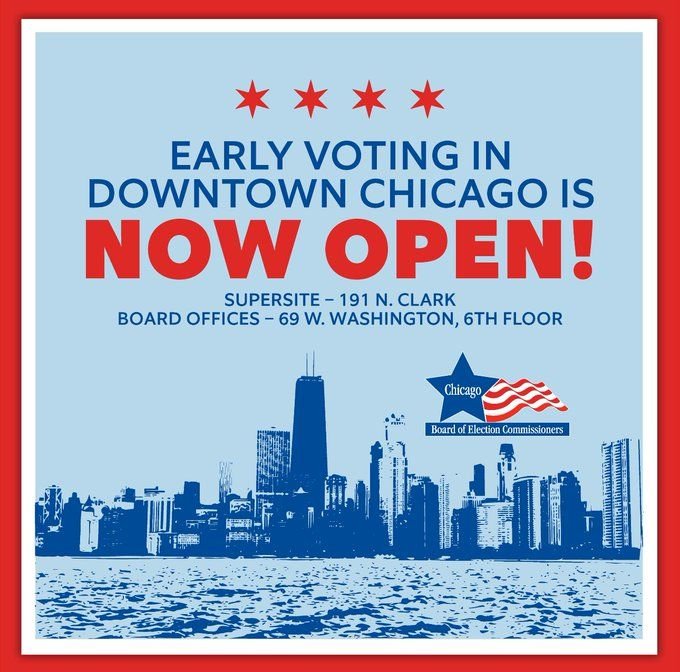
Early voting locations are strategically placed throughout the city to ensure widespread access. These often include public libraries, park district field houses, and other readily accessible community centers. The Chicago Board of Election Commissioners publishes a comprehensive list of early voting sites, along with their specific dates and hours of operation, on its official website well in advance of each election. Unlike Election Day voting, where you must go to your assigned precinct, most early voting sites are “vote anywhere” locations within Chicago, meaning you can cast your ballot at any open early voting center, regardless of your residential precinct. This flexibility is a significant advantage, allowing you to choose the most convenient location and time that suits your needs.
Vote By Mail: Your Ballot, Your Pace
For those who prefer the comfort and convenience of voting from home, Vote By Mail (also known as absentee voting in some other states) is an excellent option offered in Illinois. This method allows registered voters to receive their ballot by mail, complete it at their leisure, and return it either via postal service or by dropping it off at designated locations. It’s particularly appealing for voters with health concerns, those who anticipate being out of the city during the election period, or simply anyone who appreciates the time to research candidates and issues before making their selections.
To vote by mail, you must first apply for a mail-in ballot. This can typically be done online through the Chicago Board of Election Commissioners’ website, or by submitting a paper application. Applications usually become available several months before an election, and there is a deadline for requesting a mail-in ballot, often five days before Election Day. Once you receive your ballot, carefully follow the enclosed instructions to ensure it is properly filled out and signed.
Returning your completed ballot is just as flexible. You can mail it back through the United States Postal Service, ensuring it is postmarked by Election Day. Alternatively, for greater assurance and speed, you can drop your ballot into secure ballot drop boxes located at early voting sites and the CBEC’s main office during designated hours. The CBEC also provides a ballot tracking tool on its website, allowing you to monitor the status of your mail-in ballot from request to receipt, providing peace of mind.
Election Day Voting: The Traditional Approach
For many, Election Day voting remains the quintessential civic experience. This traditional method involves visiting your specifically assigned polling place on the official Election Day to cast your ballot in person. While early voting and vote by mail offer convenience, Election Day voting fosters a sense of community and shared civic responsibility that many find deeply meaningful.
To vote on Election Day, it is crucial to know your assigned precinct polling place. Unlike early voting, you generally must vote at the polling place designated for your residential address. The easiest way to find this information is by using the “Voter Information” tool on the Chicago Board of Election Commissioners’ website. By entering your address, you can quickly locate your polling place, view a sample ballot, and confirm your registration status. Polling places are typically open from 6:00 AM to 7:00 PM on Election Day.
While Illinois law does not strictly require voters to show photo identification to cast a ballot if they are already registered and have voted before, it is always a good practice to bring a valid ID. This can help resolve any potential issues or questions regarding your voter registration quickly and efficiently. Arriving prepared ensures a smooth and prompt voting experience, allowing you to participate in Chicago’s democratic process with confidence.
Resources and Support for Chicago Voters
Engaging with Chicago’s electoral system is made accessible through a wealth of resources and dedicated support services. Whether you have questions about your registration, need assistance, or want to stay informed, the city and state provide comprehensive platforms to guide you.
Key Online Portals
The digital age has significantly streamlined access to voter information, and Chicago is no exception. The most critical online hub for any Chicago voter is the Chicago Board of Election Commissioners website. This comprehensive portal is your go-to resource for checking your voter registration status, finding your polling place, viewing sample ballots, applying for a vote-by-mail ballot, and locating early voting sites and drop boxes. The website is regularly updated with election dates, deadlines, and news, making it an indispensable tool for staying informed.
Complementing this, the Illinois State Board of Elections website serves as the authoritative source for statewide electoral information. Here, you can find details about state laws governing elections, register to vote online (if you have an Illinois ID), and access data related to state and federal elections across Illinois. Together, these two websites provide a complete and accurate picture of the electoral landscape, ensuring voters have all the necessary information at their fingertips.
Voter Assistance and Accessibility
The Chicago Board of Election Commissioners is committed to ensuring that all eligible citizens can exercise their right to vote, irrespective of physical abilities or language barriers. For voters with disabilities, polling places are required to be accessible, and election judges are trained to provide assistance as needed. Curbside voting is also available for those unable to enter the polling place due to physical disability. Additionally, a wide array of support is offered for voters who require language assistance. The CBEC provides ballots and voting instructions in multiple languages, and bilingual election judges are often available at polling places in diverse communities.
Should you have any specific questions or require assistance, the Chicago Board of Election Commissioners maintains a dedicated helpline and customer service team. Their contact information is readily available on their website, providing a direct line to knowledgeable staff who can address inquiries about registration, ballot access, polling place details, or any other voting-related concerns. This commitment to assistance and accessibility underscores Chicago’s dedication to fostering an inclusive democratic environment for all its citizens.
Participating in the electoral process in Chicago is more than just a civic duty; it’s a vital way to connect with the city’s future and influence its direction. By understanding the options available, from easy online registration to flexible early and mail-in voting, every eligible resident can confidently cast their ballot. As you explore and experience all that Chicago has to offer, remember that your voice at the polls is one of the most powerful tools you have to contribute to its ongoing narrative and success. Engage, vote, and help shape the vibrant community you call home.
LifeOutOfTheBox is a participant in the Amazon Services LLC Associates Program, an affiliate advertising program designed to provide a means for sites to earn advertising fees by advertising and linking to Amazon.com. Amazon, the Amazon logo, AmazonSupply, and the AmazonSupply logo are trademarks of Amazon.com, Inc. or its affiliates. As an Amazon Associate we earn affiliate commissions from qualifying purchases.